Product Photo Editing Services (2026 Guide)


If you manage a growing ecommerce catalog, image editing can become a bottleneck fast. A few SKUs are manageable by hand, but once you are updating seasonal collections, marketplace listings, and ad creatives, you need a repeatable system. That is where product photo editing services matter. The right setup helps you standardize backgrounds, crop ratios, retouching rules, and export formats without slowing down launches. If you are still figuring out your wider studio process, start with this guide to building a product photography studio. In this article, I will walk through what store owners should expect from batch photo editing, which tools can support the workflow, where manual services still make sense, and how to choose a process that fits your store rather than adding more operational overhead.
Contents
What product photo editing services actually cover
For ecommerce, photo editing services are rarely just about making images look nicer. They are about making product images consistent enough to support conversion, merchandising, and channel compliance. In practice, that usually means background cleanup, white background exports, resizing, resolution adjustments, shadow handling, text removal, and creating alternative formats for product pages, collection pages, ads, and marketplaces.
Manual editing services can still be useful when you need detailed retouching, color correction, or category-specific polish. That is often true for cosmetics, jewelry, reflective packaging, and fabric-heavy products. But for many stores, especially Shopify merchants working through medium to high SKU volumes, the bigger win comes from setting up a batch workflow that handles repetitive edits quickly and consistently.
AI-assisted workflows have become more relevant here. If your main issue is volume rather than high-end retouching, tools for ai photoshoot planning and ai product photography can reduce the amount of manual cleanup needed after the shoot. That does not eliminate the need for editing review, but it can shorten the path from raw image to publish-ready asset.
For broader context on image workflows, AcquireConvert’s Catalog Photography resources and Background Removal & Editing category are both useful next reads.
Tools and workflow for batch editing
The most reliable batch photo editing workflow is built around rules, not one-off fixes. Before you choose a product photo editing service or editing tool, define your image standards first. That includes canvas size, aspect ratio, naming format, file type, background style, cropping margins, and whether your PDP images need white background, transparent PNG, or styled lifestyle variants.
For repetitive editing work, these live tools are the most relevant from the current dataset:
A practical batch workflow often looks like this:
If you are evaluating app-style editors as part of this process, reading a focused breakdown of photoroom can help you compare one-click convenience against more controlled editing workflows.

Service deliverables checklist (what you should get back)
What many store owners overlook is that “product photo editing services” is not a single deliverable. It is a bundle of specs and decisions. If you do not define those up front, you usually end up with images that look fine in isolation but do not line up in Shopify grids, do not match your brand color, or need rework for marketplaces.
Here is a practical deliverables checklist you can use to compare vendors, freelancers, or tool-based workflows. You do not need every item for every store, but you should be able to answer each one before you scale.
Core export specs (the non-negotiables)
Background types and shadow rules
Batch and scale expectations (so launches do not slip)
Creative control guardrails (how you keep consistency)
From a practical standpoint, the best time to build this checklist is before you outsource or automate at scale. It is much faster to fix specs once than to re-edit 300 images because the crop ratio changed or your white background is not consistent across the catalog.
Pros and Cons
Strengths
Considerations
AI vs human editing: where each breaks down (and a hybrid workflow that works)
Here’s the thing. Most stores do not need to pick a side. The real decision is which tasks are safe to automate, and which ones need a trained eye because they affect trust, returns, or channel rejection risk.
Where AI is typically strong for ecommerce editing
AI tools tend to work well when the job is repetitive and the acceptable result is clearly defined. That usually includes background removal on simple shapes, basic dust and cleanup, consistent exports to the same aspect ratio, and producing quick variations once your base catalog images are approved. For many Shopify stores, that can cover a large percentage of the catalog, especially long-tail SKUs that do not justify hand retouching.
Where human editing still matters
Manual retouching still earns its keep on the images that shoppers scrutinize. Fine edges, hair and fur, lace, translucent materials, reflective packaging, and products with strict color requirements are common failure points for automated tools. Humans are also better at subtle but important decisions, like preserving fabric texture while cleaning lint, controlling reflections without making a product look artificial, or matching a hero image color to the real product under consistent lighting.
A hybrid workflow that is practical for most Shopify stores
Think of it this way. Use AI for the first pass across the full catalog, then reserve human time for the small percentage that actually drives revenue or causes problems.
The reality is that AI can introduce issues you might not notice until the images are on a collection page or in an ad. Common ones include jagged edges, soft halos around products, inconsistent lighting direction between SKUs, and shadows that look unrealistic. That is why a human review step is still part of a professional workflow, even if you automate most of the production work.

Who batch editing is best for
Batch photo editing is usually the best fit for ecommerce stores with repeatable image standards and moderate to high SKU counts. Apparel, beauty, packaged goods, home products, and accessories brands often benefit because they need consistency more than high-end retouching on every image.
If you are a Shopify merchant managing product drops, seasonal launches, or marketplace feeds, a batch workflow can save time and make your merchandising look more organized. If your products are highly technical, luxury, reflective, or color-sensitive, you may still want a hybrid model where software handles the repetitive work and a specialist editing service reviews hero images manually.
AcquireConvert recommendation
Most store owners should not start by asking, “What is the best product photo editing service?” A better question is, “Which parts of my image workflow are repetitive, and which actually need expert eyes?” That framing usually leads to a stronger decision. Standardized catalog work often benefits from AI-assisted editing and templated batch processes, while premium hero images may still justify hands-on retouching.
That practical split is where AcquireConvert is useful. Giles Thomas brings the perspective of a Shopify Partner and Google Expert, so the advice is grounded in how product images affect not just aesthetics, but merchandising, page speed, shopping feeds, and conversion paths. If your catalog includes niche visual requirements, such as cosmetics swatches or face-adjacent imagery, this guide to an ai makeup generator shows how category-specific image creation differs from general catalog editing. For merchants comparing workflows, AcquireConvert’s photography content gives you a solid next step without overcomplicating the decision.
How to choose the right editing setup
There is no single best product photo editing service for every store. The right choice depends on your SKU volume, product complexity, turnaround needs, and where the images will be used.
1. Start with your catalog volume
If you publish a few products per month, a manual editing service may be perfectly workable. If you update dozens or hundreds of SKUs at a time, batch processing becomes much more important. High volume stores usually need automation for file cleanup, resizing, and background standardization just to keep launches on schedule.
2. Separate hero image needs from catalog needs
Not every image deserves the same amount of editing time. Your hero images and top-selling PDP assets may need manual retouching. Your long-tail catalog images usually need consistency and speed first. This distinction prevents overpaying for editing where a standardized process would do the job.
3. Check channel requirements before you edit
Shopify product pages, Amazon listings, Meta ads, and Google Shopping creatives often need different crops, backgrounds, or file sizes. If you sell in multiple channels, choose an editing workflow that can export variations from one approved source file set. That approach reduces rework and helps keep your brand visuals aligned.
4. Evaluate how much quality control you can handle internally
Some teams are comfortable reviewing every output before upload. Others need cleaner first-pass editing because merchandisers are already stretched. If your internal team has limited review time, look for workflows that prioritize repeatable settings and minimal manual correction.
5. Do not treat editing as a fix for weak photography
The strongest editing workflows still depend on decent source images. Good lighting, stable composition, accurate color, and consistent camera settings matter more than many merchants realize. If your inputs are inconsistent, your editing costs and review time usually rise with them. That is why it is worth tightening your studio process before outsourcing or automating the entire post-production stage.
A sensible decision framework is this: use batch tools for repetitive catalog cleanup, use manual review for top-converting or visually sensitive SKUs, and document your image rules so the process scales. That mix tends to be more practical for growth-stage ecommerce brands than going fully manual or fully automated.

Quality control and channel compliance (Amazon, Google Shopping, ads)
Consider this. Most rework happens after editing, not during it. It happens when you upload images, see misaligned crops on collection pages, notice odd shadows on mobile, or get a marketplace rejection because the main image does not meet requirements. A simple QC and compliance routine can prevent that.
A quick QC checklist you can run inside Shopify
Before you publish a batch, review images in the same place customers see them. That means your Shopify theme templates, not a folder preview.
Channel compliance: a pre-export checklist that reduces rejection risk
Now, when it comes to marketplaces and paid channels, the rules are not identical. Policies also change, so treat this as a checklist to verify rather than a permanent truth.
Master assets and channel variants (so you stop re-editing)
The way this works in practice is simple. Create one approved “master” asset per image, then export variants from it for each channel. That reduces rework and keeps your visuals consistent across Shopify, marketplaces, email, and ads.
A basic structure that works for many stores is:
If you set that structure once, you can scale faster. Your team knows which file to upload where, and you are less likely to discover problems after a launch is already live.
Frequently Asked Questions
What are product photo editing services for ecommerce?
They are services or tools used to prepare product images for online selling. That can include background removal, white background exports, cropping, resizing, retouching, shadow cleanup, text removal, and file optimization. For ecommerce stores, the real goal is consistency across product pages, collection pages, and sales channels rather than purely cosmetic edits.
Can I batch edit product images instead of outsourcing everything?
Yes, and many stores should. If your edits are repetitive, such as white background creation, sizing, and simple cleanup, batch processing is often more efficient than outsourcing every image. A hybrid approach is common, where software handles the volume work and a human editor reviews exceptions or premium product images.
Are AI tools good enough for product photo editing service workflows?
They can be good enough for many routine tasks, especially background changes, simple cleanup, and generating alternate scene variations. They are less dependable when your products have complex reflections, fine edges, or strict color accuracy requirements. Most merchants still benefit from a review layer before publishing edited images live.
How do Shopify store owners benefit from better image editing?
Better editing can improve visual consistency, which may help shoppers compare products more confidently across collection and product pages. It can also support cleaner merchandising, better brand presentation, and more efficient content creation for ads and email campaigns. The impact varies by store, but messy or inconsistent images often create avoidable friction.
What is the difference between white background editing and lifestyle background editing?
White background editing is typically used for clean catalog presentation, marketplaces, and comparison-focused PDP galleries. Lifestyle background editing is more about context and brand storytelling. Most ecommerce brands need both, but for different jobs. White background images support clarity, while styled backgrounds can support emotional appeal and campaign creative.
Should Amazon sellers use a separate product photo editing service?
Sometimes, yes. Amazon image requirements are stricter than many Shopify storefront needs, especially for main images. If Amazon is a major channel, build a workflow that creates marketplace-specific outputs from the same source images. That is usually more efficient than editing separately from scratch for each platform.
How do I know whether to outsource product photo editing services?
If editing is delaying launches, pulling your team away from merchandising, or producing inconsistent outputs, outsourcing or partially outsourcing may be worth it. Start by mapping which edits are repetitive and which need specialist skill. That will tell you whether you need a full editing service, a batch tool, or a mixed approach.
Can editing tools replace a professional photographer?
No, not fully. Editing tools can improve usable images and reduce repetitive post-production work, but they do not reliably replace good lighting, composition, and accurate original capture. For many ecommerce brands, the best results come from combining solid photography fundamentals with efficient editing workflows rather than expecting software to fix everything later.
How much do product photo editing services cost per image?
Pricing varies based on volume, complexity, and the exact edits required. Simple background removal and resizing is typically priced differently than detailed retouching, complex clipping paths, or strict color matching. Many providers also price differently for bulk batches versus small orders, and for faster turnaround times. The most accurate approach is to define your deliverables first, then request pricing against the same sample set so you are comparing like-for-like.
What is the typical turnaround time for bulk product photo editing?
It depends on your batch size, how complex the products are, and whether your workflow includes revisions. For routine catalog edits, many stores aim for a predictable turnaround window that matches launch schedules, not just “per image” timing. If you are planning a product drop, confirm turnaround for your expected batch volume and ask how exceptions are handled so one difficult image does not slow the entire set.
Do product photo editing services support bulk processing or API integrations?
Some do, and some do not. Many services support bulk processing through shared folders or upload systems, while some tool-based workflows are designed specifically for batch runs. API access and deeper integrations are less universal, so if your catalog updates are frequent and operationally complex, confirm how files move in and out, how job status is tracked, and whether outputs can be delivered in a structured way that matches your naming conventions.
What should I send an editor to get consistent results (style guide, references, file specs)?
Send a simple style guide, a handful of reference images that represent the finished look you want, and clear file specs for exports. Include naming conventions tied to SKU or product handle, your crop and aspect ratio rules, and any do-not-edit instructions such as labels, textures, or color-critical areas. If you have multiple channels, specify which versions you need, for example Shopify PDP, marketplace main image, and ad variants. The clearer your inputs, the less you rely on revisions to get consistency.
Key Takeaways
Conclusion
If your catalog is growing, product photo editing services should be judged on operational fit as much as image quality. The best choice is usually the one that helps you publish faster, stay visually consistent, and avoid rework across Shopify, marketplaces, and ad channels. For many stores, that means a hybrid model with batch editing for repetitive tasks and selective manual retouching where it matters most. AcquireConvert is a strong place to keep researching that decision. Giles Thomas brings a Shopify Partner and Google Expert perspective to ecommerce image workflows, so the advice stays practical and store-owner focused. If you want the next step, explore AcquireConvert’s related photography guides and tool breakdowns to compare your options with more confidence.
This article is editorial content and not a paid endorsement unless explicitly stated otherwise. Tool availability and features may change over time, so verify current details directly with the provider before making a decision. Pricing data was not available in the supplied product dataset and has therefore not been stated here. Any workflow or conversion impact discussed is illustrative only and not a guarantee of results.
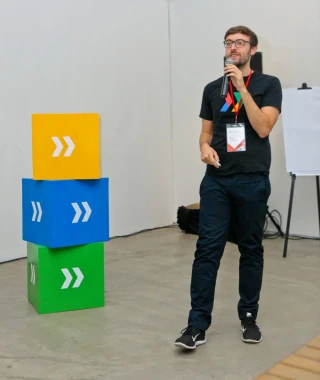
Hi, I'm Giles Thomas.
Founder of AcquireConvert, the place where ecommerce entrepreneurs & marketers go to learn growth. I'm also the founder of Shopify agency Whole Design Studios.