Product Photography China Guide for Amazon FBA (2026)

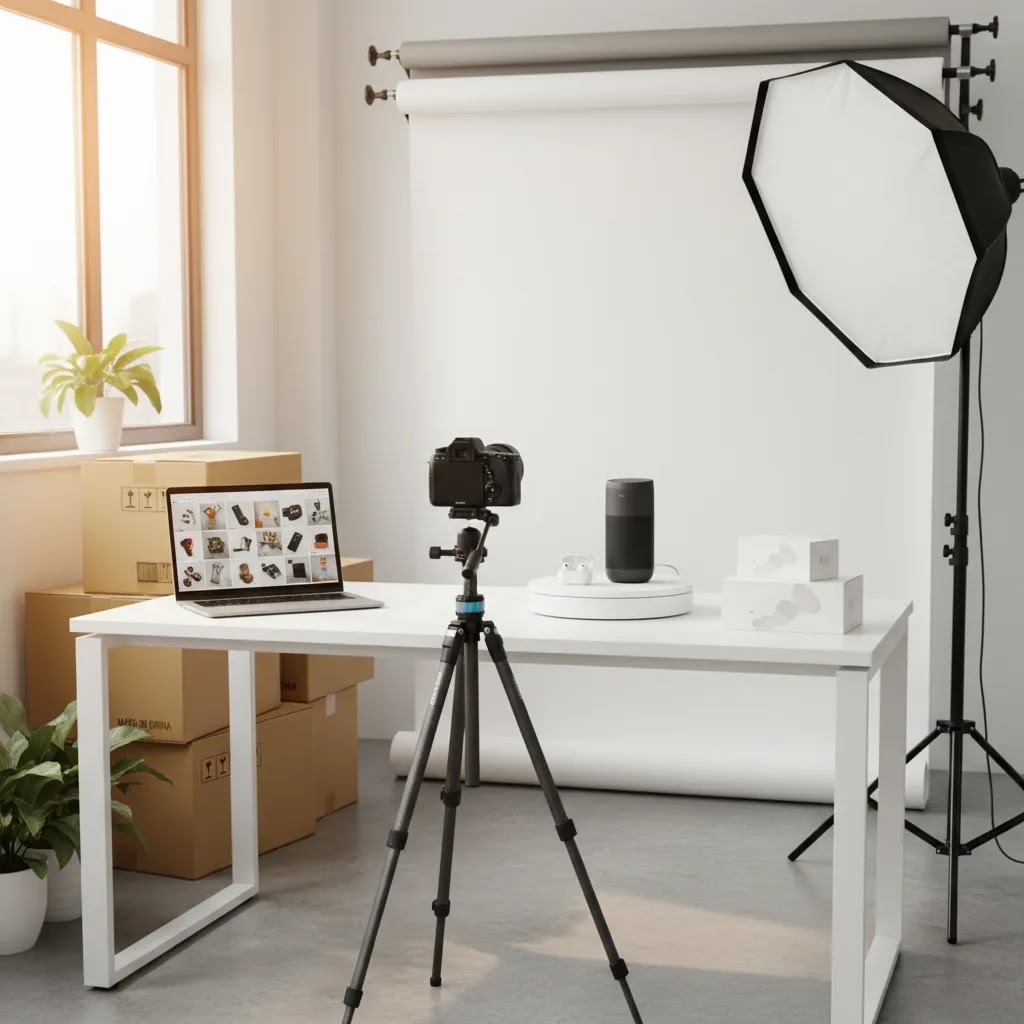
If you source products in China and sell through Amazon FBA, Shopify, or both, product photography in China can be a smart operational shortcut. It may reduce shipping delays, help you launch listings faster, and keep sample handling simpler. The right choice depends on what you actually need: plain white background Amazon images, lifestyle shots for your store, or AI-assisted edits that turn basic supplier photos into more usable creative. Based on AcquireConvert's ecommerce-first review approach, this route works best for sellers who want speed and cost control, but it is not automatically the right fit for every brand. If your products need premium art direction, fit-specific apparel styling, or high-end campaign assets, a local studio or specialist may still be the better call.
Contents
Overview
Product photography China usually refers to listing image production arranged near your manufacturer, sourcing agent, or fulfillment partner. For Amazon FBA sellers, that often means getting compliant white background images, infographics, and a few lifestyle variations created before inventory ever reaches your destination market. For Shopify brands, it can also mean producing website product photography early so your product page is ready before stock lands.
The main advantage is workflow efficiency. You can photograph the final production sample in the same country where it is made, reduce back-and-forth shipping, and get launch assets faster. This is especially useful if you are testing a new product line, validating demand, or trying to shorten the gap between manufacturing and going live.
The limitation is quality variance. Some China-based photo providers are excellent, while others focus on speed and low-cost output rather than branding. That is why many sellers now mix approaches: use a studio for core shots, then refine assets with editing tools such as Free White Background Generator, AI Background Generator, or Magic Photo Editor. If you are still deciding whether to build a small in-house setup instead, see this guide to a product photography studio.
Product Photography Service Types in China
Here is the thing: “product photography service China” can mean a few very different delivery models, even when the output looks similar on the surface. If you are trying to protect quality while still keeping the speed advantage of shooting near your factory, it helps to know which model you are actually buying.
Traditional product photography studios
This is the classic studio setup where you ship or courier a sample to a studio, they shoot it, retouch it, then deliver final exports. For Amazon, these studios typically produce white background hero images, additional angles, and detail close-ups. Some also offer infographic layout and light lifestyle scenes.
When this model tends to fit: you want a defined deliverable list, you want the studio to own lighting and retouching quality, and you are working from a final production sample rather than a prototype.
“Remote managed” services (your on-the-ground photo team)
Some providers position themselves more like a managed production partner. They coordinate sample pickup, confirm packaging versions, run the shoot, and manage revisions with less back-and-forth from you. Think of it as a production manager plus a studio workflow, instead of you trying to project manage each step across time zones.
When this model tends to fit: you have multiple SKUs or variations, you are planning a tighter launch schedule, or you want someone to catch issues like wrong labeling, missing inserts, or a finish change before you build your entire Amazon listing around it. For many Shopify store owners, this can also be a practical way to build an early image set for product pages and ads, then upgrade your brand assets later once you know the product is a winner.
Factory-provided or sourcing-agent photos
This is the fastest, lowest-friction option: your factory, sourcing agent, or quality inspector takes photos for you, sometimes using a basic lightbox setup. The output can be perfectly usable for internal approvals and early drafts, but it is often inconsistent for marketplaces because lighting, angles, and background purity vary.
When this model tends to fit: you need speed, you want to validate a product quickly, or you want starter assets you can improve with editing. In many cases, the best use is to treat these photos as raw inputs, then clean them up with background removal, resolution improvement, and light retouching before you publish.
What you typically get with each model (and what to ask for)
Most sellers are looking for the same core outputs, even if the provider labels them differently: a white background main image, consistent secondary angles, close-up detail shots, packaging images, and a few infographics. Shopify brands also tend to benefit from lifestyle and brand-led visuals, even if you start with a simpler set at launch.
What many store owners overlook is category fit. A team that shoots small electronics accessories all day may not be the best choice for cosmetics textures, reflective metal products, or fabric-heavy apparel. From a practical standpoint, ask what product categories they shoot most often, then request to see examples that match your exact material type and size range. That is one of the simplest ways to reduce quality variance before you spend on a full catalog shoot.
Pricing and Costs
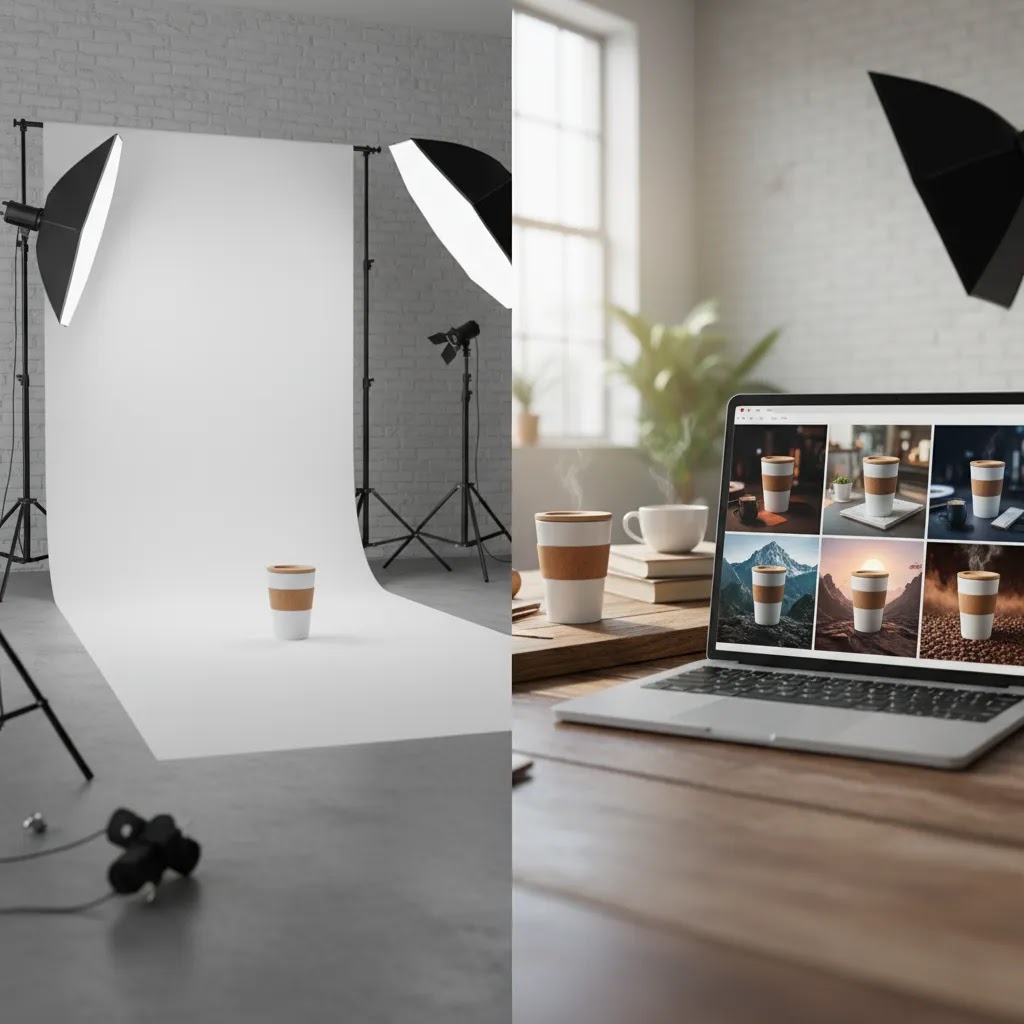
There is no single standard price for product photography service in China because cost depends on shot type, editing depth, and whether you need stills only or broader creative production. The live tool data available for this article covers image editing and AI photo tools, not studio service rate cards, so it would be misleading to invent a fixed product photography pricing China benchmark.
What you can evaluate clearly is the cost structure around post-production. If your supplier or photographer gives you usable base images, tools can reduce the amount of manual retouching you need. Current options surfaced in our data include Free White Background Generator, AI Background Generator, Increase Image Resolution, and Remove Text From Images. The tool dataset provided does not include live pricing figures, so any article claiming exact monthly fees from this source would be guessing.
In practice, your total product photography cost includes sample prep, shipping if required, studio fees, retouching, and revision rounds. For Amazon sellers, you should also separate photography costs from ad spend and launch costs. Images may improve click-through and conversion performance, but results vary by niche, competition, and listing quality.
Location and Logistics: Guangzhou, Samples, and Turnaround
If you have searched for product photography Guangzhou, you are picking up on a real pattern. Major manufacturing and export hubs tend to have more photography capacity nearby, simply because there is constant demand from Amazon and Shopify sellers moving samples and packaging versions through production.
Now, when it comes to logistics, there are three common workflows, and the one you choose affects turnaround, risk, and revision speed.
Ship a production sample to a studio
This is straightforward: you select the exact SKU and packaging version you want photographed, then ship or courier it to the studio. This model can work well when you have a finalized production sample and want the studio to follow a tight shot list.
The tradeoff is that every revision that requires a new prop, a corrected label, or a different packaging insert can slow things down if the studio is not close to where changes are being made.
Shoot at or near the factory
Some shoots happen close to production, either by a studio that can collect samples quickly or a team that can work near the factory location. The practical advantage is speed when you need to swap in the correct packaging, correct a small manufacturing issue, or photograph multiple variations without shipping each one across regions.
The tradeoff is that you still need quality control. Being near the factory does not automatically mean the lighting, styling, and retouching are marketplace-ready.
Coordinate through a sourcing agent or QA partner
When you already have a sourcing agent or inspection partner, they can act as the sample coordinator. They can confirm you are photographing the right variant, the right bundle contents, and the final packaging. This can reduce the risk of building an Amazon listing around an outdated prototype.
Think of it this way: your biggest delays usually come from rework, not from the first shoot. If you are launching on Amazon FBA, plan a buffer for at least one revision cycle and any compliance checks you need to do on claims, labeling, or included components. If you are launching a Shopify product page and running ads, build in extra time for resizing, cropping, and producing ad-friendly variations so you are not scrambling the week inventory lands.
Trust and Credibility
If you are evaluating product photography services in China, trust matters more than the headline quote. Ask whether the provider has experience with Amazon image requirements, understands packaging variations, and can follow a clear shot list without heavy supervision. A seller launching on Amazon FBA usually needs consistency and speed more than abstract creative language.
At AcquireConvert, we assess solutions through the lens of real ecommerce implementation. Giles Thomas brings Shopify Partner and Google Expert credentials to that evaluation, which is useful when a decision affects both your storefront and your paid acquisition creative. That perspective matters because a photo set is not just a branding asset. It influences how your listing performs across Amazon, Shopify product pages, and paid social.
Where trust is less established, use a controlled process. Start with one SKU, confirm file specs, request raw files plus edited exports, and test communication speed before assigning a larger catalog. If you are considering app-led image cleanup instead of a full service, compare workflow tradeoffs with tools such as photoroom and broader product photographer hiring options.
What to Ask For: Shot List, File Specs, and Revisions (Amazon-First)
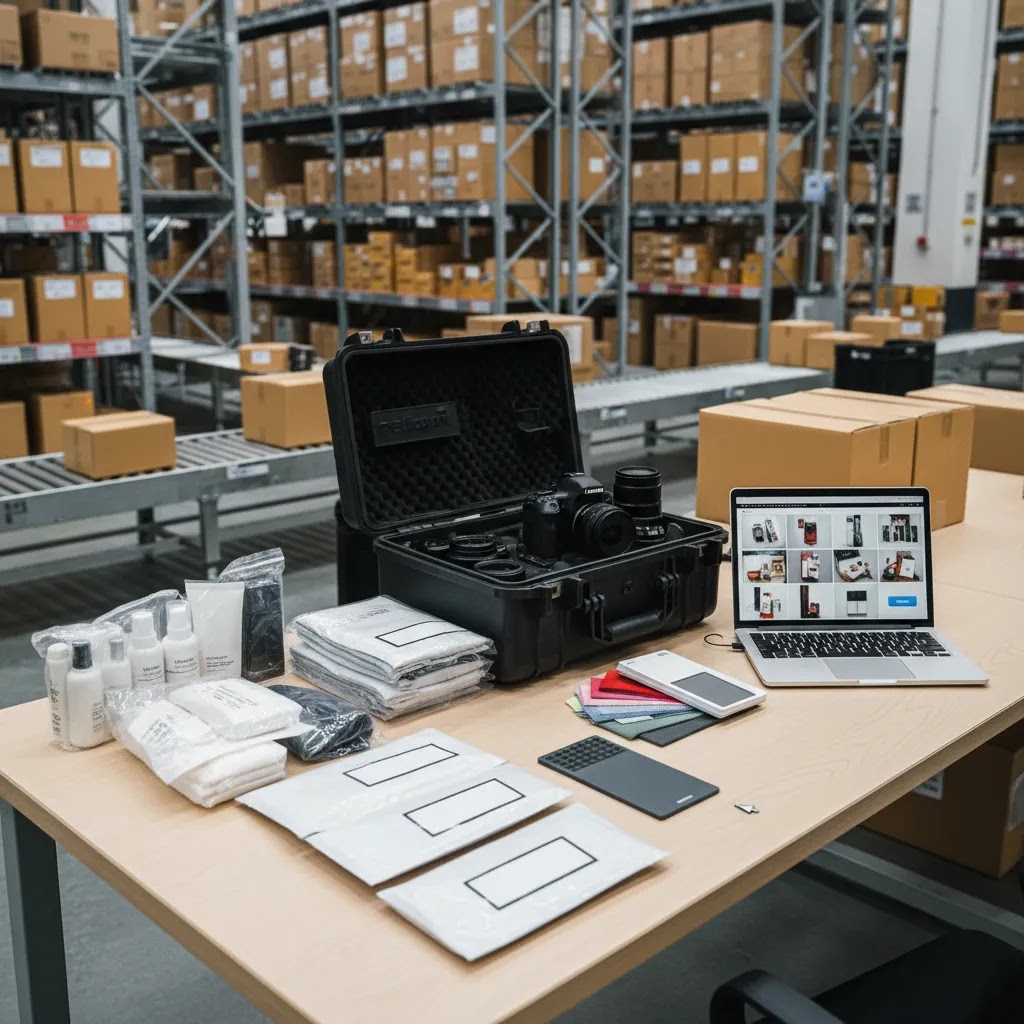
If you want fewer surprises, define “done” up front. Most quality issues with amazon product photography in china are not really camera problems. They are briefing problems, file delivery problems, or revision scope problems.
A practical shot list that keeps Amazon compliance in mind
For Amazon, you are usually building around a predictable set: a clean white background main image, consistent angle set (so variations look like a family), close-ups for key features, scale reference (in-hand or in-use), and packaging. If you plan to run Sponsored Brands or off-Amazon ads later, consider requesting at least one image with extra negative space so you can crop for different placements without losing the product.
For infographics, be specific about what you want illustrated. Provide the exact callouts you want featured and confirm whether the studio does the design layout, or whether they only deliver base photos and you handle design elsewhere.
File specs and deliverables sellers often forget to request
Ask for image dimensions suitable for your channels, plus the color profile you want used so product colors stay consistent. Confirm naming conventions that match your SKU or variation structure, otherwise you will waste time sorting files later. If you are commissioning infographic images, ask whether you will receive the editable layered source files in addition to flattened exports, since that affects how quickly you can update copy or swap icons later.
Also clarify whether you get originals plus edited exports. Originals are useful if you want to run your own retouching or use AI tools later for background swaps, in-hand scenes, or additional crops without re-shooting.
Revision process control: test with 1 SKU, then scale
Start with a small paid test on a single SKU and one variation set. Approve a first draft, request a defined revision round, then confirm the studio can repeat the same angles and lighting across additional SKUs. This is the fastest way to see if communication and consistency are real, without risking your entire catalog.
If you are not on-site, approvals live or die by turnaround and clarity. Agree on how proofs are shared, how you sign off, and what counts as a revision versus a new request. The reality is that revisions spiral when your brief keeps changing. Lock the shot list, lock the file specs, then use a predictable approval workflow so your launch timeline stays stable.
Key Features
The best product photography China workflows are not really about one feature. They are about getting the right asset mix for Amazon and ecommerce use. Here is what store owners should look for.
White background compliance is the first priority for Amazon main images. If your studio images are acceptable but need cleanup, the Free White Background Generator can help create cleaner marketplace-ready backgrounds.
Lifestyle variation matters more on Shopify and brand-led product pages. Tools such as AI Background Generator and Background Swap Editor are useful when your China photo service gives you a plain product cutout but you want more contextual scenes for landing pages or ads.
Resolution improvement is useful when factory-supplied images are slightly soft or undersized. Increase Image Resolution may help salvage images for web use, although it is not a replacement for properly lit source photography.
Hand-held and use-case visuals can be added through Place in Hands, which may be helpful for lightweight consumer products where scale and use context matter.
Centralized editing workflow is another benefit. Creator Studio and Magic Photo Editor suggest a faster route for merchants who need to turn basic source files into saleable creative without waiting on repeated supplier revisions.
If you are still learning how AI fits into ecommerce imagery, this overview of ai photography is a useful starting point. For beauty brands, related workflows overlap with this ai makeup generator resource.
Pros and Cons
Strengths
Considerations
Who It's Best For
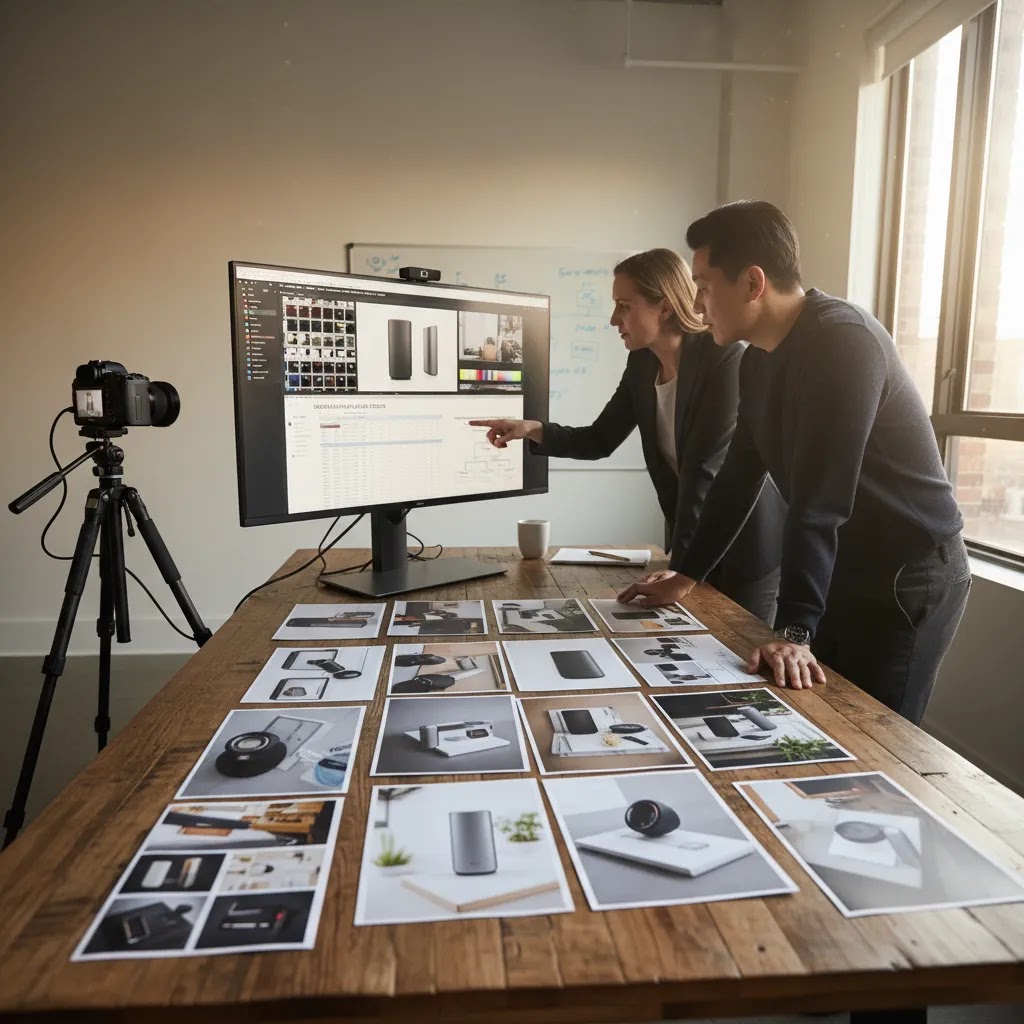
This approach is best for ecommerce operators who care most about speed, launch readiness, and cost control. That includes Amazon FBA sellers launching first products, Shopify merchants importing private-label goods, and lean teams that cannot wait for international sample shipping before building listings.
It is usually a better fit for hard goods, beauty accessories, home items, electronics accessories, and packaged products than for fashion-forward apparel. If your brand depends on premium creative direction, model photography, or highly differentiated visuals, China-based production may be only one part of the workflow rather than the full solution. For many stores, the strongest setup is base photography in China plus selective AI enhancement and local creative testing later.
How to Get Started
Start with one SKU, not your full catalog. Send a clear shot list covering Amazon main image, secondary angles, scale reference, packaging, and any infographic requirements. If you also sell on Shopify, request clean cutouts that can be reused across product pages and ads.
Next, confirm file delivery details before work begins. You want high-resolution originals, edited JPG or PNG exports, background-removed versions where relevant, and one revision round clearly defined. If the provider cannot explain their workflow in plain terms, that is a warning sign.
After delivery, refine where needed with AI tools rather than reshooting immediately. White background cleanup, background swaps, and simple resolution fixes can often bridge the gap between acceptable and publishable assets. Then upload a test set to Amazon and your store, monitor engagement, and only scale once you know the quality meets your brand standard. If you need broader inspiration across Catalog Photography or E Commerce Product Photography, review those category hubs next.
Frequently Asked Questions
What is product photography in China called?
Most providers simply describe it as product photography, Amazon listing photography, or ecommerce product photography. There is not one special industry term you need to search for. What matters more is whether the service covers Amazon-compliant white background images, infographic design, and lifestyle photos for your selling channels.
Is product photography in China good enough for Amazon FBA?
Yes, in many cases it can be, especially for simple consumer products and private-label launches. The key variable is provider quality and briefing clarity. For Amazon FBA, you need clean, accurate, compliant images first. If the images are technically solid, AI editing tools may help refine them for listing use without requiring a full reshoot.
Can I use China product photos on my Shopify store too?
Usually yes, but Amazon-style images alone are rarely enough for a strong Shopify product page. You will often want additional lifestyle scenes, close-up detail shots, and branded compositions. A practical approach is to use China-based images for launch, then upgrade selected pages later if a product proves demand.
What about clothing product photography in China?
Apparel is harder. Clothing product photography, especially t shirt product photography, depends on fit, fabric texture, folds, and styling. Flat lays and ghost mannequin work may be fine, but premium fashion imagery often benefits from a specialist team with stronger art direction and model coordination.
Are AI generated product photography tools enough on their own?
They can be useful, but they are not a complete replacement for real source images in most ecommerce workflows. AI generated product photography tools work best as enhancement layers, such as background changes, resolution cleanup, or contextual mockups. Accurate lighting, shape, and product details still depend heavily on your original photo quality.
How should I compare product photography cost between China and local studios?
Compare the full workflow, not just the quote. Include shipping, revisions, turnaround time, styling complexity, and whether the provider understands your sales channel requirements. A lower photo fee may not be cheaper if you spend extra time correcting files, requesting revisions, or commissioning a second shoot later.
What types of product photography should Amazon and Shopify sellers request?
At minimum, request a main white background image, multiple angles, close-up detail shots, packaging imagery, and one or two contextual images. Amazon sellers may also want infographics. Shopify stores generally benefit from more lifestyle and brand-oriented visuals because shoppers cannot rely on marketplace reviews and comparisons alone.
How much does product photography in China cost per photo?
It depends on the deliverable, not just the photo count. A simple white background image with light retouching is typically priced differently than a styled lifestyle shot or a designed infographic image, and pricing can also change based on volume and revision needs. If you want a realistic comparison, ask the provider to quote a small fixed bundle that matches your listing plan, then compare it against the total workflow cost you would pay locally.
Where can I find the best product photography services in China?
The most reliable path is usually to start where your operations already are: ask your manufacturer, sourcing agent, freight partner, or inspection team if they have studios they have used successfully for Amazon-style deliverables. Then validate quality with a paid 1-SKU test and a strict shot list, rather than committing to a full catalog immediately.
Can China studios create Amazon infographic images and listing graphics?
Many can, but you need to confirm exactly what they deliver. Some teams only provide the base photos, while others provide designed infographic images. If you need graphics, confirm whether they supply editable layered files as well as flattened exports, and make sure you provide the specific callouts and claims you want included so the design matches your listing strategy.
How do I hire a product photographer in China if I do not speak Chinese?
Look for a workflow that does not rely on real-time translation. Use a written shot list with reference images, define file specs clearly, and agree on a proofing and revision process before any shooting starts. Many sellers also reduce miscommunication by working through a sourcing agent or a managed service that can handle local coordination, while you focus on approving proofs and protecting your brand standards.
Key Takeaways
Conclusion
For many ecommerce sellers, product photography in China is worth considering because it can speed up launches and simplify coordination with factories and sourcing partners. It is usually strongest for practical, conversion-focused asset creation rather than high-concept brand photography. If you sell straightforward products and need Amazon-ready or early Shopify visuals, this route may be a very sensible choice. If your store depends on premium storytelling, advanced apparel styling, or distinctive creative direction, treat China-based photography as a starting point, not the final answer. The most practical next step is to test one product, define your shot list carefully, and decide whether a studio-only, AI-assisted, or hybrid workflow gives your store the best balance of speed, quality, and control.
AcquireConvert may receive affiliate compensation from some third-party links referenced in our content, where applicable. We evaluate tools and workflows from an ecommerce performance perspective, but results are not guaranteed. Image quality, conversion impact, and launch outcomes vary based on your product type, source files, niche, implementation quality, and sales channel requirements.
Hi, I'm Giles Thomas.
Founder of AcquireConvert, the place where ecommerce entrepreneurs & marketers go to learn growth. I'm also the founder of Shopify agency Whole Design Studios.