Product Photography in Dallas Rates and Studios (2026)

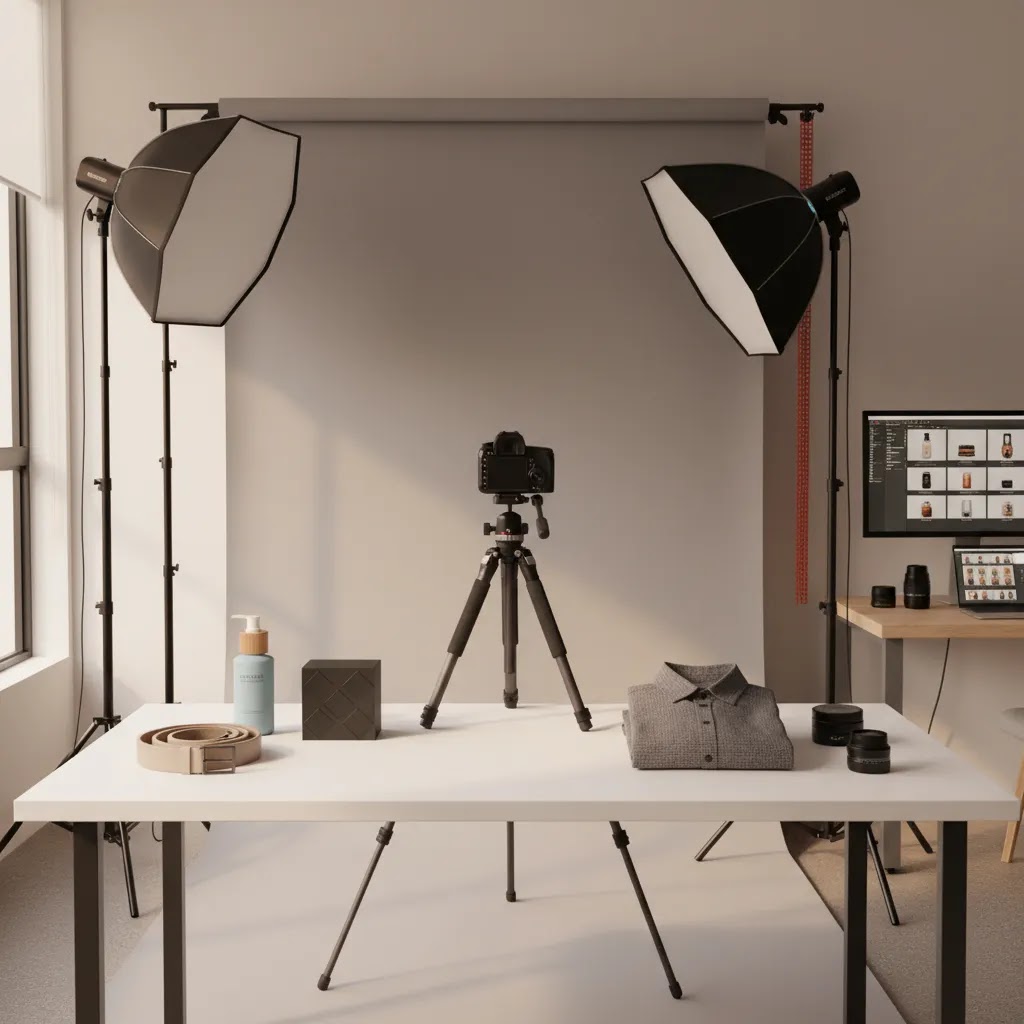
If you are searching for product photography dallas services, you are usually close to a buying decision. You need clean images that fit your product pages, marketplaces, ads, and email campaigns, and you need to know whether a local studio, freelance shooter, or AI-assisted workflow is the better fit. For most ecommerce brands, Dallas is a practical market with enough studio choice to support packshots, cosmetics, apparel, and lifestyle content, but pricing and output quality can vary widely. Our view at AcquireConvert is simple: use a Dallas studio when hands-on styling, physical handling, or complex lighting matters most. Consider AI support for speed, background edits, and content expansion after the main shoot. If you also need a broader setup benchmark, our product photography studio guide is a useful starting point.
Contents
Overview
Dallas is a strong market for ecommerce product photography because it gives growing brands access to commercial studios, independent shooters, stylists, and retouchers without the pricing pressure you often see in larger coastal markets. If you sell on Shopify, Amazon, Etsy, or wholesale catalogs, the local decision usually comes down to one question: do you need custom physical production, or do you mainly need polished outputs fast?
That distinction matters. A studio is often the better choice for reflective items, textured materials, apparel on models, cosmetics, food, and products that need careful handling. A lighter workflow may be enough for simple packshot product photography or post-production tasks such as swapping backgrounds, sharpening images, or creating extra variants for campaigns.
For store owners comparing service options, it helps to separate capture from editing. You may hire a local product photographer for the base images, then use AI tools to create additional ad-ready versions. That hybrid model is becoming more common for lean teams. AcquireConvert evaluates these decisions through practical ecommerce use, informed by Giles Thomas's experience as a Shopify Partner and Google Expert, with an emphasis on conversion-focused visuals rather than purely artistic output.
If you are still comparing formats, our broader Catalog Photography resources can help you decide what type of image library you actually need before requesting Dallas quotes.
What Dallas Studios Usually Offer
Most Dallas product photography providers sell a mix of four deliverables: white background product shots, styled ecommerce imagery, lifestyle scenes, and post-production. For Shopify merchants, the most useful packages are usually the least glamorous ones, because they cover the assets you need every week: main product images, variant shots, detail close-ups, and marketplace-compliant files.
For basic catalog work, ask whether the studio can produce consistent white background images across your full SKU range. That matters more than a flashy portfolio if you are trying to keep your collection pages clean. If your brand relies on stronger creative direction, ask for styled flat lays, on-model apparel, or environmental setups. Beauty brands should also ask about texture shots, swatch imagery, and clean close-up lighting. If that is your niche, the cross-over with ai makeup generator workflows can be useful later for campaign variations, but not as a replacement for every hero image.
Another common add-on is rotation or motion content. If you need product photography turntable output, 360-degree sets, or early-stage 3d virtual product photography assets, confirm this before booking. Many photographers list ecommerce photography but do not actually specialize in rotational capture or spin-ready sequencing.
Post-production is where hybrid workflows become attractive. A local shoot may give you the physical accuracy you need, while AI tools can expand the library afterward. From the product data available, ProductAI offers several editing and generation options that can support this stage, including AI Background Generator, Free White Background Generator, Increase Image Resolution, Remove Text From Images, Background Swap Editor, Place in Hands, Magic Photo Editor, and Creator Studio. The product data provided includes URLs, but no current pricing or ratings, so treat these as workflow options rather than fully rated studio substitutes. If you are comparing mobile-first editing options, our review of photoroom may also help.
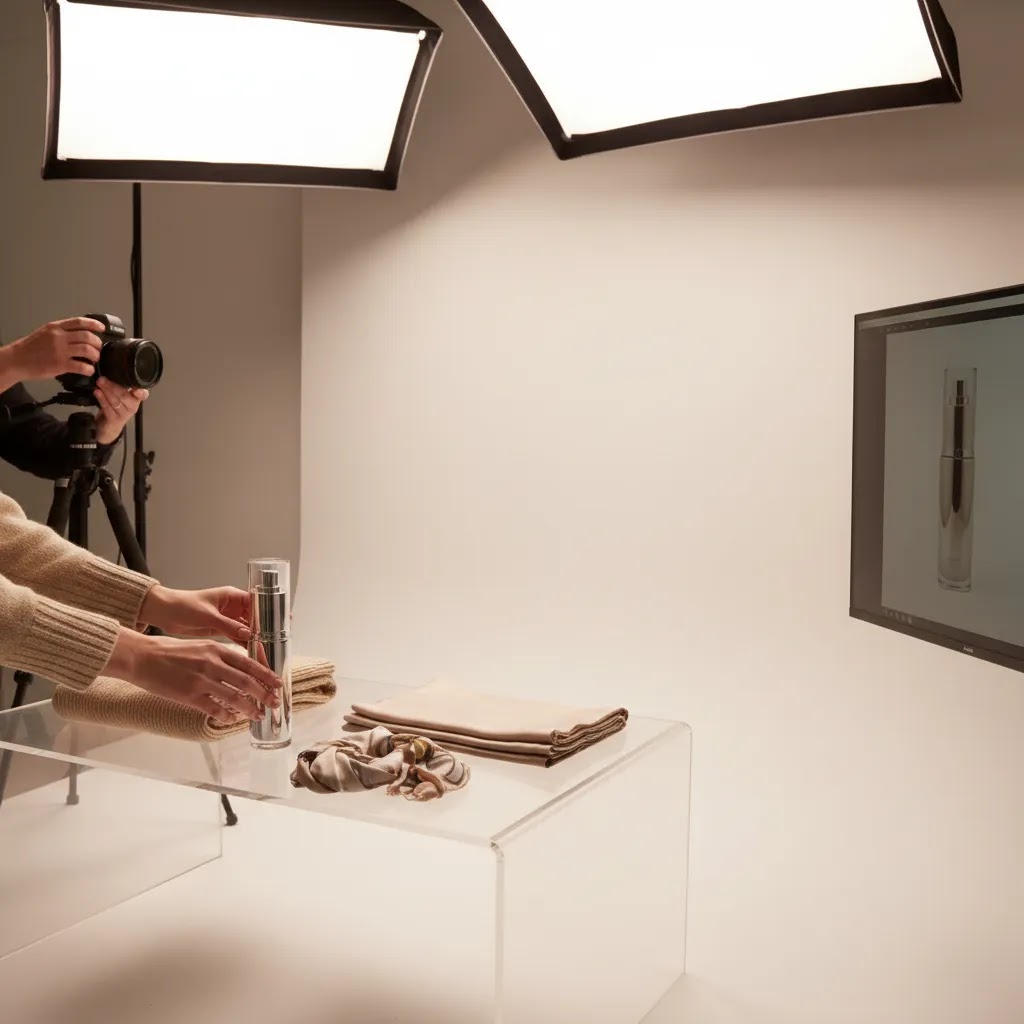
How to Choose Between a Studio, Freelancer, or Branding Photographer
Here is the thing: a lot of Dallas providers position themselves as “branding” or “strategic” photographers, and that can be exactly what you need. It can also be the wrong spend if your immediate problem is simply that your Shopify product pages do not have clean, consistent images across SKUs.
From a practical standpoint, choose based on where the images will do the most work for you:
Now, when it comes to picking the provider type, think of it this way:
What many store owners overlook is that “ecommerce proof” matters more than a beautiful portfolio. Before you book, ask questions that force operational clarity:
The reality is that a “branding” shoot can be a great investment, but it should be intentional. If your product pages are missing core assets, start there, then layer branding content on top once your catalog foundation is solid.
Pricing and Costs
Local studio pricing in Dallas is not standardized, which is exactly why store owners get caught out. You may see quote structures based on day rate, half-day rate, per image, per SKU, per setup, or editing time. That makes direct comparison difficult unless you request the same deliverables from each provider.
For ecommerce brands, the real cost is rarely just the shoot. You also need to account for prep time, shipping inventory, steaming or cleaning products, retouching, prop sourcing, model fees if relevant, and revision rounds. A low quote can become expensive if every extra angle or background change is charged separately.
If you are comparing Dallas studio work to AI-assisted alternatives, the current product data available to us shows these ProductAI tools as live options, but no pricing data was returned for them: AI Background Generator, Free White Background Generator, Increase Image Resolution, Remove Text From Images, Background Swap Editor, Place in Hands, Magic Photo Editor, and Creator Studio. That means we cannot responsibly publish a dollar comparison for those tools here.
The practical takeaway is this: use a local studio budget for original asset capture, especially if your products need tactile realism. Use AI editing selectively where it lowers repeat production costs, such as background cleanup, white background conversion, or resizing existing assets. If you are considering outsourced help more broadly, see our Product Photography Services category for adjacent options.
Pricing Benchmarks: How Dallas Photographers Quote (and How to Compare Apples to Apples)
What many store owners overlook is that two quotes can look similar and still represent totally different deliverables. Dallas photographers and studios commonly quote in a few different ways, and each model can be fair if you understand what is included.
Here are the most common quote structures you will see, and what to clarify so you can compare providers cleanly:
Consider this: the biggest differences usually show up in what is included or excluded, not in the headline rate. When you request quotes, standardize your brief so each provider is pricing the same thing. Your quote request checklist should cover:
The way this works in practice is that you also want guardrails for surprise costs. Ask explicitly about props, steaming, model or hand talent, rush fees, reshoots, and product shipping and handling time. Those line items are not “bad,” but if you do not surface them up front, your budget can drift fast.
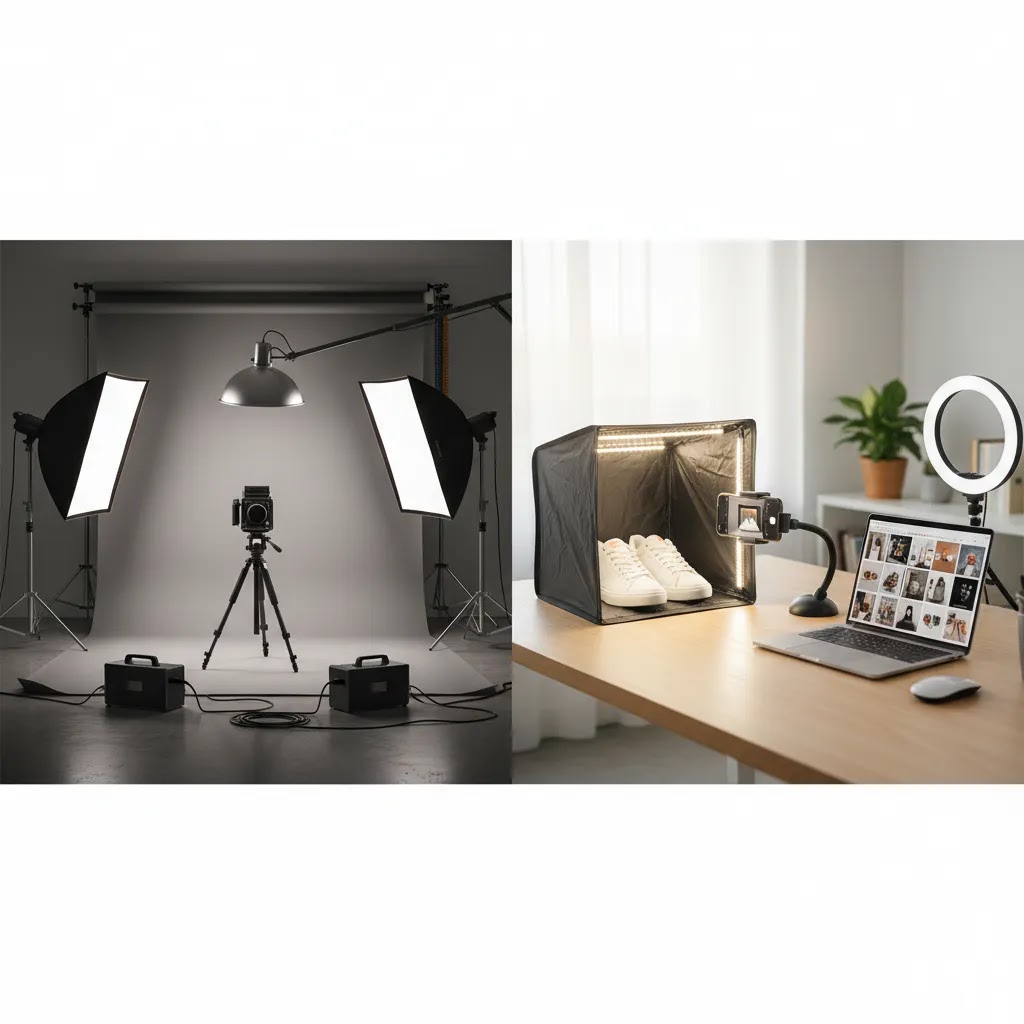
Trust and Credibility
Trust matters more in product photography than many store owners expect. A weak provider can waste inventory handling time, miss brand guidelines, or deliver files that create extra work for your team. Before committing to a Dallas studio, ask to see ecommerce-specific examples, not just general commercial photography. You want evidence of consistent angles, accurate color, clean clipping paths, and image sets designed for online conversion.
It also helps to ask operational questions. How are products tracked on arrival? Who handles retouching? What is the revision policy? Are they comfortable naming output dimensions for Shopify product pages, social ads, marketplaces, and email banners? These details tell you whether the studio understands ecommerce production or simply shoots attractive images.
AcquireConvert approaches this from the perspective of merchants who need assets that can move into a live selling workflow. Giles Thomas's Shopify Partner background is especially relevant here because image quality is not just a branding issue. It affects page speed decisions, product page trust, ad creative testing, and conversion rate optimization. If you are still deciding whether AI belongs in your visual workflow at all, our introduction to ai photography is a practical next read.
Pros and Cons
Strengths
Considerations
Who This Approach Is Best For
Dallas product photography services are best for ecommerce brands that need physical accuracy, repeatable quality, and a more controlled workflow than a DIY setup can provide. That includes Shopify stores with growing SKU counts, beauty brands needing close-up texture work, apparel merchants that need on-model or flat lay consistency, and Etsy sellers ready to move beyond phone-only imagery.
This approach also fits teams that want a split workflow: capture locally, then use AI editing to extend assets for ads, landing pages, and seasonal campaigns. If you only need occasional simple white background images, a DIY or lighter editing route may be enough. If you need strong hero shots that support paid traffic and higher-value product pages, local studio work is easier to justify.
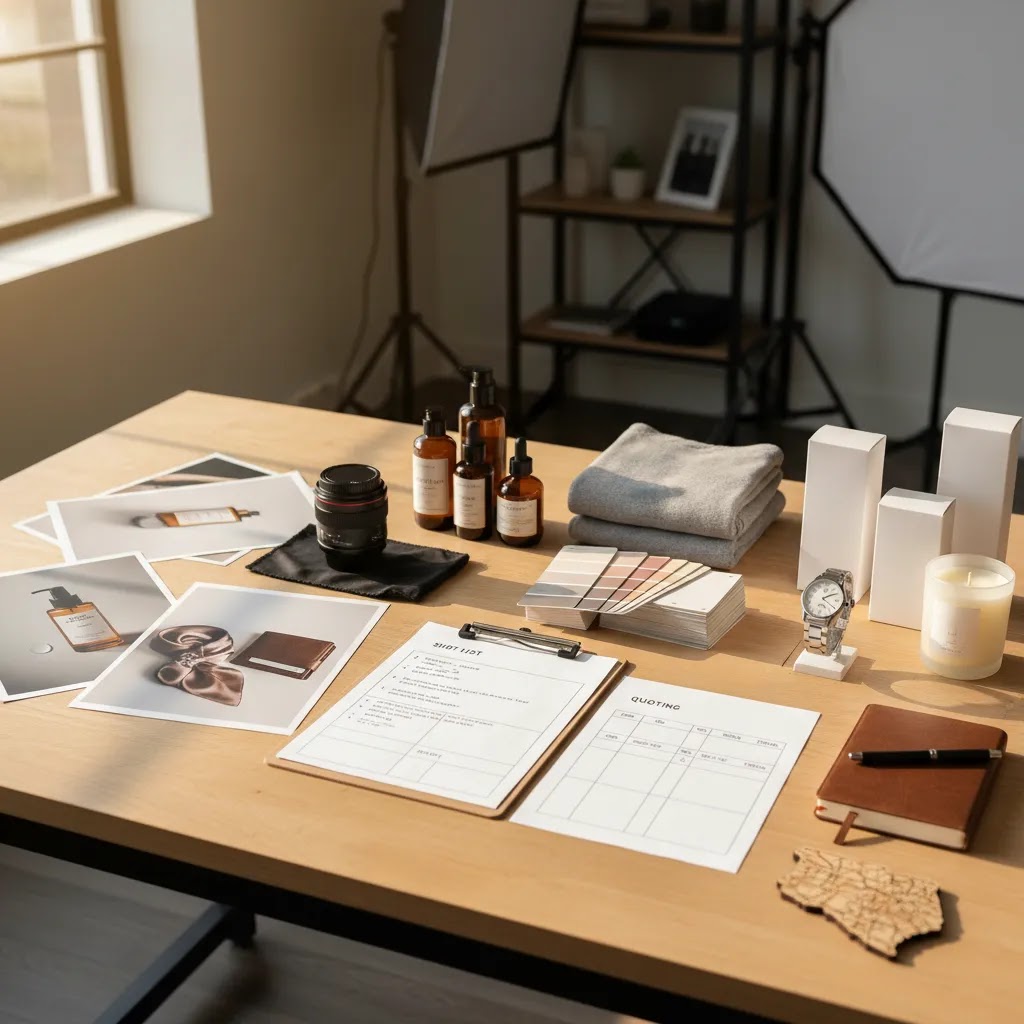
What Many Store Owners Overlook: Shot Lists for Common Dallas Categories
A Dallas photographer can only shoot what you ask for, and most stores under-brief. The result is a folder of nice images that still does not answer common shopper questions. A tighter shot list usually improves usefulness across Shopify product pages, ads, and marketplaces, and in many cases can reduce back-and-forth with customers because details are shown clearly.
Cosmetics and beauty
For product photography cosmetics work, your baseline packshot still matters, but shoppers often buy based on texture, finish, and shade accuracy. A practical shot list usually includes a clean front-facing hero, label close-up, macro texture, and at least one “use context” frame if the product is applied or dispensed.
AI editing can be helpful here for background cleanup, resizing, and generating extra campaign formats from approved hero images. Be cautious using generative changes on texture, swatches, or shade representation. Small shifts can make a product look different than it is, which is the last thing you want for returns and trust.
Apparel and accessories
For product photography apparel, decide early whether the core presentation is flat lay, on-model, or mannequin, then keep it consistent. Most Shopify apparel stores benefit from a front, back, and key detail set (fabric texture, closures, pockets, tags), plus a scale cue shot if fit is a frequent question. If you run paid social, one or two lifestyle frames can do a lot of work, but your PDP set still needs to be repeatable across sizes and colors.
AI can support background removal and standardized crops for collection pages. It tends to struggle more around fine edges, hair, and delicate fabrics. Always review output before publishing, and avoid edits that change drape, texture, or color in a way that could mislead.
Electronics, gadgets, and reflective products
Electronics are where lighting control and handling experience matter most. A useful shot list often includes three-quarter hero, back panel, ports and buttons close-ups, scale reference (in hand or next to a common object), and any accessory or “what is included” layout shot. If screens are part of the product, ask how the studio handles screen reflections and whether they do screen comps in post.
AI tools can help with straightening, background consistency, and resizing. Reflective surfaces, glass, and glossy plastics are also where AI-generated edits can look wrong quickly, especially around highlights and edge realism, so keep the capture strong and use AI selectively.
How to Get Started
Start by listing the exact assets you need, not just the number of products. Break the request into hero image, alternate angle, detail shot, white background version, lifestyle version, and any marketplace requirements. That will make Dallas quotes more comparable and reduce scope creep later.
Next, shortlist two to four local providers and send the same brief to each. Include your product category, sample SKU count, target usage, desired turnaround, and editing expectations. Ask whether they support cosmetics, apparel, book product photography, or turntable work if those apply to your catalog.
Before signing, request a test batch or ask to pay for a small pilot set. That is usually the fastest way to assess consistency. After the shoot, decide which images should stay fully photographic and which can be extended with AI-based cleanup or background changes. For brands with internal teams, this often becomes the most efficient long-term model.
Frequently Asked Questions
How much does product photography in Dallas usually cost?
There is no single Dallas rate card. Studios may charge by day, half-day, image, SKU, or setup. Your final cost usually depends on complexity, retouching, styling, and whether you need models or props. Ask for quotes based on the same deliverables so you can compare providers fairly.
Is a Dallas studio better than DIY product photography?
A studio is usually better when your products need controlled lighting, advanced styling, accurate texture, or consistent multi-SKU output. DIY can work for very small catalogs, simple Etsy product lines, or testing phases. Once image quality starts affecting trust or ad performance, professional capture often becomes more worthwhile.
Can AI replace a local product photographer?
Not fully in most cases. AI can help with background changes, white background conversion, upscaling, and creative variants. It is less reliable as a full replacement when products need realistic lighting, exact material representation, or category-specific detail. Most brands get better results from combining professional base images with selective AI editing.
What should Shopify merchants ask a Dallas photographer before booking?
Ask about ecommerce experience, image consistency across SKUs, retouching workflow, revision limits, file naming, output dimensions, turnaround time, and inventory handling. If you sell apparel or cosmetics, request examples from those categories. You want a partner who understands conversion-focused asset production, not just general photography.
How much should I pay a photographer for a product shoot?
It depends on how your shoot is scoped and quoted. A simple shoot with a small SKU count and minimal retouching may be priced per image or per SKU, while lifestyle sets or high-volume days are often priced as half-day or day rates plus editing. The best approach is to standardize your deliverables, then compare quotes based on the effective cost per usable final image for your Shopify product pages and ads.
How much does a product photo shoot cost?
Most of the total cost comes from the full production, not just camera time. Prep and styling, retouching level, props, models or hand talent, rush timelines, and revisions can all change the final number. To avoid surprises, ask each provider to list what is included, what is optional, and what triggers extra fees, then align that to your shot list.
What is the 20 60 20 rule in photography?
The “20 60 20” rule is often used as a planning guideline for image mix: roughly 20% hero or signature images, 60% core catalog coverage (the repeatable angles you need for every SKU), and 20% experimental or campaign content for ads and brand storytelling. For ecommerce, that usually translates to building a consistent Shopify-ready base first, then adding lifestyle and creative variations once the essentials are covered.
Are white background images still important for ecommerce?
Yes. They are still useful for collection pages, marketplaces, comparison shopping, and clean product page layouts. Even brands with strong lifestyle imagery usually still need a white background library. It gives you a flexible baseline for merchandising, ads, and channel-specific image requirements.
Is product photography in Dallas suitable for smaller Etsy sellers?
It can be, but only if the image quality gap is clearly holding your store back or your products are difficult to shoot well at home. Many small sellers start with a limited professional batch for their bestsellers, then decide whether a broader shoot makes financial sense after testing the updated listings.
Key Takeaways
Conclusion
Product photography dallas searches often lead to the same final decision: do you need a local production partner, or do you mainly need a faster image workflow? If your catalog depends on physical realism, careful handling, or category-specific styling, a Dallas studio or freelance specialist is usually the right investment. If you already have decent source images, AI editing may help you extend that content more efficiently. For many ecommerce brands, the strongest option is a hybrid model that combines professional capture with selective AI enhancement. Start with a small paid test, compare outputs against your Shopify product page needs, and build from there. That keeps your spending grounded in real store performance instead of portfolio promises.
Disclosure: AcquireConvert may receive affiliate compensation from some third-party tool links referenced in our content, where applicable. We have not published any invented studio pricing or tool costs in this article. Product photography outcomes and ecommerce performance vary based on your niche, source images, traffic, creative quality, and implementation. No results are guaranteed.
Hi, I'm Giles Thomas.
Founder of AcquireConvert, the place where ecommerce entrepreneurs & marketers go to learn growth. I'm also the founder of Shopify agency Whole Design Studios.