Product Photography Dubai: Studios and Costs (2026)

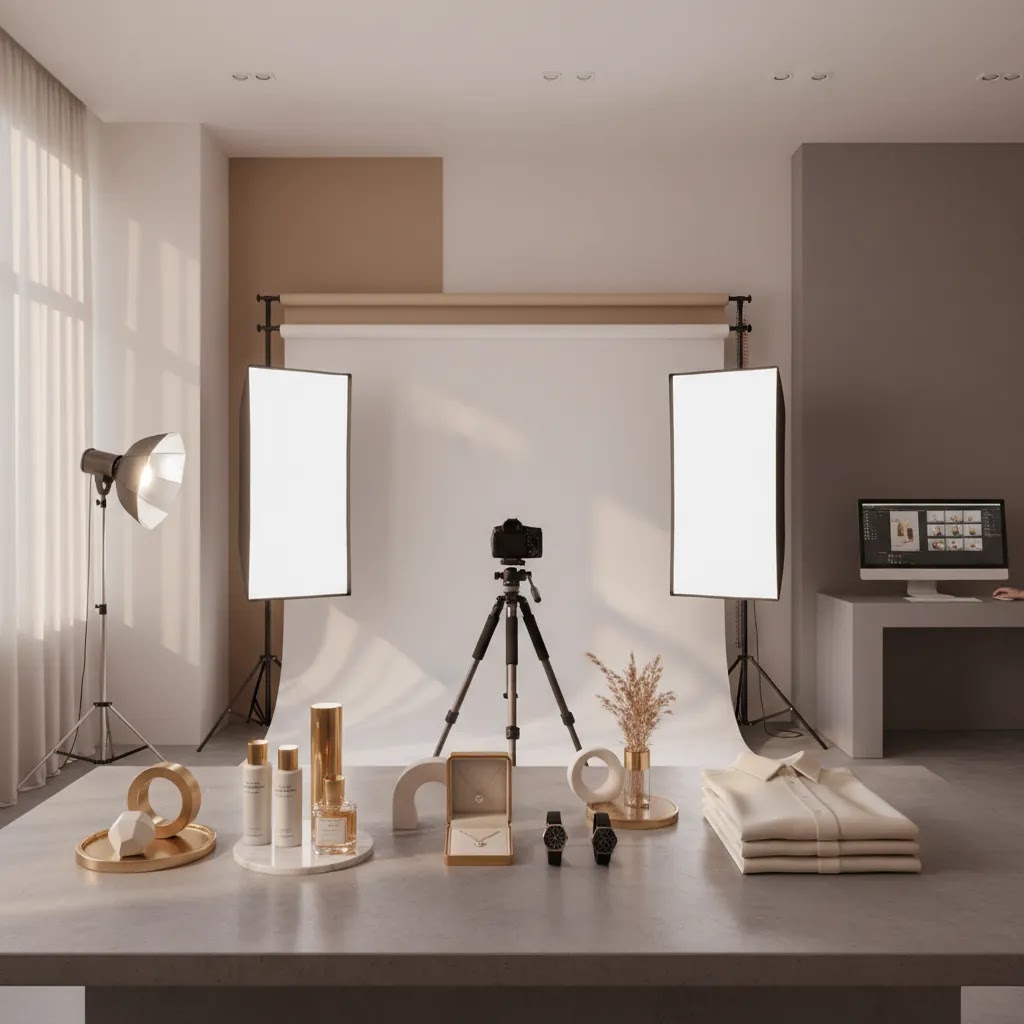
If you are searching for product photography Dubai services, you are usually close to a buying decision. You need clear images for Shopify, Amazon, social ads, or wholesale catalogs, and you need to know what the real cost looks like before you commit. The short answer is that Dubai brands now have two practical paths: hire a local studio for custom shoots, or use AI-led product image tools for faster, lower-volume creative production. For ecommerce teams that need tactile styling, luxury positioning, or model-based scenes, a studio still makes sense. For brands that want quicker iteration on backgrounds, white-background edits, and campaign variations, AI can be a strong second option. This guide helps you compare studios, costs, and AI tools with a practical ecommerce lens.
Contents
Overview
Product photography in Dubai covers a wide range of needs, from simple white-background catalog shots to styled ecommerce campaigns, 360 spins, and 3D product photography dubai projects for premium brands. For most store owners, the decision is less about finding a photographer and more about choosing the right production model.
A local product photography studio is usually the better fit when you need physical handling, custom lighting, reflective-surface control, lifestyle sets, or region-specific brand presentation. This matters for jewelry, cosmetics, fashion, food, and luxury packaging where material detail can affect conversion rate and return rates.
AI tools are increasingly part of the same workflow. The current product data available to AcquireConvert includes ProductAI tools such as AI Background Generator, Free White Background Generator, Increase Image Resolution, Remove Text From Images, Background Swap Editor, Place in Hands, Magic Photo Editor, and Creator Studio. These are not Dubai studios, but they are relevant if you want to reduce reshoot costs, produce ad variations faster, or prepare marketplace-ready image sets after a shoot.
At AcquireConvert, we assess these options from a merchant perspective. Giles Thomas brings Shopify Partner and Google Expert credentials to that evaluation, which matters if your images need to perform across collection pages, product pages, Google Shopping feeds, and paid social creative.
Pricing and Costs
If you are comparing product photography pricing dubai providers, expect the final quote to depend on volume, complexity, turnaround time, image usage, styling requirements, and whether retouching is included. A basic ecommerce product photography dubai shoot is often priced per SKU, per finished image, or by half-day or full-day studio session. In most cases, ghost mannequin work, food styling, on-model photography, 360 product photography dubai, and 3d product photography dubai services cost more than simple catalog shots.
For BOFU decision-making, the key point is this: studio cost is not only the day rate. You may also pay for prep, sample handling, steaming, art direction, advanced retouching, prop sourcing, and revisions. If your catalog changes often, those costs can stack up quickly.
The product data queried for this article does not provide public pricing tiers for the listed ProductAI tools, so we cannot state fixed subscription prices here. What we can confirm is the currently available tool set and their live URLs: AI Background Generator, Free White Background Generator, Increase Image Resolution, Remove Text From Images, Background Swap Editor, Place in Hands, Magic Photo Editor, and Creator Studio. If you want a lower-cost way to produce variants from existing images, these types of tools may reduce the number of full reshoots you need.
For many merchants, the most practical mix is studio-first for hero images and AI for post-production variations. That is often more efficient than using one method for everything.
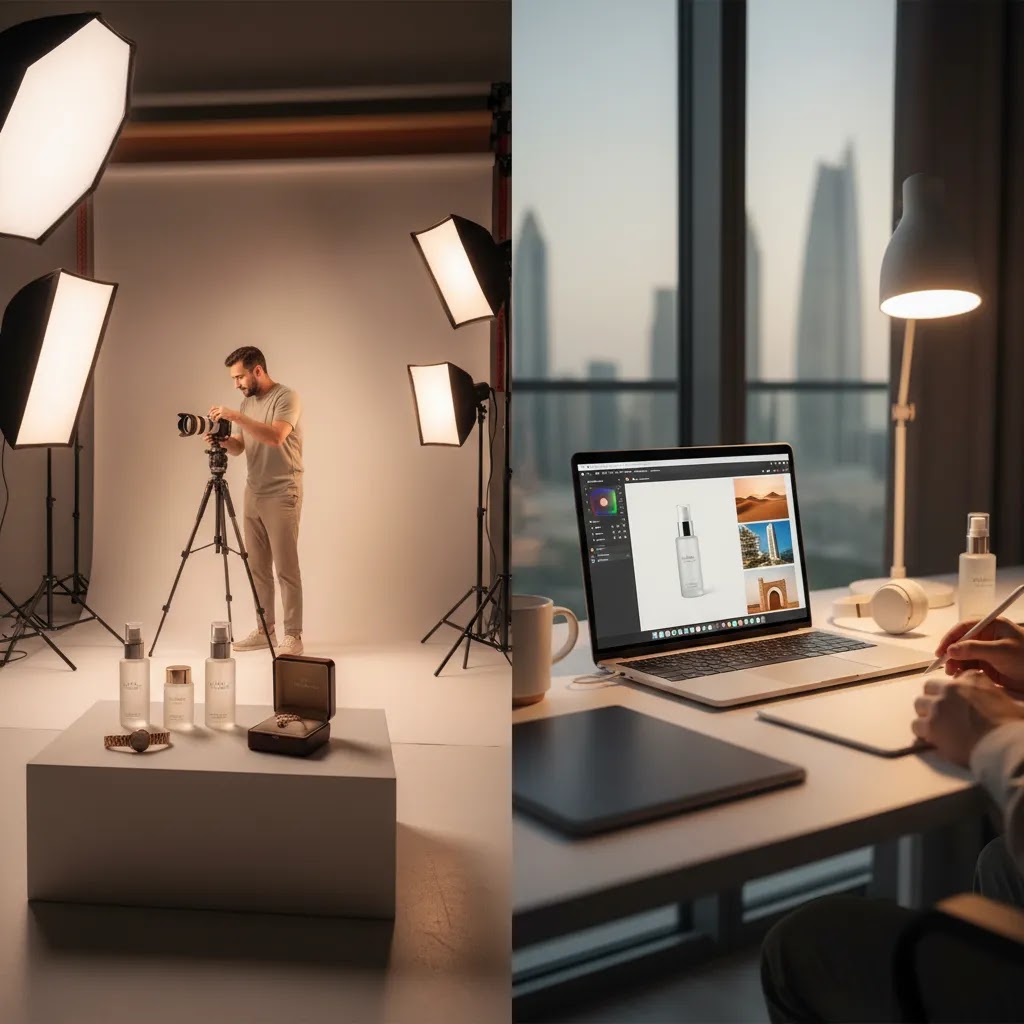
Product Photography Dubai Pricing: What Actually Changes the Quote
Here's the thing: two Dubai studios can both say they do "ecommerce product photography" and still quote very different numbers because they are pricing different deliverables. Before you compare options, it helps to understand the common pricing models and the line items that usually sit outside the headline rate.
In Dubai, you will typically see four pricing approaches:
What many store owners overlook is the "hidden" cost drivers that can change a quote after you start. Common ones include retouching tiers (basic cleanup versus advanced composite work), prop and styling fees, product prep (steaming apparel, polishing metals, removing dust and fingerprints), rush delivery, additional angles, and revision rounds. Usage scope can also matter in some cases, especially if the studio is treating the shoot more like advertising creative rather than standard ecommerce deliverables.
From a practical standpoint, ask for a quote that spells out what you actually get so you can compare packages apples-to-apples. A simple checklist that usually prevents surprises is:
Once you have that detail, you can decide where a studio quote is genuinely higher because the output is higher, versus higher because the scope is unclear. It also makes it easier to plan where AI editing tools might fit after the shoot, for example creating extra background variants without paying for another round of studio time.
Trust and Credibility
Trust matters more in product photography than many merchants expect. A poor photography partner can delay launches, create inconsistent image sets, or deliver files that do not match your Shopify theme layout, Amazon requirements, or ad creative specs. Before you choose a Dubai studio, ask to see work for products similar to yours, not just a polished portfolio with unrelated categories.
Check whether the studio can provide consistent ratios, naming conventions, clean cutouts, and retouching standards across your whole catalog. If you sell on multiple channels, confirm they understand ecommerce requirements, not just editorial photography. This is particularly important for amazon product photography in dubai, where image compliance can affect listing quality.
On the AI side, trust means something different. You want to know what the tool actually does well. Based on the live product list, these ProductAI tools focus on practical image generation and editing tasks, such as background generation, white background cleanup, resolution enhancement, text removal, and scene editing. That makes them credible as workflow tools, even if they do not replace a full physical studio shoot for every product type.
If you are still comparing options, our guides on product photographer selection and broader e commerce product photography strategy can help you pressure-test providers before you commit.
Dubai Product Photography Niches: Food, Jewelry, and Luxury Packaging (What to Look For)
Dubai studios often position themselves by niche for a reason. Food, jewelry, and luxury packaging tend to be the categories where "good" photography is not good enough. Small technical misses can make products look cheaper than they are, or create customer expectations your product cannot meet.
For food photography, look for proof that the studio can control freshness and styling, not just lighting. In practice that means food styling capability, a workflow for keeping items camera-ready (heat, melt, condensation, wilting), and consistent color across a set. Ask to see complete sets across multiple dishes or SKUs, not a single hero image. You are checking whether sauces, garnish, and textures stay believable from image to image, and whether labels and packaging remain readable.
For jewelry, the key evaluation point is reflection and micro-detail control. Jewelry work typically needs macro-capable shooting, careful light shaping, and retouching that cleans without flattening metal texture. The common failure mode is harsh specular highlights on metal, messy reflections, or stones that lose definition. Ask to see multiple angles of the same product, including close-up details, and confirm the studio can keep metal tones consistent across SKUs. That is also why jewelry often costs more to shoot than simple products, it takes longer to perfect.
For luxury packaging, the decision driver is material fidelity. You want accurate color, clean edges, and a realistic render of finish, for example matte versus gloss, embossing, foil, or soft-touch coatings. Color shifts and blown highlights are common problems here, especially when packaging is reflective or has metallic elements. A solid studio workflow usually includes calibrated color correction and retouching that protects typography readability, because small type on labels and boxes can break trust fast on a Shopify product page.
Consider this when reviewing portfolios: ask for full product sets that match how you sell, meaning consistent lighting, consistent angles, and consistent cropping rules. A beautiful single image is not the same as a catalog that looks cohesive across a collection page, a Google Shopping feed, and marketplace thumbnails.
Key Features
Whether you hire a studio or add AI to your workflow, the right choice comes down to features that affect selling performance, not just aesthetics.
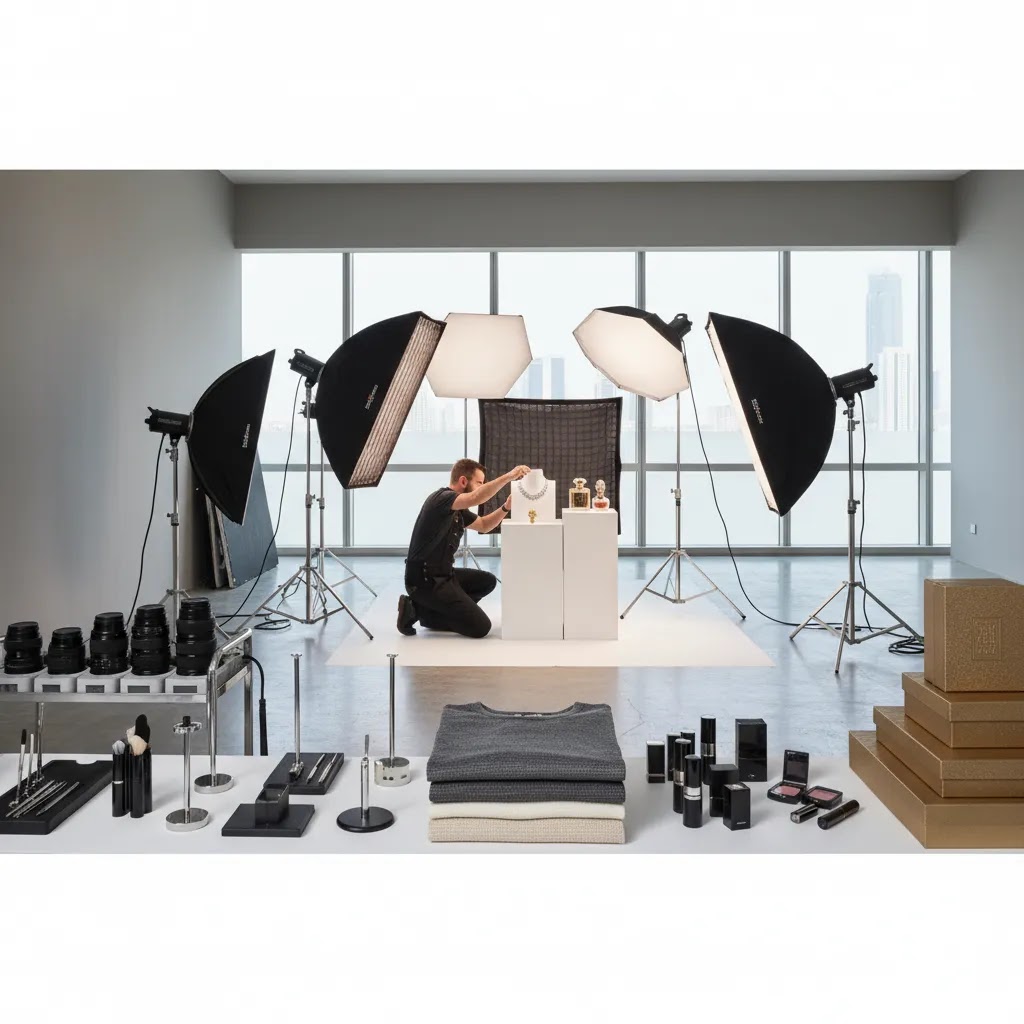
Studio-based product photography in Dubai is strongest when you need true-to-product detail, controlled lighting, physical styling, and premium brand consistency. This is usually the right route for luxury goods, cosmetics, textured fabrics, glass, metals, and products that need regionalized campaign art direction. It also suits brands that need ecommerce product photography in dubai plus marketplace assets and social campaign images in one project.
AI-supported workflows are strongest when you need speed and variation. From the live product data, here is what stands out:
This is where AI becomes commercially useful rather than just interesting. If your store team needs faster creative testing, these tools can support collection page refreshes, paid ad variants, and marketplace compliance work. If you are exploring this route, our article on ai photography gives a broader framework, and our review of photoroom is useful if you are comparing editing-first workflows.
For beauty sellers, there is also a strong overlap between product imagery and visual try-on style creative, which is why a related cross-hub resource on ai makeup generator workflows may be relevant.
Common Dubai Studio Shot Types (White Background, Ghost Mannequin, 360, 3D) and When You Need Each
Now, when it comes to hiring a product photography studio dubai teams usually get better results when they choose deliverables based on channel requirements. "We need product photos" is not a shot list. Here are the most common shot types studios offer, and where each one tends to matter in ecommerce.
White background ecommerce images are the baseline for most catalogs. They are designed for consistency across collection pages, marketplaces, and Google Shopping style placements. If you sell on Amazon, the main image requirement often pushes you toward a clean white background with tight, compliant cropping. For Shopify, white background sets are often what makes your collection pages look trustworthy and easy to scan.
Ghost mannequin photography is a common need for fashion and apparel because it shows shape and fit without an actual model in frame. It usually involves compositing, for example a front shot plus an inside-neck shot, so expect it to cost more than standard flat lays. The value is that it can reduce confusion about structure, especially for jackets, dresses, and tops where the inside and neckline detail affects perceived quality.
Lifestyle and styled sets are used when your product needs context to sell, for example gifting, luxury, beauty, and food. These images often do the heavy lifting in paid social and on landing pages. The tradeoff is more time on styling and art direction, and that can push costs up quickly if your shot list is not controlled.
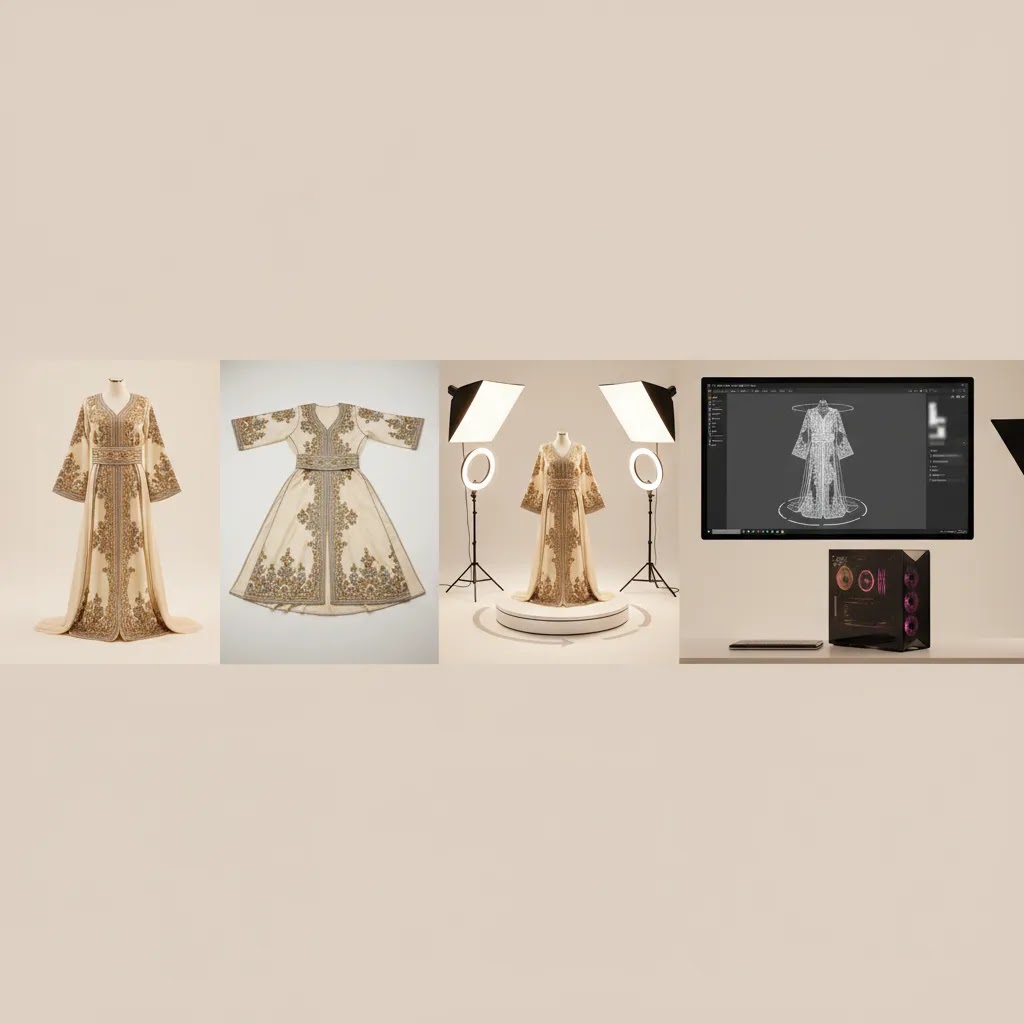
360 spin photography and 3D outputs sit in a different tier. 360 product photography dubai deliverables are usually a sequence of images used by a viewer on your product page, while 3d product photography dubai projects often involve models and renders that can be reused across angles and scenes. Both can improve product understanding for some categories, but they require tighter planning, consistent turntable setup, and more post-production. They are typically most justified for higher-margin products or when reducing pre-purchase uncertainty is a big lever.
Think of it this way: your category and your channels should drive the shot type. Food tends to need styling and controlled freshness. Jewelry tends to need macro detail and reflection control. Fashion tends to need ghost mannequin or on-model work. For a Shopify product detail page, a typical set is a clean hero plus a few angles plus key details. For ads, you may prioritize lifestyle and context. For marketplaces, you prioritize compliance and clarity.
What also affects your quote is catalog consistency. If you want a cohesive store, you need standard rules, including angles per SKU, consistent crop and padding, and a consistent aspect ratio. Many studios will charge more for reflective items (jewelry, glass, glossy packaging) and complex styling because the setup time is longer and retouching is less predictable. That extra cost can be worth it when consistency across a collection page is part of your brand credibility.
Pros and Cons
Strengths
Considerations
Who It's Best For
This route is best for ecommerce brands that are close to launch, rebranding, expanding to marketplaces, or upgrading low-performing product pages. If you sell premium consumer goods, cosmetics, apparel, electronics accessories, or gifting products, professional photography usually has a direct effect on perceived trust and product understanding.
A Dubai studio is the better fit if you need custom art direction, local sample handling, or large-batch consistency. AI tools are the better fit if your team already has usable source images and wants to scale variations without booking repeated shoots. Smaller Shopify merchants with limited time may get the best return by starting with a focused studio shoot and then using AI editing tools selectively.
How to Get Started
Start with your sales channels, not your mood board. List where the images need to appear: Shopify product pages, collection pages, Amazon listings, Meta ads, email campaigns, or wholesale line sheets. That tells you what image types you actually need.
If you want a broader starting point, browse our catalog photography resources first. That will help you brief a studio more clearly and avoid paying for image types you do not need.
Frequently Asked Questions
How much does product photography cost in Dubai?
It varies by SKU count, styling complexity, retouching depth, and output type. Basic catalog photography is usually priced differently from lifestyle, model, 360, or 3D work. Always ask whether the quote includes editing, revisions, file exports, and usage terms, because those extras can materially change total cost.
Is a local Dubai studio better than using AI tools?
It depends on the job. A local studio is better for physical styling, accurate material rendering, and premium branded scenes. AI tools are better for extending existing image sets, changing backgrounds, and producing more variations quickly. Many ecommerce brands get the best result from using both rather than choosing one exclusively.
Can AI replace t shirt product photography ai workflows completely?
Not in every case. AI can help with background creation, mockup-style scenes, and variation testing, but real garments often still benefit from accurate fabric texture, drape, stitching detail, and fit representation. For apparel, AI is often most useful as a supplement to strong original photography rather than a total replacement.
Are ProductAI tools suitable for ecommerce image workflows?
Based on the live product list, yes for several practical tasks. The available tools cover background generation, white background cleanup, resolution enhancement, text removal, scene editing, and contextual presentation. That makes them relevant for merchants who need faster content production, especially after an initial studio shoot.
What should I ask a product photography studio in Dubai before booking?
Ask about experience with your product category, file delivery specs, retouching standards, revision policy, turnaround time, and whether they understand Shopify and marketplace image requirements. Also ask to see complete image sets, not just selected portfolio highlights, so you can judge consistency across multiple SKUs.
Is 360 product photography Dubai worth it for Shopify stores?
It can be, especially for products where shape, detail, or construction affects buying confidence. Furniture, footwear, accessories, and premium packaging can benefit. The tradeoff is higher production cost and more technical implementation work, so it usually makes more sense for higher-margin products or stores with strong traffic volume.
Can these images help with Amazon product photography in Dubai?
Yes, but only if the final assets match Amazon image requirements. White-background primary images, clear cropping, and compliant presentation matter. A studio may be better for core listing images, while AI tools can help with cleanup and secondary creative. Results will vary based on the category and how strict marketplace requirements are.
How much is product photography in Dubai?
Most Dubai studios price product photography based on a mix of volume and complexity, so the cost can range widely. The most reliable way to estimate your spend is to define your SKU count, the number of angles per SKU, whether you need white background only or lifestyle sets, and the retouching level. Then request quotes that itemize editing, props or styling, revisions, and delivery timeline so you can compare total project cost rather than a single headline number.
How much should I pay a photographer for a product shoot?
You are usually paying for more than the time behind the camera. For ecommerce, what matters is the final usable output: consistent angles, clean backgrounds, accurate color, and files exported in the specs you need for Shopify, marketplaces, and ads. A fair price is one that clearly includes the deliverables you need, plus a defined retouching and revisions policy. If the quote is vague on those points, it is hard to judge value, even if the day rate looks competitive.
What is the 20-60-20 rule in photography?
The 20-60-20 rule is a simple way some teams think about effort split, with roughly 20 percent in planning and prep, 60 percent in shooting, and 20 percent in editing and finishing. For ecommerce product photography, prep often includes product cleaning, steaming, building a shot list, and setting consistent angles. If you skip that first 20 percent, you can still get decent individual images, but catalog consistency tends to suffer and editing time can increase.
How much do photographers get paid in Dubai?
Pay varies based on experience, specialization (for example jewelry versus food versus fashion), and whether the photographer is working freelance, through a studio, or on a campaign rate. For ecommerce projects, a big part of what you are paying for is the supporting workflow, including lighting setup, assistants, styling, and retouching. If you want a useful comparison, focus on total deliverables and production quality rather than trying to translate your project into an hourly wage.
Key Takeaways
Conclusion
If you are evaluating product photography services dubai providers, the right choice depends on how your images need to perform, not just how polished they look. A Dubai studio is usually the strongest option for premium catalog work, tactile products, and brand-led campaigns. AI tools are often the smarter add-on for merchants who want faster edits, more creative variants, and fewer reshoots. From AcquireConvert's ecommerce perspective, that hybrid model is often the most commercially sensible. If you are choosing right now, start by defining your must-have image outputs, get comparable studio quotes, and then identify which editing tasks can be handled with AI. That approach gives you better cost control and a more scalable visual workflow for Shopify and other sales channels.
Disclosure: AcquireConvert may receive affiliate compensation from some links to third-party tools, where applicable. We aim to evaluate tools and services honestly based on their documented features and ecommerce relevance. Pricing and availability can change. Performance outcomes are not guaranteed and will vary based on your product category, traffic, creative quality, implementation, and sales channels.
Hi, I'm Giles Thomas.
Founder of AcquireConvert, the place where ecommerce entrepreneurs & marketers go to learn growth. I'm also the founder of Shopify agency Whole Design Studios.