Product Photography Jobs: Roles, Rates & Getting In


If you are exploring product photography jobs, you are really looking at two markets at once. One is the photographer job market, where brands, agencies, and marketplaces need strong commercial images. The other is the ecommerce market, where store owners need photos that help products sell. That distinction matters because the best opportunities usually come from understanding how online retail works, not just how a camera works. If you want a clearer view of the production side, this guide to product photography studio setups is a useful starting point. In this article, I will break down the main roles, realistic rates, what clients actually expect, where AI is changing the work, and how to position yourself if you want to get hired by ecommerce brands or build a freelance pipeline.
Contents
What product photography jobs look like now
Product photography used to be easier to define. A brand mailed products to a photographer, the photographer shot them on white, delivered retouched files, and got paid per image or per day. That still exists, but the market is broader now.
Today, product photography jobs can include classic catalog work, marketplace image production, lifestyle setups, short-form motion content, and AI-assisted image workflows. Ecommerce brands often want one person who can handle shooting, editing, file delivery, and platform-ready output for Shopify, Amazon, Meta ads, and email campaigns.
That is why many of the strongest freelance product photography jobs now sit at the intersection of photography and ecommerce operations. A client may ask for hero shots, infographic-style images, variant consistency, mobile-friendly crops, and creative refreshes for seasonal campaigns.
For photographers, this creates more opportunity. For store owners, it changes who the best hire is. If you are evaluating whether to hire a photographer, build an in-house workflow, or test AI-assisted production, it helps to understand how ai photoshoot workflows are changing speed and cost expectations across the market.
Common roles and where the demand is
Most product photography jobs fall into a few practical buckets.
1. In-house ecommerce photographer
This role is common at growing brands with frequent launches or large catalogs. The work usually includes product prep, lighting, shooting, basic retouching, and exporting assets for ecommerce teams. Store owners often prefer this route when they need fast turnaround and visual consistency across hundreds of SKUs.
2. Freelance product photographer
This is one of the biggest categories behind searches like freelance product photography jobs and product photography jobs near me. Freelancers typically work project by project for direct-to-consumer brands, Amazon sellers, agencies, or local retailers moving online.
3. Marketplace image specialist
Amazon product photography jobs are a category of their own. These clients often need compliance with marketplace image rules, infographics, clean white backgrounds, and conversion-focused secondary images.
4. Beauty and cosmetics visual specialist
Beauty product photography jobs often require close-up texture work, reflective packaging control, shade accuracy, and high retouching standards. If you work in this niche, adjacent skills like understanding an ai makeup generator workflow may become useful for concepting or campaign mockups, even if final brand assets still need human review.
5. AI-assisted content creator
AI product photography jobs and related hybrid roles are growing. These usually involve a mix of original photography, editing, prompt-based image generation, background replacement, and creative variation production. The work is less about replacing photography entirely and more about helping brands produce more usable assets from fewer source images.
Demand is often strongest where ecommerce volume is highest, so searches like product photography jobs in bangalore, product photography jobs in mumbai, product photography jobs in delhi, product photography jobs in hyderabad, product photography jobs in chennai, product photography jobs in coimbatore, product photography jobs in dubai, and product photography jobs london tend to reflect local commercial activity as much as photography demand itself.
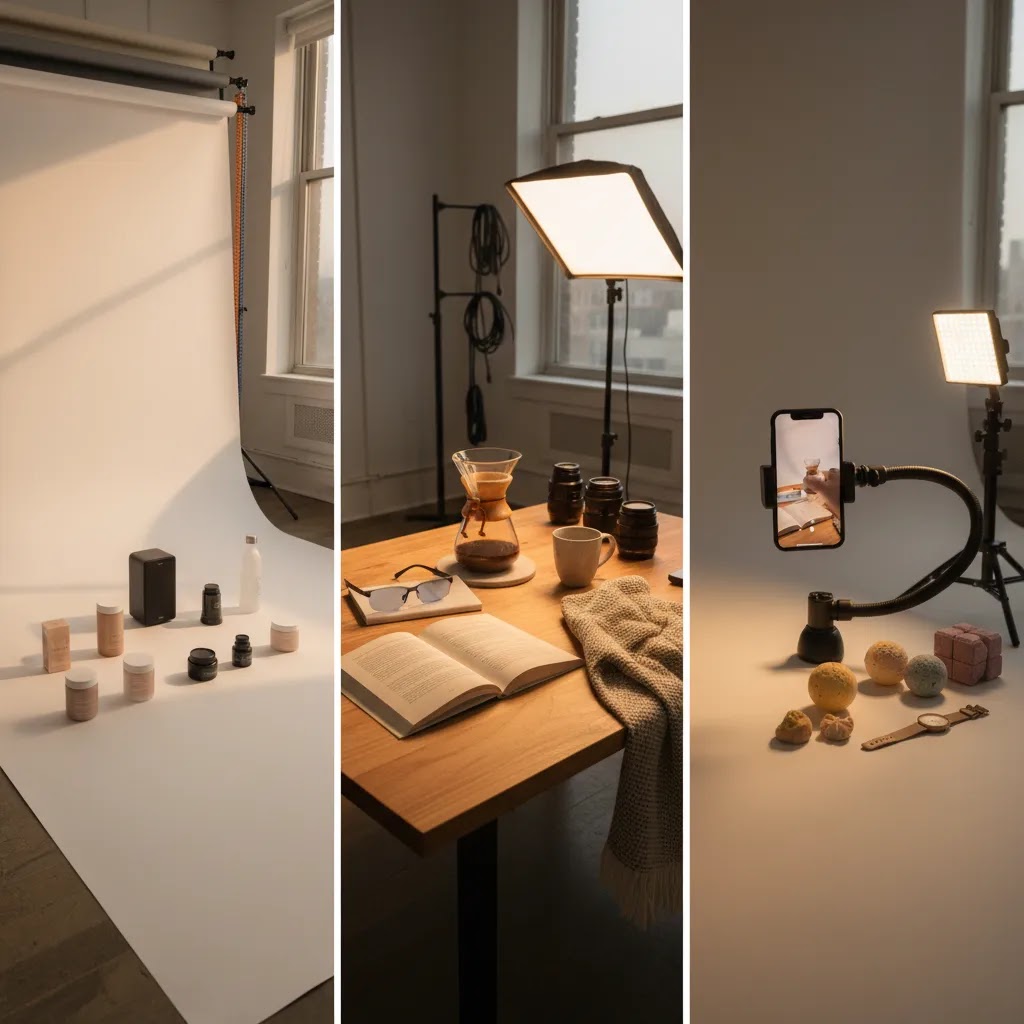
Typical rates and what affects pricing
Rates vary widely by geography, specialization, client size, usage expectations, and how much post-production is included. There is no single standard rate, but there are common pricing models.
A simple white-background SKU shoot will usually command less than a styled lifestyle setup involving props, set design, and advanced retouching. Amazon-focused work may be priced differently from Shopify-first work because compliance, infographic composition, and marketplace optimization create different production needs.
If you are a photographer, one of the biggest pricing mistakes is quoting only for shooting time. Clients are also paying for product handling, color consistency, editing, file naming, exports, revisions, and commercial reliability. If you are a store owner, the cheapest quote often becomes expensive later if image specs are wrong, files are inconsistent, or reshoots are needed.
Hybrid production models are also changing pricing expectations. Some brands will compare a traditional quote against an ai product photography workflow, especially for lower-stakes creative variations. That does not eliminate demand for photographers, but it does put more pressure on photographers to explain what expertise they add.
Product photography job salary: what you can realistically expect
Here is the thing about salary searches in this niche. People search “product photography job salary” as if there is one number, but the market behaves more like a mix of employee salaries and freelance rates. In-house roles are usually posted with a salary range. Freelance work is often quoted per image, per SKU, per day, or as a monthly retainer. Retouching and production support work can sit in between.
From a practical standpoint, you will typically see compensation fall into three broad buckets.
In-house ecommerce photographers often earn a consistent salary because the employer is buying availability, speed, and systemized output for the catalog. Freelance photographers can earn more per project when positioning is strong, but income may be less predictable month to month. Retouchers and image production specialists often work hourly, per image, or on contract, with pay tied closely to volume and turnaround.
What many store owners and photographers overlook is how quickly compensation shifts based on the job shape, not just skill.
If you are new, the easiest way to avoid underpricing is to translate any per-image or per-SKU quote into an effective hourly rate. Think of it this way: you are not pricing an image, you are pricing a repeatable process that creates that image.
Start with a small test batch and time yourself honestly: product prep, setup, shooting, tether review, selecting, retouching, exporting multiple sizes, naming files, uploading, and revisions. Then divide your total fee by the total hours. If your effective hourly rate feels too low, the fix is usually one of two things: increase the price, or tighten the workflow and scope so you can deliver the same quality faster.
For store owners hiring, the same math helps you compare quotes. A lower per-image price is not always cheaper if it comes with slower delivery, inconsistent files, or higher revision time on your side.
Skills clients actually pay for
Clients rarely hire based on camera specs alone. They hire for outcomes that fit an ecommerce workflow.
This is why some photographers lose jobs to less artistic but more commerce-aware competitors. A founder does not always need a beautiful image. They often need a reliable set of assets that fits product pages, category grids, paid media, and launch campaigns.
For ecommerce brands evaluating options, tools can support parts of the workflow. ProductAI offers several relevant utilities, including AI Background Generator, Free White Background Generator, Increase Image Resolution, and Background Swap Editor. These can help with editing speed, test images, or concept development, but they do not remove the need for judgment around lighting, composition, brand consistency, and compliance.
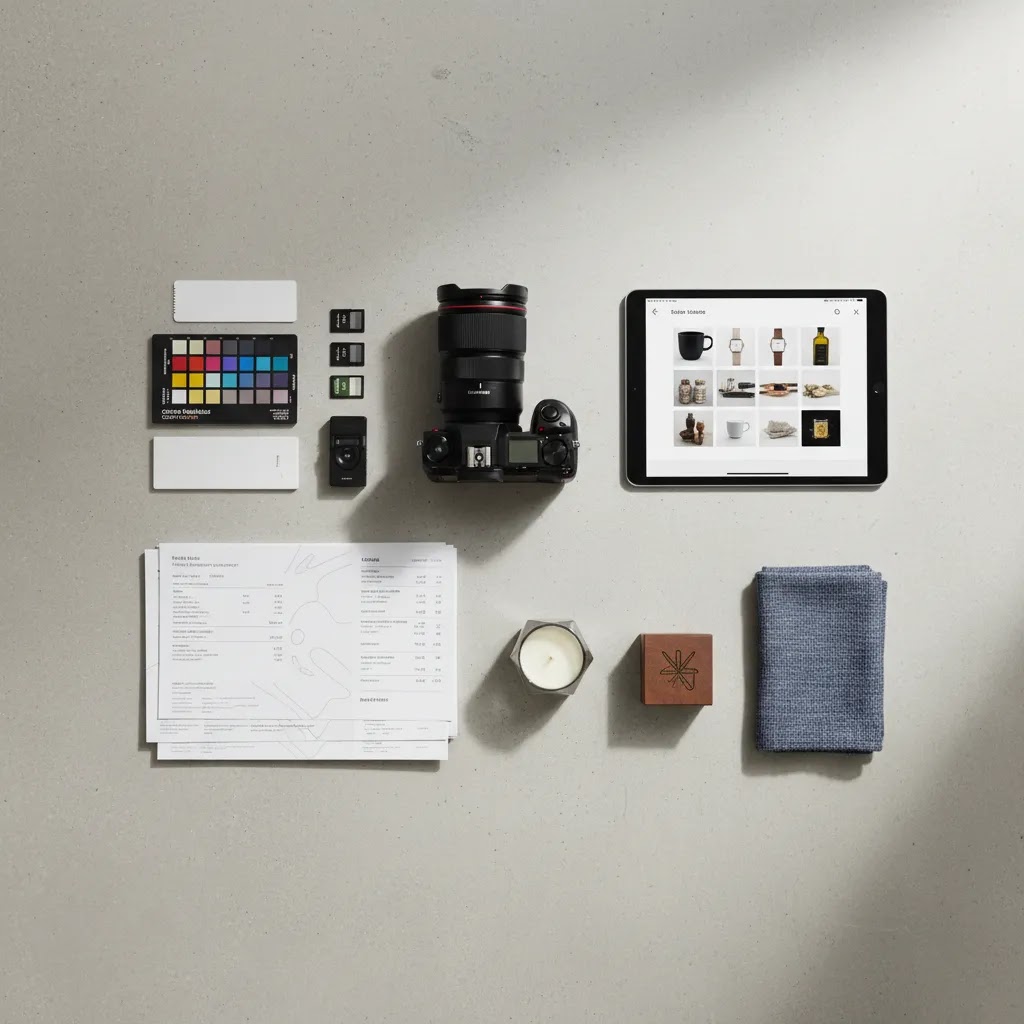
Pros and Cons
Strengths
Considerations
Who this career path fits best
Product photography is a strong fit if you enjoy repeatable systems as much as creative work. The best people in this space are often part image-maker, part production manager, and part ecommerce problem-solver.
It suits photographers who like working with physical products, clear briefs, and measurable deliverables. It is also a good path for editors and designers who want to move into AI-assisted asset production, especially as brands test new workflows using tools like photoroom for lighter editing tasks.
For Shopify brands, the ideal hire is usually someone who understands catalog consistency, mobile-first crops, and conversion-driven creative choices, not just someone with a visually impressive portfolio.
AcquireConvert's take for ecommerce-focused photographers
From an ecommerce perspective, product photography jobs are becoming more specialized, not less. Giles Thomas's work as a Shopify Partner and Google Expert reflects a practical truth store owners already know: images are not just creative assets, they are conversion assets. A photographer who understands PDP layouts, Shopping clicks, and marketplace expectations will usually be more valuable than one who only sells aesthetics.
If you are building a career in this field, study the wider Catalog Photography workflow, not just lighting and retouching. If you are a merchant hiring for this work, also review AcquireConvert's Hiring & Services content so you can brief, evaluate, and compare talent more effectively. That broader commercial view is what tends to separate efficient image production from expensive trial and error.
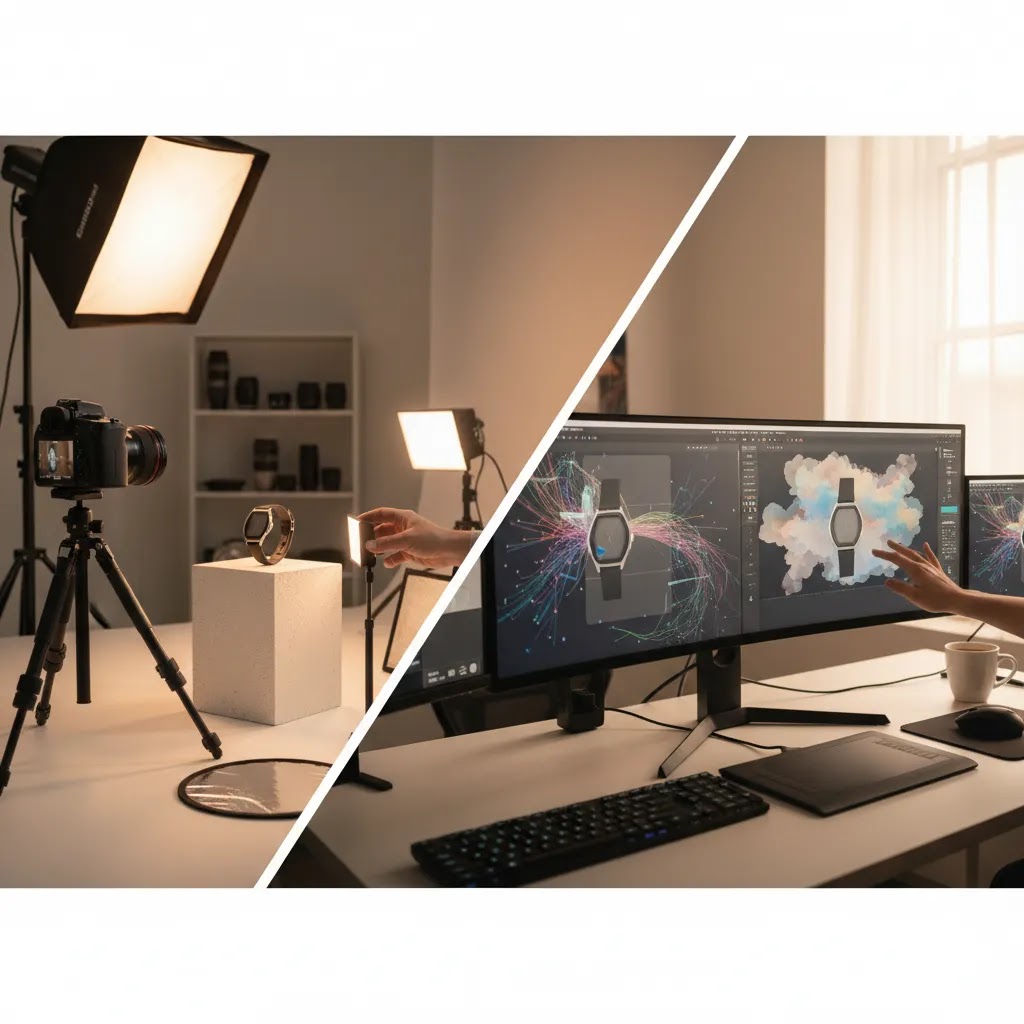
How to get in and win better work
If you want to break into ecommerce product photography jobs, focus less on broad photography branding and more on role fit.
1. Build a portfolio around use cases
Create sample work for specific needs: white-background catalog images, Amazon-style secondary images, beauty close-ups, apparel flat lays, and lifestyle sets. Clients buy relevance. A narrow but useful portfolio usually converts better than a random collection of good-looking images.
2. Learn the commercial brief
Understand the difference between images for Shopify product pages, social ads, email campaigns, and marketplace listings. Ask about image count, cropping, aspect ratios, background requirements, and revision limits before you quote.
3. Offer one clear package first
Instead of presenting ten pricing options, start with a defined package. For example: x products, x angles, white background, basic retouching, delivery in web-ready and high-res formats. Simplicity makes it easier for store owners to say yes.
4. Use AI where it saves time, not where it creates risk
AI can help with ideation, background swaps, and asset variation. It can also create inconsistency if you use it carelessly. Treat it as a production support layer. If a brand needs strict shade accuracy, packaging detail, or regulated claim visibility, human oversight matters.
5. Speak the language store owners use
Photographers often pitch creativity. Merchants often buy speed, clarity, consistency, and conversion support. Talk about launch calendars, SKU counts, reshoot avoidance, and file-readiness. That language signals that you understand the business side.
If you are a merchant hiring, ask to see examples by use case, not just highlights. Request before-and-after editing samples, delivery timelines, and how the photographer handles revisions, reflective products, or seasonal creative refreshes. Those questions will tell you more than gear lists.
Entry level product photography jobs (and how to get hired with no experience)
Most “entry level” listings in product photography are not asking you to be the lead photographer on a campaign. They are usually hiring for reliability and production support.
In practice, no-experience product photography jobs often look like one of these roles: a junior studio assistant who helps set up and keep shoots moving, a production assistant who handles product intake and prep, a junior retoucher doing repeatable cleanup, or an ecommerce content assistant who exports, crops, renames, and uploads assets in the exact formats the store needs.
Consider this if you do not have client work yet. You can still build a portfolio that proves you understand ecommerce output.
What many hiring managers screen for first is not your best single photo. They look for consistency and process: can you maintain the same white point across a batch, can you keep framing identical, can you deliver files with correct naming, and can you hit a turnaround without chaos.
The common beginner mistakes are predictable. Over-retouching that changes the product, inconsistent crops that make a category page look messy, missing file handling details like sRGB exports, and unclear delivery structure that forces the ecommerce team to fix everything after the fact. If you can show that you avoid those issues, you will look “experienced” faster than you think.
Where to find product photography jobs (job boards, agencies, local, remote)
If you are searching product photography jobs near me, you are usually trying to answer two different questions at once: where are the listings, and what kind of work is realistically available in your area.
Most opportunities come from a few channels. Traditional job boards are common for in-house roles and junior studio positions. Agency and production studio networks often fill roles through referrals and shortlists. Local searches can uncover retail brands moving online, especially in cities with strong ecommerce activity. Remote freelance work is often “ship-to-you” where products are mailed, you shoot at home or in your studio, and you deliver files digitally.
Now, when it comes to searching efficiently, tailoring your keywords matters. If you only search “product photographer,” you will miss a lot of listings that are actually the same work under a different title. Combine terms based on the work you want.
Geography also changes the reality of what gets posted. In-person studio roles tend to be concentrated in commercial hubs and require local availability. Remote roles are more common when the job is repeatable, like a consistent white-background pipeline, or when the brand already has a shipping and returns process that can handle product samples moving back and forth.
A simple application workflow helps you avoid wasting time because these roles can get filled quickly.
For Shopify brands, a useful angle is to position yourself as someone who delivers platform-ready assets, not just photos. If you can mention that you understand variant consistency, mobile crops, and the difference between PDP assets and ad creative, you will usually sound closer to how the ecommerce team thinks.
Frequently Asked Questions
Are product photography jobs still in demand?
Yes, in many ecommerce categories they still are. Demand has shifted rather than disappeared. Brands now want a mix of catalog shots, marketplace assets, lifestyle content, and edited variations. The strongest demand tends to be for photographers who understand how images are used across Shopify stores, Amazon listings, and paid campaigns.
How do I find freelance product photography jobs?
Start with direct outreach to ecommerce brands, local retailers moving online, agencies, and Amazon sellers. A focused portfolio and a simple service package usually work better than a generic photography pitch. Local searches like product photography jobs near me can help, but referrals and niche positioning often produce better-fit clients.
What should I charge for product photography?
Charge based on scope, not just shooting time. Consider product count, number of final images, styling, editing, revisions, and delivery requirements. A simple catalog batch should be priced differently from a lifestyle campaign. Rates also vary by location and specialization, so quoting without a detailed brief can create margin problems later.
How much money does a product photographer make?
It depends on whether the role is salaried in-house or freelance, and how specialized the work is. In-house roles tend to pay more predictably because the job includes ongoing catalog output and cross-team support. Freelancers can earn more on certain projects, but income can be less consistent and is tied to pipeline, turnaround, and scope control. A useful way to sanity-check any pricing model is to convert it into an effective hourly rate by timing your full process from product prep through final delivery.
How do I become a product photographer?
Build a portfolio that matches ecommerce use cases, then prove you can deliver consistent batches, not just one-off hero shots. Learn the basics of platform output like correct cropping, color consistency, and clean file handling for Shopify and marketplaces. Many people get hired first through junior roles like studio assistant, production assistant, or retouching support, then grow into lead shooting once they are trusted for reliability and turnaround.
Is product photography a good career?
It can be, especially if you like repeatable production systems and commercial problem-solving. The most stable paths often come from specializing, either by niche (beauty, jewelry, food, Amazon listings) or by workflow (high-volume catalog, retouching, hybrid photo plus AI-assisted production). Like most creative careers, results vary by market and positioning, so it is worth testing your pipeline and pricing before committing fully.
What is the 20 60 20 rule in photography?
People use this rule in a few different ways, but the common idea is that a small part of your work drives most of your results. For product photography, it is often applied to focus: spend most of your effort on the repeatable shots that a store actually needs (the core catalog set), keep a smaller portion for testing creative variations, and reserve a small portion for high-effort hero images. The exact split is not a law, but the principle helps you prioritize what improves conversion and consistency first.
Are amazon product photography jobs different from Shopify work?
Usually, yes. Amazon work often involves stricter image rules, white-background compliance, infographic-style secondary images, and marketplace-specific formatting. Shopify work can allow more brand expression and content variety. Some photographers serve both markets well, but each requires a slightly different production mindset and deliverable structure.
Do I need a studio to get started?
No, not always. Many entry-level product shoots can be done in a small controlled setup at home if your lighting and workflow are reliable. As you move into reflective products, cosmetics, or larger volumes, a more formal studio setup may become useful. Clients care more about output consistency than your room size.
Will AI replace product photography jobs?
It may reduce some lower-complexity work, especially background cleanup and variation generation. It is less likely to fully replace roles that require accurate source capture, premium styling, consistent brand execution, and human judgment. In practice, many jobs are becoming hybrid, where photography and AI-assisted editing work together.
What industries hire product photographers most often?
Common hiring categories include beauty, fashion, home goods, electronics, food, jewelry, and wellness. Any business with frequent product launches or a large online catalog may need ongoing image production. Beauty and apparel often require more specialized visual handling, while general ecommerce brands may prioritize speed and consistency first.
How can store owners hire the right product photographer?
Ask for examples that match your use case, not just the photographer's best creative work. Review how they handle white backgrounds, variant consistency, retouching limits, delivery speed, and revision rounds. A good hire should understand your ecommerce workflow and asset needs, not just produce attractive standalone photos.
Key Takeaways
Conclusion
Product photography jobs are still a real opportunity, but the job itself has changed. The market now rewards people who can connect photography with ecommerce execution. If you are a photographer, that means building around deliverables, platforms, and business use cases. If you are a store owner, it means hiring for conversion support and operational fit, not just creative taste. AcquireConvert covers this space from the perspective of what actually helps online brands sell more effectively. For the next step, explore our related guides on ai photoshoot workflows and ai product photography so you can compare traditional and AI-assisted approaches with a clearer commercial lens.
This article is editorial content created for educational purposes and is not a paid endorsement unless explicitly stated otherwise. Pricing, service availability, and tool features are subject to change. Any career, hiring, or commercial outcomes discussed here are not guaranteed and will vary by market, skill level, niche, and implementation.
Hi, I'm Giles Thomas.
Founder of AcquireConvert, the place where ecommerce entrepreneurs & marketers go to learn growth. I'm also the founder of Shopify agency Whole Design Studios.