Product Photography Melbourne Rates (2026)

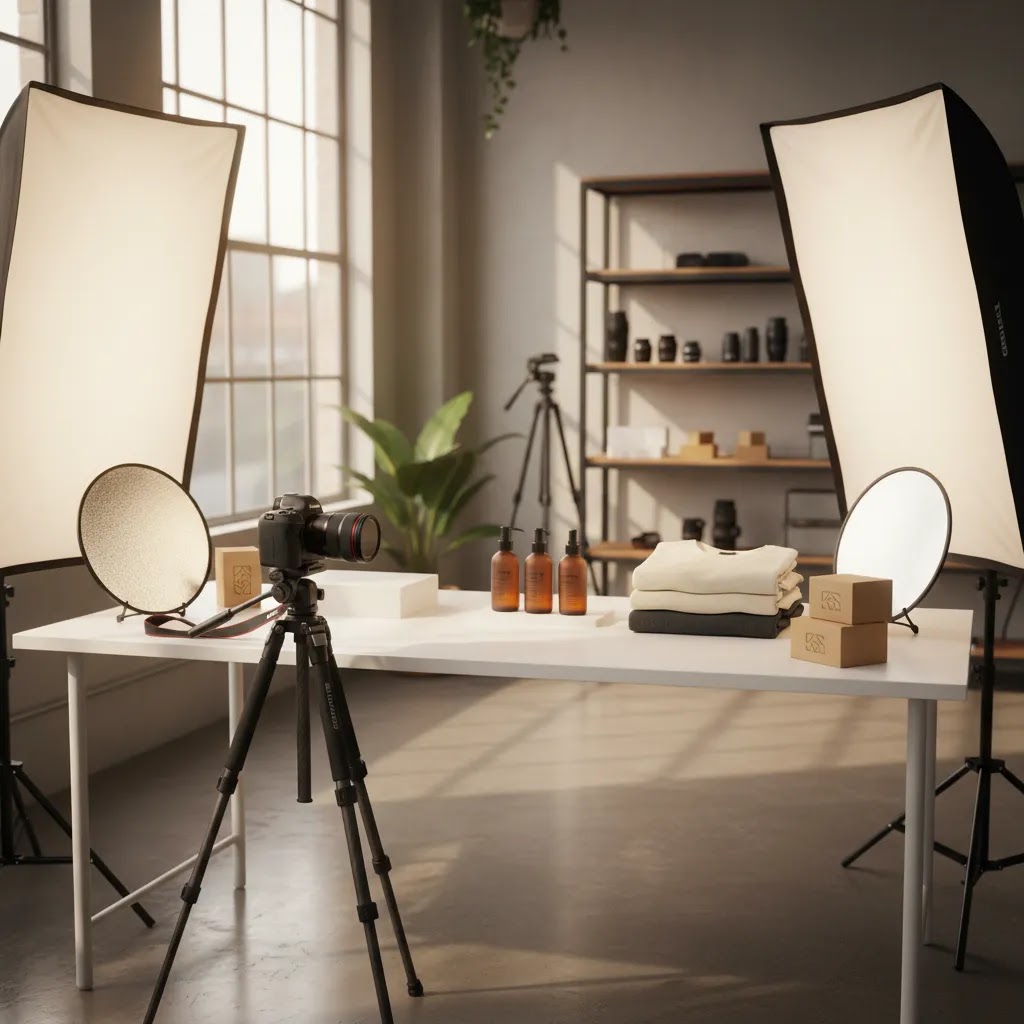
If you are searching for product photography Melbourne services, you are probably close to making a buying decision. The main question is not just who can shoot your products, but which setup fits your ecommerce stage, margins, and sales channels. For Shopify brands, Amazon sellers, Etsy stores, and wholesale catalogs, the right Melbourne studio can improve image consistency, reduce returns caused by poor presentation, and help products look stronger across collection pages, ads, and marketplaces. In most cases, a local studio is best when you need repeatable output, physical sample handling, and creative direction. If you only need fast edits or AI-assisted variations, a digital-first option may be more practical. This guide covers the studio types, typical Melbourne rate structures, what to ask before booking, and where AI tools can support your workflow.
Contents
Overview
Melbourne has a mature market for ecommerce imagery, with options ranging from solo shooters and small tabletop studios to larger commercial teams handling catalog, lifestyle, and campaign production. For store owners, the practical choice usually comes down to three models.
First, there is the traditional product photography studio model. This works well if you need controlled lighting, clean white-background images, consistent angles, and scalable production for a growing SKU range. It is often the safest fit for Shopify product pages, Amazon listing compliance, and printed catalogs.
Second, there are specialist creatives focused on styling and brand storytelling. These teams suit lifestyle product photography Melbourne projects where you want ad-ready images, social content, or homepage hero visuals. Rates tend to be higher because styling, props, sets, talent, and retouching all add production time.
Third, there is the hybrid model. A studio may shoot the core catalog pack, then use editing tools or ai photography workflows to create extra backgrounds, campaign variants, or marketplace-ready crops. This can be useful for lean teams that need more output from a single shoot day.
At AcquireConvert, we assess these options through the lens of ecommerce performance. Giles Thomas brings Shopify Partner and Google Expert experience to that evaluation, which matters if your images need to work not only on product pages but also in paid acquisition, feeds, and landing pages.
Pricing and Costs
There is no single standard product photography Melbourne price, but most quotes follow one of four models: per image, per product, half-day or full-day studio rate, or custom production estimate. For simple product photography on white, merchants commonly see pricing built around image volume and retouching level. A straightforward catalog shot with basic cleanup usually costs less than styled flat lays, apparel ghost mannequin work, or multi-angle sets.
For ecommerce product photography Melbourne projects, expect costs to rise based on:
A useful way to control spend is to split your brief into must-have and optional assets. For example, book the core pack first: hero image, two detail shots, and one scale shot. Then decide whether you need campaign variants later. If you are still weighing studio versus software-led production, reviewing tools like photoroom can help you estimate what could be edited in-house after the shoot.
For apparel, jewelry, cosmetics, and highly reflective products, quote accuracy matters more than headline pricing. A lower base rate can end up costing more if revisions, cutouts, or reshoots are billed separately. Ask for a sample deliverables sheet before you approve anything.
Quote Checklist: Deliverables, Retouching Scope, and Usage Rights (So Pricing Is Comparable)
Here is the thing, most quote confusion happens because two studios are not quoting the same “unit.” One studio’s “one image” might mean one angle with basic cleanup, another might include multiple angles, more retouching, and different file outputs for Shopify and marketplaces. If you want comparable pricing, you need a standardized checklist.
Start with the deliverables and make them concrete. Confirm what counts as one image, how many angles are included per SKU, and whether detail crops count as separate billable images. Then confirm file formats and outputs. For Shopify, you typically want web-ready files delivered consistently sized and cropped, and in many cases you also want marketplace variants if you sell on Amazon or Etsy. If the studio supplies both, that can affect pricing and turnaround.
Now, when it comes to retouching, push for clear definitions. Basic cleanup is usually dust removal and minor label straightening. Advanced retouching can include color matching across a SKU set, fabric smoothing, removing scratches, controlling reflections, building realistic shadows, and creating clipping paths that hold up on pure white. Reflective products often need the most clarity here, because reflections control can be the difference between a clean PDP image and something that looks inconsistent across your collection grid.
Also clarify revisions up front. Ask how many revision rounds are included, how approvals work, and what happens if you spot issues after images are exported for your store. Some studios will re-export small fixes quickly, others treat any change as a new retouch task. Neither approach is wrong, but you want it spelled out before you commit.
Finally, confirm usage rights. Most ecommerce brands need usage across your website, email, organic social, and paid ads. Some also need print use for packaging, wholesale line sheets, or in-store materials. If you know you will use images across multiple channels, say that up front so you do not get surprised by licensing limits or additional fees later. The reality is, usage is often the part that gets skipped in early conversations, then becomes awkward once the work is already delivered.
Trust and Credibility
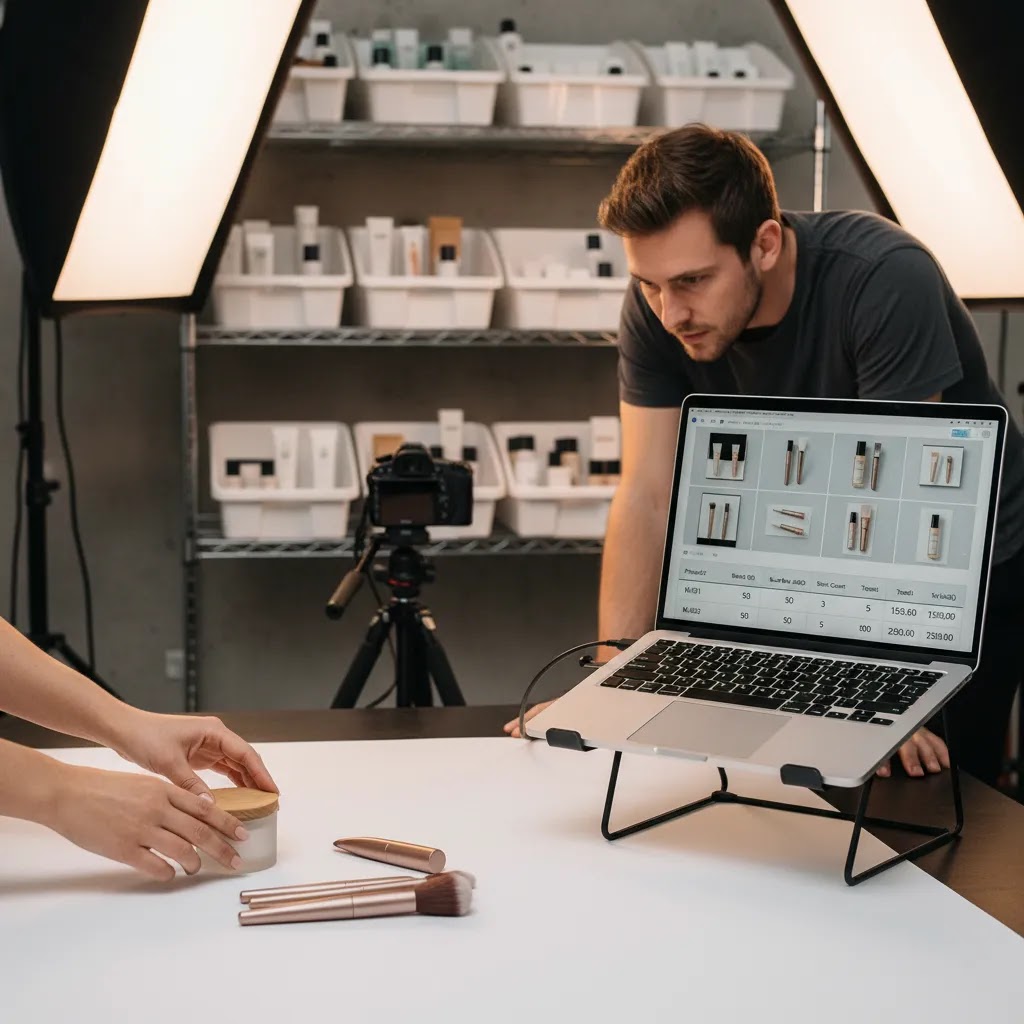
When hiring a Melbourne product photography provider, credibility is less about polished self-promotion and more about process. A studio should be able to show consistent examples of product photography across categories, explain file delivery clearly, and outline how they handle color accuracy, reflections, garment prep, or fragile products.
Ask whether they have worked with ecommerce brands specifically, not just general commercial clients. A talented editorial shooter is not always the right fit for catalog product photography Melbourne work. Ecommerce requires repeatability, naming conventions, consistent crops, and image sets that work across Shopify collections, PDPs, email banners, and ad creative.
It also helps to understand whether you need a studio team or an independent product photographer. Solo operators can offer more flexibility and lower overhead, while larger studios may be better for higher volume, multiple product categories, and recurring seasonal shoots.
From an operational standpoint, trust also means turnaround discipline, revision limits, insurance for shipped products, and a documented workflow. If a provider cannot explain these basics clearly, that is usually a sign to keep looking.
Product Photography Melbourne: Studio Capabilities and Facility Considerations
What many store owners overlook is that “studio” can mean anything from a spare room setup to a fully equipped space with consistent lighting control, product prep benches, and a workflow designed for repeat output. If you are planning to shoot more than a handful of SKUs, real studio capability starts to matter because it directly affects consistency across your Shopify collection pages.
From a practical standpoint, look for signs of a controlled capture environment. Dedicated shooting bays, consistent lighting setups, and tethered shooting (where images are reviewed live on a calibrated monitor) make it easier to catch problems early. That is especially important for color-critical categories like apparel, cosmetics, and homewares where small shifts can make a product look different from one image to the next.
Facility considerations matter too. Ask how products are prepped and staged, where samples are stored during the shoot, and whether the studio has secure storage if you need to drop off inventory in advance. If you ship products in, confirm how they handle intake and tracking. High-volume catalog work breaks down quickly when samples go missing or when there is no clear labeling system for variants and sizes.
Capacity is another signal that competitors tend to emphasize for a reason. A studio that can handle high-volume SKU work should be able to explain how they keep results consistent across categories and across time. Consider whether they can run repeatable workflows for multi-angle sets, and whether they have the staffing to keep shooting and retouching moving at the same pace. If the photographer can shoot 80 SKUs but retouching becomes a bottleneck, your launch timeline may slip.
To confirm operational fit, ask direct questions about who is doing what. Who is shooting, who is retouching, and who is your day-to-day contact for approvals? Ask how proofs are delivered, how you sign off on a look, and how changes are handled once a style is approved. Also ask how reshoots work if an item arrives damaged, a label changes, or you update packaging. A studio that handles ecommerce well will have a calm, repeatable answer to each of these, not a vague promise.
Key Features to Look For
The best Melbourne studio for your store is the one that matches your channel mix and production needs. For ecommerce brands, these are the features that usually matter most.
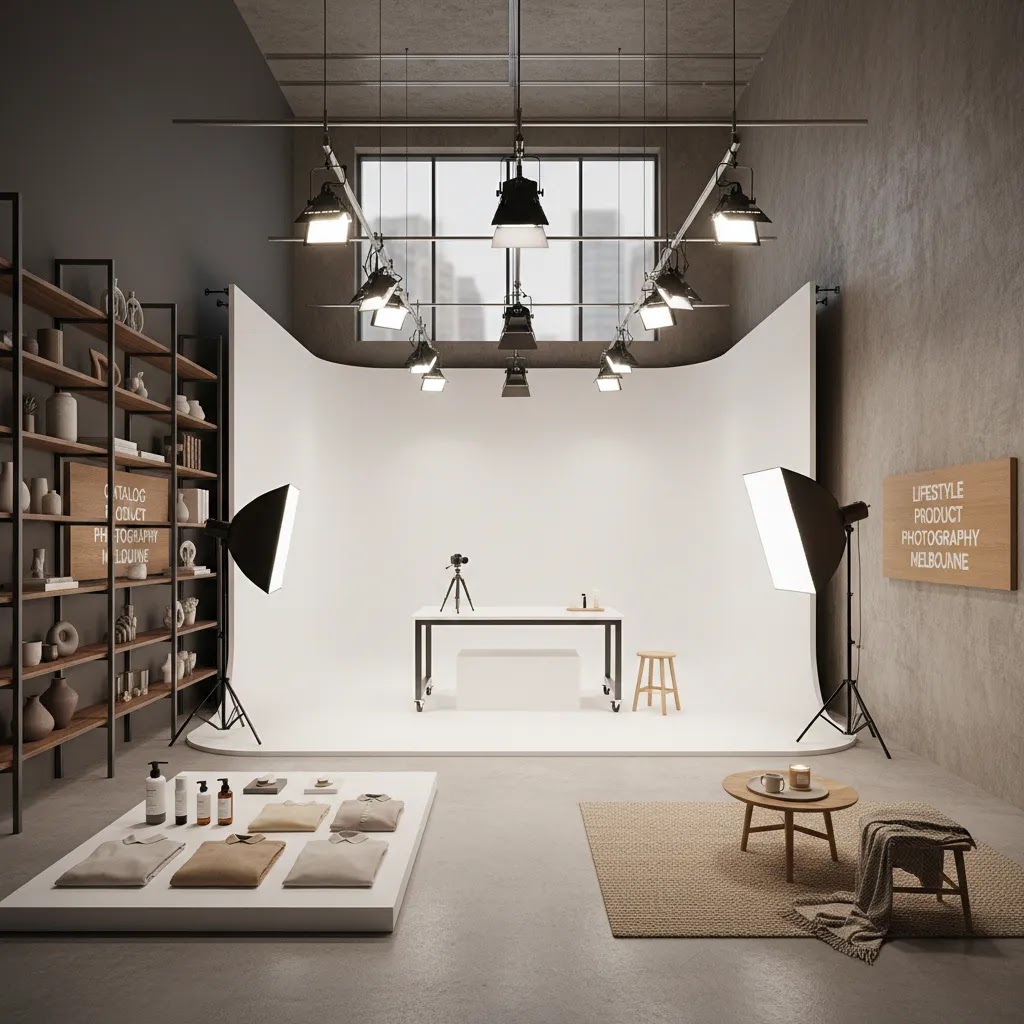
White background catalog capability. This is the baseline for Shopify collections, Amazon listings, and many comparison shopping surfaces. Ask whether the studio can deliver uniform shadows, clipping paths, and consistent dimensions across every SKU.
Lifestyle production options. If you need homepage banners, paid social assets, or brand storytelling, lifestyle product photography Melbourne services can be worth the higher cost. The key is whether the studio can keep the images commercially useful, not just visually interesting.
Apparel handling. Product photography apparel work brings extra complexity. Flat lays, hanging shots, ghost mannequin composites, wrinkle removal, fabric texture, and size consistency all affect output quality. Apparel brands should ask for examples from similar categories before booking.
Marketplace awareness. If you sell on Amazon or Etsy, your image requirements differ from a DTC Shopify storefront. Amazon often needs cleaner compliance-friendly imagery. Etsy may reward a more handcrafted aesthetic. A strong provider should understand those differences.
AI-supported post production. Some teams now pair studio photography with editing tools for alternate backgrounds, resizing, and variation generation. That can be helpful if you want to test creative quickly after the shoot. For beauty brands, adjacent tools such as an ai makeup generator may support concepting or content expansion, though they should not replace product-accurate core imagery.
If you are planning ongoing content production rather than a one-off shoot, browsing AcquireConvert's Catalog Photography and E Commerce Product Photography resources can help you compare formats before you commit.
Shot Types Studios Offer and When Each Makes Sense
If you want to get the most value from a Melbourne shoot, it helps to think in shot types, not just “catalog vs lifestyle.” Studios often specialize in certain formats, and each one maps to a different ecommerce use case.
Start with your minimum viable PDP set. For most Shopify stores, that is a clean hero image, a couple of detail shots, and one scale or context shot. This set typically does more for conversion clarity than a long list of creative variants, especially if your store is still improving product pages, descriptions, and collection navigation.
Then layer in the formats that match your category:
Category-specific detail matters here. Beauty and accessories usually need strong label readability and clean highlights. Bottles and glass need consistent reflections and straight verticals. Furniture and homewares need scale cues and consistent room styling if you do lifestyle. Industrial products often need accuracy and documentation-style clarity, with less creative interpretation.
Think of it this way, consistency often beats creativity for core ecommerce assets. Your creative campaign images can change more often. Your catalog images should build trust by looking like they belong to the same store, shot under the same rules, across every SKU.
Pros and Cons
Strengths
Considerations
Who It's Best For
Product photography Melbourne services are usually best for brands that have moved beyond basic validation and now need more consistent imagery across multiple sales channels. That includes Shopify stores refreshing their catalog, Amazon sellers preparing compliant listing assets, Etsy brands wanting cleaner presentation, and wholesale businesses building line sheets or lookbooks.
If you are a solo founder with fewer products and limited immediate demand, you may be better off starting with a small studio batch or simple product photography setup rather than a large creative production. If you run frequent launches, paid social campaigns, or seasonal drops, a studio partner becomes much more valuable because repeatability matters just as much as image quality.
How to Get Started
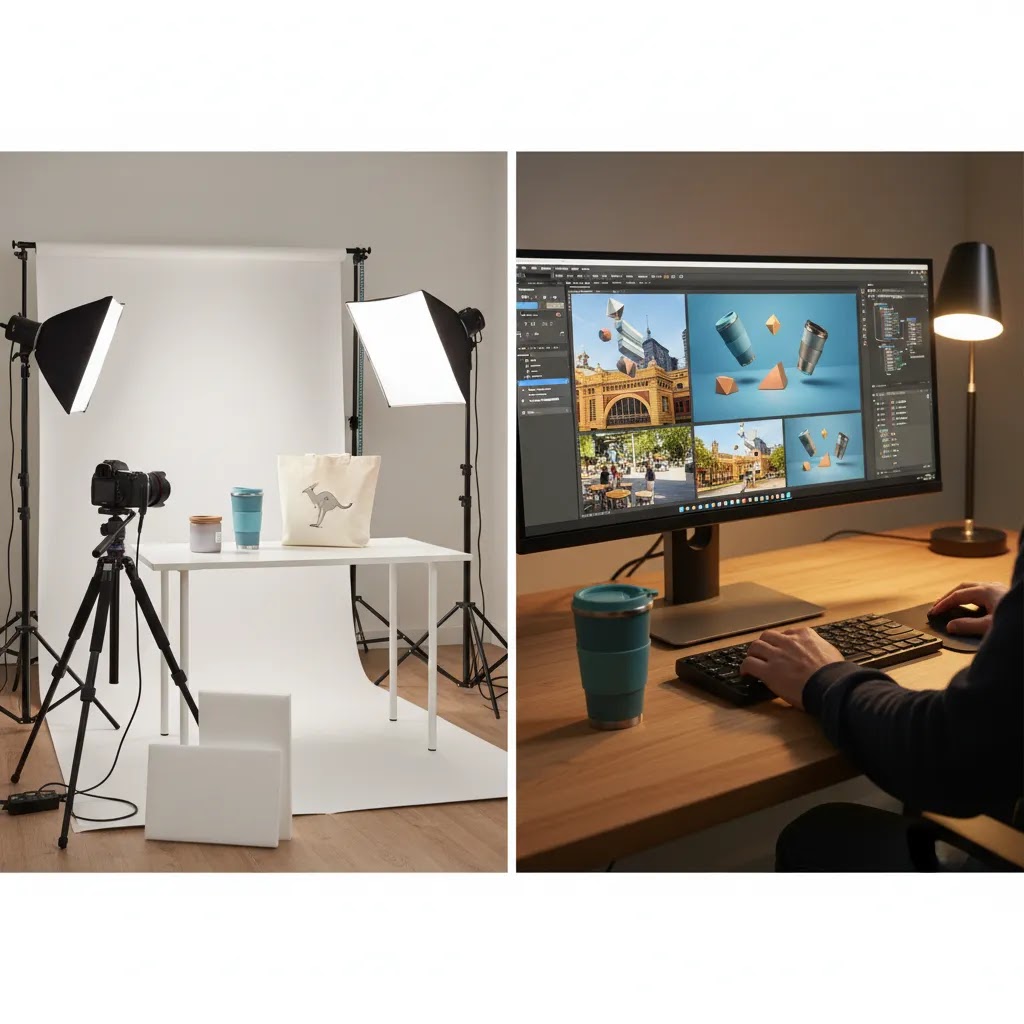
Start by auditing your current image library. Separate what you need for product pages, marketplaces, ads, and email. Most stores overbuy creative and underbuy core conversion assets, so define the commercial purpose of each image before you request quotes.
Next, build a shortlist of Melbourne providers and send the same brief to each one. Include SKU count, product type, required angles, background style, retouching needs, deadlines, and where the images will be used. Ask for examples that match your category, especially if you sell apparel, cosmetics, books, or reflective items.
Then request a test batch or pilot shoot before committing to a larger production. This is the fastest way to judge consistency, communication, and revision handling. If your team plans to supplement studio output with AI-generated variants or background changes, mention that up front so the shoot is planned for flexible post-production.
Finally, document your image specs. That includes crop ratios, file names, dimensions, and approved angles. The clearer your system, the easier it is to reuse assets across Shopify and other channels.
Frequently Asked Questions
How much does product photography cost in Melbourne?
Costs vary based on whether you are paying per image, per SKU, or by studio day rate. White-background catalog shots usually cost less than lifestyle or apparel work. Retouching, props, models, and rush deadlines can raise the final quote. Ask for an itemized estimate so you can compare studios properly.
Is a local Melbourne studio better than using AI image tools?
A local studio is usually better for accurate, repeatable base imagery and physical product handling. AI tools can help after the shoot by extending backgrounds, generating variants, or resizing assets. For most ecommerce brands, the strongest workflow combines real photography with selective post-production rather than relying entirely on generated visuals.
What should Shopify store owners ask before booking?
Ask about SKU workflow, turnaround times, retouching scope, image dimensions, crop consistency, and experience with ecommerce stores. You should also ask how they handle reshoots, damaged samples, and naming conventions. If the images are for Shopify, marketplace listings, and ads, say that clearly in the initial brief.
Can Melbourne studios handle apparel photography well?
Some can, but apparel is a specialist area. You need to confirm whether they offer flat lays, hanging shots, ghost mannequin composites, and fabric retouching. Always review category-specific examples before booking. Apparel photography can look polished in a portfolio but still be inconsistent when delivered across a full SKU set.
Do I need lifestyle photography as well as white-background images?
Usually yes, but not in equal volume. White-background images support core product page clarity and marketplace compliance. Lifestyle images help with branding, social proof, ads, and homepage presentation. If your budget is limited, prioritize clean catalog assets first, then add a smaller set of lifestyle images for key products.
What if I only need simple product photography?
Simple product photography is often enough for early-stage stores, low-priced catalogs, or products with straightforward purchase decisions. Focus on clear lighting, accurate colors, and consistent cropping. You can expand into styled or campaign-led photography later once you know which products and channels justify the extra spend.
How long does product photography usually take (from booking to final edited images)?
Timelines vary by studio capacity, SKU count, and retouching complexity. In many cases, you can expect a lead time to book the shoot, then additional time for editing and approvals. A small batch of simple white-background images may move faster than lifestyle sets, ghost mannequin composites, or reflective products that need heavier retouching. If you have a launch date, share it early and confirm when you will receive proofs, how long you have to review them, and what the final delivery date is after approval.
What is ghost mannequin photography, and is it worth it for apparel brands?
Ghost mannequin photography is a technique where garments are photographed on a mannequin, then edited to remove the mannequin and create a clean, “hollow” look that shows structure and fit. It can be worth it for apparel brands when shape, drape, and construction details matter, and when you want consistency across a large SKU set without using on-model photography for every product. The tradeoff is time and retouching complexity, so you should confirm the studio’s examples and make sure the quote spells out how many angles and composites are included.
Do product photography studios provide props, models, and styling, or do I need to supply them?
It depends on the studio and the shoot type. Some studios offer styling support and can source props or models as part of a lifestyle production plan, while others expect you to supply brand-specific items, reference images, or talent. The cleanest approach is to clarify responsibilities in writing: who is sourcing props, who is paying for them, whether models are included, and what happens if you need alternates on the day. If you are aiming for consistency across Shopify, ads, and email, you also want to confirm who is responsible for keeping styling aligned to your brand guidelines.
What should I send a studio to get an accurate quote (products, brief, shot list, references)?
Send the information that affects time on set and time in post-production. That typically includes your SKU count and variants, product dimensions and materials, the shot list with required angles, the background style, and notes on any problem products like reflective packaging, glass, or garments that wrinkle easily. Include reference images that match the look you want, plus where the images will be used, such as Shopify PDPs, collection pages, Amazon, Etsy, paid ads, or print. The more specific you are up front, the more likely you are to get a quote that holds once the shoot starts.
Key Takeaways
Conclusion
If you are ready to invest in product photography Melbourne services, the smart move is to match the provider to your ecommerce stage and channel needs. A catalog-focused studio is often the best fit for Shopify stores that need clean, scalable product imagery. A more creative team makes sense if your brand depends on campaign visuals and lifestyle content. Smaller stores should be careful not to overspend on complexity before their catalog fundamentals are in place. The best next step is to create a tight brief, request comparable quotes, and run a small paid test before approving a larger shoot. That approach gives you practical clarity on quality, workflow, and whether the provider can support your store as it grows.
Disclosure: AcquireConvert may receive affiliate compensation from some third-party tools or services mentioned where applicable. This article is intended for informational purposes and does not constitute a guarantee of results. Image performance, conversion impact, and return on investment vary based on your store, niche, traffic, creative execution, and implementation quality.
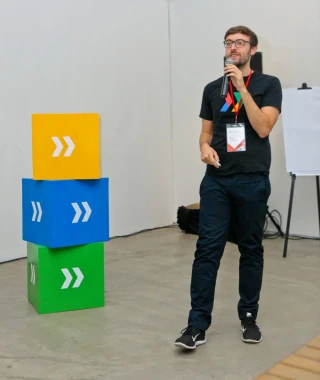
Hi, I'm Giles Thomas.
Founder of AcquireConvert, the place where ecommerce entrepreneurs & marketers go to learn growth. I'm also the founder of Shopify agency Whole Design Studios.