Giles Thomas, Author at Acquire Convert - Page 4 of 21
Categories
Trending

9 Ecommerce Automation Opportunities For Stores [2024]

Ecommerce Automation

Today, savvy entrepreneurs recognize that welcoming automation with open arms is not only advantageous—but essential to staying competitive.

In this article, we invite you to explore the remarkable potential that automation holds for your online store. From streamlining inventory management to optimizing customer support, you’ll learn how to leverage automation to revolutionize your e-commerce enterprise.


Coming right up are nine potential automation opportunities you can use today to optimize your store. 

Inventory management and planning

Kicking us off is inventory management and planning. 

This a great place to start, as this area holds perhaps the most potential for introducing automation. 

You know how important a role inventory plays in your business. Keeping track of stock levels, forecasting demand, and ensuring timely restocking are all vital to running a smooth operation.

Traditionally, inventory management has been a labor-intensive and error-prone process. Have you spent countless hours manually updating spreadsheets and reconciling stock? Grappling with inventory discrepancies can quickly become overwhelming. But, with automation, these challenges can become a thing of the past.

Imagine a system that seamlessly syncs with your online store that delivers real-time visibility into your inventory levels. Automation allows integrations with your suppliers to streamline your ordering process. Automate stock replenishment, trigger alerts when items are running low, and even analyze historical data to forecast demand more accurately. 

If you want to take a holistic approach, you should consider a more efficient inventory management process with cloud ERP solutions. This is because it provides a comprehensive suite of tools and functionalities that integrate various business processes (such as inventory management, order fulfillment, and finance) into a centralized system accessible through the cloud. 

Leveraging cloud ERP solutions helps to save you time, reduces costs, and minimizes the risk of stockouts or excess inventory.

Inventory management and planning


Order fulfillment process

Next up, let’s consider how you can automate your business’s order fulfillment processes.

Ensuring accurate and timely order processing, packaging, and shipping is paramount to delivering exceptional customer experiences. Automation brings excellent opportunities to streamline and enhance your order fulfillment operations.

Depending on which platform you choose to work with, by automating your order fulfillment process you can benefit from features like batch label printing and automatic order importing. This has two benefits, firstly, it makes your process less labor intensive and secondly, it reduces the chance of human error and misplaced orders. 

This is another instance where you might want a more integrated system. As you can combine your order preparation, delivery, packaging, and shipping with other parts of your business, such as customer service. Helping you to provide a better service overall by supplying your customer service teams with the right information. 


Customer support and satisfaction 

Exceptional customer support is the cornerstone of any successful ecommerce business.

Beyond the immediate benefits, automation also facilitates order tracking and customer communication. For instance, automatically update customers with shipping information, including tracking numbers and estimated delivery dates. This proactive approach enhances transparency, builds trust, and reduces the likelihood of customers inquiring when their orders will arrive. 

Including automation in your customer support workflows enables you to automatically assign, prioritize, and track customer inquiries to guarantee timely responses and resolution. This organized approach reduces the risk of customer inquiries falling through the cracks and makes sure that every customer receives the attention they deserve.

A great use case for automation is to engage with your customers to gather valuable feedback. Send automated surveys or feedback forms post-purchase or interaction to let customers share their thoughts and insights. 

You can then combine this data with a Sage ERP ecommerce software or with a customer relationship management (CRM) software. This will make your data more valuable by collecting it all in the same place. Also, by integrating it with project management tools like Asana you can streamline collaboration and make more informed decisions about your business.  

Customer support and satisfaction


Personalized marketing

To stand out in the saturated ecommerce market, think about introducing personalized marketing via automation. 

Personalized marketing has emerged as a powerful strategy to engage customers on an individual level, cater to their specific preferences, and deliver tailored experiences that resonate deeply.

Automation gives your business the power to offer personalized recommendations based on your customers’ browsing histories, purchase behavior, and demographic information. Analyze vast amounts of data in real-time to understand your customers’ preferences, interests, and buying patterns. Armed with this knowledge, you can create highly targeted and relevant marketing campaigns that speak directly to each customer’s unique needs.

One way to use personalized marketing to your advantage is to upsell products to generate more revenue and increase average customer spend. When you know more about your buyers via automation, this is straightforward.


Purchase, payment, and checkout 

The purchase, payment, and checkout process is the culmination of a customer’s journey with your ecommerce store. 

It’s the moment when they make a buying decision and complete a transaction. Ensuring a smooth, secure, and convenient experience at this stage is crucial for maximizing conversions and driving customer satisfaction.

With automation, you can enhance the user experience by implementing smart search functionalities, personalized product recommendations, and intuitive navigation. This reduces friction and enhances discoverability, guiding customers toward finding the products they want effortlessly.

Automation also plays a pivotal role in simplifying the payment process. By integrating with secure payment gateways, you can offer a variety of payment options—such as credit cards, digital wallets, or alternative payment methods. Quick and secure transactions enhance customer trust in your store and minimize cart abandonment.

The checkout process itself can be optimized through automation to minimize barriers and improve conversion rates. Intelligent checkout systems can automatically populate shipping and billing information based on customer profiles, saving them time and effort. 

Additionally, automation can calculate accurate shipping costs and taxes in real-time, ensuring transparency and preventing surprises for customers during the checkout process.

Order fulfillment process


Shipping and logistics

Automation offers transformative solutions that streamline shipping processes, enhance visibility, and drive operational efficiency.

With automation tools, you can compare rates from different shipping carriers, select the most cost-effective options, and negotiate favorable shipping contracts. Automated rate shopping helps to guarantee that you are providing competitive shipping prices to your customers while minimizing expenses for your business.


Returns and refunds 

While providing hassle-free returns and refunds may seem challenging, automation offers powerful solutions to streamline this process, enhance customer satisfaction, and make sure your operations run smoothly. 

Automation simplifies the returns and refund process, enhancing customer satisfaction and ensuring smooth operations. Customers can initiate returns online, effortlessly generating return labels and facilitating the authorization process. 

Automation enables automated return evaluation based on predefined rules, reducing manual intervention and ensuring fair evaluations. Efficient refunds are initiated automatically upon receipt and inspection of returned items, eliminating manual processing and ensuring timely reimbursement.

Efficient refunds are crucial to customer satisfaction. Automation can accelerate the refund process by automatically initiating refunds upon receipt and inspection of returned items. This not only eliminates manual refund processing and reduces errors but also secures timely reimbursement to customers. Meaning they’re more likely to shop again with your company. 


Analytics 

Comprehensive automation tools automatically collect and analyze ecommerce data from various sources, including website traffic, customer interactions, sales transactions, and marketing campaigns. Integrate analytics tools and platforms to consolidate data from multiple channels to gather a holistic view of your ecommerce performance in one centralized location.

Free to use image sourced from Unsplash

Automation enables real-time data tracking. You can monitor key metrics and performance indicators instantaneously by automatically generating reports, dashboards, and visualizations. This gives you the information in a clear and digestible format, saving time and eliminating manual data manipulation, and allowing you to focus on interpreting the insights to make smart, data-backed decisions about how to grow your ecommerce business.


Website management

The final area to discuss for automation opportunities is your business website. 

Your website is the digital storefront of your ecommerce business and serves as the primary touchpoint for your customers. Effective website management is essential for delivering a seamless user experience, driving conversions, and maintaining a strong online presence.

Combining automation with your website means you can automate routine tasks—such as content updates, product listings, and inventory synchronization. Integrate your website with content management systems (CMS) to manage inventory levels and pricing. This eliminates the need for manual updates and makes sure that your website reflects accurate and up-to-date information at all times.

Because website performance is crucial for both user experience and search engine optimization (SEO), automation can help you monitor and optimize website performance. Automate tasks such as website speed testing, error detection, and performance optimization to make sure your site runs smoothly and to work towards increasing your ecommerce traffic. 


Ecommerce automation opportunities

Ecommerce automation presents a world of opportunities for online stores to enhance efficiency, productivity, and customer satisfaction. 

From inventory management and planning to order fulfillment, personalized marketing, and shipping logistics, automation streamlines key processes, saves time, reduces errors, and drives operational excellence.

With the repetitive, time-consuming aspects of inventory management taken care of, you can focus on expanding your product offerings, improving customer experiences, and scaling your business to new heights.
Categories
Shopify Resources Hub Trending

[2024] Shopify vs Volusion: Which is Best?


Shopify vs Volusion: Background

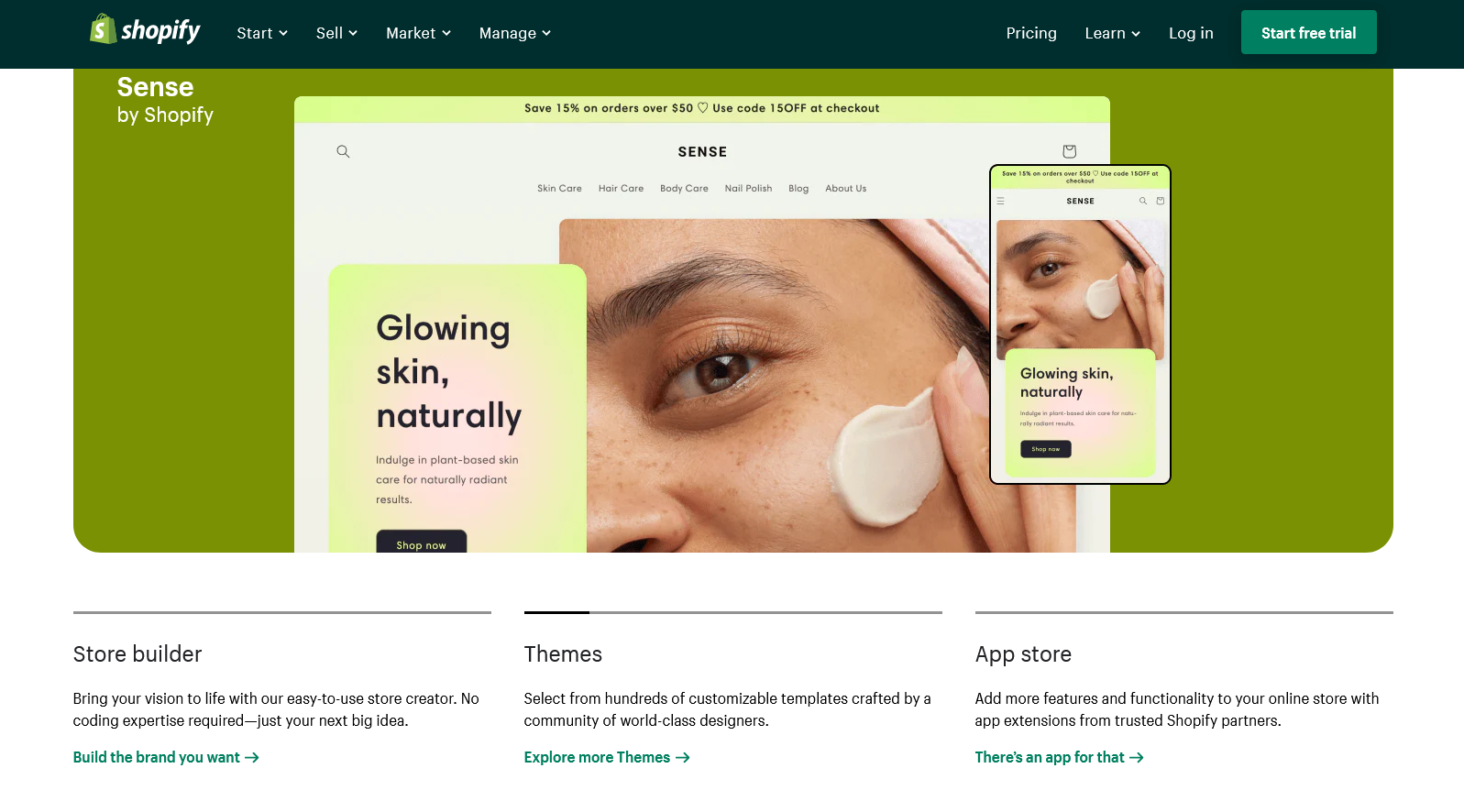
Shopify vs Volusion - Shopify

Shopify started life in Ottawa in 2006. It was designed as a complete ecommerce solution for aspiring store owners looking for an easy way to build a store out of the box without hiring a team of developers.

Released at a time when ecommerce was just taking off, it has grown every year since and, in particular, saw phenomenal growth during the pandemic in 2020 and 2021.

Now it’s widely regarded as one of the best ecommerce solutions around — not only for large, high-turnover stores and established brands like Gymshark, Jenny Craig, Red Bull and Kylie Cosmetics but for smaller boutiques, dropshippers and growing stores.

Over the years, Shopify has developed into more than just a store builder. It’s a true multi-channel solution provider, helping with content creation and marketing as well as syncing offline stores with their online counterparts.

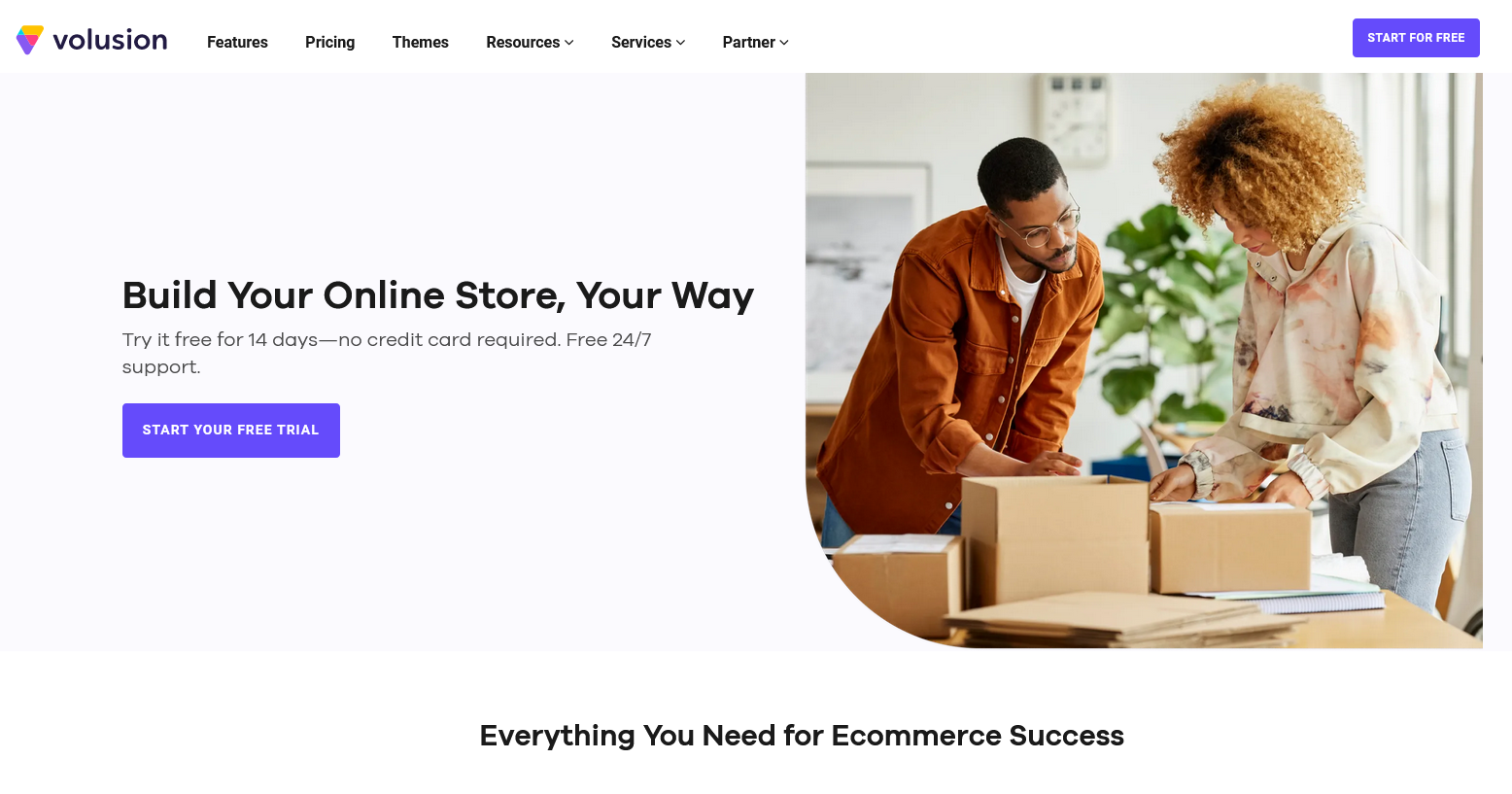
Shopify vs Volusion - Volusion

Similar to Shopify, Volusion provides aspiring ecommerce entrepreneurs with store builder templates, a content management system (CMS), hosting, payment processing and support. 

The platform started life in California in 1999 and was founded b 16-year-old, Kevin Sproles, as a web design company.

It had a few years’ head start on Shopify at the very beginning of the ecommerce boom. Since then, Volusion has relocated to a new HQ in Austin, Texas, and enabled over 250,000 entrepreneurs around the world to build stores.

The Volusion team’s main mission is “building fast, flexible, and reliable digital commerce” and this is largely targeted at small- and medium-sized stores.


Shopify vs Volusion: Market share

Shopify has over 4.1 million live stores across the world. This includes 2.7 million stores in the U.S., over 21,500 of the world’s top one million websites and almost 400 of the world’s leading 10,000 websites.

These figures make Shopify an undisputed market leader with a strong presence worldwide. It boasts Shopify merchants in more than 175 countries — well beyond the walls of the U.S. 

By comparison, Volusion currently boasts just over 7,500 live stores, the vast majority of which (over 7,000) are in the U.S. and Canada. Just seven of the world’s leading 10,000 websites use Volusion.

While Shopify can claim to provide 5.9 percent of all content management systems currently used on the web, Volusion does not register on this and is usually included as “others” in market share charts.


Shopify vs Volusion: Main features

Successful ecommerce stores have many moving parts,

To achieve a winning formula, you need an ecommerce platform that creates a seamless shopping experience and encourages customers to return again and again.

So, besides a good choice of templates to provide the look and feel you want for your brand, you need tools to manage the back end seamlessly, as well as assist with marketing, order fulfillment, reporting and customer support. 

Volusion has been around for over two decades and Shopify not too many years fewer. Both platforms have learnt to incorporate many of the key drivers of ecommerce success and have simplified the process of getting started so that you need little technical know-how.

Unless you need a customized solution, you can be up and running very quickly with your new store.

Let’s have a quick look at the main “standout” features for each platform so that you can easily differentiate between them.


Standout features of Shopify 

Enhanced sales features

Shopify includes enhanced sales features so that stores can sell across multiple sales channels while centralizing the management of the business. 

The platform has recently focused increasingly on international cross-border selling online — and integrating that with brick-and-mortar stores locally.

All plans except the Starter plan provide a sophisticated point-of-sale (POS) option with free hardware/software for offline stores (no third-party apps are required) and automatic inventory syncing through its secure cloud system.

Shopify vs Volusion - Shopify POS

With its tools for social media, it’s also easy to start selling on Facebook and Instagram, as well as Amazon, Walmart, Google, Pinterest, Snapchat, and in-person.

Shopify is also geared up for selling internationally with a host of payment gateways compatible with Shopify (more about this below), an impressive multilingual setup and the ability to sell in multiple currencies out of the box.

Design and feature flexibility

If you can’t get the exact look and functionality you need from your Shopify store, you may not need a developer.

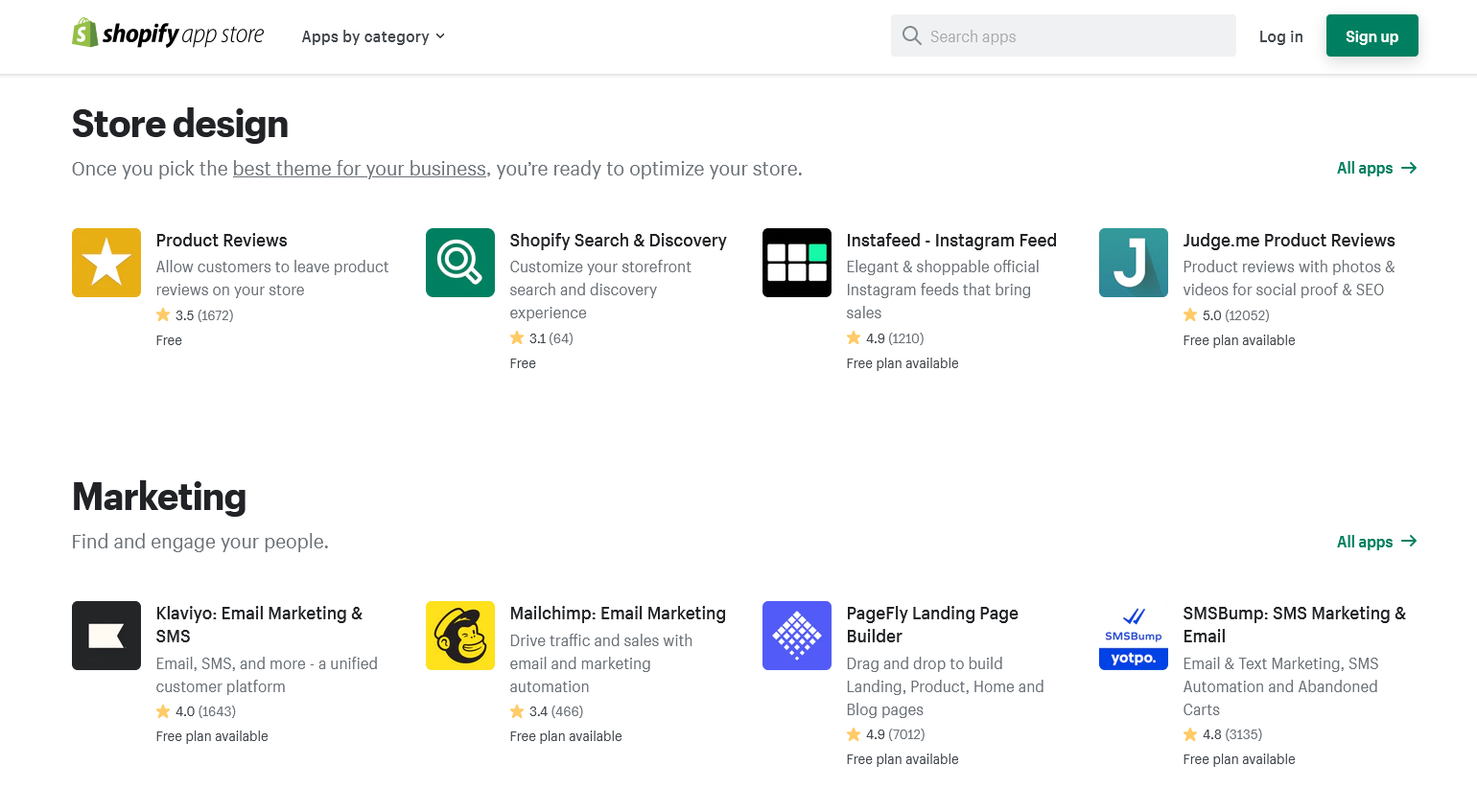
The Shopify app store contains over 6,000 apps to help with store design, marketing/conversion, finding products, selling products, orders/shipping and store management.

These apps allow you to tweak almost everything in your store and most are easy to install and integrate.

Shopify vs Volusion - Shopify App Store

The flexibility and additional functionality provided by Shopify are tough for other ecommerce platforms to compete with — including Volusion.

Multiple payment gateway options for customers

In addition to its payment gateway (Shopify Payments powered by Stripe), you can choose from over 100 other payment gateways for accepting customer payments—from Google Pay to Bitcoin.

Shopify payments is available in 20 countries around the world, so there’s a good chance that your store can escape transaction fees using this option (more about this in the pricing section below).

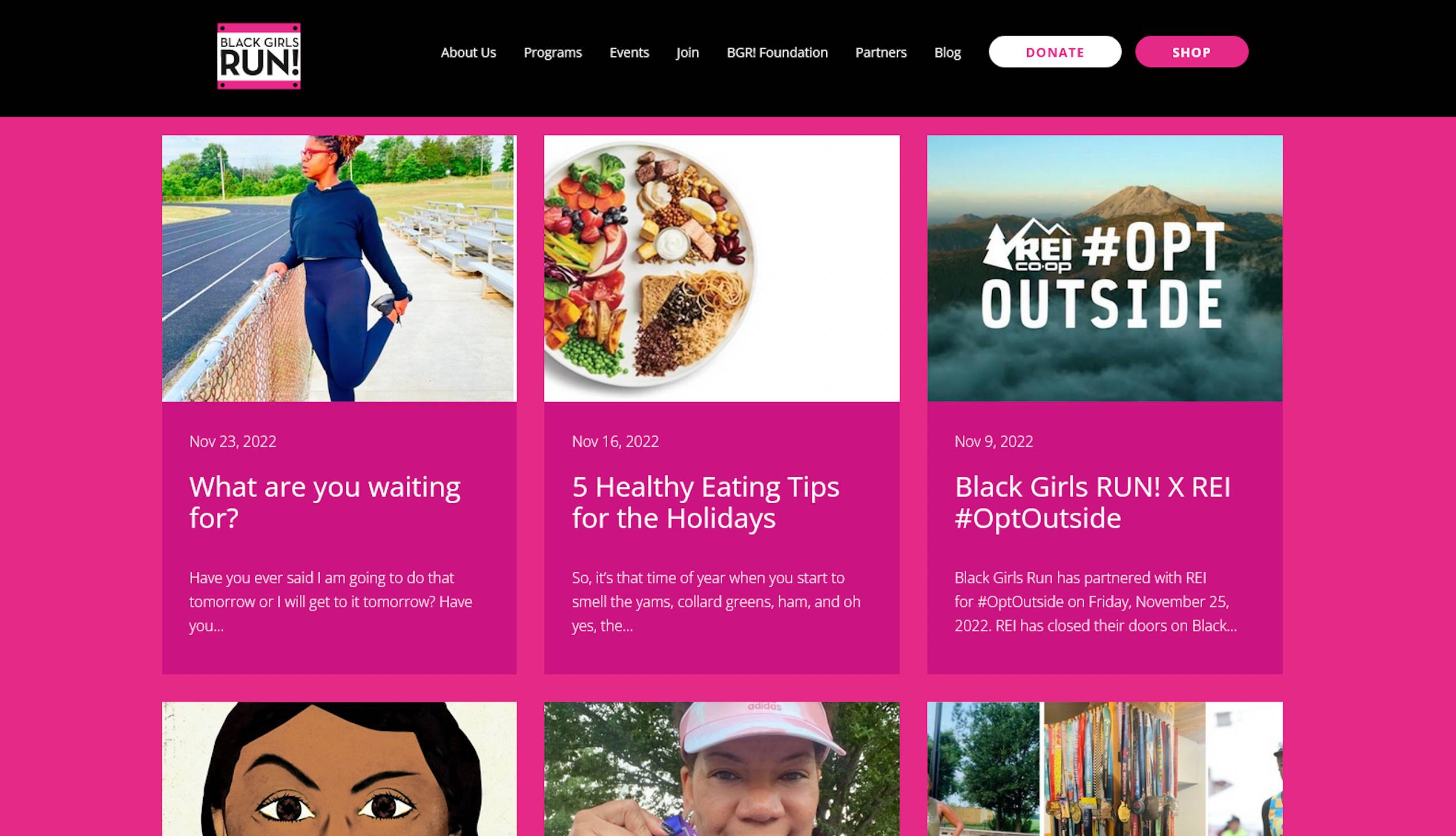
Blog functionality

Shopify provides users with blog functionality directly from the platform rather than having to “tag” a blog onto your store and pay for hosting elsewhere.

Shopify vs Volusion - Shopify Blog

Quick-loading pages

Nobody likes slow pages. Shopify store pages load fast and the importance of this should not be underestimated as slow pages quickly kill the customer experience and damage performance in the search engines.

Shopify also provides a store speed report that can help you further optimize load times. 

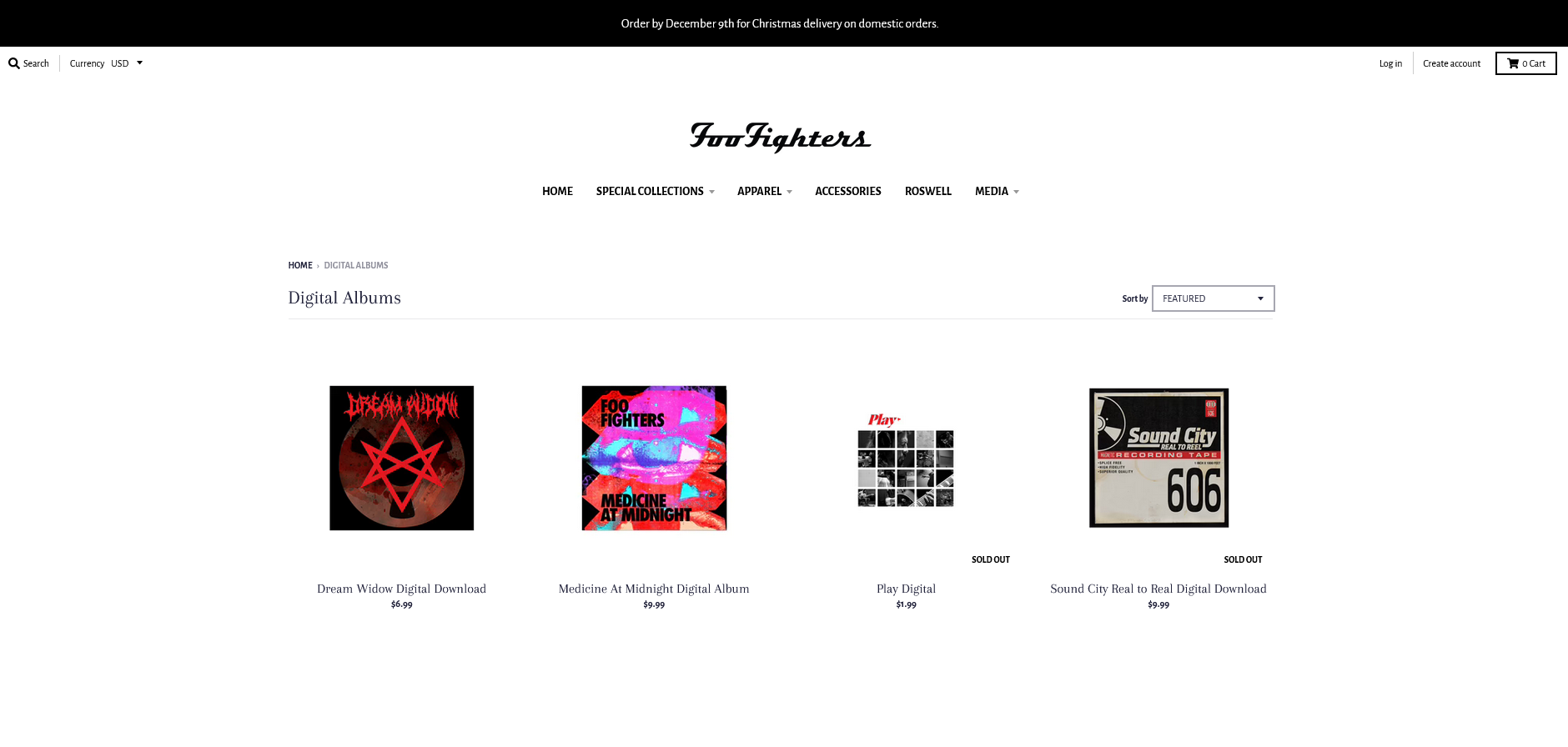
Sell any type of product

With Shopify, there are no restrictions on the type of product you can sell: physical products, digital products, subscriptions or services.

Shopify vs Volusion - Shopify Digital Products

This gives it an important advantage over Volusion, which only accommodates physical products. — no downloadable products or subscriptions.


Standout features of Volusion

I’ll be honest. There are not many areas where Volusion outdoes Shopify — but here are a few possible exceptions:

Easy-to-use editor/interface

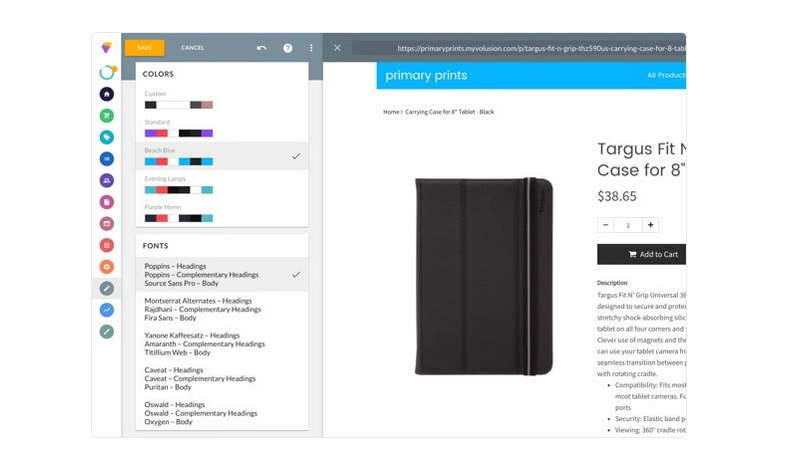
The Volusion platform incorporates a simple drag-and-drop style editor, which lets you add and move blocks around pages. Shopify largely uses a WYSIWYG editor for building pages.

Shopify vs Volusion - Volusion Editor

Free templates/themes

All of the templates available on the Volusion platform are free to use. With Shopify, if you choose one of the paid themes, it’s like paying a “hidden” setup fee. You don’t have to worry about this with Volusion.

Shopify vs Volusion - Volusion Themes

More product options and variants

With Volusion, you can create unlimited product options (e.g., size, color, style/material) and variants (individual colors, sizes, flavors, etc.)

Out-of-the-box, Shopify limits these to three product options and 100 variants unless you use an app (at an extra cost).

Shopify vs Volusion - Volusion Product Variants


Shopify vs Volusion: Customer support

With customer support, Shopify provides excellent 24/7 support by email, live chat and phone (available in most of its main markets) for all plans. 

Volusion offers easy-to-access online support on all plans but phone support is only available on its $79 Professional plan and higher. 

Shopify vs Volusion - Volusion Help Center

You’re encouraged through the Shopify system to find a solution from its online Help Center resources before contacting support — which may be an annoyance for some merchants.


Shopify vs Volusion: Pricing & Plans

Monthly fees

Shopify and Volusion both charge monthly fees to access the tools to create and maintain your store. There are no setup fees to pay — only the monthly fees.

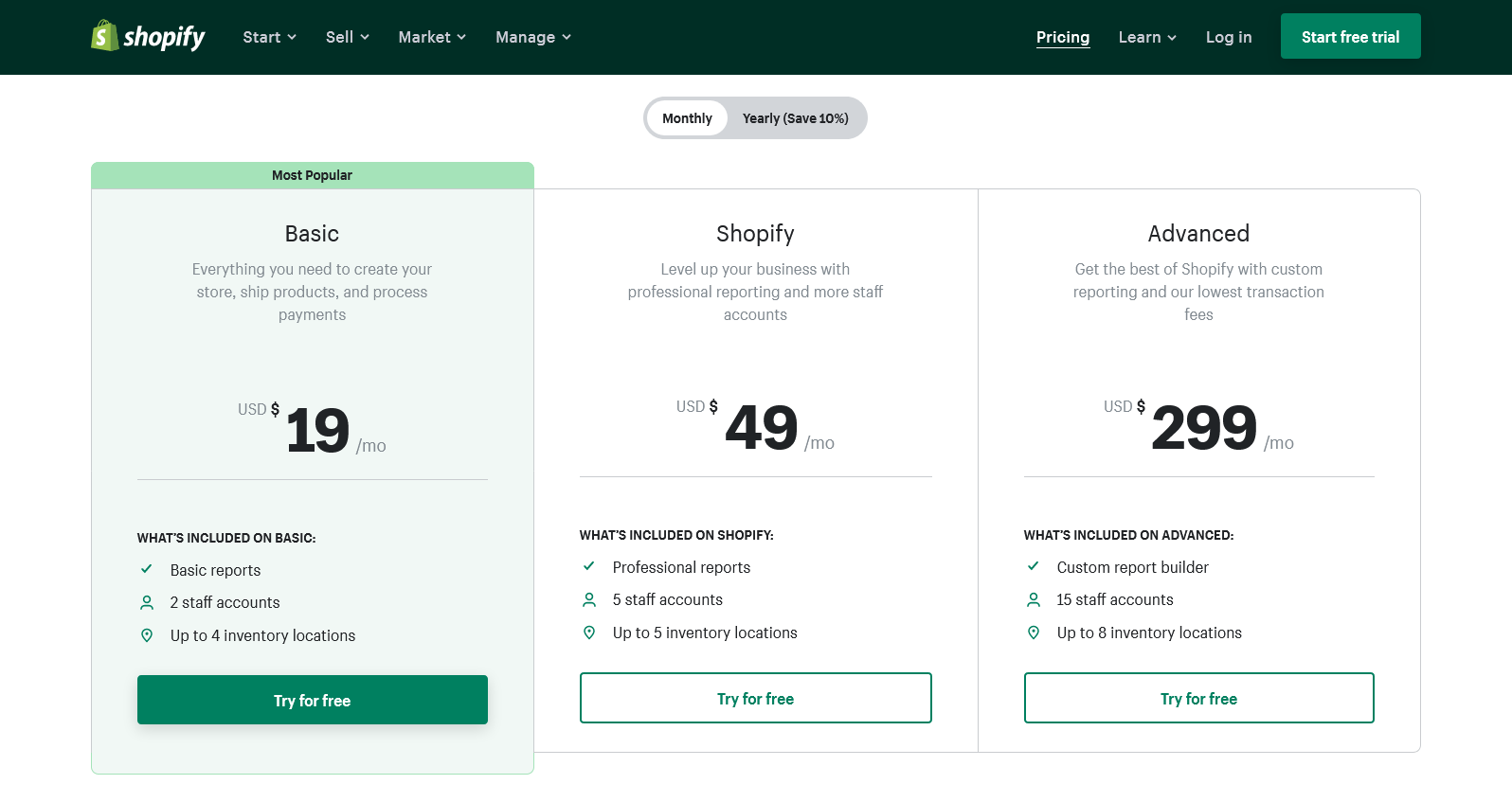
Shopify pricing is outlined in its three plans below (10 percent discount for annual payment):

Shopify vs Volusion - Shopify Pricing

  • Basic Shopify: $19/month 
  • Shopify: $49/month 
  • Advanced Shopify: $299/month 

NOTE: at the time of writing, Shopify’s Basic plan was being offered at $1/month for the first three months.

Additionally, Shopify provides alternative plans for beginners and enterprise clients:

  1. A Starter plan for $5/month that enables a Shopify “buy” button on an existing site or Facebook 
  2. Shopify Plus plan starting at $2,000/month (enterprise clients)

NOTE: at the time of writing, Shopify’s Starter plan was being offered at $1/month for the first three months.

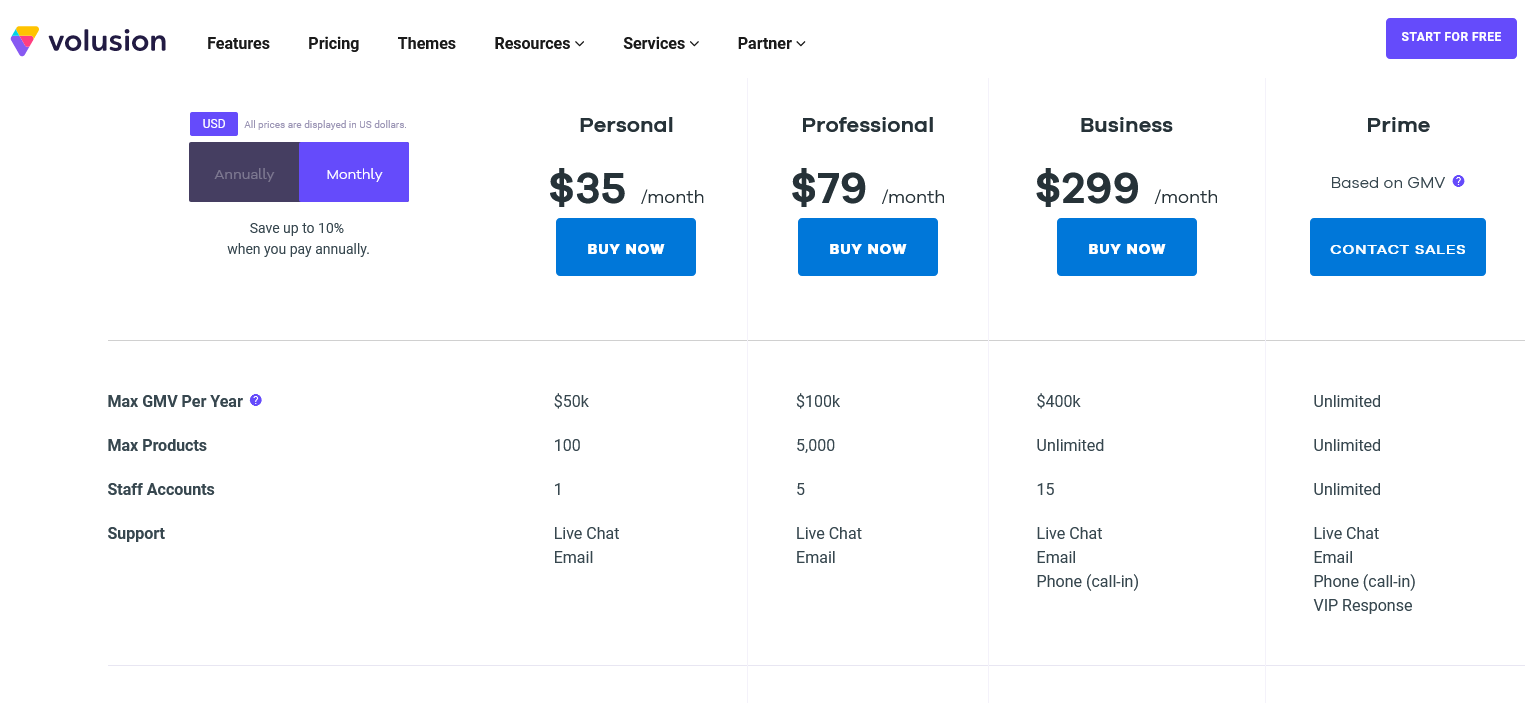
Volusion offers the following monthly plans:

Shopify vs Volusion - Volusion Pricing

  • Volusion Personal: $35/month
  • Volusion Professional: $79/month
  • Volusion Business: $299/per month
  • Volusion Prime: custom pricing

Like with Shopify, you can save 10 percent by choosing an annual plan rather than paying monthly.

The entry price point for Volusion ($35/month) is higher than Shopify ($19/month) and includes only one staff account (Shopify offers two in its Basic plan) and 100 products (Shopify provides unlimited products on all of its plans). 

Volusion pricing also reflects its small to medium-sized business focus with GMV (gross merchandize volume) limits: up to $50,000 per year for the Personal plan, $100,000 for the Professional plan, and $400,000 for the Business plan. If you exceed these limits, you’ll be automatically upgraded.

If you have a lot of products, a turnover exceeding $50,000 and/or require access for more than one staff member, you’ll need the Professional plan at $79/month.

With Shopify’s $1 offer in place at the time of writing, it’s clearly better value.

Volusion does offer custom pricing for enterprise clients, which includes unlimited GMV, a dedicated customer success manager and premier access to new features.

Both Shopify and Volusion currently provide a free 14-day trial option.


Additional fees

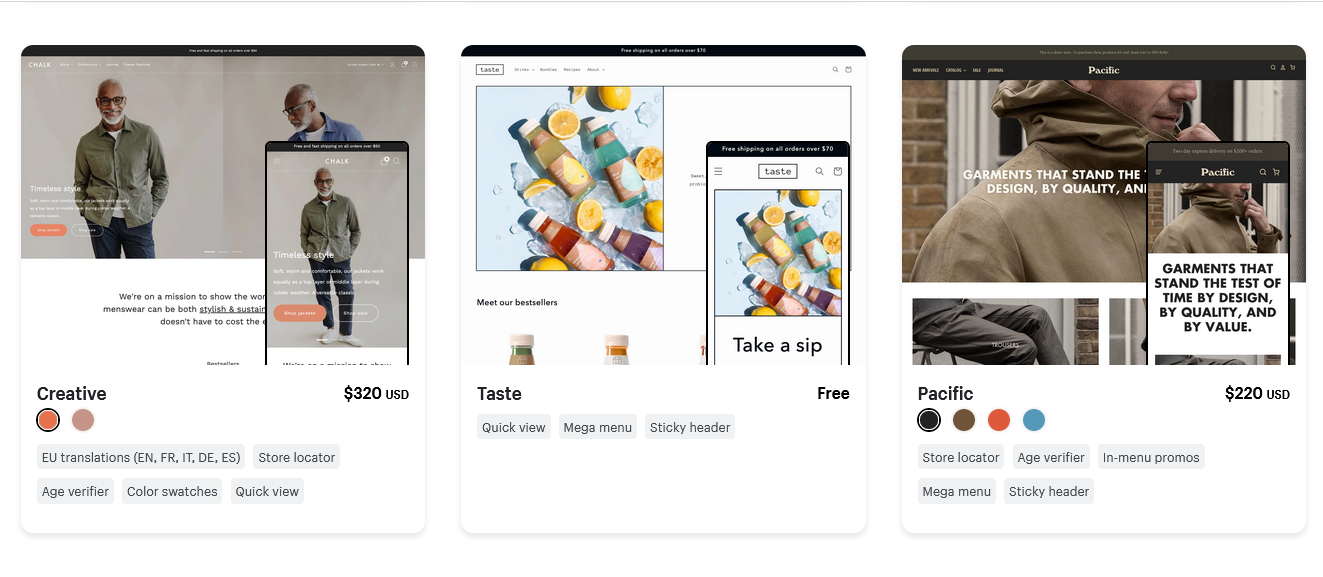
Shopify currently offers 11 free themes and 100 paid premium themes so you may face additional design fees. This compares with 23 free themes available from Volusion (no paid themes).

The free Shopify themes usually require more customizations. The paid themes range from $200 to $330 from Shopify or around $30 to $100 from third-party sites.

Shopify vs Volusion - Shopify Themes

With Shopify, if you use any payment gateway besides Shopify Pay (which is available in 20 countries), you’ll also pay transaction fees between 0.5 percent and 2 percent (depending on which plan you’re on).

Volusion offers slightly lower transaction fees. If you use Volusion Payments (which uses Stripe but is only available in the U.S. ), no transaction fees apply. However, alternative payment gateways will incur fees of between 0.35 percent and 1.25 percent per transaction.

If you use the inbuilt gateways for Shopify or Volusion, the only extra fees will be the standard credit card fees applicable to your country (2.4 to 2.9 percent in the U.S.)

Finally on pricing, bear in mind that if you choose to extend the functionality of your store using the paid apps on the Shopify app store, this will also increase your monthly fees.


Shopify or Volusion for your online store?

If you’re selling products from an online store, Shopify allows you to scale up as your store grows and provides plenty of advanced features for all stores from small startups to major brands and enterprises — wherever you are in the world.

Volusion does a great job for smaller and medium-sized ecommerce businesses but is highly focused on the U.S. market and is far less advanced overall with its ecommerce offerings.

While both platforms can help you ramp up quickly in ecommerce, you’ll find that Shopify is a more comprehensive option for ambitious entrepreneurs.