Cosmetic Product Photographer: How to Hire in 2026

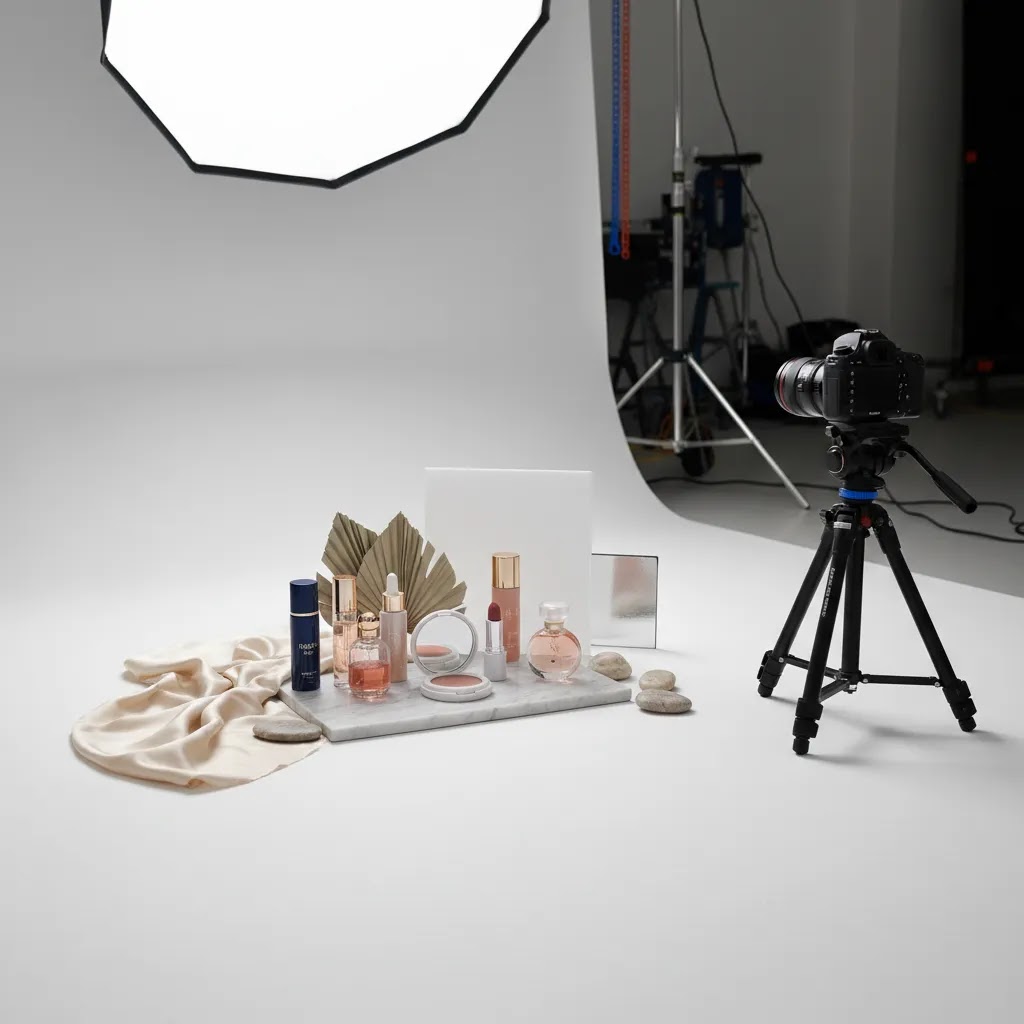
Hiring the right cosmetic product photographer can have a direct effect on how premium, trustworthy, and conversion-focused your beauty brand looks online. For Shopify merchants selling makeup, skincare, fragrance, or personal care products, the goal is not just attractive imagery. It is imagery that makes texture, finish, packaging, and shade accuracy clear enough to support buying decisions. A strong photographer can help you create cleaner PDP photos, stronger ad creatives, and more persuasive collection page visuals. The challenge is finding someone who understands ecommerce requirements, not just editorial beauty shots. This guide walks through what a cosmetic photographer actually does, how to evaluate portfolio quality, what affects product photographer price, and how to hire with fewer mistakes. If you need images that work across store, ads, and marketplaces, this is the shortlist to follow.
Contents
- What a Cosmetic Product Photographer Actually Does
- What to Look For Before You Hire
- How to Evaluate a Beauty Photography Portfolio (What “Good” Actually Looks Like)
- Pricing and Costs
- Cosmetic Photography Shot List Templates (By Product Type)
- Trust and Credibility Checks
- Rights, Licensing, and Usage: How to Avoid Paying Twice
- Pros and Cons of Hiring a Specialist
- Who This Is Best For
- How to Get Started
- Frequently Asked Questions
What a Cosmetic Product Photographer Actually Does
A cosmetic product photographer specializes in creating images for beauty products that need to look accurate, aspirational, and purchase-ready at the same time. That usually includes white background shots for product pages, detailed close-ups for formulas and finishes, styled images for campaigns, and sometimes short-form visuals or spin content for social and paid ads.
For ecommerce brands, this role is broader than many founders expect. A good cosmetic photographer should understand reflective packaging, translucent containers, metallic surfaces, glass, pumps, droppers, and texture-heavy products like creams, powders, and serums. They also need to think in terms of merchandising. Can the image help a customer compare shades, see scale, and trust what will arrive in the mail?
If you are building a beauty catalog, start by reviewing examples of skincare product photography and perfume photography. Those adjacent categories show how different the lighting, props, and retouching standards can be across the beauty space.
At AcquireConvert, we evaluate visual production choices through an ecommerce lens. Giles Thomas, a Shopify Partner and Google Expert, focuses on what actually helps product pages convert, not just what looks good in a portfolio. That matters because beauty brands often need imagery that performs across Shopify themes, Meta ads, Google Shopping assets, and marketplace listings.
What to Look For Before You Hire
The first thing to assess is whether the photographer has true cosmetic category experience. A strong general product photographer may still struggle with foundation bottles, compact powders, lip gloss tubes, or texture swatches. Ask for examples that match your product type and packaging materials.
Next, look at consistency. Your cosmetic product photo set should feel like a collection, not a batch of unrelated shoots. Check whether backgrounds, shadows, crop ratios, color handling, and retouching style stay uniform across multiple SKUs. This is especially important if you sell on Shopify and need clean merchandising across collection pages.
Ask what deliverables are included. You may need:
- White background ecommerce shots
- Lifestyle product images
- Cropped files for marketplaces
- High-resolution assets for email and paid ads
- Detail crops for texture, applicator, or ingredient focus
If your catalog includes shade ranges or routine bundles, ask how they handle color accuracy and set planning. Beauty customers are highly sensitive to visual mismatch. A photographer who understands cosmetic ecommerce should talk about test shots, approval rounds, and retouching boundaries, not just mood boards.
You should also ask whether they work from a dedicated product photography studio or on-location. Studio setups often give better control for catalog consistency, while location or prop-heavy sets may be more useful for campaign assets.
Finally, think about workflow. If you need to supplement traditional photography with faster creative production, reviewing an ai makeup generator can help you decide where AI-assisted visuals might fit beside custom photography, especially for concept testing and campaign mockups.
How to Evaluate a Beauty Photography Portfolio (What “Good” Actually Looks Like)
A portfolio can look impressive and still be a bad fit for ecommerce. The way this works in practice is simple: you are not judging one beautiful image, you are judging whether they can produce a repeatable system that merchandises well on Shopify.
Start by scanning for the shot types most beauty brands actually need. A strong cosmetic product photographer should be able to show:
- Packshots: clean, accurate, consistent product-on-white images that read well at thumbnail size.
- Hero images: one primary image per SKU that looks premium but still sells the product clearly.
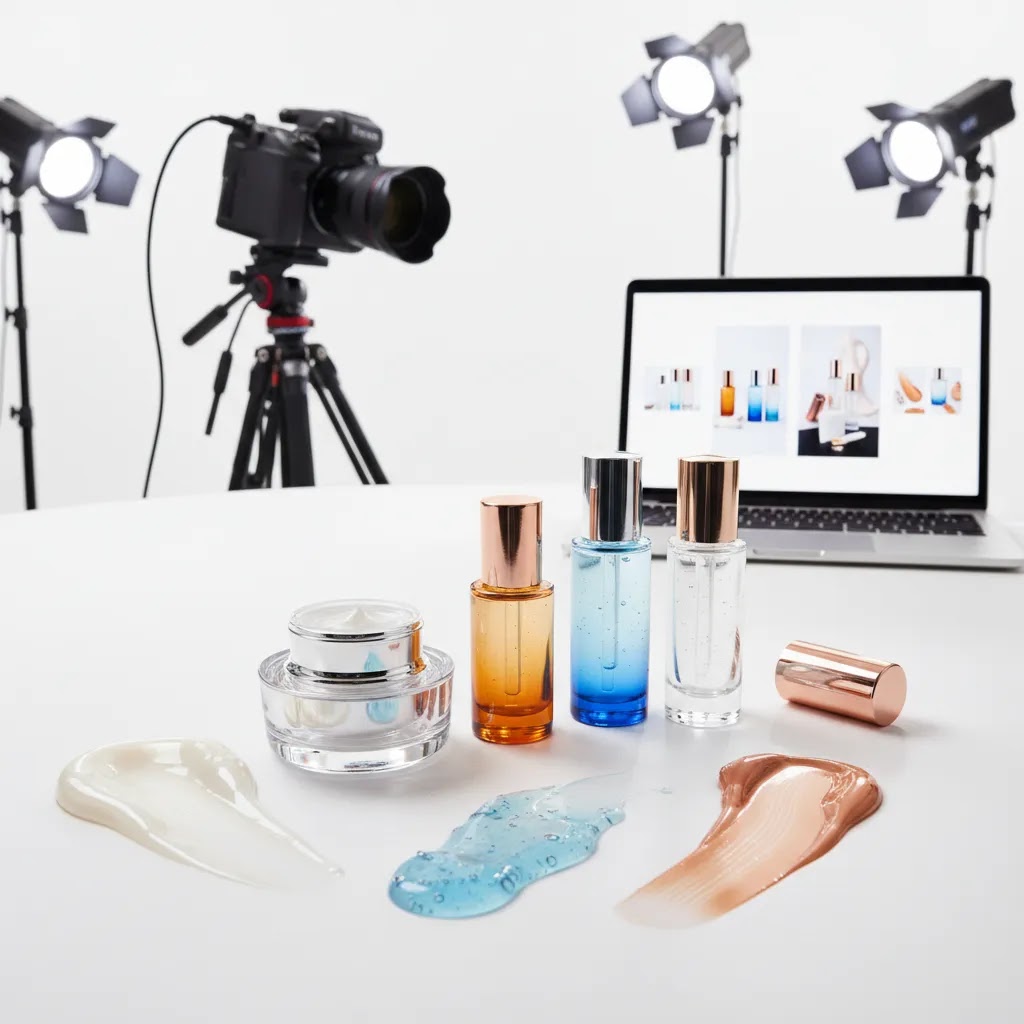
- Texture and smear photography: believable swipes, dollops, smears, and powder texture that communicates finish without looking fake.
- Swatches: consistent lighting and color handling across a range, especially for lip, complexion, and cheek products.
- Motion or stop motion: short loops that show shine, viscosity, or how an applicator works, if you plan to use video on PDPs or ads.
Now, what does “good” look like for each? For packshots and hero images, zoom in. You want sharp label edges, controlled specular highlights on glossy packaging, believable shadows, and no warped logos. For texture shots, look for realism: texture should read true to the product, not over-smoothed into plastic or over-sharpened into grit. For swatches, look for repeatability across the set. If one swatch looks warm and another looks cool under different lighting, that is a sign they are not controlling color properly.
From a practical standpoint, do a quick portfolio audit before you even get on a call:
- Consistency across a full series: do backgrounds, angles, and shadow style match across multiple SKUs, or are they all one-offs?
- Retouching realism: does the product look polished while still believable, especially for texture and translucent packaging?
- Clean cutouts: if they offer transparent background files, do edges look natural around pumps, droppers, and caps?
- Material handling: do they have examples of glass, metallics, chrome caps, and reflective lids without distracting hotspots and messy reflections?
What many store owners overlook is the difference between editorial beauty lighting and merchandising lighting. Editorial images can be stunning and still underperform on a PDP because the product is not clearly readable, the shade is not trustworthy, or the reflection pattern hides the label. If you are selling cosmetics, red flags include inaccurate shade representation, heavy color grading that breaks “true color,” and over-smoothing that makes product texture look misleading. Those issues turn into returns, complaints, and lower ad performance, even if the images win likes on social.
Pricing and Costs
There is no single standard product photographer price for cosmetics because pricing depends on scope. Most photographers or studios quote based on a mix of image count, shot complexity, prop styling, retouching depth, and licensing needs. White background catalog images typically cost less than concept-driven lifestyle scenes with liquid splashes, reflective surfaces, or composite editing.
Before you compare quotes, define exactly what you need. A beauty founder who asks for “10 product photos” may get wildly different proposals depending on whether that means 10 basic packshots or 10 fully retouched campaign-ready images. Clarify:
- How many final images per SKU
- Whether retouching is included
- Whether model hands, swatches, or application shots are needed
- Whether props and art direction are included
- Whether usage rights cover ecommerce, ads, email, and marketplaces
You should also budget for shipping samples, replacements for damaged packaging, and time spent on prep. For cosmetics, prep can be substantial because fingerprints, label misalignment, leaking products, and scratched lids show up fast under studio lighting.
If your brand is early stage, it may make sense to prioritize core ecommerce images first, then layer in premium lifestyle content later. That staged approach often protects cash flow while still improving your store presentation. Brands that need a larger image library can also compare photography planning with broader e commerce product photography guidance before commissioning the full project.
Cosmetic Photography Shot List Templates (By Product Type)
If you want accurate quotes and fewer reshoots, your shot list needs to be specific by product type. Consider this: a serum dropper and a lip gloss have completely different “proof points.” Your shot list should match what shoppers need to see to buy with confidence.
Here are practical starting templates you can adapt.
Skincare (serum dropper, pump, or cream jar)
- Primary packshot on white: label perfectly readable, consistent angle with the rest of the line.
- Secondary angle: 3/4 view to show depth of bottle, pump, or jar shape.
- Open or functional shot: cap off, dropper out, or pump detail so shoppers understand dispensing.
- Texture shot: cream dollop, gel smear, or serum drop with realistic shine and viscosity.
- Scale cue: in-hand or next to a simple reference, if your brand commonly gets “smaller than expected” feedback.
Makeup (lip gloss, foundation, concealer, powder)
- Primary packshot on white: this is the thumbnail that has to sell.
- Shade communication: swatch or smear approach, consistent lighting across the range.
- Applicator detail: wand out, doe-foot close-up, sponge tip, brush head, or dropper, depending on product.
- Finish close-up: highlight shimmer, gloss shine, or powder texture without turning it into noise.
- Packaging detail crop: logo, shade name sticker, or shade window, if that is how customers identify variants.
Fragrance (bottle plus box)
- Hero packshot of bottle: controlled reflections on glass and cap, label readable.
- Bottle plus box: front-facing, aligned, clean edges so it looks premium on PDPs.
- Angle variation: 3/4 view to show the bottle shape and cap depth.
- Detail crop: atomizer, embossing, label texture, or cap material.
- Optional styled image: minimal props that support the scent story without hiding the product.
Now, when it comes to Shopify merchandising, standardization is what makes collection pages feel premium. Decide what stays consistent across SKUs before the shoot: camera angle, crop ratios, background tone, shadow style, and spacing so thumbnails align. If you do this upfront, your product grid looks intentional, not chaotic.
Also plan for the add-on shots that brands often forget until it is too late: packaging unboxing, cap-off views, applicator or wand shots, texture swipes, and scale cues. These are usually the images that reduce hesitation on PDPs, and they are much cheaper to capture during the main shoot than to recreate later.

Trust and Credibility Checks
Portfolio quality matters, but trust signals matter just as much. Ask who the photographer has worked with, how they manage approvals, and what happens if the first round misses the brief. A reliable cosmetic photographer should be able to explain their process clearly, from intake and sample handling to proofing and revision cycles.
Review their website carefully. A polished product photographer website should show more than a hero reel. Look for full project examples, not just isolated highlight shots. You want evidence that they can maintain standards across dozens of SKUs, which is what ecommerce usually requires.
Ask about turnaround times and file delivery specs. Shopify merchants commonly need web-ready crops, transparent background variants, square social crops, and high-resolution originals. If the answer is vague, that is a warning sign.
For beauty brands, a photographer who understands conversion rate optimization will usually make better decisions around framing, consistency, and image sequence. If you are still defining your brand direction, browsing the broader Cosmetics Photography category can help you benchmark visual standards before shortlisting vendors.
Rights, Licensing, and Usage: How to Avoid Paying Twice
Pricing and costs are not just about the shoot day. The reality is that usage rights are often the hidden line item that changes your total cost, and they can catch founders off guard after the images are delivered.
When a photographer talks about “usage rights,” they typically mean where and how you are allowed to use the final images. For ecommerce, that can include your Shopify store, email marketing, paid ads, social content, marketplaces, and sometimes print. The more channels you want to cover, the more the photographer may charge, especially if the images will support paid campaigns.
To avoid mismatches, get the key terms in writing before you pay a deposit:
- Term length: how long you can use the images, such as a fixed term or perpetual use.
- Channels: Shopify site, paid social, Google Ads, email, marketplaces, print, wholesale decks.
- Regions: one country versus global use.
- Exclusivity: whether they can shoot similar work for competitors, and what that means for cost.
- Modification rights: whether you can crop, resize, overlay text, or create new aspect ratios for ads.
- Future reuse: whether you can reuse images for bundles, routine kits, gift sets, or updated labels.
Common mismatch scenarios are simple. A photographer quotes assuming web-only use, but you plan to run Meta ads, use the same images in email, and upload variants to marketplaces. Or you start with still images, then later need motion, stop motion, or new aspect ratios for ads and Shopify sections. If you know those needs might happen, say so early. It usually leads to a clearer quote and fewer headaches later.
Think of it this way: your images are creative assets, and you want them to work across your acquisition and conversion stack. The more you plan usage upfront, the more value you typically get from the same shoot.
Pros and Cons
Strengths
- A specialist cosmetic product photographer understands reflective packaging, glass, metallic caps, and texture-based products better than a generalist.
- They can create images suited to ecommerce use, including PDP shots, collection thumbnails, paid social creatives, and email assets.
- Beauty-specific experience usually improves color handling for shades, finishes, and formula details that influence purchase confidence.
- Specialists often have stronger retouching judgment, which helps products look polished without becoming misleading.
- They can plan cohesive image systems across skincare, makeup, and fragrance lines, which supports a more premium storefront.
Considerations
- Beauty specialists often charge more than general product photographers, especially if extensive retouching or styling is needed.
- Lead times may be longer because cosmetic shoots usually require more prep, approvals, and packaging perfection.
- If you need frequent launches, relying only on custom photography may slow content production compared with mixed workflows that include AI-assisted mockups.
- Some photographers produce beautiful editorial work but may not understand ecommerce file specs, CRO needs, or marketplace image rules.
Who This Is Best For
Hiring a specialist is usually the right move for skincare, makeup, fragrance, and personal care brands that want premium-looking product pages and more consistent brand presentation. It makes the most sense when you have enough SKU depth to benefit from a repeatable visual system, or when you are preparing for paid acquisition and need sharper creative assets.
It is especially valuable for Shopify stores that sell visually sensitive products like tinted serums, lip colors, glosses, or luxury packaging. Smaller brands with very limited inventory may start with a narrower shot list, then expand once sales volume justifies more lifestyle content. If you are balancing custom shoots with faster experimentation, revisit the ai makeup generator option for concept support rather than treating it as a full replacement for photography.
How to Get Started
Start with a shot list before you contact anyone. List every SKU, packaging variation, and image type you need. Separate must-have ecommerce shots from campaign extras. That alone will make quote comparisons far more useful.
Next, shortlist three to five photographers whose portfolio includes beauty work. If you are searching locally with terms like product photographer Houston or product photographer Phoenix, still judge them on category fit, not geography alone. Remote studios can work well if their process for shipping, proofing, and revisions is strong.
Then send a simple brief that covers product type, target customer, preferred references, required file sizes, and intended use across Shopify, ads, and social channels. Ask for pricing, turnaround time, revision policy, and sample handling details.
Before committing to a full catalog, consider a paid test with one hero product. That gives you a low-risk way to evaluate communication, execution, and retouching quality. If the results align with your brand, scale from there.
Frequently Asked Questions
What is a product photographer for cosmetics?
A cosmetic product photographer creates commercial images for beauty products such as skincare, makeup, fragrance, and personal care items. Their job usually includes catalog shots, styled lifestyle scenes, retouching, and assets tailored for ecommerce. The best ones understand beauty-specific challenges like reflective packaging, texture detail, and color accuracy, which are all important for online selling.
How much does a cosmetic product photographer cost?
Pricing varies based on image count, shoot complexity, styling, retouching, and usage rights. A simple white background shoot typically costs less than a multi-image campaign set with props and compositing. The best way to compare quotes is to give each photographer the same shot list and deliverable requirements. That usually leads to cleaner, more realistic proposals.
Should I hire a local photographer or work with a remote studio?
Either can work. A local photographer may be useful if you want to attend shoots or collaborate closely on styling. A remote studio can still be a strong option if they have a reliable intake process, clear proofing steps, and consistent ecommerce experience. For many Shopify brands, process quality matters more than location.
What should I ask before hiring a product photographer?
Ask about relevant beauty portfolio examples, revision rounds, turnaround times, retouching standards, usage rights, and final file specs. You should also ask how they handle damaged samples, color accuracy, and consistency across large SKU ranges. Those details affect both cost and how useful the images will be once uploaded to your store.
Do cosmetic product photographers offer video, motion, or stop motion content?
Some do, some do not. Many cosmetic product photographers focus on stills first, then offer add-ons like short-form motion clips, stop motion loops, or simple spins for PDPs and ads. If motion matters for your launch, ask to see examples and confirm exactly what is included, such as clip length, resolution, aspect ratios for ads, and whether basic retouching and color matching is included. Platform requirements can change, so confirm the current specs you need for Shopify, Meta, or marketplace listings.
How many images per product do I need for a cosmetics Shopify product page?
It depends on product complexity and how visually sensitive the buying decision is. In many cases, a solid baseline is a primary packshot, at least one alternate angle, and a detail shot that supports the main question a shopper has, such as texture, applicator, or finish. Shade ranges and routine products typically need more, especially if you want shoppers to compare variants confidently. If you are unsure, build a minimum set for every SKU, then add the extra images only where they reduce hesitation.
What is texture photography (smears and swatches) and when should I use it?
Texture photography shows what the product looks like when it is applied or dispensed, such as a cream dollop, serum drop, foundation smear, or powder swatch. It is useful when finish and feel are part of the buying decision, like glow versus matte, sheer versus full coverage, or gritty versus silky texture. The key is realism. Texture shots should match the product’s true color and finish, and they should not be so heavily retouched that they stop being believable.
What usage rights should I ask for when hiring a cosmetic product photographer?
Ask for usage rights that match how you will actually use the images: your Shopify store, email marketing, organic social, paid ads, and any marketplaces you sell on. Also confirm term length, regions, and whether you can crop, resize, and overlay text for ad creative. If you plan to reuse images for bundles, gift sets, or future packaging updates, mention that upfront so the agreement reflects it. Clear usage terms help you avoid paying twice when your marketing expands.
Can AI replace a cosmetic product photographer?
In most cases, not fully. AI tools may help with concept generation, background variations, or campaign mockups, but custom photography is still important for accurate packaging, shade representation, and trustworthy ecommerce imagery. Many brands get better results from a mixed workflow where photography handles core assets and AI supports speed and variation.
What files should I request for Shopify?
Request high-resolution originals, web-ready compressed images, and any required crop variations for product pages, collection pages, ads, and email. If needed, ask for transparent background files and square crops for social use. Keeping filenames and image ratios consistent will make Shopify uploads cleaner and may simplify ongoing merchandising work.
Key Takeaways
- A cosmetic product photographer should understand beauty-specific materials, textures, and color sensitivity, not just general product shooting.
- Your brief should define deliverables clearly, including image count, retouching, usage rights, and Shopify-ready file formats.
- Portfolio quality is not enough on its own. Process, consistency, and ecommerce relevance matter just as much.
- For many beauty brands, a paid test shoot is the safest way to validate fit before commissioning a full catalog.
- AI can support ideation and speed, but it usually works best alongside, not instead of, custom cosmetic photography.
Conclusion
If you need imagery that helps your beauty products look credible online, hiring the right cosmetic product photographer is usually worth the effort. The right fit will understand packaging challenges, texture accuracy, and the practical demands of Shopify merchandising. That means better product pages, stronger creative consistency, and a smoother workflow across ecommerce and marketing channels. If you are a newer brand, start small with a tightly scoped test project and expand once the process proves itself. If you already have traction, focus on building a repeatable visual system that can scale across launches. Your next best step is simple: create a shot list, shortlist specialists with relevant beauty work, and compare proposals based on ecommerce usefulness, not just aesthetic style.
Disclosure: AcquireConvert may receive affiliate compensation from some links or third-party tools mentioned where applicable. This article is for educational purposes and does not guarantee business results. Image performance and ecommerce outcomes vary based on your niche, offer, traffic, creative strategy, and implementation quality.
Hi, I'm Giles Thomas.
Founder of AcquireConvert, the place where ecommerce entrepreneurs & marketers go to learn growth. I'm also the founder of Shopify agency Whole Design Studios.