Types of Commercial Photography (2026)

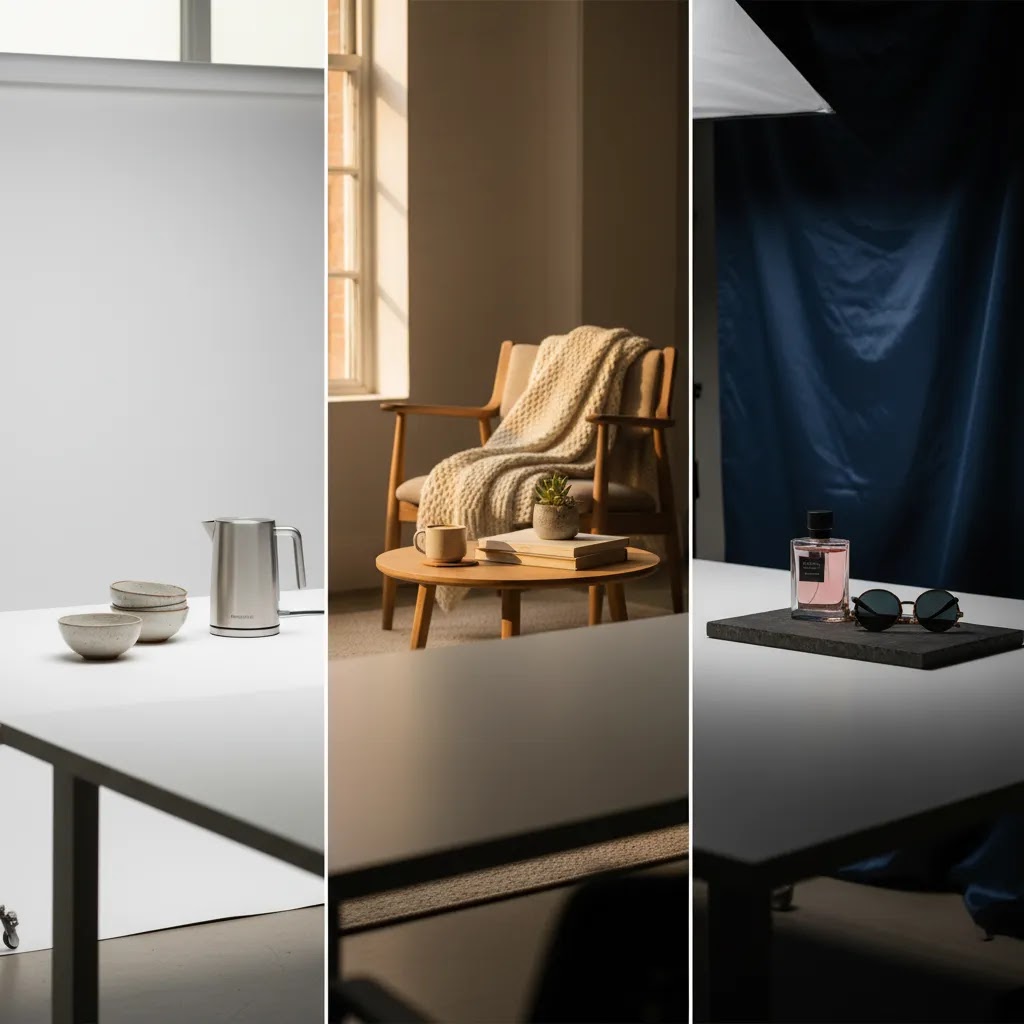
Understanding the main types of commercial photography helps ecommerce brands choose the right images for product pages, paid ads, email campaigns, and social content. If you sell physical products, the best approach is rarely one style only. Most Shopify stores need a mix of clean packshots, lifestyle scenes, and brand-led creative images to support both conversion and acquisition. This guide explains the most important commercial photography categories, where each one fits in an ecommerce workflow, and how to decide what to shoot first. At AcquireConvert, we assess visual content through the lens of store performance, drawing on Giles Thomas’s experience as a Shopify Partner and Google Expert. If your goal is to improve how your products look online, this is a practical place to start.
Contents
- What Commercial Photography Means for Ecommerce
- Is Wedding Photography Commercial Photography?
- The Main Types of Commercial Photography
- Commercial Photography Examples (By Ecommerce Use Case)
- Pricing and Cost Expectations
- Pros and Cons of Each Approach
- Commercial Photography Techniques (What Changes Between Styles)
- Who Should Use Which Type
- How to Get Started
- Frequently Asked Questions
What Commercial Photography Means for Ecommerce
Commercial photography is any photography created to help sell, market, or position a product, service, or brand. For ecommerce businesses, that usually means images used on collection pages, product pages, landing pages, email campaigns, marketplaces, and paid social ads.
The mistake many store owners make is treating all product images as the same job. They are not. A white background image answers a very different customer question than a styled lifestyle image. One is about clarity and comparison. The other is about context, aspiration, and emotional fit.
If you are still building your visual strategy, start by reviewing the broader role of lifestyle photography in ecommerce and brand building. It often works alongside studio-based product images rather than replacing them.
Commercial photography also goes beyond products alone. It can include branded campaign photography, food photography, fashion editorials, corporate team photography, architectural shoots, and advertising-led creative work. For ecommerce brands, though, the most commercially useful categories usually fall into a smaller set: packshots, lifestyle, detail photography, on-model photography, flat lays, group shots, and campaign visuals.
If your store is growing and your current visuals feel inconsistent, it may also help to understand what a product photography studio can handle versus what your team can realistically create in-house.
Is Wedding Photography Commercial Photography?
Here’s the thing: “commercial” is about usage and intent, not the subject. Wedding photography is usually commissioned for personal use, which makes it non-commercial in most cases. But the same photos can become commercial photography if they are used to market a business.
For example, a photographer using wedding images on their website, in paid ads, or on social media to sell their services is using those images commercially. A venue using wedding photos in brochures or on their homepage is also commercial use. The style can look documentary, editorial, or lifestyle, but the category changes once the images are used to sell.
This is where store owners often get tripped up with phrases like “commercial photography allowed meaning.” In practice, it usually means the creator has granted permission (a license) for business use, such as on your Shopify store, in email marketing, and in ads.
Licensing can get complex, so keep it practical: when you hire a photographer for ecommerce, ask what usage is included, and get it in writing. A few high-impact items to clarify are:
- Where you can use the images: your website, marketplaces, email, organic social, and paid ads
- How long you can use them: a set term or ongoing usage
- Whether usage is exclusive or non-exclusive, especially if the photographer shoots for multiple brands in your niche
- What deliverables you will receive: file format, resolution, orientation, and how many selects per product
- Retouching expectations: what “standard retouching” includes, and what counts as extra
You do not need to turn this into a legal project, but you do want clarity. If you plan to run Meta ads, Google Ads, or use images on marketplaces, make sure those channels are covered. Ad policies and marketplace requirements can change, so it is smart to verify current guidelines before you lock a brief.
The Main Types of Commercial Photography
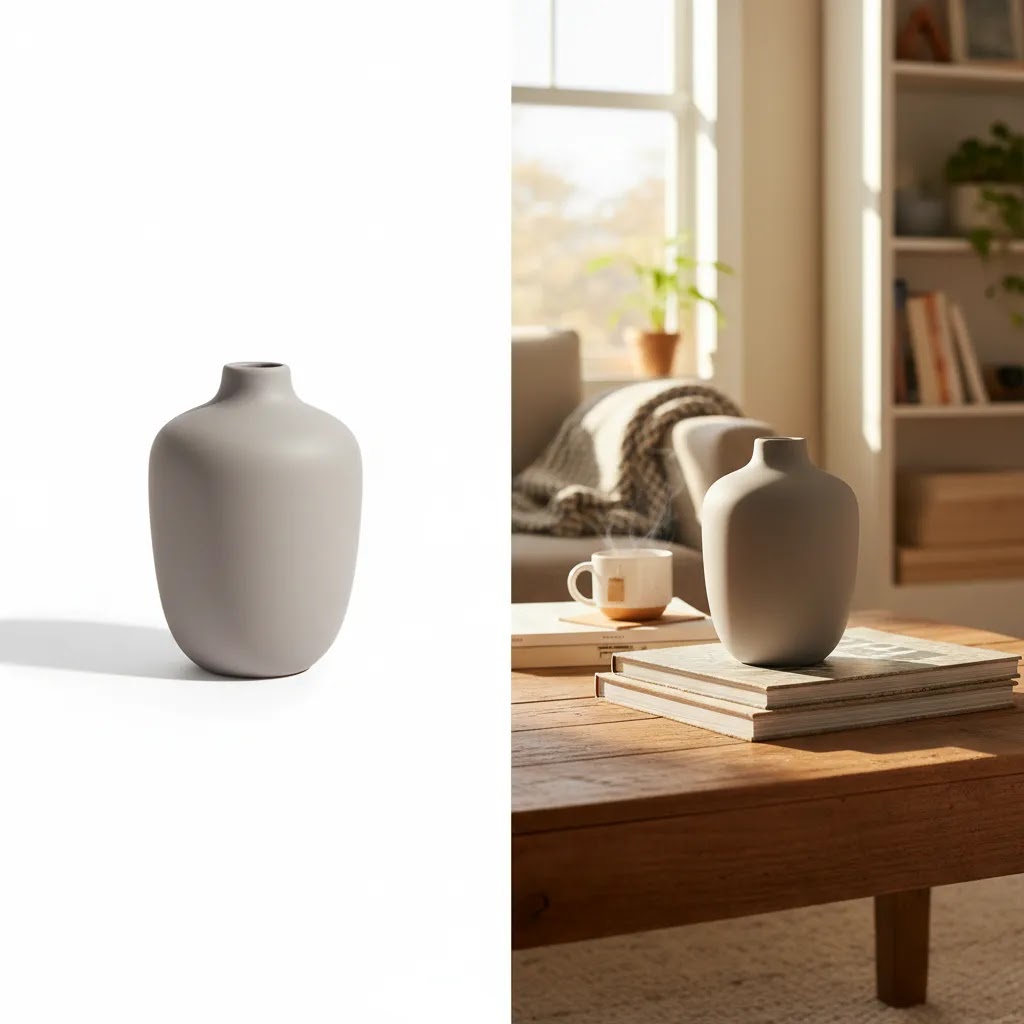
1. Product packshot photographyThese are the clean, isolated product images commonly used on white or transparent backgrounds. They are essential for product pages, category grids, Google Shopping feeds, and marketplaces. This is the most functional type of product photography and often the first one an ecommerce store needs.
2. Lifestyle product photographyThis style shows the product in use or in a real-world setting. It helps customers imagine ownership and understand scale, fit, and context. For many direct-to-consumer brands, lifestyle images are central to conversion because they reduce uncertainty. If you need creative direction, these lifestyle photoshoot ideas can help you plan scenes with more commercial purpose.
3. Commercial brand photographyBrand photography focuses less on a single SKU and more on the overall feel of the business. Think homepage hero banners, campaign images, founder visuals, packaging moments, and social assets that communicate positioning. This style is especially useful for premium brands where visual identity supports perceived value.
4. On-model or apparel photographyCommon in fashion, accessories, beauty, and wearable tech, this format shows how products fit on a person. It can include ghost mannequin, full-body editorial shots, close crops, or movement-based images. Apparel brands often need both studio and lifestyle versions to answer practical and emotional buying questions.
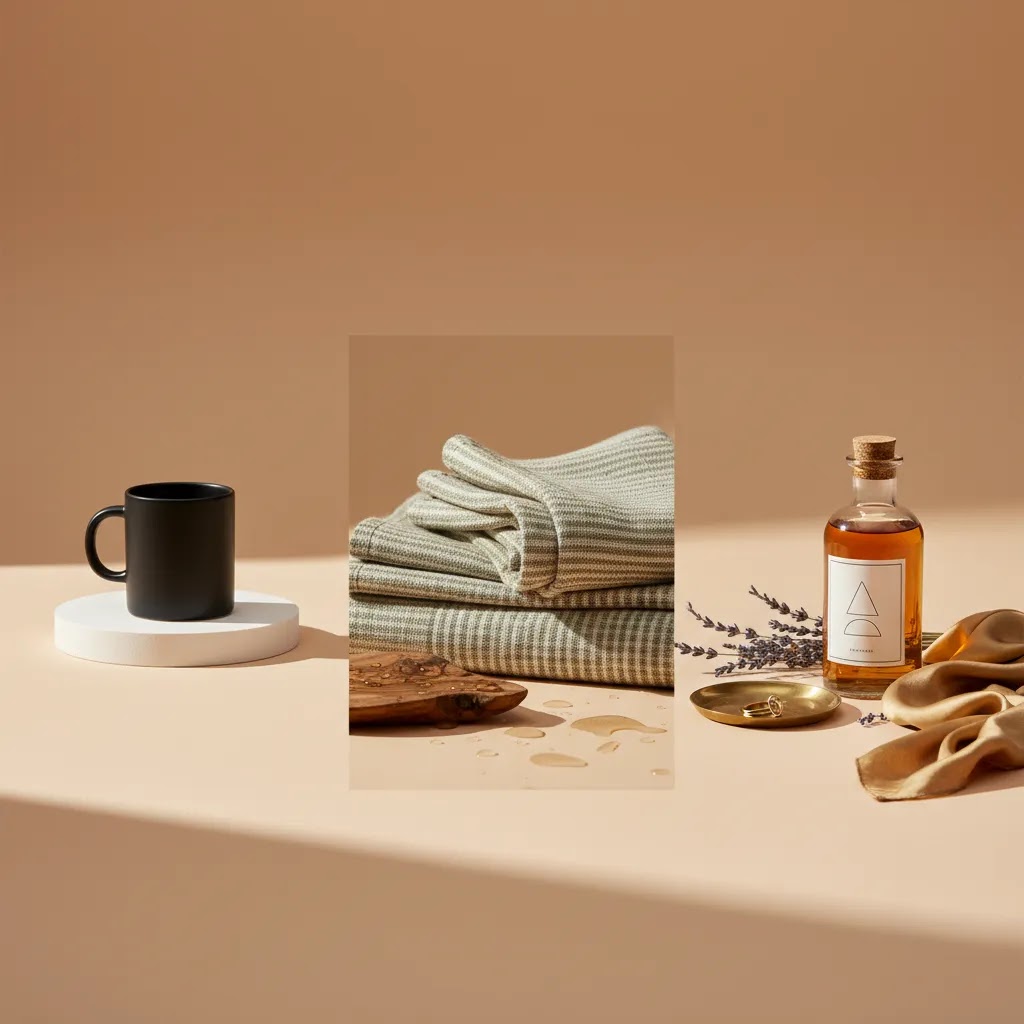
5. Flat lay photographyFlat lays arrange products from above, usually in a styled composition. They are useful for social content, gifting bundles, collections, and editorial storytelling. They can work well for cosmetics, stationery, food, and home goods, though they are usually supporting assets rather than the main product page image.
6. Detail and macro photographyClose-up photography highlights texture, materials, stitching, finishes, ingredients, or craftsmanship. This is particularly important for premium products, handmade items, cosmetics, jewelry, and technical goods where buyers need reassurance on quality.
7. Group and collection photographyThese images show multiple products together. They work well for bundle offers, product families, seasonal edits, and upsell opportunities. They are also strong assets for collection pages and email campaigns.
8. Advertising and campaign photographyThis is concept-led photography built for launches, paid campaigns, landing pages, and seasonal promotions. It tends to be more stylized and expensive than standard ecommerce photography, but it can give a brand distinct creative assets for acquisition channels.
For most Shopify merchants, the practical mix is packshots first, lifestyle second, and brand or campaign imagery once the store has a clearer visual identity and enough traction to justify the extra spend. You can browse more examples across AcquireConvert’s E Commerce Product Photography and Lifestyle Product Photography topic areas.
Commercial Photography Examples (By Ecommerce Use Case)
Categories help, but most store owners need to visualize what each type actually looks like in a Shopify workflow. Consider this: the same SKU often needs different images depending on where the customer sees it first, and how much space you have to communicate.
Examples of what each image type looks like in practice
Packshots (white or clean background): Your product page main image, collection grid tiles, Google Shopping primary images, and marketplace listings. Think front angle, back angle, side angle, and a clean “what you get” shot for sets.
Lifestyle images: A product page gallery image that shows scale, an email hero image that sells the outcome, or paid social creative where the product is used in a believable moment. For a kitchen product, that might mean “in hand” and “on counter” shots, not just a styled scene with props.
Commercial brand photography: Homepage banners, about page visuals, packaging moments, and social content that reinforces positioning. These images are less about the SKU and more about the brand world you want customers to buy into.
On-model photography: Apparel product page galleries with front, back, and side views, plus a close crop of key details. You may also use on-model images in collection pages to communicate fit and silhouette faster than product-only shots.
Flat lays: Social posts, gifting guides, bundle callouts, and seasonal edits. Flat lays often work as supporting visuals, especially when you want to show multiple items without the complexity of on-model or location shooting.
Detail and macro: A product page “quality proof” image, like stitching, fabric texture, ingredient texture, clasp details, or finish. These images often do the heavy lifting for premium pricing because they show what words cannot.
Group and collection: Collection page banners, bundle product pages, email modules, and “complete the set” upsell moments. A clean group shot can also help shoppers understand colorways or size tiers quickly.
Advertising and campaign: Launch landing pages, seasonal promotions, and paid acquisition creative where you are testing concepts, angles, and hooks. These images tend to prioritize attention and mood, then send the click to your product page to answer details.
Match image type to channel requirements (where Shopify stores get constrained)
From a practical standpoint, channels impose different rules, and that should influence what you shoot first.
- Shopify product pages: You can use a mix, but the first image should make the product instantly clear at thumbnail size. If your featured image is too “creative,” you may reduce scanability in collection pages and related product modules.
- Google Shopping: Primary images are typically expected to be clear, product-forward, and not overly styled. In many cases, clean packshots reduce disapprovals and help comparison shopping. Requirements can change, so check current Merchant Center policies before you commit to a specific style for your feed.
- Marketplaces: Many marketplaces prefer or require white backgrounds for main images. If marketplaces are a meaningful channel for you, plan packshots as a non-negotiable baseline.
- Paid social: Crops change everything. A wide lifestyle shot that looks great on your site may lose the product in a square or vertical format. Shooting with “safe space” around the product, and capturing a few tighter variations, makes creative testing easier.
- Email and SMS: You have limited attention and often limited space. Detail shots and simple lifestyle images can outperform complex scenes because the product and benefit are easier to understand at a glance.
A quick checklist for choosing examples that match your brand
What many store owners overlook is consistency. A store can have good individual photos, but still look untrustworthy if the library feels stitched together. When you are collecting references or approving test shoots, look for:
- Lighting consistency: Similar brightness and shadow behavior across SKUs so your collection pages do not look messy.
- Background and surface style: White background means many different things. Decide whether it is pure white, light gray, or a soft gradient, and stick to it.
- Prop rules: A small set of repeatable props can build brand, but random props create noise. Decide what is “on brand” and what is not.
- Model styling standards: Hair, makeup, wardrobe, and posing should reflect your target customer, not just what looks cool on shoot day.
- Color handling: Your product colors should not swing from warm to cool between images. Color accuracy is a conversion issue, not a creative preference.
Pricing and Cost Expectations
Commercial photography pricing varies widely because the cost depends on far more than camera time. Scope, editing needs, props, model fees, location, usage rights, image volume, and retouching complexity all affect the final quote.
For ecommerce operators, the most affordable work is usually straightforward packshot photography. This is because lighting, angles, and post-production are more standardized. Lifestyle and campaign photography typically cost more because they involve creative direction, props, location planning, and often talent.
A useful way to think about cost is by business objective:
- Packshots support product clarity and feed compliance
- Lifestyle images support conversion and perceived value
- Brand and campaign images support acquisition and positioning
If your margins are tight, do not assume you need a large creative shoot immediately. A lean store can often start with strong core product images and add lifestyle photography in stages. This is usually a better use of cash than trying to produce every image type at once.
Some brands also reduce shoot costs by using AI-assisted editing tools for backgrounds, cleanup, and creative variations after the main photography is complete. Based on current tool data, ProductAI offers image-related tools such as AI Background Generator, Free White Background Generator, Increase Image Resolution, Remove Text From Images, Background Swap Editor, Place in Hands, Magic Photo Editor, and Creator Studio. No pricing data was provided in the available product tool results, so it would be unhelpful to state a cost here. What matters for store owners is that post-production tools may reduce the amount of reshooting needed, especially for catalog updates and ad creative variations.
Pros and Cons
Strengths
- Commercial photography gives ecommerce brands a clear structure for matching image type to channel, page type, and buying stage.
- Packshots, lifestyle shots, and detail images each answer different shopper questions, which can improve the overall buying experience.
- A mixed photography strategy can support both conversion rate optimization and customer acquisition, especially across product pages and paid social.
- Professional visuals often help smaller brands look more credible, which may matter when competing against larger stores with similar products.
- Once a repeatable style is established, content production becomes easier to scale across new launches and seasonal campaigns.
Considerations
- Commercial photography can become expensive quickly if you try to produce every format at once, especially with models, locations, or heavy retouching.
- Not every image type is equally useful for every store, so overspending on creative assets without a clear conversion role is common.
- Lifestyle and campaign photography need stronger creative direction than basic product shots, which can be difficult for lean teams without prior experience.
- AI editing tools may speed up production, but they still need oversight to avoid unrealistic results or inconsistent brand presentation.
Commercial Photography Techniques (What Changes Between Styles)
The reality is that “types of commercial photography” are not just creative categories. They come with different production techniques, and those technique choices affect cost, speed, and how well the images perform on your store.
What changes between packshots, lifestyle, macro, and on-model
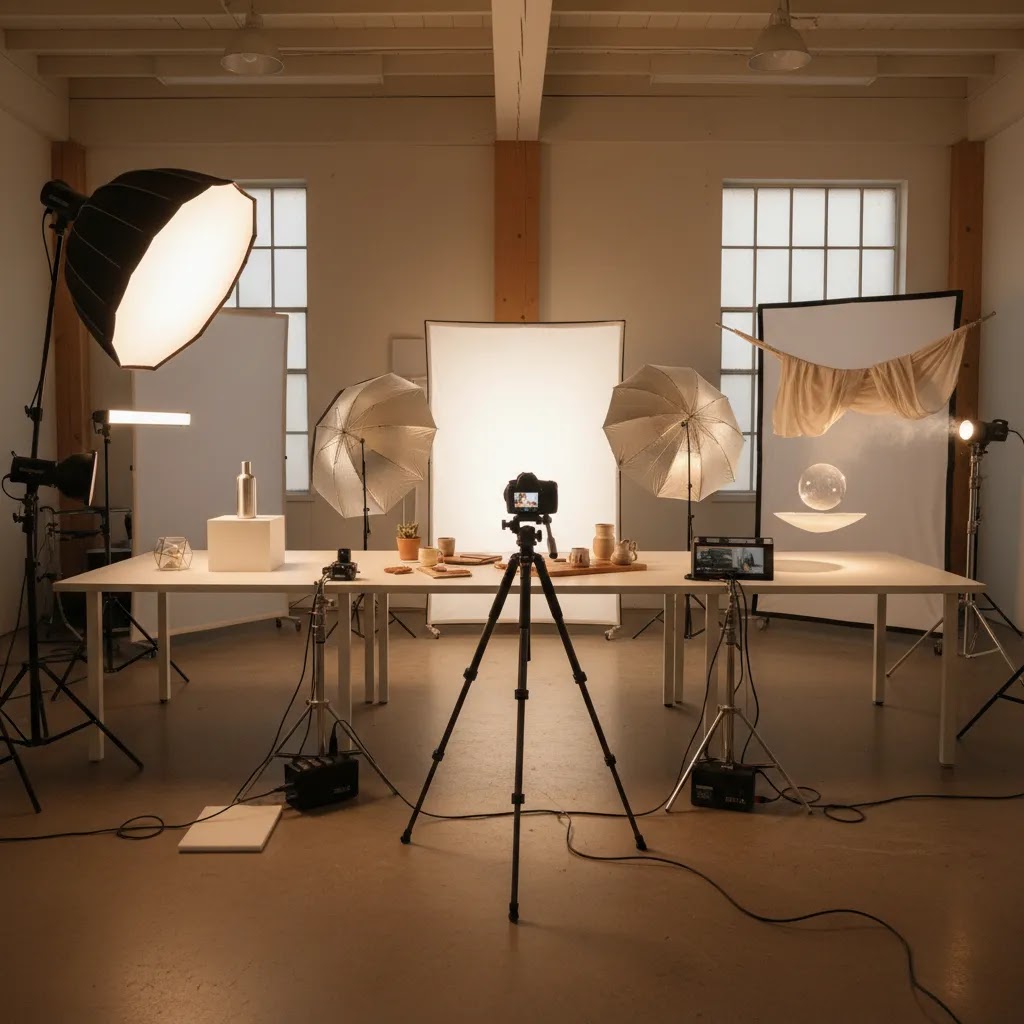
Packshots: These are built on repeatability. The goal is consistent angles, consistent scale, and consistent lighting so your catalog looks like one brand. Most packshot setups use controlled lighting and a standardized camera position so each SKU matches the last, which matters for Shopify collection pages and product page galleries.
Lifestyle: Lifestyle shoots are more variable because you are dealing with environments, mixed lighting, and storytelling. That can be a strength, but it also means you need clearer creative direction. If you want to reuse lifestyle images across ads, email, and product pages, plan multiple crops and orientations, not just one “perfect” hero frame.
Detail and macro: Close-up work is less forgiving. Focus, stabilization, and lighting become harder because you are emphasizing texture and tiny imperfections. If you sell premium products, macro is often worth the effort, but it typically requires more time per SKU to get it right.
On-model: Fit and drape are the whole point. Posing, styling, and consistency between shots matter as much as the camera. A strong on-model set usually includes repeatable poses that show shape and length, plus a few movement shots to communicate how the product behaves in real life.
Post-production standards that protect trust (and reduce avoidable problems)
What many store owners overlook is that editing standards are part of conversion. Retouching can improve perceived quality, but it can also create returns and negative reviews if it misrepresents the product.
- True-to-life color: If your “blue” product shifts between teal and navy across images, customers may feel misled. In many cases, better color consistency reduces friction and could reduce returns.
- Consistent shadows and cutouts: Overly harsh shadows, floating products, or inconsistent drop shadows can make a store feel less credible.
- Dust and defect cleanup: Basic cleanup is normal, but removing real product features that customers will receive is risky. The goal is a clean representation, not a different product.
- Skin retouching boundaries for on-model: Keep it natural. Heavy retouching can create unrealistic expectations, especially for beauty and apparel brands.
- Avoiding misleading edits: Do not “improve” texture, thickness, or finish beyond what a customer will actually get. You may win the click, but you lose trust post-purchase.
How technique choices connect back to CRO and acquisition
Think of it this way: your images are doing two jobs at once. They help convert on the product page, and they also fuel acquisition channels.
Packshots and accurate detail shots support product clarity, which is foundational for conversion rate optimization. Lifestyle and campaign images support creative testing in ads, which can improve click-through rate and help you find winning angles faster. For many Shopify stores, the best approach is not “studio vs lifestyle,” it is building a repeatable system where each image type has a defined role and quality standard.
Who Should Use Which Type
Stores selling standardized products with many SKUs usually need packshots and detail photography first. Apparel, beauty, home goods, and premium lifestyle brands often benefit earlier from lifestyle and on-model photography because context matters more in the purchase decision.
Newer Shopify stores should usually prioritize image types that remove friction on product pages. More established brands with repeat customers and paid acquisition spend can justify broader campaign photography because they have more channels to use it effectively.
If you are unsure where to start, the safest sequence is simple: core product images first, then contextual lifestyle assets, then broader brand creative once your offer and positioning are proven.
How to Get Started
Start by auditing your current store images page by page. Look at your homepage, collection pages, best-selling product pages, ads, and email creatives. Ask a simple question for each image: what customer concern is this supposed to answer?
Next, sort your needs into three buckets:
- Must-have conversion assets, such as white background product shots and close-ups
- Context assets, such as lifestyle scenes and on-model images
- Growth assets, such as campaign or social-first creative
Then decide whether to shoot in-house, hire a local commercial photographer, or work with a studio. If you are building references, your existing lifestyle photography strategy should guide scene selection, tone, and intended use, not just aesthetics.
Keep the first brief narrow. Focus on your top products, the channels that already drive traffic, and the few image types most likely to influence buying decisions. That disciplined approach usually produces better returns than trying to create a large library before you know what your audience responds to.
Frequently Asked Questions
What is commercial photography in simple terms?
Commercial photography is photography created to market or sell something. In ecommerce, that usually means product photos, lifestyle images, campaign visuals, and brand assets used on a store, in ads, or across social channels. The goal is practical business use, not personal or purely artistic use.
What are the most important types of commercial photography for ecommerce?
For most online stores, the main priorities are packshot photography, lifestyle photography, detail shots, and group images. Apparel brands may also need on-model photography. These formats serve different roles, from showing product accuracy to helping shoppers imagine real-world use.
Is lifestyle photography the same as commercial photography?
No. Lifestyle photography is one type of commercial photography. It focuses on showing a product in context, often with people or styled environments. Commercial photography is the broader category that includes studio product shots, campaign photography, food photography, fashion photography, and more.
How much does commercial photography usually cost?
Costs vary based on shoot complexity, retouching, props, location, models, and usage needs. Basic studio product photography is usually less expensive than lifestyle or campaign work. The best way to control costs is to prioritize image types by business value instead of commissioning every format at once.
Should a small Shopify store hire a commercial photographer?
A small Shopify store may benefit from hiring a photographer if product presentation is a major factor in trust or conversion. That said, not every store needs a large shoot immediately. Many can start with a focused set of core product images, then expand into lifestyle content as revenue and traffic grow.
Can AI tools replace commercial photography?
Usually not fully. AI tools can help with background edits, cleanup, scene variation, and creative testing, but they work best as part of the production process rather than a total replacement. For many brands, AI is more useful for efficiency than for replacing original source photography outright.
What is the difference between product photography and brand photography?
Product photography focuses on showing the item clearly and accurately for selling. Brand photography focuses on the broader identity of the business, such as mood, positioning, audience fit, and visual style. Strong ecommerce brands often need both, but at different stages of growth and for different channels.
What are common types of commercial photography?
Common types of commercial photography include product packshots, lifestyle product photography, commercial brand photography, on-model or apparel photography, flat lay photography, detail and macro photography, group and collection photography, and advertising or campaign photography. Ecommerce brands typically use a mix because each type supports a different part of the customer journey.
Is wedding photography commercial photography?
Wedding photography is usually non-commercial because it is created for personal use. It becomes commercial photography when the images are used to market a business, such as a photographer promoting services, a venue advertising bookings, or a brand using the images in campaigns. In other words, it is the usage and intent that make it commercial, not the subject.
What does “commercial photography allowed” mean?
“Commercial photography allowed” typically means you have permission to use an image for business purposes, such as on your Shopify store, in emails, on marketplaces, and in paid ads. That permission is usually granted through a license that defines usage scope, channels, and duration. If you are hiring a photographer, it is smart to confirm usage rights in writing, especially if you plan to run ads.
What are some commercial photography examples?
Commercial photography examples for ecommerce include white background packshots for product pages and Google Shopping, lifestyle images showing products in use for conversion and paid social, macro close-ups that highlight craftsmanship, and campaign images for seasonal launches. A good way to choose examples is to match the image type to the channel, then keep lighting, background style, and color handling consistent across your catalog.
Key Takeaways
- The main types of commercial photography for ecommerce are packshots, lifestyle, detail, on-model, flat lay, group, and campaign photography.
- Each image type plays a different role in conversion, acquisition, and brand presentation.
- Most Shopify stores should start with clear product images, then add lifestyle content once the basics are covered.
- Commercial photography costs vary widely, so prioritize by business need rather than visual ambition alone.
- AI editing tools may help extend image libraries, but they still work best when built on strong original photography.
Conclusion
The best way to think about the types of commercial photography is not as a creative checklist, but as a set of tools for different ecommerce jobs. Clean packshots help shoppers evaluate. Lifestyle images help them imagine ownership. Brand and campaign visuals help attract attention and strengthen positioning. If you are a store owner deciding where to invest, start with the image types most closely tied to product clarity and purchase confidence. Then expand into more creative formats as your catalog, margins, and acquisition strategy mature. AcquireConvert’s recommendation is straightforward: build the practical foundation first, then layer in lifestyle and brand photography with clear channel-specific goals. That approach is usually more sustainable for lean ecommerce teams.
Disclosure: AcquireConvert may receive affiliate compensation from some third-party links, where applicable. We aim to evaluate tools and services honestly through an ecommerce performance lens. Any results from photography improvements, AI editing tools, or creative changes will vary based on your store, traffic levels, niche, implementation quality, and offer strength. No specific outcomes are guaranteed.
Hi, I'm Giles Thomas.
Founder of AcquireConvert, the place where ecommerce entrepreneurs & marketers go to learn growth. I'm also the founder of Shopify agency Whole Design Studios.