How to Make Background Transparent Procreate (2026)

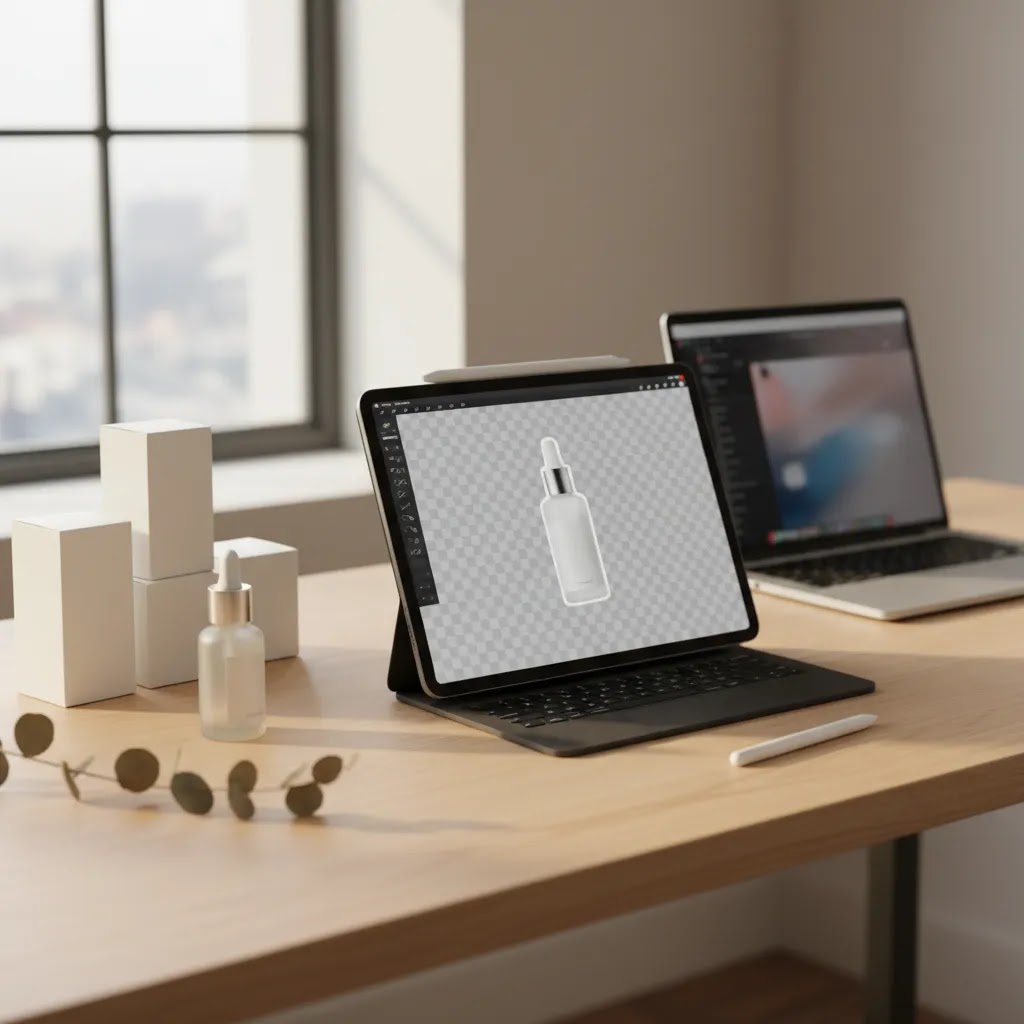
If you create product visuals on an iPad, Procreate can be a practical way to prep simple transparent PNGs before you upload them to Shopify, marketplaces, or ad creatives. That said, it is not a dedicated ecommerce cutout tool, so the real question is not just how to make background transparent Procreate, but whether it is the right workflow for your store. For one-off graphics, mockups, or hand-edited product art, Procreate can work well. For bulk catalog production, it often becomes slow. This guide shows you the exact steps, the trade-offs, and when to switch to a specialist background remover workflow instead. If you sell online and care about image consistency, speed, and clean edges, those differences matter more than most tutorials mention.
Contents
- What Procreate can and cannot do
- How to make the background transparent in Procreate
- How to remove a white background in Procreate
- Features that matter for ecommerce image prep
- How to make a Procreate layer transparent
- Pros and Cons
- Who this workflow is best for
- AcquireConvert recommendation
- How to choose between Procreate and dedicated tools
- Procreate transparent background export troubleshooting (PNG not saving transparency)
- Frequently Asked Questions
- Key Takeaways
What Procreate can and cannot do
Procreate can export artwork and edited images with a transparent background, which makes it useful for logos, illustrated product elements, stickers, layered creative assets, and some hand-cleaned product shots. The basic idea is simple: remove or hide the background layer, then export the file as a PNG.
Where store owners run into trouble is assuming Procreate behaves like a purpose-built ecommerce tool. It does not automate edge detection at scale, batch remove backgrounds, or standardize hundreds of SKU images with the same consistency you would expect from a dedicated remove background workflow.
For Shopify merchants, that distinction matters. If you are editing a hero image for a landing page or cleaning up a social creative, Procreate may be enough. If you are preparing a large product catalog, marketplace feed, or consistent white-background collection page, manual edits can quickly create bottlenecks. That is why many experienced operators use Procreate for creative touch-ups and a specialist tool for repetitive production tasks.
How to make the background transparent in Procreate
If you want a transparent background in Procreate, follow this sequence:
- Open your image or canvas in Procreate.
- Check the Layers panel and identify the background layer.
- If the image has a separate background layer, uncheck that layer so it is hidden.
- If the background is baked into the image, use Selection, Erase, or masking techniques to manually remove it.
- Zoom in and clean the edges carefully, especially around hair, packaging corners, glass, or soft shadows.
- Turn off any colored fill layers you do not want included.
- Go to Actions > Share.
- Export the file as PNG. PNG preserves transparency. JPEG does not.
If your subject sits on a locked background and is not isolated on its own layer, the real work is in the manual selection stage. You may need Freehand Selection, layer masks, and a stylus for precision. That is manageable for a few assets, but less appealing if you are processing a full catalog.
Store owners often compare this to desktop methods such as how to make background transparent in paint, but Procreate usually gives you better control for manual refinement. The trade-off is time. Precision improves, but speed often drops.
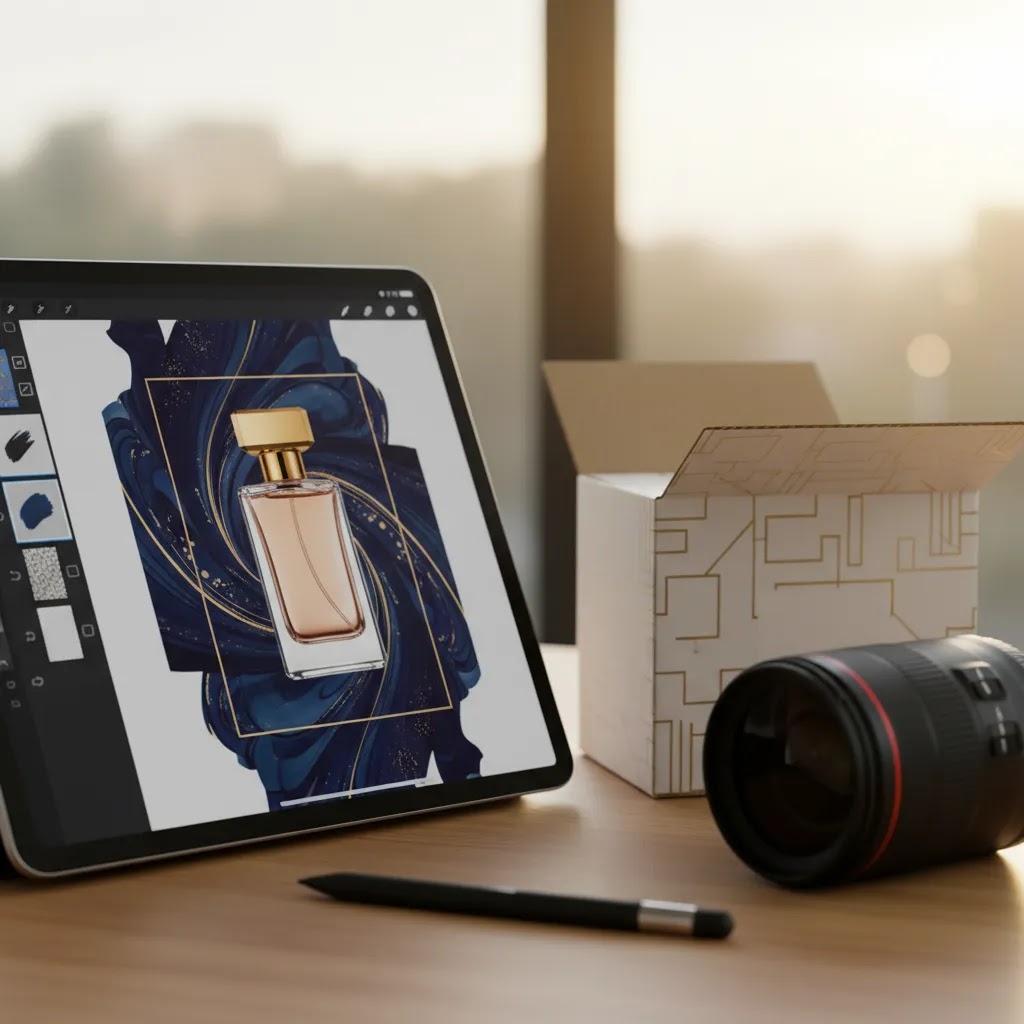
How to remove a white background in Procreate
Here is the thing, removing a white background is sometimes trivial, and sometimes it is the hardest version of this task. It depends on whether the white is a separate layer or baked into the photo itself.
If you see a dedicated “Background” layer in the Layers panel (or any solid-color layer sitting underneath your product), you are in the easy scenario. Hide that layer and export as PNG.
If your product photo is one flattened image where the white background is part of the same layer as the product, Procreate cannot “turn off” the background. You have to select the background pixels and remove them, ideally without leaving a white halo.
A practical Procreate workflow for white background removal
This is the most repeatable approach for typical Shopify product photos shot on a white sweep:
- Duplicate the photo layer so you have a backup. If you make a mistake, you can revert quickly.
- Open the Selection tool (the S icon).
- Start with Automatic selection and tap the white background. Adjust the selection threshold by sliding until most of the white background is selected, without creeping into the product edges.
- Switch to Freehand selection to fix problem areas. This matters around product corners, strap gaps, or tight cut-ins around packaging.
- Invert the selection if needed, so you are selecting the background (not the product). The goal is to delete or mask the background pixels only.
- Remove the background using Erase for a direct delete, or a mask workflow if you want a non-destructive edit you can refine later.
- Zoom in aggressively and check the edges at high magnification. Look for white halos, jagged pixels, or small islands of background left behind.
From a practical standpoint, most ecommerce “Procreate cutouts look bad” issues come from edge contamination, not the main selection. If you shot the product on white, the camera often captures a bright fringe on the edge where the background light bleeds into the subject. That fringe becomes a white outline after you remove the background, especially on dark products.
A quick way to sanity check is to place a temporary dark layer under your cutout (do not forget to hide it before export). If the edge looks clean on dark, it typically looks clean on Shopify, in ads, and in marketplaces too.
Common ecommerce edge cases (and when to stop fighting it)
Some products are simply time-consuming to cut out manually in Procreate:
Fur and hair tend to create soft, irregular edges. You can get a decent result with careful selection refinement, but it can be slow if you have more than a couple of images.
Glass, translucent plastics, and reflective packaging can look wrong if you remove the background too aggressively. In many cases you need to keep a controlled shadow or reflection to avoid the “floating product” look.
Soft shadows are another trap. Many store owners delete them, then wonder why the product looks pasted onto the page. If your brand style uses shadows, it is often better to keep a subtle shadow on its own layer and reduce its opacity, rather than removing everything.
If you are dealing with these edge cases repeatedly, or you need consistent results across dozens or hundreds of SKUs, that is usually the point where a dedicated background remover workflow becomes the more reliable option. Procreate is strong for hands-on fixes, but it is rarely the fastest path to consistent catalog-wide output.
Features that matter for ecommerce image prep
From an ecommerce perspective, Procreate is less about automated background removal and more about edit control. Here are the capabilities that matter most if you are preparing product images for a store:
- Layer-based editing: You can isolate product elements, shadows, text overlays, or decorative graphics on separate layers. That helps when creating promotional assets or marketplace-compliant PNGs.
- Manual edge cleanup: For tricky outlines, Procreate gives you more direct control than basic one-click tools. This can help with handcrafted products, illustrated merchandise, or brand assets that need a polished finish.
- PNG export with transparency: This is the feature you need for transparent backgrounds. If you export as JPEG, the transparency is lost.
- Apple Pencil workflow: On iPad, it can feel intuitive for merchants who prefer editing visually instead of using desktop software.
There are also limits you should factor in before building your image workflow around it:
- It is manual, so output quality depends heavily on your editing skill.
- It is not ideal for high-volume SKU production.
- It does not replace a structured product photography studio setup if your original lighting, shadows, and source files are inconsistent.
If you want faster alternatives for ecommerce image prep, specialist tools in this space include AI Background Generator, Free White Background Generator, Background Swap Editor, and Magic Photo Editor. These are better suited to merchants who need speed, repeatability, or alternate background treatments. Pricing was not provided in the current product data, so check the provider directly for current rates and limits.
How to make a Procreate layer transparent
Many store owners ask how to “make a layer transparent” when what they actually need is a transparent background PNG. Those are related, but they are not the same thing.
A transparent layer in Procreate usually means lowering a layer’s opacity so it becomes partially see-through. A transparent background means there are no background pixels at all, so when you export as PNG, whatever is behind the image (your Shopify theme background color, a banner design, an ad layout) shows through.
How to change layer opacity in Procreate
To adjust a layer’s opacity, open the Layers panel, tap the layer you want to modify, then adjust the Opacity slider. This is useful for ecommerce graphics like subtle shadows, light texture overlays, or watermark-style brand marks you want to keep understated.
What many store owners overlook is that lowering opacity does not remove pixels. It just makes them lighter. If you have a white background layer still visible underneath, your exported file can still look like it has a white background, even if your product layer is partially transparent.
A quick Shopify sanity check
If you export what you think is a transparent PNG and you still see a solid background color in previews, you probably do not have true transparency. Go back to Layers, hide the background and any fill layers, then export as PNG again. For Shopify use, that is the difference between a real cutout and a semi-transparent image sitting on a solid rectangle.
Pros and Cons
Strengths
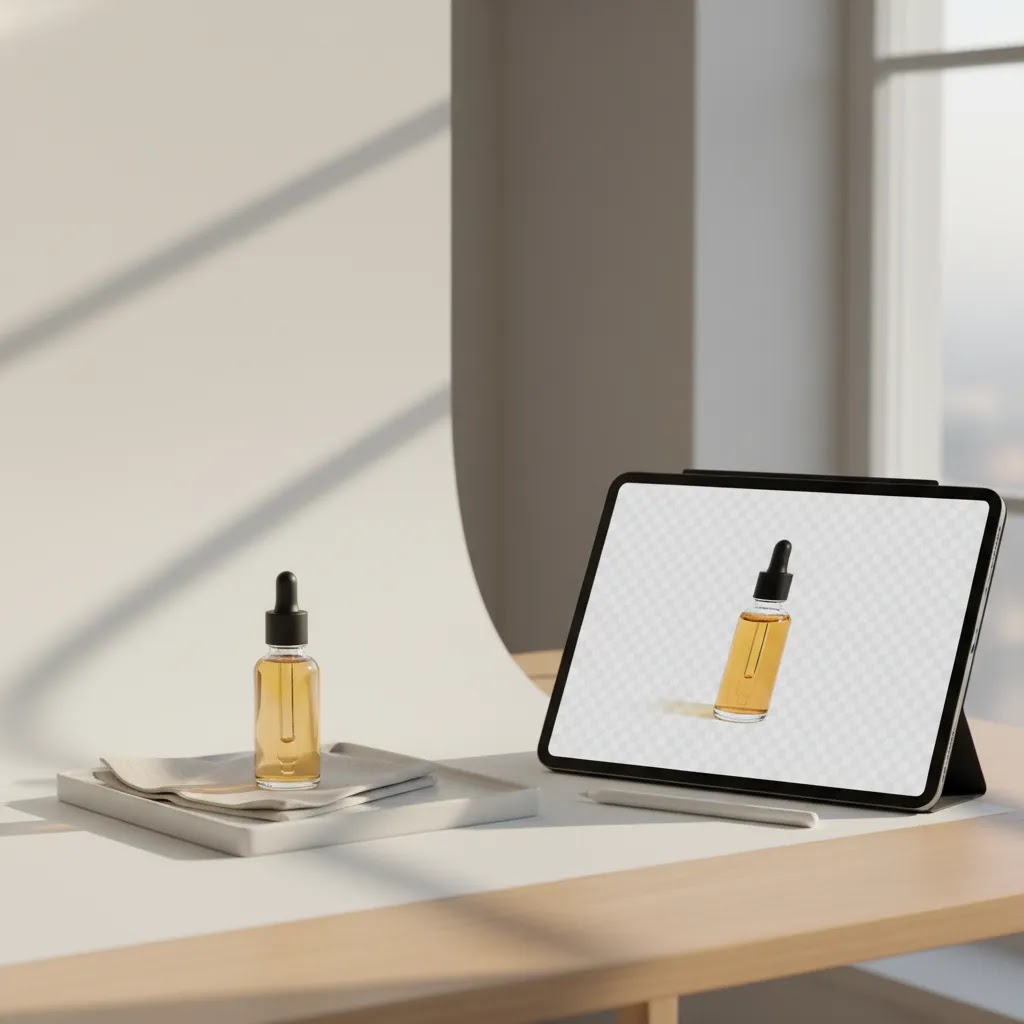
- You can create genuine transparent PNG exports for product graphics, brand assets, and hand-edited product visuals.
- Layer controls are useful when you need manual precision on a small number of important images.
- It works well for custom creative tasks, such as combining products with illustrations, textures, or branded elements.
- The iPad and Pencil workflow can feel faster than desktop editing for merchants who already design on mobile devices.
- It is a strong option for creators selling digital products, printables, stickers, or art-based merchandise where transparent assets are common.
Considerations
- Procreate is not a dedicated background removal platform, so manual cutting can become slow for larger catalogs.
- Results vary based on your editing skill, especially around difficult edges like fur, reflective packaging, or translucent materials.
- There is no batch workflow for removing backgrounds across many product images.
- It may not be the best fit if your main goal is standardizing hundreds of ecommerce photos quickly.
Who this workflow is best for
Using Procreate for transparent backgrounds makes the most sense for ecommerce operators who edit a modest number of visuals and want direct creative control. Think handmade brands, print-on-demand sellers, artists, or Shopify merchants producing campaign graphics in-house. It is also useful if you already use an iPad-first design workflow.
If your business depends on listing many SKUs, updating seasonal collections fast, or keeping marketplace and store imagery highly consistent, Procreate is better treated as a secondary editor than your main production system. In those cases, the smartest setup is often dedicated background removal for volume, then Procreate for final creative refinements.
AcquireConvert recommendation
For most store owners, the right answer is workflow-based, not tool-loyalty based. Use Procreate when you need creative control, hand-retouching, or transparent exports for a limited number of assets. Use dedicated background tools when speed and consistency matter more than manual precision. If you are comparing options, our remove.bg reviews coverage is a useful next step for evaluating specialist tools.
AcquireConvert focuses on practical ecommerce decisions like this one. Giles Thomas brings the perspective of a Shopify Partner and Google Expert, which is helpful if your images need to work not just on product pages, but across paid ads, Shopping feeds, organic search, and conversion-focused landing pages. You can also browse the broader Transparent Background topic hub and our Background Removal & Editing resources if you are refining a larger product image workflow.
How to choose between Procreate and dedicated tools
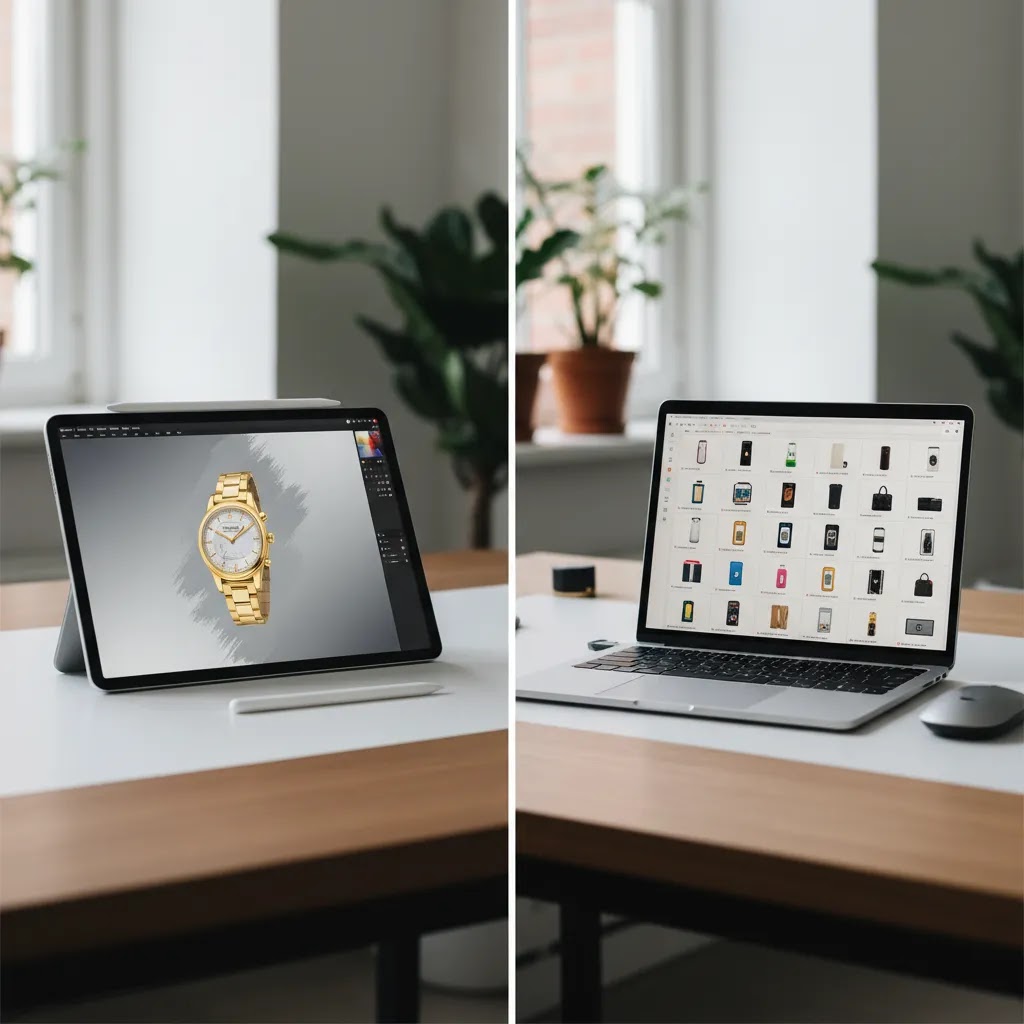
If you are deciding whether Procreate should be part of your ecommerce image process, use these criteria.
1. How many images do you process each month?
For a small number of hero visuals, promotional creatives, or custom graphics, Procreate is perfectly reasonable. For high-volume catalog work, it usually becomes inefficient. Manual edge cleanup does not scale well.
2. Do you need creative editing or production efficiency?
Procreate shines when you need to draw, composite, retouch, or stylize. Dedicated tools are usually stronger for repetitive cutouts, clean exports, and quick replacement backgrounds. If your image task is operational, not artistic, specialist tools tend to be a better fit.
3. How consistent are your source photos?
If your original shots are uneven, dark, or cluttered, no editing app will fully compensate for weak source imagery. That is why image workflow decisions should start with photo quality. Clean lighting, predictable angles, and a repeatable shooting setup reduce editing time no matter which tool you use.
4. Where will the images be used?
Transparent PNGs are useful for website design, overlays, bundles, social creatives, and some marketplace needs. But some channels require white backgrounds or tightly standardized dimensions. Match the output format to the channel first, then choose the tool.
5. Who on your team is doing the work?
If you are the founder doing your own creative, Procreate may fit naturally. If a VA, freelancer, or in-house team needs repeatable processes, dedicated tools often reduce inconsistency. A workflow that only works when one person hand-edits every file can create a scaling problem later.
A practical setup for many Shopify stores is simple: use a specialist tool to remove or replace backgrounds at scale, then bring selected images into Procreate for campaign-specific refinement. That gives you speed on the operational side and flexibility on the creative side.
Procreate transparent background export troubleshooting (PNG not saving transparency)
If your file looks transparent in Procreate but exports with a white background, the issue is almost always one of a few workflow mistakes. Fixing it is typically fast once you know what to check.
The most common causes
Exporting as JPEG is the big one. JPEG does not support transparency, so even if your canvas looks transparent, the export will flatten the image onto a solid background.
Another common cause is leaving a fill layer visible. This might be an actual Background layer, a color fill you used temporarily to check edges, or a duplicated layer stack you forgot to turn off.
Flattening the wrong layers can also create problems. If you merge layers without realizing a background layer was included, you have effectively baked that background into your product layer. At that point, you are back to manual removal.
A simple pre-export checklist
Before you hit Actions > Share, run through this quick checklist:
- In Layers, confirm the background and any fill layers are hidden.
- Confirm you are exporting PNG, not JPEG.
- Check for unusual blending and opacity choices that can make edges look fine on one background but weird on another, especially for shadows.
- Do a final edge check at high zoom, and test the cutout against a darker temporary layer underneath to spot halos.
If it looks right in Procreate but turns white after upload
Consider this, the file may actually be transparent, but the place you uploaded it to is showing white behind it. Shopify themes often have a white background behind product images, so a transparent PNG can look identical to a white JPG at a glance. Some marketplaces and ad previews also display a white or light canvas behind transparent assets by default.
If you need to confirm quickly, place the PNG on a darker section of your theme (or inside a design with a colored background) and see if the edges blend cleanly. If you still see a white box around the product, it is not true transparency. If you only see a clean cutout, your PNG is working, you are just viewing it on a white surface.
Frequently Asked Questions
Can Procreate export a transparent background?
Yes. Procreate can export files with transparency if you hide or remove the background and save the image as a PNG. JPEG files do not keep transparent areas, so always check your export format before uploading assets to Shopify, marketplaces, or ad platforms.
Why is my Procreate background still white after export?
The most common reason is exporting as JPEG instead of PNG. Another possibility is that a white fill layer is still visible in your Layers panel. Before exporting, turn off all background layers and confirm the checkerboard-style transparency preview if available in your workflow.
Is Procreate good for Shopify product images?
It can be good for selected product images, campaign assets, and creative edits. It is less suitable for bulk catalog processing. If you have many SKUs or need standardized marketplace-style outputs, dedicated background tools may save time and improve consistency across your product library.
Can I remove a photo background in Procreate automatically?
No, not in the way dedicated AI or background removal tools do. Procreate gives you manual editing controls, which can produce strong results, but it is not built around one-click or batch ecommerce background removal. That is the main trade-off for store owners.
What file type should I use for transparent product images?
PNG is the standard choice because it preserves transparency. For ecommerce, that is helpful when layering products into banners, collage layouts, and landing page designs. If your channel specifically requires a white background, export accordingly rather than assuming transparent is always best.
Does a transparent background help conversions?
It may help in some contexts, especially if it improves visual clarity or fits your site design better. But there is no universal rule. Many stores convert better with clean white-background images for product pages and transparent assets for marketing creatives. Test based on product type and layout.
Is Procreate better than dedicated background remover tools?
It is better for hands-on creative control and manual refinements. It is usually worse for speed, scale, and operational efficiency. If you only edit a few images and care about artistic control, Procreate can be a smart choice. If you process many product images, dedicated tools are often more practical.
Can I use Procreate for marketplace images like Amazon or Etsy?
Yes, but check each marketplace's image requirements first. Some channels prefer or require white backgrounds for main product images. Procreate can help you prepare compliant visuals, but a dedicated white-background workflow may be faster if you need to process many listings.
How do I remove the white background in Procreate?
If the white background is on a separate layer, hide that layer and export as PNG. If it is baked into a single photo layer, use the Selection tool to select the white background (Automatic helps on clean whites), refine with Freehand, invert the selection if needed, then erase or mask the background. Zoom in to clean edge halos, especially on dark products and reflective packaging.
How can I make a background image transparent?
If the background is its own layer, you can make it transparent by hiding the layer, or by lowering its opacity if you want it faint but still visible. If the background is part of the same layer as the subject, you need to select and remove the background pixels, then export as PNG to preserve transparency.
How to make a Procreate layer transparent?
Open the Layers panel, tap the layer you want to adjust, then use the Opacity slider to make it partially transparent. This is useful for shadows and overlays. It does not create a transparent PNG by itself unless you also hide or remove any background layers before exporting as PNG.
How to make a transparent cutout in Procreate?
Create a clean selection around your subject, then remove the background and export as PNG. For many product photos, selecting the background first (Automatic), refining the selection (Freehand), then inverting and erasing or masking can be faster than trying to trace the product outline from scratch. Always check edges at high zoom so you do not end up with a visible halo on Shopify.
Key Takeaways
- Procreate can create transparent backgrounds, but you need to export as PNG.
- It works best for low-volume, creative, or hand-refined ecommerce image tasks.
- For large catalogs, dedicated background removal tools are usually more efficient.
- Image quality starts with your photography setup, not just your editing app.
- A hybrid workflow often makes the most sense: specialist tool for scale, Procreate for polish.
Conclusion
If you were searching for how to make background transparent Procreate, the short answer is simple: hide or remove the background layer and export as PNG. The more useful answer for an ecommerce store owner is whether that process fits your workload. Procreate is a solid option for hands-on creative edits, brand assets, and a smaller number of product visuals. It is less effective as a high-volume production tool. If you are refining your store image workflow, AcquireConvert is a strong place to continue your research. Explore our transparent background resources, compare specialist tools, and use Giles Thomas's practical ecommerce guidance to choose a setup that supports better product presentation without slowing your team down.
This article is editorial content created for educational purposes and is not a paid endorsement unless explicitly stated. Tool features and availability may change over time. Pricing information for referenced third-party tools was not available in the current data set and should be verified directly with each provider. Any ecommerce performance impact discussed is directional only and not a guarantee of results.
Hi, I'm Giles Thomas.
Founder of AcquireConvert, the place where ecommerce entrepreneurs & marketers go to learn growth. I'm also the founder of Shopify agency Whole Design Studios.