Amazon Product Photography Los Angeles (2026)

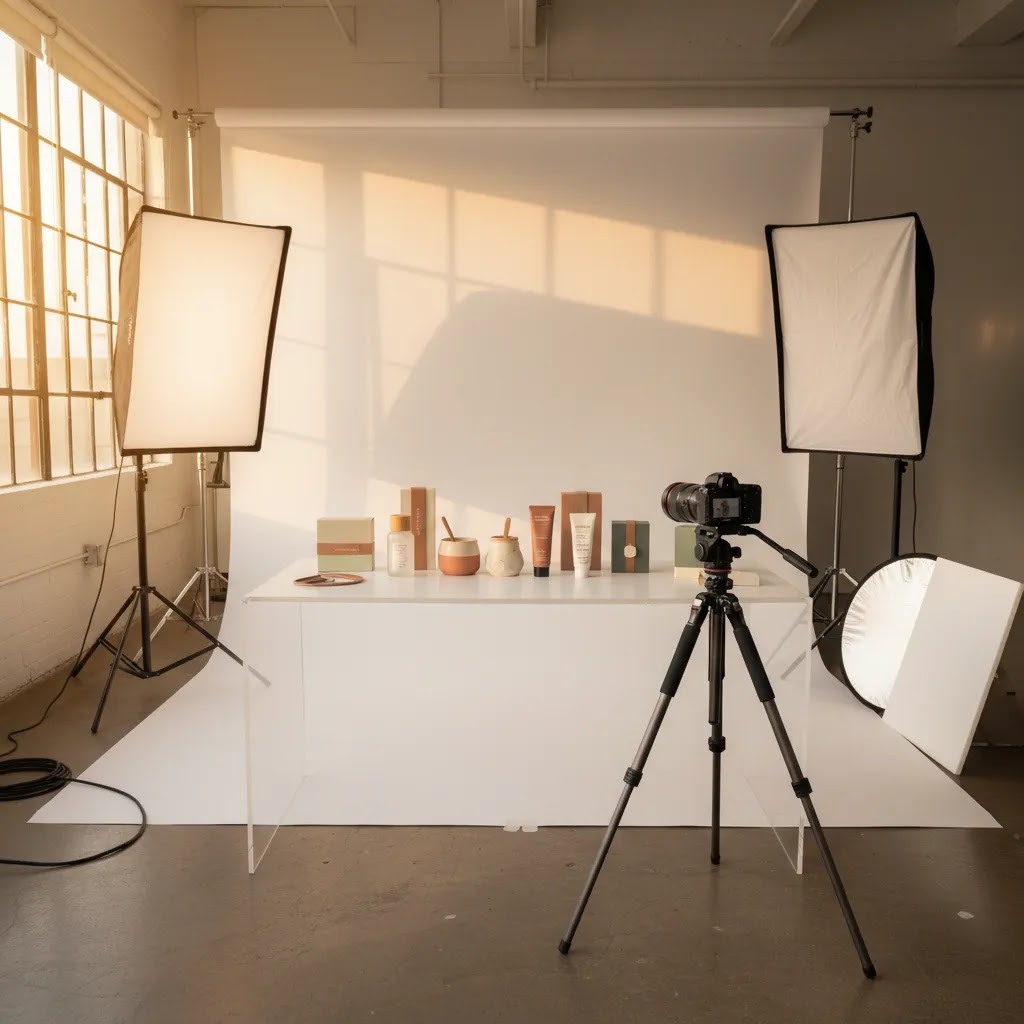
If you are searching for amazon product photography los angeles services, you are usually close to a buying decision. You already know your listing images matter, and now the question is which setup will actually suit your catalog, margin, and launch timeline. For most ecommerce brands, the right choice is a service mix: a local Los Angeles photographer or studio for hero shots and compliance-safe Amazon images, then AI-assisted editing tools for speed, variants, and extra creative formats. That is especially true if you sell beauty, apparel, accessories, or lifestyle-driven products. At AcquireConvert, Giles Thomas evaluates ecommerce tools through the lens of practical store performance, which is helpful if you are weighing local photography against scalable visual production. If you need polished listing images without building a full in-house studio, Los Angeles gives you strong options.
Contents
- Overview
- What to Look for in Amazon Product Photography
- Amazon Image Requirements and Deliverables Checklist
- Pricing and Costs
- Amazon Photography Pricing in Los Angeles: What Actually Drives the Quote
- Trust and Credibility
- Add-On Services Many LA Studios Offer: Video, Infographics, and A+ Content Support
- Pros and Cons
- Who It's Best For
- How to Get Started
- Frequently Asked Questions
Overview
Amazon product photography in Los Angeles is less about finding a single perfect vendor and more about matching the right workflow to your SKU count and marketplace goals. If your product needs strict white-background listing images, scale shots, packaging photos, and occasional lifestyle content, a local studio can help you create a cleaner production process than trying to manage everything yourself.
Los Angeles is particularly strong for beauty, fashion, wellness, and design-led brands. You can source still-life specialists, hand model shoots, fashion-oriented teams, and catalog studios in one market. That matters if your Amazon product photo needs to meet marketplace requirements while still supporting your Shopify storefront, paid social creatives, and email campaigns.
For many merchants, the most sensible approach is hybrid. Use a local studio or product photography studio for your core image set, then use tools such as AI Background Generator, Free White Background Generator, Increase Image Resolution, Remove Text From Images, Background Swap Editor, Place in Hands, Magic Photo Editor, or Creator Studio for post-production and asset expansion. If you are also reviewing the wider stack of ecommerce tools that support content production, this route often gives better flexibility than relying on photography alone.
That is the real BOFU decision here: pay only for a full-service Los Angeles shoot, or combine local production with software that helps you repurpose assets faster across channels.
What to Look for in Amazon Product Photography
Not every los angeles product photography provider is automatically a good fit for Amazon sellers. The first requirement is compliance awareness. Your photographer should understand clean white-background standards, framing consistency, shadow control, accurate color, and how image cropping affects listing presentation on desktop and mobile.
The second requirement is catalog efficiency. If you have multiple variants, bundles, or seasonal updates, ask whether the studio can build repeatable templates. This is where tools like Free White Background Generator and AI Background Generator can reduce follow-up editing costs after the main shoot. If you need alternate settings for DTC campaigns, Background Swap Editor and Magic Photo Editor may help you create more channel-specific assets from one original session.
Third, think beyond the main Amazon image. Secondary listing images often need infographics, in-use compositions, and detail close-ups. A strong ecommerce product photographer should be able to plan those shots before your products arrive on set. If you are comparing formats, this guide to choosing an ecommerce product photographer can help you assess fit.
For beauty and fashion brands, Los Angeles has an edge because many teams already work across cosmetics, apparel, and editorial-style ecommerce. That can be valuable when you need both marketplace-safe images and richer brand creative. If speed matters, Creator Studio and Place in Hands may also be useful after the shoot, especially when you want extra marketplace or social assets without booking another session.
Strong image production is not just aesthetic. It supports CTR from search results, product understanding, and shopper confidence. If you want the conversion context behind that, see how product photos increase conversion rate across ecommerce storefronts.
Amazon Image Requirements and Deliverables Checklist
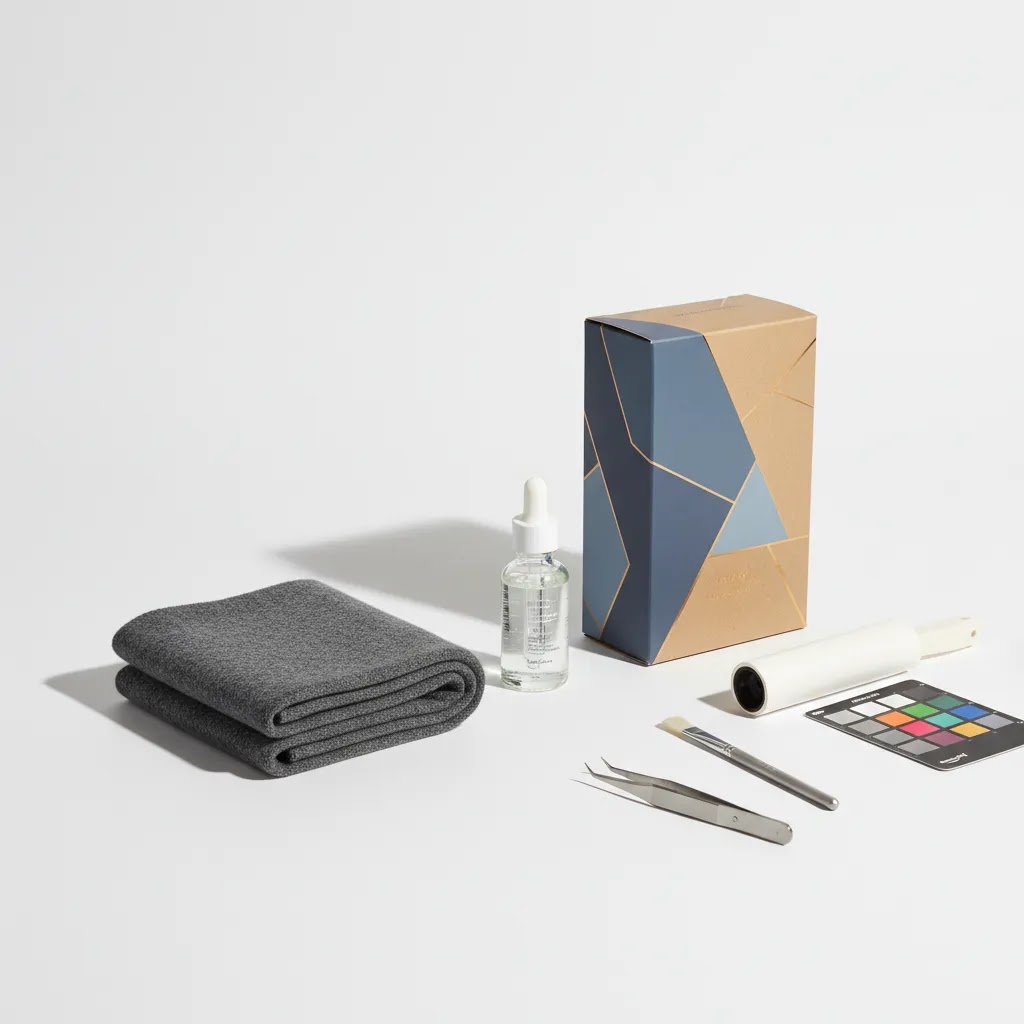
Here's the thing: most reshoots happen because the image brief was not locked before the products arrived. Amazon has expectations around clarity, accuracy, and presentation, and your studio needs to deliver a set that works on the listing page, in search results, and on mobile.
From a practical standpoint, these are the Amazon-ready deliverables a Los Angeles studio should be able to produce and deliver in a consistent, repeatable way:
- Main image on a pure white background, photographed cleanly with accurate color and controlled shadows.
- Alternate angles that remove uncertainty, front, back, side, and a 3/4 view depending on the product type.
- Scale reference that is honest and non-misleading, for example the product in hand, next to a common object, or with a simple size callout in a secondary image where appropriate.
- Packaging photos, especially if packaging is part of the value proposition or shoppers need to see what actually arrives.
- Detail macro shots that show texture, materials, finishes, ports, closures, or key features that reduce returns.
- Lifestyle or in-use images where your category allows it, focused on usage clarity rather than over-styling.
Now, when it comes to file delivery, confirm export expectations upfront. A good studio will already have a standard, but you should still ask because small mismatches create big workflow friction once you are uploading dozens of SKUs:
- Resolution and crop safety for Amazon, plus an export size that stays sharp on zoom and on high-density mobile screens.
- Color space set to sRGB, so colors do not shift between retouching, Shopify, and Amazon.
- Consistent aspect ratios and framing templates across variants, so your thumbnail grid looks clean.
- Naming conventions that match your SKU and variation structure, for example parent and child variations, color names, pack sizes, or bundle identifiers.
Consider this: the way your images crop in Amazon search results and on the Amazon app can change what shoppers see first. If a studio composes too tight, key details can get cut off in thumbnails. If they compose too loose, the product can look small and less premium. Ask your photographer to show sample crops in a mobile-style square preview before finalizing the full batch.
Common compliance gotchas are also worth flagging early, because they cost money when you find them after the shoot:
- An over-stylized main image, for example dramatic props, heavy reflections, or anything that makes the product look different from what ships.
- Misleading props or included-items confusion, shoppers should not assume they get accessories that are only there for styling.
- Excessive text overlays or badge-heavy designs that may be fine for ads but can create listing issues depending on how they are used.
The reality is that you avoid most of this by locking the shot list and the compliance rules in writing before you ship samples. That includes confirming how many final selects you will get per SKU, what counts as a revision, and whether color matching is included for products where shade accuracy matters.
Pricing and Costs
Los Angeles product photography pricing varies widely, so it helps to separate service costs from tool costs. A local photography quote may include creative planning, studio time, retouching, model fees, prop sourcing, and usage rights. For simple Amazon listing work, many brands can keep costs more controlled by shooting a standardized image set first and adding advanced content later.
From the current product data available, several supporting tools point to free-access utilities or editors, including AI Background Generator, Free White Background Generator, Increase Image Resolution, Remove Text From Images, Background Swap Editor, Place in Hands, Magic Photo Editor, and Creator Studio. The product feed provided does not include structured pricing tiers, so no verified subscription amount is available to report here. That means you should check each tool page directly before rollout and confirm whether usage caps, export restrictions, or paid upgrades apply.
In practical terms, your total cost may include:
- Photographer or studio day rate
- Per-image retouching fees
- Model or hand model charges
- Prop styling for lifestyle product photography los angeles shoots
- Reshoots if packaging changes
- Editing or AI enhancement tools for background cleanup, resizing, or alternate formats
If you are launching with a lean team, it is often smarter to invest in a tight Amazon core image set first, then supplement with mockups or AI edits. This is one reason some brands explore a mockup generator alongside studio photography, especially for testing concepts before paying for more custom shoots.
Amazon Photography Pricing in Los Angeles: What Actually Drives the Quote
What many store owners overlook is that two quotes can look similar on the surface, but they can be built on totally different assumptions. One studio might quote a day rate with light retouching included. Another might quote per image with heavier post-production baked in. Both can be reasonable, but only if they match your catalog reality.
The biggest variables that typically drive amazon product photography los angeles pricing are:
- Day rate vs per image pricing: day rates tend to favor larger batches and organized shot lists, per image pricing can make sense for smaller runs or highly variable products.
- Retouching tier: basic cleanup and dust removal is different from high-end composite work, label rebuilds, glare control, or precision color matching.
- Product complexity: reflective surfaces, transparent packaging, liquids, and glossy materials take more time to light and retouch.
- Styling and props: a clean pack shot workflow is faster than a lifestyle set with prop sourcing and multiple scene builds.
- Rush turnaround: faster delivery often means higher cost because it compresses production and post-production schedules.
There are also a few hidden line items that you should ask about directly, because they often show up after you have already started:
- Hand model fees and minimum booking hours, plus whether usage is limited to Amazon or broader ecommerce.
- Studio rental versus included studio access, especially if the photographer is quoting as an individual versus a full product photography studio los angeles setup.
- Product prep, which can include steaming, label alignment, safety seals, folding apparel, or cleaning packaging for dust and fingerprints.
- Color matching expectations, particularly for cosmetics, apparel, or anything with multiple shades where customer expectations are strict.
- Usage and licensing scope: whether the deliverables are intended for Amazon only, or can also be used on Shopify PDPs, email, and ads.
Think of it this way: you want to compare quotes apples-to-apples. A simple way to do that is to translate every quote into the same three numbers:
- Total number of final delivered images per SKU, including the main image and secondary images.
- Retouching level per image, spelled out in writing so you know what is included.
- Effective cost per SKU for your first batch, including any talent, styling, and usage costs that apply to how you will actually use the assets.
If one studio gives you a bundled quote without these details, ask them to break it out. It is not about negotiating for the lowest price. It is about avoiding a workflow where every revision, file export, or additional angle becomes a surprise add-on.
Trust and Credibility
When evaluating an Amazon product photography Los Angeles provider, trust comes from process clarity more than polished portfolio pages. Ask whether they can show marketplace-specific examples, explain file delivery standards, and outline revision terms in writing. A studio that understands ecommerce operations should be able to discuss batch consistency, naming conventions, and turnaround timing without vague answers.
For store owners on Shopify, trust also means thinking beyond Amazon. Giles Thomas, as a Shopify Partner and Google Expert, consistently frames visual content around its broader effect on acquisition and conversion. That matters because your product image investment should support Amazon listings, your Shopify PDPs, paid ads, and retention flows, not just one marketplace channel.
At AcquireConvert, the goal is to evaluate these decisions from a merchant operator's perspective. If you are comparing studio types, category-specific photography styles, or production workflows, the broader E Commerce Product Photography and Catalog Photography resources can help you narrow the shortlist.
One caution: do not assume local equals premium or premium equals efficient. Some highly creative studios are a poor fit for SKU-heavy Amazon work. Others excel at repeatable catalog systems but are less useful for brand storytelling. You want the combination that matches your sales channels.
Add-On Services Many LA Studios Offer: Video, Infographics, and A+ Content Support
Los Angeles studios often offer more than stills, and this is where you can build an asset library that works beyond Amazon search thumbnails. The key is choosing add-ons that remove buyer friction for your product, not add production complexity that you cannot repeat.
Common add-ons you may see bundled into proposals include:
- Short product video for listing pages, usually focused on benefits, unboxing, or key features.
- 360 or spin-style rotations, depending on the studio's capture setup and post-production workflow.
- Infographic-style secondary images, for example feature callouts, dimension visuals, or simple comparison charts.
- Motion graphics cutdowns, typically repurposed for paid social placements or storefront content.
- A+ Content style assets, which can include designed image panels and more editorial visuals that support a higher-consideration purchase.
When are these worth it? In many cases, add-ons make sense if your product is complex, your category is high-consideration, or shoppers need a clearer usage demonstration than still images can provide. Think electronics, kitchen tools, fitness devices, anything with assembly, or products where texture and application matter. Video and infographic clarity may also help reduce basic pre-purchase questions, although results vary and still depend on your offer, reviews, and competition.
When should you skip them early? If you are still validating product-market fit, your margin is tight, or you have not nailed the core listing image set yet. A weak main image and inconsistent secondary shots are a bigger problem than not having video.
The way this works in practice is to keep add-ons operationally manageable:
- Start with one SKU and build a repeatable template, then scale it across the catalog once you know what is actually reusable.
- Define what must be shot versus what can be designed, many infographic panels can be created from existing stills if the base images are clean and consistent.
- Confirm deliverables in formats you can reuse on Shopify product pages and in ads, so you are not paying for assets locked to one channel.
If you already plan a hybrid workflow, this is also where the supporting editors can help. A studio can capture the highest-quality source stills and motion. Then tools like Magic Photo Editor, Background Swap Editor, and Creator Studio can be used to adapt those assets into channel-specific variants, as long as you review outputs before publishing.
Pros and Cons
Strengths
- Los Angeles offers a deep pool of photographers, stylists, and studios for beauty, apparel, wellness, and lifestyle-driven ecommerce brands.
- Local access can make sample drop-off, revisions, and reshoots simpler than coordinating with a remote team.
- A hybrid workflow of studio photography plus AI editing tools may stretch your image library further without paying for every variation as a custom shoot.
- Strong Amazon photography often supports other revenue channels too, including Shopify product pages, paid social ads, and email campaigns.
- Specialist local teams may handle white-background compliance, detail shots, texture capture, and packaging imagery more reliably than a general photographer.
Considerations
- Pricing in Los Angeles can rise quickly once retouching, props, talent, and rush turnaround are added.
- Not every los angeles product and fashion photography provider understands Amazon listing rules or high-volume catalog production.
- The current tool data does not include verified pricing tiers for the supporting AI tools, so total workflow cost needs manual confirmation.
- If your margins are tight or your SKU count is small, a fully custom shoot may be more than you need at the start.
- AI editing can help with speed, but it does not replace accurate original photography for texture, true color, or product-scale credibility.
Who It's Best For
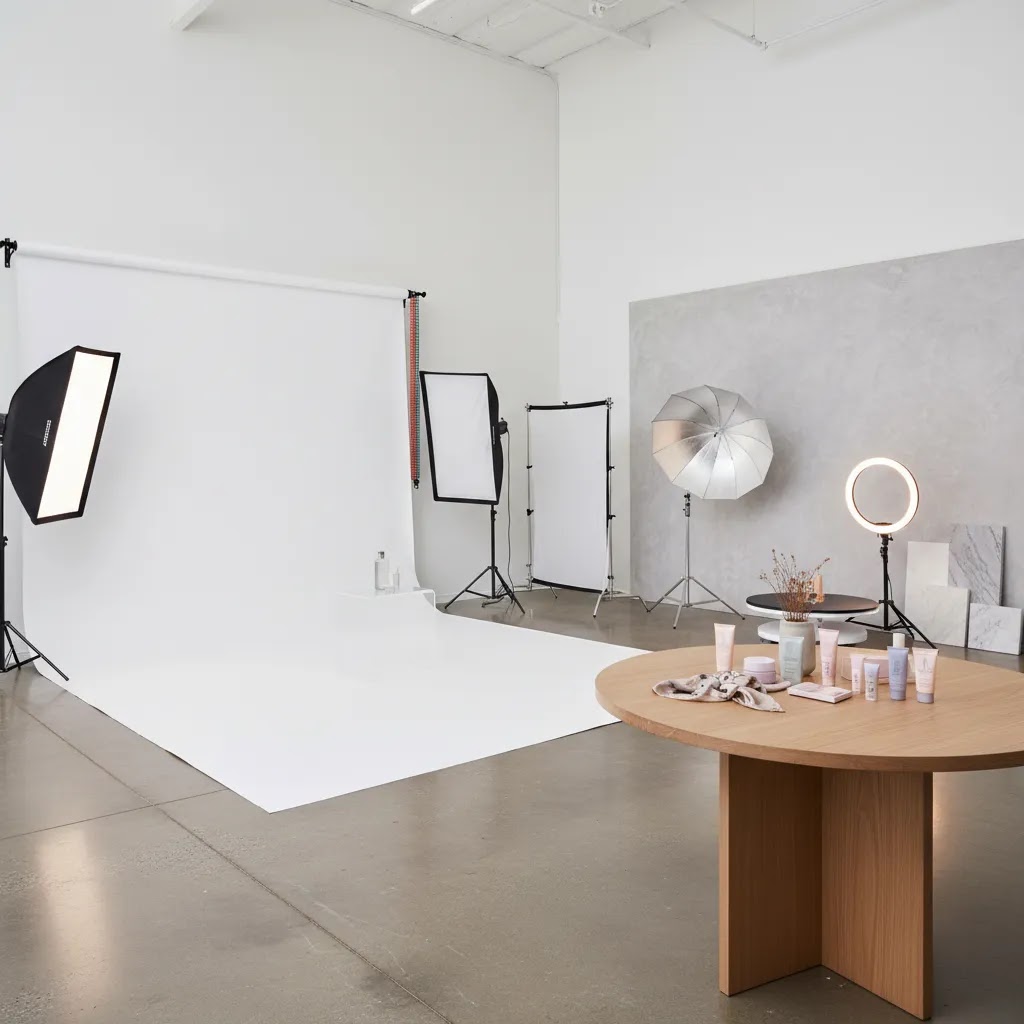
This route is best for ecommerce brands that sell on Amazon and also need assets for Shopify or other channels. It is especially suitable for beauty, fashion, accessories, home goods, and wellness products where image quality influences perceived value. If you are launching several SKUs, refreshing listings, or upgrading from basic DIY images, a Los Angeles studio plus selective editing tools is often a practical step up.
It may be less suitable for merchants with only one low-margin product, very limited testing budgets, or no need for secondary content. In those cases, a smaller standardized shoot or a tool-led workflow may be enough until demand is proven.
How to Get Started
Step 1: Define your image list before contacting studios. Separate Amazon main images, secondary listing images, Shopify product page images, and ad creatives.
Step 2: Shortlist providers with relevant category experience. If you sell cosmetics, apparel, or lifestyle products, ask for matching examples rather than generic portfolios.
Step 3: Request a quote that breaks out shoot time, retouching, props, talent, and delivery counts. This is where product photography pricing los angeles can become unclear if you only get a bundled estimate.
Step 4: Decide what should be created in camera versus edited later. White-background images, simple cleanup, background swaps, resolution increases, and hand-held mockups may be handled more efficiently with tools after the shoot.
Step 5: Run a small test batch first. For most brands, 3 to 5 SKUs is enough to evaluate consistency, communication, and whether the workflow supports both Amazon and DTC needs.
Step 6: Build a repeatable system. Once the first set performs well, document angles, crop rules, styling choices, and file specs so future shoots cost less to manage.
Frequently Asked Questions
How much does Amazon product photography cost in Los Angeles?
It depends on product type, image count, retouching level, and whether you need models or props. A simple catalog-style shoot will usually cost less than lifestyle or fashion production. You should also separate photography fees from editing software costs. Since the current product data does not include verified tool pricing, check those pages directly before planning your full workflow budget.
Do I need a local Los Angeles studio if I sell mostly on Amazon?
Not always. A local studio is most useful if you need fast sample logistics, repeat shoots, or category-specific styling. If your needs are basic, you may be able to combine remote photography with editing tools. Local becomes more valuable when your brand needs both marketplace-safe images and broader ecommerce creative for Shopify, ads, and email.
What makes a good Amazon product photo different from general ecommerce photography?
Amazon images need to work within marketplace rules and crowded search results. That usually means cleaner main images, more disciplined framing, and a clearer information hierarchy in secondary images. General ecommerce photography can be more flexible. For many brands, the best approach is to shoot for Amazon first, then adapt for other channels.
Can AI tools replace a professional product photography studio?
No, not fully. AI tools may help with backgrounds, resolution, cleanup, and alternate variations, but they usually work best when the original source image is already strong. For products where material quality, color accuracy, or texture matter, professional photography still carries most of the weight. AI is better treated as a supporting layer, not a full replacement.
Are Los Angeles studios a good fit for beauty product photography?
Yes, often. Los Angeles has strong depth in beauty, fashion, and lifestyle production, which is useful for brands that need polished pack shots and more aspirational brand imagery. If you sell skincare, cosmetics, or hair products, ask specifically about reflective packaging, texture capture, ingredient styling, and whether the team has handled ecommerce product photography los angeles studio workflows before.
Should Shopify merchants care about Amazon photography quality?
Absolutely. Image standards often carry over across channels. If a product photo improves trust and clarity on Amazon, it may also help your Shopify PDP perform better. The same asset set can often support paid acquisition, product pages, and retention marketing. That is why image production should be treated as a conversion investment, not just a marketplace requirement.
What should I ask before hiring a product photography studio in Los Angeles?
Ask about category experience, Amazon compliance familiarity, turnaround times, revision limits, file delivery specs, and whether they can scale with future SKUs. Also ask which parts of the process can be standardized to reduce ongoing cost. A reliable studio should answer clearly and show examples that match your product type, not just general creative work.
How much does a product photographer charge per image in Los Angeles?
Some photographers price per image, others price by day rate, and many use a hybrid model with a minimum shoot fee plus per-image retouching. The per-image number depends on the level of retouching, product complexity, and whether you need styling or talent. If you are comparing quotes, ask what is included in “one image,” for example whether it includes background cleanup, dust removal, label polish, and color correction, or if those are billed separately.
How much do Amazon product photographers make in Los Angeles?
It varies a lot based on whether the photographer is freelance, works for a studio, or runs a studio business. Income is also affected by how many shoot days they book, their retouching workflow, and whether they sell add-ons like video, design, or ongoing catalog production. For store owners, the more relevant takeaway is that higher rates often reflect higher overhead and a more reliable system, but you still want to confirm deliverables and process, not just assume price equals fit.
Does Amazon hire photographers for product listings?
Amazon generally does not assign a photographer to create your listing images as part of a standard seller account workflow. In most cases, sellers and brands are responsible for producing and uploading their own assets, either in-house or through a studio. If you are unsure what is available for your account type or program, verify the current options inside Seller Central.
How much money do product photographers make?
Product photographer earnings range widely depending on location, niche, and whether they are charging for usage, retouching, and production services. Someone doing occasional small shoots will typically earn less than a specialist who runs high-volume ecommerce production with consistent repeat clients. From your side as a merchant, the practical move is to choose a photographer whose process matches your SKU volume and deliverables, then structure a repeatable shot list so your cost per SKU stays predictable over time.
Key Takeaways
- Amazon product photography Los Angeles works best when you match the studio style to your category and SKU volume.
- A hybrid setup, local photography plus editing tools, is often more practical than relying on either approach alone.
- Verified pricing for the supporting tools was not provided in the current product data, so confirm costs directly before implementation.
- Beauty, fashion, and lifestyle brands may benefit most from Los Angeles due to the local depth of specialized visual talent.
- Start with a small paid test, document the workflow, and expand only after you confirm image quality and operational fit.
Conclusion
If you need amazon product photography los angeles support, the smartest decision is usually not choosing between studio work and AI editing. It is deciding how to combine them efficiently. A local Los Angeles team can give you compliant, polished core images, while supporting tools can help you extend those assets for variants, cleanup, and channel-specific use. That combination may be especially valuable for Shopify merchants who also sell on Amazon and want one image workflow that serves both. If your catalog is small, start with a limited test batch and keep the brief tight. If your brand depends on visual quality, invest in a specialist from the start. The next practical step is to shortlist two or three local providers, compare sample work against your category, and price a pilot shoot before scaling.
Disclosure: AcquireConvert may receive affiliate compensation from some third-party tool links mentioned where applicable. Tool availability, features, and pricing can change without notice, and some pricing details were not provided in the current product data. Any performance impact from new product photography or editing workflows will vary based on your niche, offer strength, traffic quality, marketplace competition, and implementation.

Hi, I'm Giles Thomas.
Founder of AcquireConvert, the place where ecommerce entrepreneurs & marketers go to learn growth. I'm also the founder of Shopify agency Whole Design Studios.