Amazon Product Photography Near Me (2026 Guide)

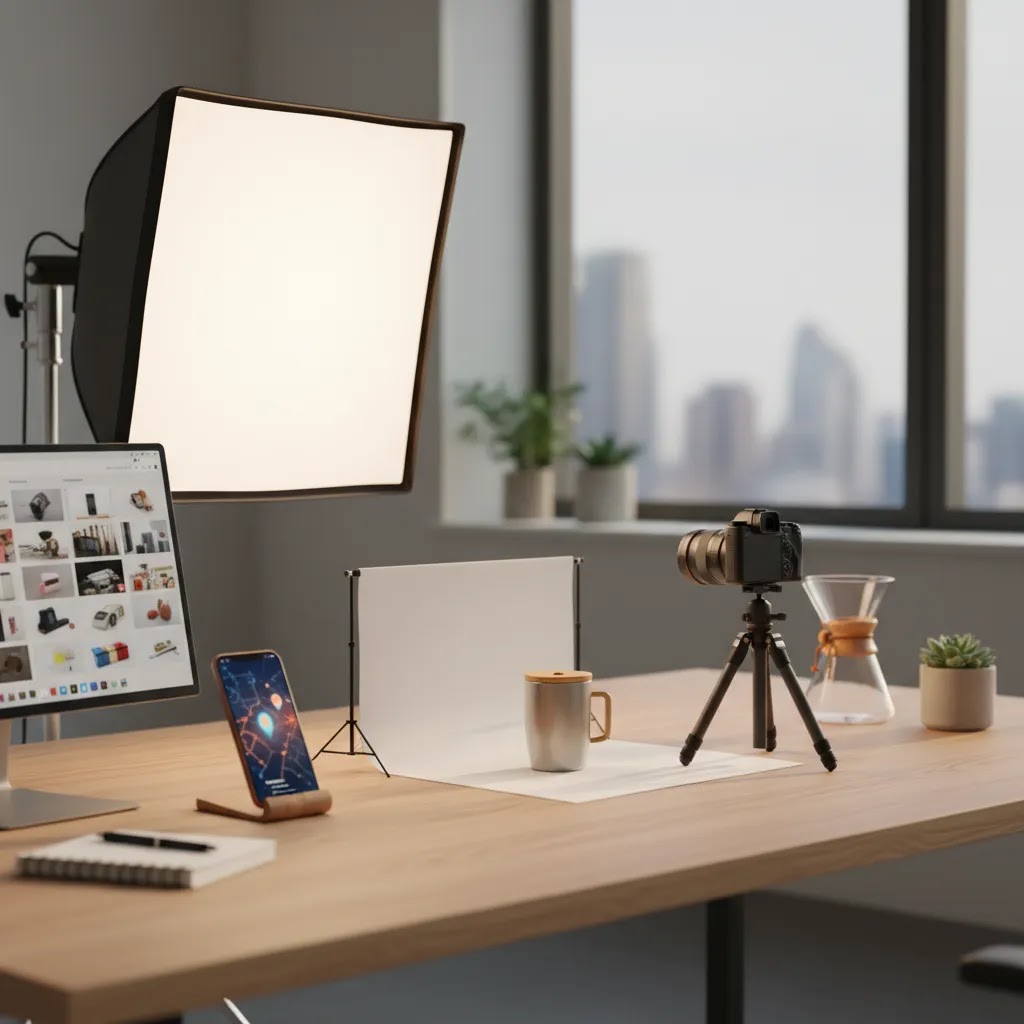
If you sell on Amazon, hiring the right local photographer is less about finding someone with a camera and more about finding someone who understands marketplace image rules, conversion-focused angles, and catalog consistency. A strong local partner can help you shoot compliant main images, infographics, lifestyle scenes, and packaging shots without the delays that often come with managing remote production. If you are comparing photographers now, this guide will help you assess local fit, ask better questions, and avoid the usual mistakes that lead to expensive reshoots. If you also want a broader view of the visual stack merchants use around photography, editing, and creative workflow, review these ecommerce tools first so you can decide what should be handled by a studio and what can stay in-house.
Contents
- What local Amazon product photography should include
- Amazon listing image strategy: what each image needs to do
- Key features to look for in a local service
- How the local product photography process usually works
- Pros and Cons
- Freelancer vs studio vs virtual product photography
- Who local Amazon photography is best for
- AcquireConvert recommendation
- How to choose the right local photographer
- Frequently Asked Questions
- Key Takeaways
- Conclusion
What local Amazon product photography should include
Searching for “amazon product photography near me” usually means you need more than standard ecommerce images. Amazon listings often require a clean white-background hero image, tight framing, accurate color, and enough detail to support mobile shoppers scanning search results quickly.
A good local service should understand the difference between images that simply look attractive and images that are prepared for marketplace performance. That includes file delivery requirements, retouching standards, angle selection, dimension planning, and a workflow that supports variations, bundles, and future SKU expansion.
For many sellers, local access matters because it simplifies sample drop-off, packaging reviews, and reshoots. If your products are fragile, oversized, regulated, or visually nuanced, local handling can reduce friction. It also gives you a chance to review the studio environment in person, which is useful if you are considering a dedicated product photography studio rather than a solo freelancer.
You may also need complementary assets beyond the Amazon listing itself. For example, a photographer or studio might supply marketplace-compliant images while you create supplementary content internally using a mockup generator for ads, landing pages, or email campaigns.
Amazon listing image strategy: what each image needs to do
Here’s the thing: most Amazon photography problems are not camera problems. They are sequencing and clarity problems. Your images need to work like a sales argument on a small screen, in a specific order, with Amazon compliance limits in mind.
From a practical standpoint, a typical Amazon image stack often looks like this:
- Main image (compliance-first): clean white background, accurate product representation, and a crop that makes the item readable in search results. This image is about click-through and trust, not creativity.
- Detail close-ups: materials, texture, connectors, seams, finishes, or anything shoppers cannot verify from the hero shot. These reduce “is this cheap?” doubts without you needing to say it.
- Scale and dimensions: in-hand shots, on-body, next to a common object, or with clear measurements. Size confusion is one of the most common causes of returns and negative reviews, so solve it visually.
- What’s included: show every component, accessories, refills, cables, and variants so shoppers do not make assumptions. If it is a bundle, make the bundle obvious.
- Use-case lifestyle: show the product being used in a realistic context. This is where you communicate who it is for and when it fits into their life.
- Infographic-style benefits: simple, readable callouts that translate features into outcomes. Keep it compliant and avoid unverified claims. Your goal is clarity, not hype.
- Packaging, instructions, or setup: this is especially useful for giftable items, regulated categories, or anything that requires assembly. It can also reduce “I didn’t know I had to…” objections.
What many store owners overlook is that this is really objection handling. Before your shoot, list the top reasons someone might hesitate: size confusion, compatibility questions, material quality doubts, setup steps, safety concerns, or “will this work with what I already own?” Then assign each objection to a specific image in the sequence. That gives your photographer a real brief instead of “make it look premium.”
Also, category nuances matter, and they are worth briefing up front so lighting and angles are planned correctly. Reflective items and glossy packaging need careful control to avoid distracting hot spots. Apparel and wearable products often need consistency on fit, drape, and sizing cues across variations. CPG labels and supplements tend to live or die on legibility, which changes lens choice and cropping. If you bring these constraints into the shot list early, you are less likely to get a “nice set” that still fails to answer what shoppers need.
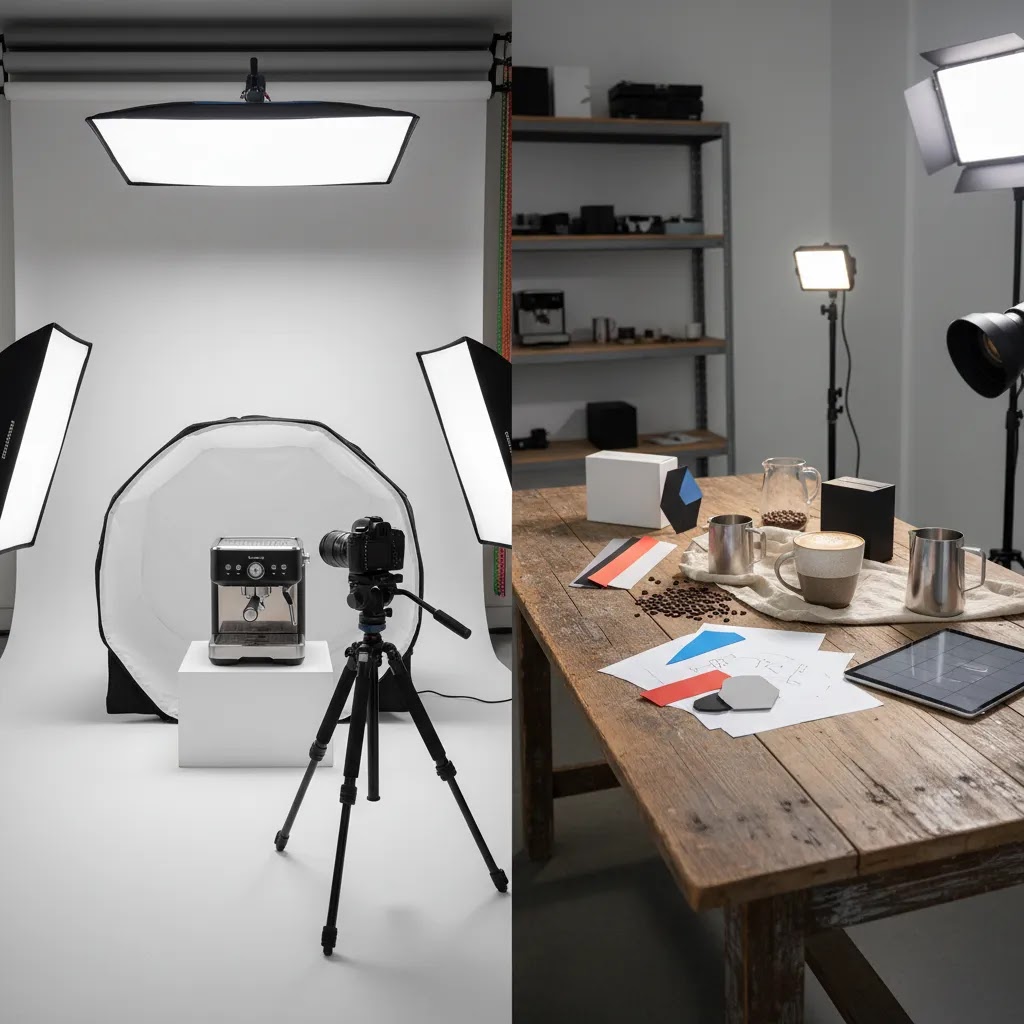
Key features to look for in a local service
Amazon compliance knowledge should be your first filter. Ask whether the photographer has experience with Amazon FBA product photography specifically, not just general product shoots. Main images, background handling, cropping, and image composition need to match marketplace expectations or you risk listing issues and rework.
Shot planning by listing objective matters almost as much. A strong provider will map out hero images, detail shots, scale references, use-case scenes, and infographic-ready frames based on how your product sells. That is very different from handing over a random gallery of nice-looking photos.
Editing and background control are also essential. Some merchants can reduce costs by pairing local photography with specialized editing tools. AcquireConvert’s coverage of Background Removal & Editing is useful if you want to split capture and post-production. Live tools in this space include Free White Background Generator, AI Background Generator, and Background Swap Editor. These can help with clean background work or alternate scene creation, but they still work best when the original capture quality is strong.
Resolution and asset flexibility are worth checking before you book. If you need zoom-friendly images, retailer submissions, or repurposed creative for Shopify product pages, ask what file sizes and exports are included. Tools such as Increase Image Resolution may help in some workflows, but they are not a substitute for getting the source files right the first time.
Product type experience can save a lot of time. Cosmetics, apparel, reflective packaging, and textured goods all need different lighting and styling approaches. If you are unsure what kind of setup fits your category, browse AcquireConvert’s E Commerce Product Photography resources and compare that against the provider’s portfolio.
Scalability matters if you are growing. A local photographer who can shoot one SKU beautifully but cannot handle line extensions, seasonal updates, or storefront creative may become a bottleneck. If you expect frequent launches, ask about batching, turnaround, and repeatable shot templates. That is also where an experienced ecommerce product photographer often outperforms a general commercial shooter.
How the local product photography process usually works
A good local photographer or studio should be able to explain their process in plain language before you pay a deposit. If they cannot, that is often a sign you will end up managing the shoot for them, which typically leads to missed shots and expensive rework.
What a useful discovery call should cover
The discovery call is not just “how many photos do you want?” It should clarify what you are selling, where you are selling it, and what the images need to achieve.
At minimum, expect to discuss:
- Your channels: Amazon listing images first, plus any Shopify product page needs like lifestyle banners, bundles, or comparison visuals.
- Your conversion goals: what shoppers must understand quickly to buy, and what doubts are causing hesitation.
- Your competitive set: what your top listings do well visually, and what gaps you can fill with clearer photography.
- Your required image types: compliant main image, secondary sequence, lifestyle, packaging, “what’s included,” and any infographic-ready frames.
Consider this: the right provider should be able to outline a shot list approach before quoting. If they are quoting without any discussion of sequence, variations, and use cases, you are likely getting a generic photography estimate, not an Amazon-ready production plan.
A practical workflow you can expect from a solid provider
Every studio has its own format, but a reliable workflow often includes these steps:
- Product intake: confirm what is being shot, condition requirements, and whether units need unboxing, assembly, steaming, polishing, or label alignment.
- Shot list and styling plan: agree on angles, variants, props, surfaces, and any lifestyle setup needs.
- Test frames and approvals: quick sample shots so you can approve lighting, crop style, and consistency before the full set is captured.
- Capture: shoot the full batch, keeping framing and lighting consistent across variations and future SKUs.
- Retouching: dust cleanup, color matching, label straightening, and white background finishing for Amazon where needed.
- Delivery: exports sized for Amazon and additional crops for Shopify or ads if planned, plus clear file naming so you can map images to SKUs without confusion.
- Reshoot and revision policy: a clear policy on what counts as a reshoot versus a revision, and how quickly it will be handled.
The reality is that “workflow” is not bureaucracy, it is how you protect your launch timeline. Especially if you are coordinating FBA inbound deadlines, Shopify theme updates, and ad creative builds.
What to hand over so the shoot runs fast
You will get better results, and usually a smoother quote, if you provide basic operational info upfront:
- A SKU list and a variation map (colors, sizes, bundles, multipacks).
- Packaging versions you are currently shipping, plus any upcoming redesign that would make new photos obsolete.
- Simple brand guidelines: background preferences, fonts and colors for any infographic overlays, and what “on brand” means for your store.
- A priority list for the first 7 Amazon images, in the order you want shoppers to see them.
Think of it this way: if your photographer understands the exact SKU structure and the image sequence before the camera comes out, you are much less likely to discover missing shots after you have already paid for editing.
Pros and Cons
Strengths
- Local providers make product drop-off, pickup, and reshoots much simpler, especially for fragile, oversized, or high-SKU inventory.
- In-person collaboration usually improves shot planning, packaging review, and brand alignment for Amazon listings and supporting storefront assets.
- Studios with Amazon experience can help you avoid compliance mistakes on main images and build a cleaner asset library from the start.
- Professional local photography often gives you reusable creative for Amazon, Shopify, paid social, email, and retailer submissions.
- Working locally can shorten feedback loops because you can approve lighting, angles, and styling before the full batch is edited.
Considerations
- Local does not always mean specialized. Many nearby photographers are excellent visually but may not understand Amazon image requirements.
- Costs can rise quickly if pricing excludes retouching, lifestyle setups, props, model hands, or revision rounds.
- Some studios are strong at hero images but weaker at infographics, listing strategy, or conversion-oriented content planning.
- If your location has limited specialist supply, you may need to combine local shooting with remote editing or creative support.

Freelancer vs studio vs virtual product photography
If you are searching “professional product photography near me,” you will usually find three types of providers. The right choice depends less on taste and more on volume, speed, and how standardized your catalog needs to be.
When a solo freelancer can be the right fit
A solo photographer can be a strong option when your SKU count is low, your product is straightforward to light, and you want hands-on collaboration. If you are launching a single hero product and you can attend the shoot, a good freelancer may deliver excellent results with less overhead.
Just be honest about the workload. If you have lots of variations, frequent launches, or you need consistent templates across dozens of products, a solo operator may become capacity-constrained. That is not a quality issue, it is a production reality.
When a studio team tends to win
Studios are usually better when you need:
- High SKU volume with consistent angles and lighting across the catalog
- Styling, props, surfaces, or set builds that require a dedicated stylist
- Faster turnaround because multiple people can run capture and retouching in parallel
- A repeatable system you can reuse for line extensions and seasonal refreshes
What you are really buying is a process. That matters for Amazon sellers because your image library is a long-term asset, not a one-time shoot.
What “virtual product photography” usually means
Virtual product photography is typically a ship-in model. You send products to a studio, approvals happen remotely, and files are delivered digitally. Sometimes you get live review sessions, sometimes it is asynchronous with proofs.
The tradeoff versus truly local is fewer in-person feedback loops and more logistics risk. Shipping delays, damaged samples, and missing components can slow things down. On the other hand, if your local area does not have Amazon-specialized talent, a virtual provider with a proven marketplace workflow can still be the better option.
Whichever model you choose, look for proof of ecommerce specialization, not just attractive hero shots. Ask for Amazon and Shopify examples that show repeatable templates, consistent framing across variations, and a clear production system that makes it easy to add new SKUs without reinventing the look each time.
Who local Amazon photography is best for
Local Amazon product photography is usually the best fit for sellers with physical products that benefit from hands-on handling, careful styling, or frequent iteration. That includes private label brands, growing Amazon FBA sellers, and Shopify merchants who also sell through Amazon and want consistent visual branding across channels.
It is especially useful if your products have packaging details, material textures, reflective surfaces, or size references that need in-person review. If you run a lean team without an internal creative lead, a local studio can often provide clearer guidance than trying to coordinate multiple remote contractors. If your main priority is understanding how product photos increase conversion rate, a specialist provider will usually be worth the premium over a generic local shoot.
AcquireConvert recommendation
If you are at the point of comparing quotes, do not choose based on location alone. Shortlist local providers who can show Amazon-specific work, explain their process clearly, and tell you how they handle white-background compliance, retouching, and repeatable catalog production. That is the difference between paying once for a usable image set and paying twice after avoidable revisions.
AcquireConvert is built for ecommerce operators making exactly these kinds of decisions. Giles Thomas brings the perspective of a Shopify Partner and Google Expert, which matters if your Amazon images also need to support brand consistency across Shopify landing pages, Google Shopping creatives, and broader acquisition funnels. For a practical next step, compare local studio options against AcquireConvert’s guides on Product Photography Services, review category-specific photography standards, and map which parts of your workflow should stay with a photographer versus an internal editor or AI-assisted creative process.
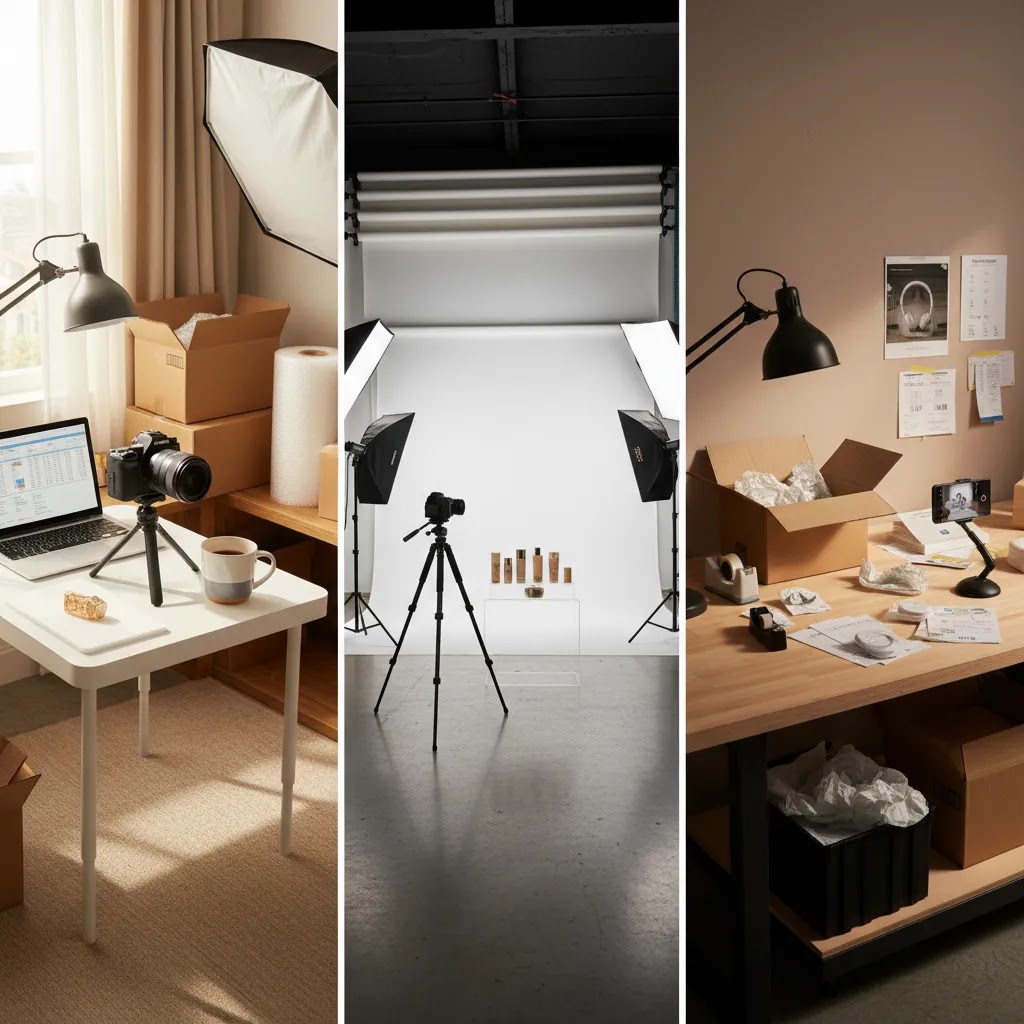
How to choose the right local photographer
Use these five criteria before you book an amazon product photography service near you.
1. Ask for Amazon-specific examples
Do not settle for a general portfolio. Ask to see actual Amazon product photography examples, including main image, secondary image set, and any infographic or lifestyle work. You want proof they know how to present products for marketplace browsing, not just brand campaigns.
2. Clarify what is included in the quote
Many merchants compare day rates and miss the expensive line items. Ask whether the price includes prep, steaming, assembly, retouching, clipping paths, white background delivery, alternate crops, source files, and revision rounds. If you are comparing product photography studios near you, this will quickly separate transparent operators from vague ones.
3. Match the provider to your product type
A studio that shoots bottles well may not be the best fit for apparel, electronics, or products that need in-hand demonstration. If you need contextual scenes, hand shots, or creator-style content, tools like Place in Hands can be helpful for some supplementary assets, but hero listing images still benefit from category-specific professional capture.
4. Check workflow, not just artistic style
Strong operators have a documented process for intake, shot lists, approvals, file naming, delivery format, and reshoots. This matters more than many sellers expect. Good workflow is what keeps your listing launch on schedule and makes future SKUs simpler to add.
5. Think beyond Amazon
Your image set should ideally support Amazon, Shopify, paid ads, and email. Ask whether the shoot can produce vertical crops, banner-friendly assets, and alternative backgrounds for other channels. If you want to extend local photography into broader brand visuals, AcquireConvert’s marketplace and catalog coverage can help you define the right brief before you hire.
Frequently Asked Questions
How do I find the best amazon product photographer near me?
Start with Amazon-specific portfolio review, not proximity alone. Look for examples of compliant main images, clean detail shots, and lifestyle content that feels designed for ecommerce. Then ask about revision policy, turnaround time, and retouching standards. A nearby provider is only a good fit if they also understand marketplace selling requirements.
What should an amazon fba product photography package include?
A useful package usually includes a white-background main image, several secondary images, basic retouching, and web-ready exports. Some sellers also need infographics, packaging shots, scale images, or storefront content. Always ask whether editing, background cleanup, and alternate crops are included or priced separately.
Are local product photography studios better than remote services?
They can be, especially if your products need careful handling, assembly, styling, or frequent revisions. Local studios are also useful when you want to inspect props, packaging, or lighting decisions in person. Remote services may still work well for simpler products if their Amazon process is stronger and logistics are manageable.
How much does professional product photography near me usually cost?
Pricing varies widely by city, product complexity, image count, styling requirements, and retouching depth. Some providers charge per image, others by half day or full day. Because rates and inclusions vary, ask for an itemized quote and verify current pricing directly with the provider before committing.
Can one shoot cover both Amazon and Shopify needs?
Yes, in many cases it can, if you brief the photographer properly. Amazon usually needs stricter compliance on the hero image, while Shopify gives you more flexibility for storytelling and conversion design. Planning both channels together can reduce duplicate work and create a more consistent visual brand.
Should I use AI tools instead of hiring a local photographer?
Usually not as a full replacement. AI-based editing and scene generation can help with background cleanup, mockups, or creative variations, but they work best when the source photography is already strong. For Amazon main images and high-trust product presentation, professional capture is still the safer starting point for many sellers.
What questions should I ask before hiring an amazon product photography agency?
Ask about Amazon experience, compliance knowledge, turnaround time, shot planning, props, retouching, revision limits, and asset ownership. You should also ask how they handle future SKU additions so your catalog stays visually consistent. A clear process is often a better sign than a flashy portfolio alone.
Do I need a local amazon product photography consultant too?
Not always. If your photographer understands listing strategy and image sequencing, you may not need a separate consultant. If your offer positioning, image hierarchy, or creative direction still feels unclear, outside strategy support can help you brief the shoot more effectively and avoid wasted images.
Can local photographers handle 3d product photography near me?
Some can, but it is a specialist service. If you need 3D spins, AR-ready assets, or advanced animation, ask for specific examples rather than assuming a studio offers it because they shoot stills. The equipment, workflow, and post-production demands are quite different from standard Amazon listing photography.
How do I take photos of products for Amazon?
Start by planning the image sequence first, then shoot to that plan. You typically need a compliant main image on a pure white background, then supporting images that answer common questions like size, materials, what is included, and how it is used. Use consistent lighting, keep color accurate, and shoot high resolution so details hold up on zoom. If you are not confident in lighting or retouching, it is often faster to hire a photographer for the core listing set, then handle extra creative variations with editing tools after.
What is the 20 60 20 rule in photography?
People use this phrase in a few different ways, so clarify what someone means if a photographer references it. In product photography, the idea is usually a simple reminder that results come from a mix of factors, typically lighting and styling, camera technique, and post-production. For Amazon listings, the practical takeaway is that lighting and consistency usually matter more than having the most expensive camera body.
Can I pay someone to photoshop something for me?
Yes. Many product photographers also offer retouching, and some merchants hire a separate retoucher for tasks like dust cleanup, label straightening, background refinement, and color correction. Just be careful with Amazon compliance and customer trust. Avoid edits that misrepresent what a buyer will receive, and if you are adding text overlays or infographic elements, make sure they are readable on mobile and aligned with marketplace guidelines, which can change over time.
How much does it cost to hire a product photographer?
It depends on your city, product complexity, image count, and whether you need lifestyle sets, props, models, or advanced retouching. Some photographers price per image, others price by half day or full day, and studios may separate capture from post-production. The most reliable way to compare is to request an itemized quote that spells out exactly what is included, including revisions and usage rights, then verify current pricing directly with the provider.
Key Takeaways
- Choose local providers based on Amazon-specific skill, not just convenience or distance.
- Ask for itemized quotes so you can compare photography, retouching, revisions, and file delivery fairly.
- Prioritize photographers who understand how listing images support clicks, trust, and conversion behavior.
- Use local production for capture quality, then add editing or AI-assisted creative only where it makes practical sense.
- Plan for multi-channel use so your Amazon shoot also supports Shopify, email, and paid acquisition assets.
Conclusion
Finding the right answer to “amazon product photography near me” comes down to fit, process, and marketplace understanding. The best local option is not always the closest studio or the lowest quote. It is the provider who can produce compliant Amazon images, work efficiently with your product type, and give you assets you can reuse across channels. If you want help making a more informed decision, explore AcquireConvert’s related photography resources and comparison content. Giles Thomas’s experience as a Shopify Partner and Google Expert brings a practical ecommerce lens to creative decisions that affect both traffic and conversion. Use that guidance to brief your shoot properly, compare options side by side, and avoid paying for images that look good but do not serve the listing.
This article is editorial content created for ecommerce education and is not a paid endorsement unless explicitly stated otherwise. Pricing and service terms mentioned in general guidance are subject to change and should be verified directly with each provider. Any results from photography improvements will vary by product, category, offer strength, traffic quality, and marketplace conditions. ProductAI tool links above reference currently available tool URLs supplied to AcquireConvert.
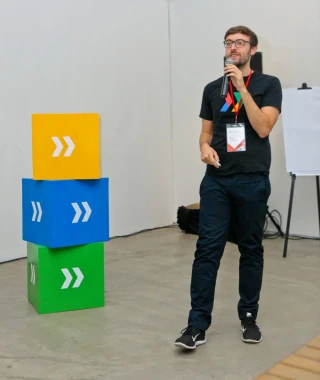
Hi, I'm Giles Thomas.
Founder of AcquireConvert, the place where ecommerce entrepreneurs & marketers go to learn growth. I'm also the founder of Shopify agency Whole Design Studios.