Lifestyle Product Photography Guide for Ecommerce (2026)

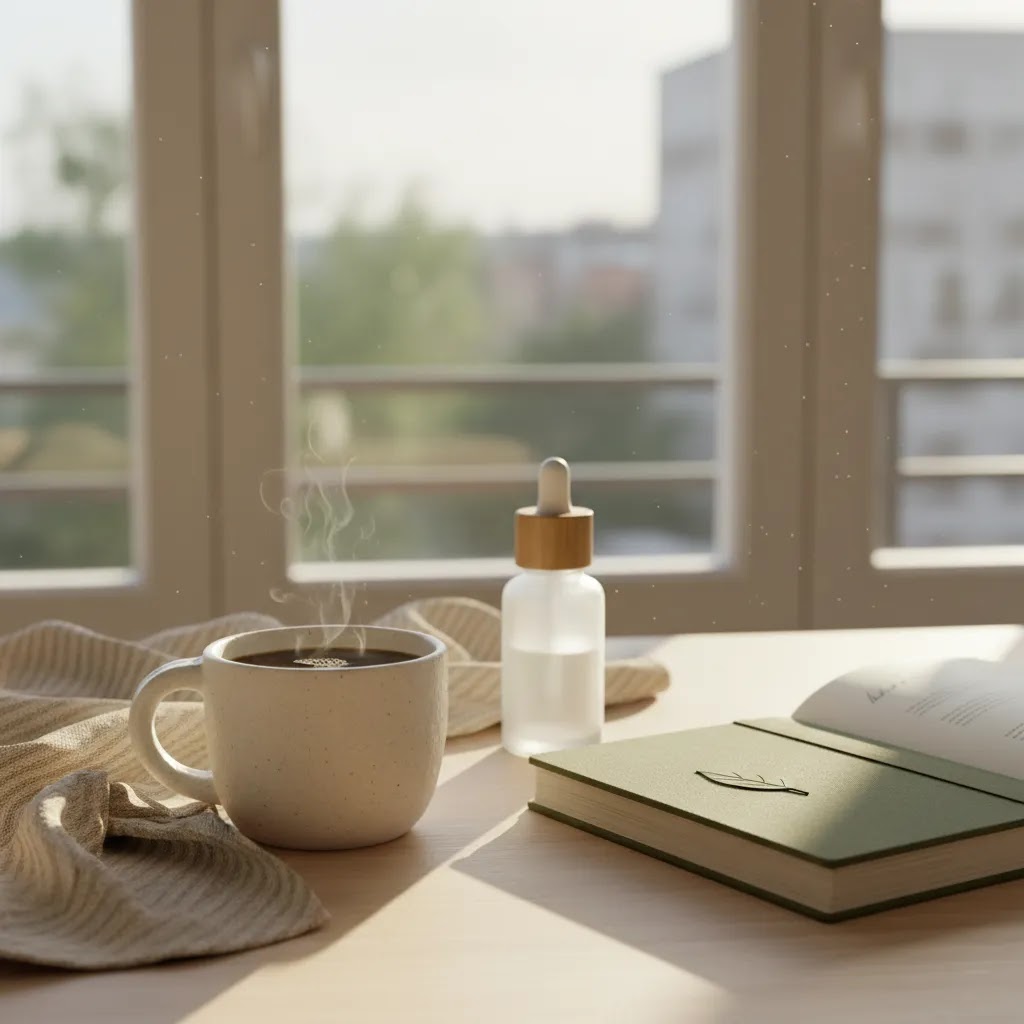
Lifestyle product photography helps shoppers picture a product in real use, in a real setting, by a real person or within a believable scene. For ecommerce brands, that matters because sterile packshots rarely answer the buying question customers actually have, which is, “How will this fit into my life?” The strongest lifestyle images add context, emotion, and perceived value without making the product harder to see. For Shopify store owners, this style works best on product pages, collection banners, ads, and email campaigns where story and visual clarity need to work together. If you want higher-quality merchandising without relying only on expensive custom shoots, lifestyle imagery is worth serious attention, especially when paired with tools that speed up scene creation and image editing.
Contents
- What lifestyle product photography means
- Types, examples, and creative ideas
- Lifestyle product photography shot list for ecommerce
- Pricing and production costs
- Trust, quality, and brand credibility
- Styling and art direction basics that keep lifestyle photos believable
- Pros and Cons
- Who it is best for
- How to get started
- AI lifestyle product photography workflow (and a QA checklist)
- Frequently Asked Questions
What lifestyle product photography means
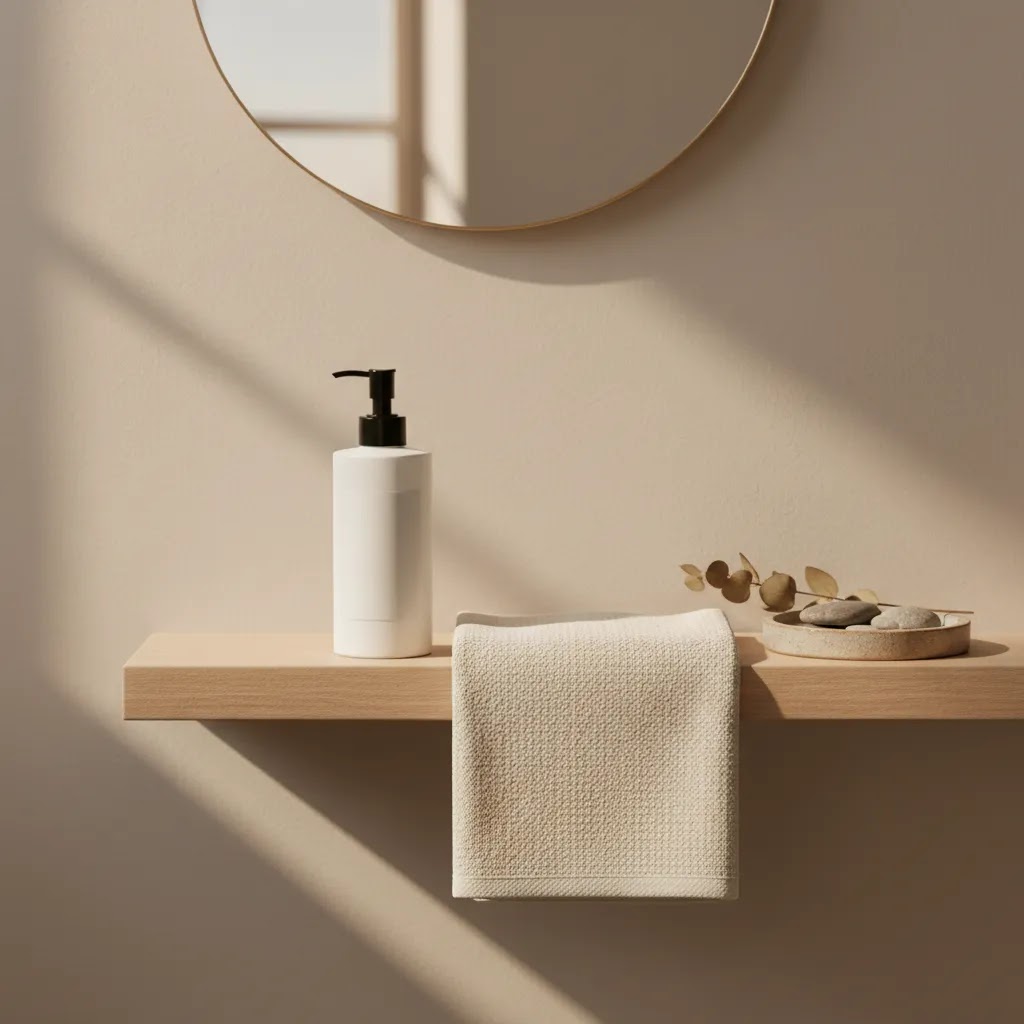
Lifestyle product photography is a style of product imagery that places an item inside a realistic use case rather than isolating it on a plain background. A coffee mug appears on a breakfast table. A skincare bottle sits on a bathroom shelf. A backpack is worn outdoors rather than photographed alone in a studio.
The goal is not just to make the product look attractive. It is to show scale, purpose, mood, and audience fit. That is why it sits alongside clean catalog images rather than replacing them. In most Shopify stores, white-background product photos still do the job of accuracy, while lifestyle shots support persuasion higher up the page and across ads, landing pages, and social content.
If you are building a more visual brand system, start with the broader lifestyle photography framework first. Then decide where lifestyle product images should appear in your funnel. Many brands use them to increase perceived quality, reinforce brand positioning, and make products feel less generic.
AcquireConvert evaluates visual merchandising from a conversion perspective, with Giles Thomas bringing Shopify Partner and Google Expert experience to the question most merchants care about, which is whether better imagery is likely to support better shopping decisions.
Types, examples, and creative ideas
There are several ways to approach lifestyle product photography, and the right choice depends on product type, margin, and how much control you need over the scene.
Human-use shots show the item being held, worn, applied, or used. This works well for apparel, beauty, kitchenware, fitness gear, and accessories because it answers fit and scale questions quickly.
Styled scene shots place the product in an environment without a model. Think candles on a side table, supplements in a morning routine setup, or tech accessories on a desk. These are often simpler and less expensive than full model-led sessions.
Brand story images go a step further by highlighting a mood or identity. This overlaps with branding photography, where the visual goal is not only to show the product but also to communicate who the brand is for.
AI-assisted scene creation is increasingly useful for merchants who need more variations without scheduling repeated shoots. AcquireConvert’s product data shows tools such as AI Background Generator, Background Swap Editor, Place in Hands, and Creator Studio can help build ecommerce-ready lifestyle visuals from existing product images. Product data provided does not include pricing or ratings for these tools, so merchants should verify current access and usage terms before adopting them.
If you are planning your scenes, the environment matters as much as the product itself. This is where scene background choices come into play. A premium skincare line needs a different setting than a camping mug or toddler toy. The scene should support the product story, not compete with it.
For stores still building image foundations, it also helps to understand how lifestyle imagery fits beside a more controlled product photography studio workflow.
Lifestyle product photography shot list for ecommerce
Here is the thing, lifestyle photography is only “creative” up to the point where it starts leaving shoppers confused. For most Shopify store owners, the fastest win is building a repeatable shot list so every product page has the same core questions answered.
A practical must-have lifestyle shot list for ecommerce usually includes these concepts:
- Hero lifestyle shot: the product in its most believable, most on-brand moment. This is your lead story image for the product page and your go-to asset for ads.
- In-use close-up: tighter framing that shows the product being used, applied, opened, poured, worn, or handled. Think function and texture, not just mood.
- Scale reference shot: a real-world comparison that makes sizing obvious, for example, in a hand, next to a laptop, on a standard shelf, beside a dinner plate. This can reduce returns and “Is this bigger than I thought?” moments.
- Packaging in context: the box, pouch, jar, or bottle in a normal environment, especially if packaging is part of the perceived value or gifting appeal.
- Ingredient or material detail in scene: show what it is made of, or what it includes, without switching back to sterile studio mode. For example, a linen fabric detail near a styled bed, or a skincare serum with the texture visible on skin.
Now, when it comes to making these images do work for you, it helps to map each shot type to where it will be used:
- Product page gallery order: lead with accuracy, then story. In many cases that means a clear packshot first, then the hero lifestyle shot, then detail and in-use images, then scale and packaging context.
- Collection banners and tiles: keep these simpler and higher contrast. Lifestyle works well here, but only if the product still reads at thumbnail size.
- Ads: the hero lifestyle image and in-use close-ups are typically your best starting points. These often communicate benefit faster than a packshot alone.
- Email headers and campaigns: lifestyle images do well as “scene setters” because they create mood without needing a full product grid.
What many store owners overlook is that lifestyle images can fail for very basic reasons. Here are common execution mistakes that reduce clarity, and how to avoid them:
- Product is too small in frame: if the product does not read clearly on mobile, crop tighter or simplify the scene.
- Props are doing the talking: if shoppers remember the plant and not the product, the styling is too loud. Reduce prop count and use fewer competing textures.
- Inconsistent lighting across the gallery: try to keep light direction and color temperature consistent, otherwise the gallery looks stitched together.
- Unreadable labels: if your packaging includes key claims or variant names, make sure at least one lifestyle frame preserves legible text, especially for thumbnails and quick scrolls.
Pricing and production costs
Lifestyle product photography pricing varies widely because you are paying for more moving parts than a plain catalog shoot. Costs may include photographer time, art direction, props, location fees, models, hair and makeup, editing, and licensing. A single-day shoot with one set and a small prop list could be manageable for a lean brand, while a multi-scene production for a large catalog can become a meaningful line item.
For many ecommerce brands, the practical decision is not whether lifestyle photography has value. It is how to get enough high-quality assets without overspending. A common model is to reserve custom photography for hero products, bestsellers, and campaign launches, then use editing or AI-assisted tools to create additional variations for ads, collection pages, and seasonal promotions.
That hybrid approach is often more realistic for Shopify merchants with limited in-house creative resources. You can keep your core catalog accurate with standard product imagery, then add context through lifestyle scenes where they are most likely to influence clicks and buying confidence.
If you want a broader benchmark for related image production approaches, browse AcquireConvert’s Lifestyle Product Photography and Catalog Photography category pages. They can help you compare when to commission a shoot, when to stylize in-house, and when AI scene tools may be sufficient.
Trust, quality, and brand credibility
Lifestyle imagery can improve perceived brand quality, but only if it feels consistent and believable. Shoppers notice when a scene looks overly artificial, when lighting changes wildly between images, or when the product appears disconnected from the environment. That can reduce trust instead of building it.
For ecommerce operators, credibility comes from visual consistency across the storefront. Your product page gallery, collection thumbnails, landing pages, and paid ads should feel like they belong to the same brand system. That is especially important if you sell on Shopify and rely on visual-first acquisition channels such as Meta ads, Google Shopping support assets, or email flows with strong creative.
AI can help fill content gaps, especially for new product launches or seasonal concepts, but it should be reviewed with the same standards you would apply to a photographer. Check edge detail, shadows, reflections, hand placement, label accuracy, and product proportions. If you are exploring this route, the next step is often an ai scene generator workflow that creates context without needing a full production day.
Styling and art direction basics that keep lifestyle photos believable
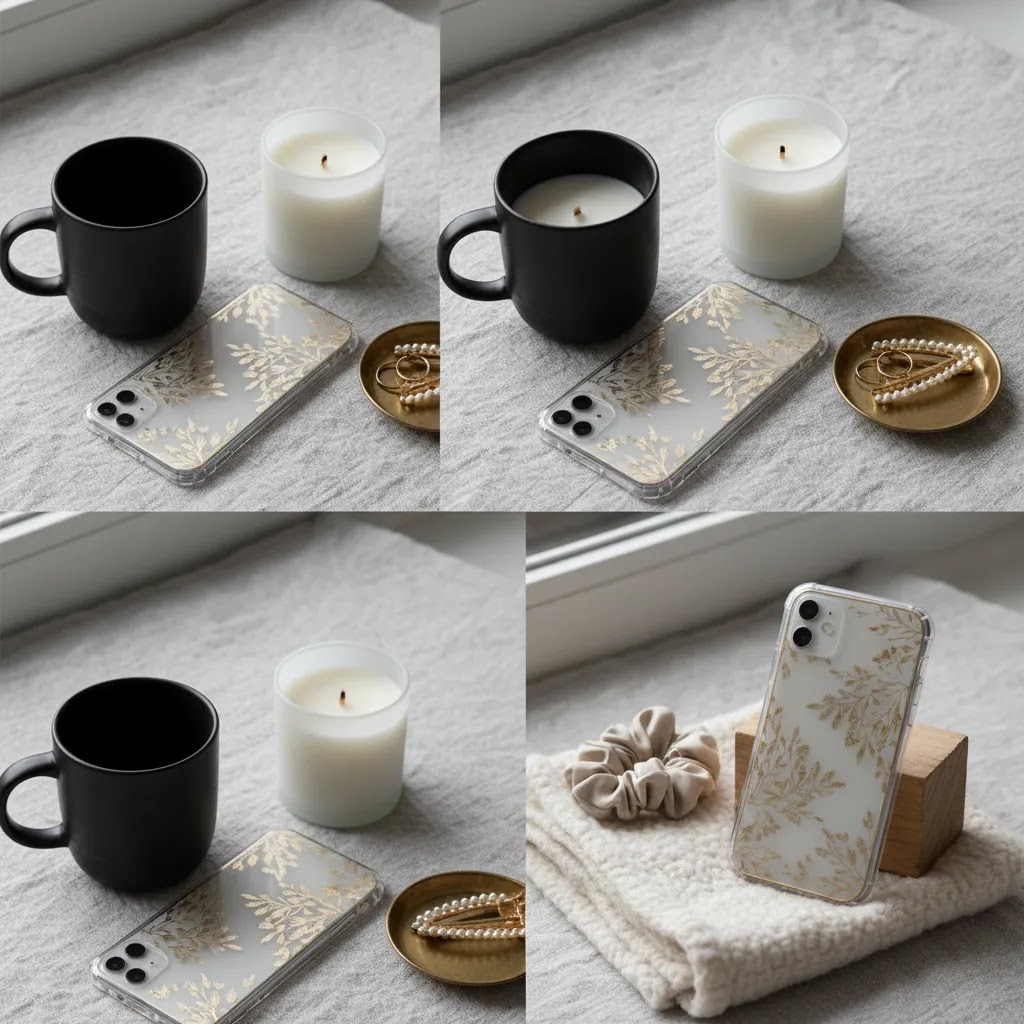
Consider this, a lifestyle photo is basically visual storytelling plus proof. You want emotion, but you also need the scene to feel like it could exist in the customer’s world.
Pick props and backgrounds that support the product story
Props should clarify who the product is for and when it is used, not act as decoration. A quick way to sanity-check your setup is to ask, “If I removed the product, would this still look like an attractive photo?” If the answer is yes, the product may not be the hero.
From a practical standpoint, use a simple brand-fit check before each shoot or setup:
- Color palette: do the props and surfaces sit inside your brand colors, or are they pulling attention away? If your packaging is bold, a calmer background usually helps.
- Texture and materials: premium products typically look more believable with real materials, such as stone, wood, linen, or matte ceramics, not glossy plastic props.
- Category signals: the scene should match what customers already expect. Skincare often reads as clean and minimal, outdoor gear reads as rugged and functional, food reads as warm and natural.
Lighting and composition basics that make scenes look real
Most lifestyle photos that “feel fake” fail on light first. Natural window light is a solid choice for many products because it gives soft shadows and a familiar look. Continuous lights can also work well, especially if you need repeatability across a larger SKU set, but you still need to control shadow direction and color temperature.
Keep these basics consistent across your gallery:
- Shadow direction: if the key light comes from the left in one image and from the right in the next, shoppers notice, even if they cannot explain why.
- Reflections: glossy packaging, glass, and metal will mirror whatever is in the room. Clean up the scene outside the frame, or you will photograph clutter reflections.
- Depth of field: heavy background blur can look premium, but it can also hide key context. If the environment matters, use a deeper focus so the scene reads clearly on mobile.
Build a consistent visual system you can repeat
For most Shopify store owners, consistency beats novelty. A simple system makes it easier to add new products, launch new variants, and produce seasonal assets without reinventing your look every time.
The way this works in practice is to maintain a small “visual rules” set:
- Reference images: save 5 to 10 best-performing images as your north star for framing, lighting, and prop density.
- Repeatable setups: use the same surface, same light position, and the same camera height whenever possible.
- Do’s and don’ts: for example, “no busy patterns,” “labels must be readable in at least one frame,” and “hands only when usage needs it.”
Pros and Cons
Strengths
- Shows products in context, which may help shoppers understand use, size, and fit faster.
- Can increase perceived value by making products feel more premium and brand-led.
- Gives merchants more versatile assets for product pages, ads, email, and social campaigns.
- Works especially well for products where atmosphere, routine, or identity influence purchase decisions.
- Pairs well with standard packshots, giving stores both accuracy and emotional appeal.
- AI-assisted editing tools can reduce production bottlenecks for smaller teams.
Considerations
- Custom lifestyle shoots can become expensive once props, models, and locations are added.
- Poorly styled scenes can distract from the product and reduce clarity on the product page.
- AI-generated scenes still need human review, especially for realism and brand consistency.
- Not every product needs heavy storytelling, particularly if buyers prioritize technical specifications over aesthetics.
- Stores with very large catalogs may struggle to produce lifestyle imagery for every SKU in a cost-effective way.
Who it is best for
Lifestyle product photography is best for ecommerce brands selling visually driven products where context changes perceived value. That includes beauty, home goods, apparel, accessories, food and drink, gifting, wellness, and many DTC products that depend on strong first impressions.
It is especially useful for Shopify merchants trying to strengthen merchandising without a full replatform or major site redesign. If your store already has accurate packshots but still feels flat, lifestyle imagery is often one of the clearest next improvements. For early-stage brands, a few strong hero scenes may be enough. For larger stores, the goal is usually a repeatable system rather than one-off creative.
How to get started
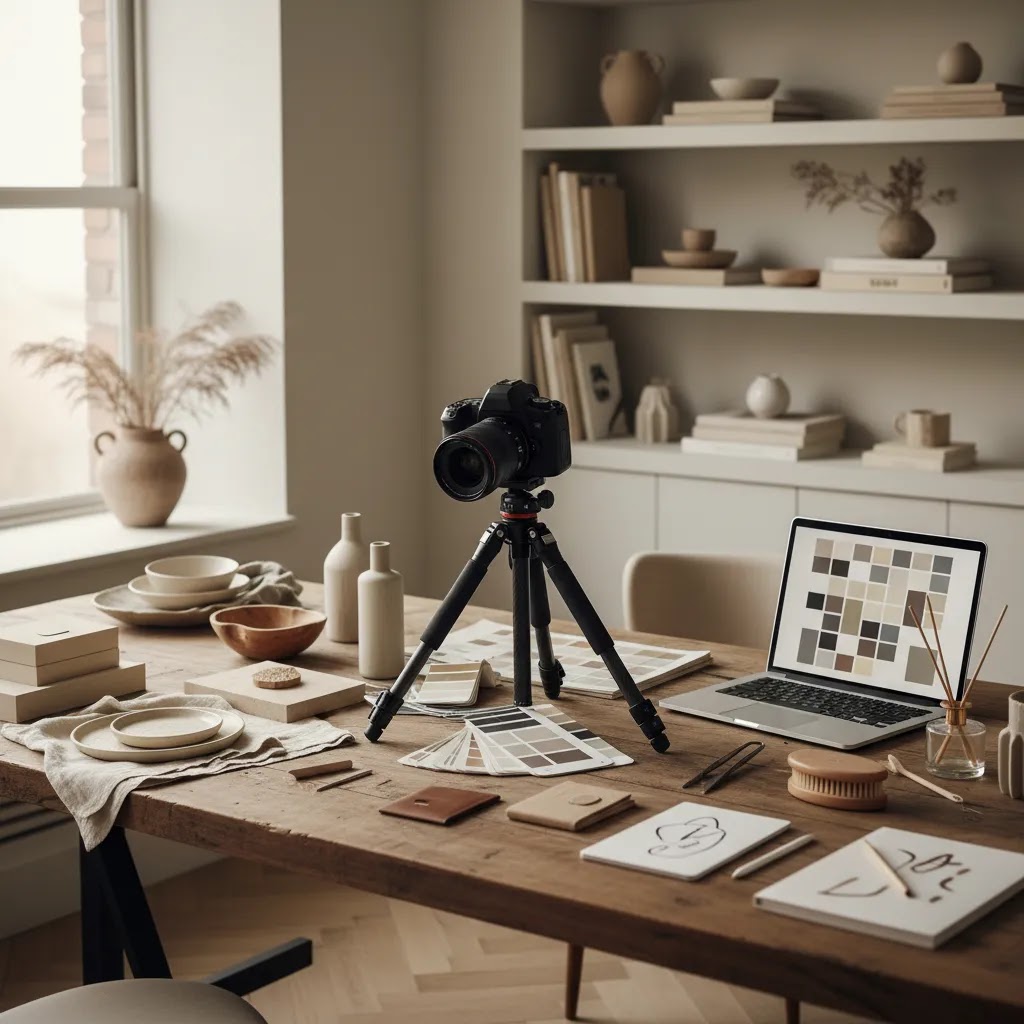
Start with your highest-value pages, not your whole catalog. Pick five to ten products where better storytelling is most likely to influence buying behavior. Bestsellers, giftable products, premium items, and ad landing page products are usually good candidates.
Next, define the scene before creating the image. What moment are you trying to communicate? Morning routine, outdoor use, workday setup, self-care ritual, weekend travel, or something else? That decision shapes props, lighting, background, and model choice.
Then choose your production method. You can shoot in-house, hire a photographer, or use AI-assisted tools for scene generation and editing. If you need speed and variation, test AI for secondary assets while keeping custom photography for core brand visuals.
After publishing, review performance in context. Look at click-through rate from collection pages, on-page engagement, ad creative response, and how well shoppers move from browsing to adding products to cart. Results will vary, but image changes are most useful when tied to real store metrics rather than taste alone.
AI lifestyle product photography workflow (and a QA checklist)
AI lifestyle product photography can be a practical way to generate more variations without scheduling a new shoot every time you want a different scene. The reality is, the best results usually come from treating AI as a production workflow, not a magic button.
A step-by-step workflow that tends to produce more believable results
For most Shopify store owners, start with your best existing product images. Clean packshots matter because AI has less room to invent details.
- 1) Start from clean packshots: use sharp images with accurate color and clear edges. If your label is slightly blurry, AI will often make it worse, not better.
- 2) Pick one scene concept: decide the moment and the customer. For example, “morning bathroom counter for a minimal skincare brand” or “desk setup for a tech accessory.” Keep the first concept tight before you branch out.
- 3) Generate multiple variations: produce a batch and choose the few that best match your brand system. You are looking for consistency, not just novelty.
- 4) Refine and standardize: once you have a winner, use it as a reference for future variants so your product gallery does not feel like a random collection of styles.
A QA checklist for ecommerce use
Before you publish AI-assisted lifestyle images to a live Shopify product page or run them in ads, do a quick quality pass. Small errors may not be obvious at full size, but they show up fast in thumbnails and can reduce trust.
- Label accuracy: check brand name, variant name, and any claims. AI can distort text or swap letters.
- Warped logos: look for bending or stretching on packaging, especially on curved surfaces.
- Product proportions: make sure the size relative to hands, counters, and other objects looks plausible.
- Hand and finger artifacts: if you use “in hands” imagery, inspect fingertips, nails, and grip points. These are common failure areas.
- Shadows and contact points: the product should feel grounded. If it looks like it is floating, adjust the scene choice or regenerate.
- Text legibility at small sizes: zoom out to approximate collection tiles and mobile gallery dots. If it becomes a blur, you may need a tighter crop or a different frame.
Where AI tends to work best, and where custom shoots still usually win
AI is often most useful for secondary creatives and testing. Think seasonal concepts, promotional headers, or ad variations where you want more angles to test without building an entire set.
Custom shoots still usually win for hero imagery where trust and accuracy matter most, for example, your homepage, best-selling product pages, and core brand campaigns. They can also be the safer option for regulated categories where claims and packaging accuracy need extra control, and for complex reflective products like shiny metal, glossy bottles, or glass where realism is hard to fake. Whatever route you choose, plan to review outputs carefully, and keep in mind that ad platform policies change, so verify current guidelines before pushing new creative live.
Frequently Asked Questions
What is lifestyle product photography?
It is a style of product photography that shows an item in a realistic setting or being used in real life. Instead of isolating a product on a white background, it adds context. For ecommerce, that context can help shoppers understand use, scale, audience fit, and overall product appeal.
What is a lifestyle image of a product?
A lifestyle image is a product photo where the item is shown in a real-world moment, such as being used by a person, placed in a routine setup, or styled in a believable environment. The goal is to make the product feel easier to imagine owning, while still keeping it clear enough that shoppers can evaluate what they are buying.
What is the difference between lifestyle and standard product photography?
Standard product photography focuses on accuracy and consistency, often on white or plain backgrounds. Lifestyle product photography focuses on storytelling and context. Most ecommerce stores benefit from both. Standard images support product detail and catalog clarity, while lifestyle images help merchandising, brand perception, and creative performance.
How much does lifestyle product photography usually cost?
Pricing depends on shoot complexity, photographer experience, number of setups, props, models, retouching needs, and licensing. A styled tabletop session costs less than a location shoot with talent. For many merchants, a hybrid model works best, using custom photography selectively and AI-assisted scene generation for additional variants.
Can AI create lifestyle product photography?
AI can help create or edit lifestyle-style scenes from existing product images. It is useful for testing concepts, seasonal backgrounds, or secondary campaign assets. It still needs review for realism, brand fit, and product accuracy. AI is most effective as a production aid, not as a replacement for judgment.
Should I use lifestyle images on Shopify product pages?
Yes, in most cases, but they should complement rather than replace clear product photos. Lead with accuracy, then use lifestyle images to show context and usage. This balance is especially important for products where size, color, material, or packaging details influence purchase decisions.
Do lifestyle photos help ecommerce conversions?
They may help by giving shoppers more confidence and a clearer sense of how the product fits into real life. Results depend on product category, traffic quality, page layout, and image execution. Strong lifestyle imagery supports better merchandising, but it is still one part of a wider conversion rate optimization process.
What is the 20 60 20 rule in photography?
The 20 60 20 rule is a simple styling guideline some photographers use for balanced compositions. It usually means roughly 20% of the frame is the main subject, 60% supports the story (the environment and supporting context), and 20% is negative space that gives the eye room to rest. It is not a strict formula, but it can be a helpful reminder for ecommerce lifestyle shots: keep the product clear, keep the context believable, and avoid filling every inch with props.
What products benefit most from lifestyle photography?
Products with a visual or emotional buying component usually benefit most. Examples include beauty, fashion, home decor, cookware, drinkware, wellness products, accessories, and gifts. Highly technical products may still benefit, but often need clear specification-led images alongside any story-based creative.
Key Takeaways
- Lifestyle product photography helps shoppers picture the product in use, which can improve merchandising and perceived value.
- The best ecommerce image systems combine accurate packshots with selective story-led lifestyle images.
- Production costs can rise quickly, so prioritize hero products and high-impact pages first.
- AI-assisted tools may help smaller teams create more scene variations, but human review is still essential.
- For Shopify stores, success comes from matching imagery to product type, page purpose, and brand consistency.
Conclusion
Lifestyle product photography is not just about making products look nicer. It is about helping shoppers understand the product faster, connect with the brand more clearly, and imagine ownership before buying. For many ecommerce stores, that makes it a worthwhile investment. The key is using it strategically. Start with your most important products, keep your scenes believable, and make sure every image still supports shopping clarity. If full custom shoots are out of reach, AI-assisted tools can help you test and scale concepts more efficiently. Your next step is simple: audit your current top product pages and identify where a story-led image could add context that your plain product photos are not currently giving.
Disclosure: AcquireConvert may receive affiliate compensation from some third-party links mentioned in this article. Any recommendations are based on practical ecommerce relevance, not guaranteed outcomes. Results from photography changes, AI tools, or creative updates will vary depending on your store, traffic sources, niche, product type, and implementation quality.
Hi, I'm Giles Thomas.
Founder of AcquireConvert, the place where ecommerce entrepreneurs & marketers go to learn growth. I'm also the founder of Shopify agency Whole Design Studios.