How to Find Lifestyle Photographers (2026)

Finding the right lifestyle photographers is less about picking the most artistic portfolio and more about hiring someone who understands ecommerce goals. Your images need to sell a product, fit your brand, and work across Shopify product pages, Amazon listings, paid social, and email. For most store owners, the best hire is a photographer who can plan scenes around conversion, not just aesthetics. That means knowing how to brief them, what to ask before booking, and how to compare product lifestyle photography quotes without overpaying for the wrong deliverables. At AcquireConvert, we evaluate visual content decisions through real ecommerce use cases, drawing on Giles Thomas’s experience as a Shopify Partner and Google Expert to keep the focus on what helps stores convert. If you need images that look credible and commercially useful, this guide will help you hire with confidence.
Contents
- What lifestyle photographers actually do
- Lifestyle photographer search strategies (where to look and how to shortlist)
- How to evaluate and hire the right photographer
- What to ask before you book (interview questions + red flags)
- Lifestyle product photography pricing and costs
- How to plan lifestyle shots that convert (shot list templates by ecommerce use case)
- Pros and cons of hiring a freelance or studio photographer
- Frequently asked questions
What Lifestyle Photographers Actually Do
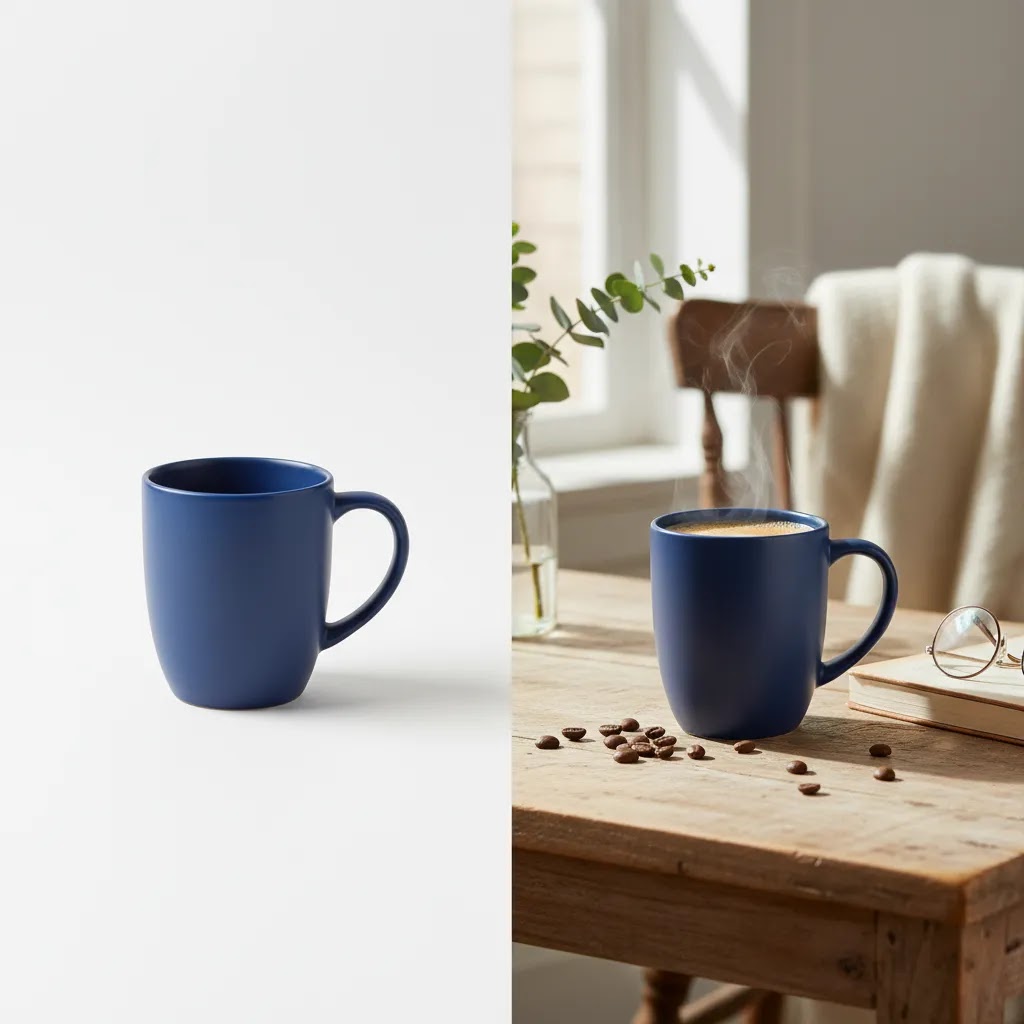
Lifestyle photographers create product images that show your item in context. Instead of a plain catalog shot on white, they build scenes, work with props, use environments, and sometimes direct models so shoppers can imagine the product in use. That matters for categories where buying decisions depend on feel, fit, aspiration, or practicality.
For ecommerce brands, lifestyle photography product work usually supports product pages, collection pages, ads, social content, and marketplace listings. It can sit alongside standard studio images, not replace them. If you are still defining the role lifestyle shots should play, start with this guide to lifestyle photography so you can separate creative wants from actual merchandising needs.
Strong product and lifestyle photography usually combines three things: visual consistency, commercial clarity, and channel fit. A beautiful image that hides the product, crops badly for mobile, or fails Amazon compliance is not doing its job. This is why many store owners now compare photographers not only on style, but also on shot planning, usage rights, turnaround times, retouching standards, and whether they understand ecommerce asset requirements.
If your brand also depends on founder-led content or identity-led visuals, it helps to understand where branding photography overlaps with lifestyle product work and where it does not. The overlap is real, but the deliverables are often different.
Lifestyle Photographer Search Strategies (Where to Look and How to Shortlist)
Here’s the thing: most store owners waste time scrolling through great-looking portfolios without a system for finding photographers who can reliably produce ecommerce-ready assets. Your goal is to build a shortlist fast, then spend your time only on candidates who match your niche, your aesthetic, and your deliverables.
From a practical standpoint, lifestyle photographers are usually found in a few places:
- Local search and local business listings. This is often the fastest route when you need a studio day, a local location, or you want to be on set. “Near me” searches can be helpful, but filter by recent commercial work, not just general photography.
- Instagram and portfolio platforms. Social is where many photographers show their best work, but you need to confirm they can repeat it. Look for full shoots, not only a handful of hero images.
- Referrals from stylists, creative directors, and brand founders. If you know someone who has shipped campaigns before, ask who they trust for ecommerce deliverables and deadlines.
- Agency and production rosters. Some photographers work through reps or studios that can also supply styling, assistants, and retouching. This can be a good fit when you need scale or want fewer moving parts.
What many store owners overlook is how quickly you can filter candidates by looking for niche fit and service model. Some photographers position as family, editorial, or portrait specialists, while others are clearly product-first and used to brand deliverables. You are not judging artistic ability here, you are checking if their business is set up to support your kind of project.
Use a shortlisting checklist that focuses on ecommerce outcomes:
- Category experience. Not just “product photography,” but examples close to your category, like skincare texture, apparel fit, reflective packaging, food steam, or small objects that need careful scale cues.
- Consistency across sets. Do their images look cohesive across a whole series, or is each image a one-off? Shopify collection pages punish inconsistency because the grid makes mismatched lighting and angles obvious.
- Evidence of ecommerce deliverables. Look for crops that can work in thumbnails, multiple angles, and repeatable composition. If everything is ultra-wide editorial framing, you may struggle to use the images on product detail pages.
- Proof of commercial work. Editorial work can be beautiful, but it is not the same as shooting for a product page, where clarity matters and the product needs to be the hero.
When portfolios look “good” across the board, compare process, not just visuals. Ask yourself: can this photographer produce a repeatable set for 20 SKUs, hit a shot list, and deliver files in a way your Shopify store can use without a week of cleanup? In many cases, the photographer who shows a clear workflow will outperform the one who only shows the best five images they have ever shot.
Consider this as a quick trust check before you pay a deposit: does their site or inquiry flow make it obvious what happens next, how they quote, what they deliver, and how approvals work? Clear process signals often correlate with fewer surprises once production starts.
How to Evaluate and Hire the Right Photographer
The best hiring process starts with a brief, not a portfolio search. Before you contact anyone, define what you need: number of SKUs, number of final images per product, prop requirements, model needs, intended channels, aspect ratios, and whether the images need to work for Shopify, Amazon, Meta ads, or all three.
Then evaluate photographers using these criteria:
Relevant portfolio quality. Look for product photography lifestyle examples in your category or a close one. A photographer who shoots restaurants or weddings may be talented, but that does not mean they understand skincare textures, apparel fit shots, or tabletop product composition.
Commercial awareness. Ask how they plan shots around product benefits. Good lifestyle photographers can explain why a scene supports the buying decision, not just why it looks appealing.
Production capability. Some freelancers style and shoot themselves. Others rely on external stylists, assistants, studios, or retouchers. Neither is automatically better, but you need clarity on who is responsible for what.
Scene planning. Background selection is one of the biggest quality differences between average and strong work. If you need help choosing settings that support the product without distracting from it, review ideas around scene background choices before you approve a mood board.
Platform fit. If you sell on marketplaces, ask directly about amazon product lifestyle photography, image crops, and any restrictions. Amazon lifestyle images can be useful, but they still need to support listing clarity and compliance.
Workflow and revisions. Confirm turnaround time, proofing method, number of included revisions, file delivery specs, and whether source files are included.
Hybrid production options. Some brands now mix traditional photography with AI-assisted concepting. If you want faster scene exploration before a shoot, an ai scene generator can help validate creative direction before paying for props, location time, or talent.
One practical tip for Shopify merchants: ask for crops that work for collection grids, product pages, and mobile thumbnails. Photographers who only think in full-width editorial frames may deliver beautiful assets that are awkward in a live storefront.
What to Ask Before You Book (Interview Questions + Red Flags)
A portfolio can tell you if a photographer can shoot. It does not always tell you what you are buying. Before you book, you want the details that prevent budget overruns, delays, and licensing surprises once the images are already live on your Shopify store.
Ask these questions early, ideally before you approve a quote:
- What exactly is included in the deliverables? Number of final images, setups, aspect ratios, and whether you will receive variants for Shopify grids, product pages, and ads.
- What is the retouching scope? Clarify whether it is basic cleanup, color correction, skin retouching, dust removal, label fixes, or more complex compositing. Also confirm how many revision rounds are included and what counts as a revision.
- What are the usage rights and licensing terms? Ask about duration, territory, and channels. If you need worldwide, paid ads, and marketplace use, make sure the license reflects that. If they charge for renewals, get that in writing.
- Is there any exclusivity? Some photographers or stylists may offer category exclusivity, others do not. In competitive niches, you may care whether they shoot for direct competitors in the same time window.
- What is your reshoot policy? Confirm how they handle mistakes, damaged products, missed shots, or a product change that forces a reshoot.
- Do you deliver raw files? In many commercial workflows, raw files are not included. If you want raw files for future editing, confirm the policy and whether it changes pricing.
- Do you handle model releases? If there are models or identifiable people, ask who collects releases, what usage they cover, and how you receive a copy for your records.
- Who owns the final selects? Confirm who chooses final images, how proofing works, and whether you get a say before retouching starts.
- How do props work? If they source props, ask who pays, who owns them, and whether anything needs to be returned. Prop returns can create hidden time costs if the process is unclear.
The reality is that quotes are hard to compare when every photographer assumes different deliverables and different licensing. A simple way to make proposals comparable is to send every photographer the same shot list format, the same file specs, and the same licensing assumptions. If one quote is lower, you can usually see whether it is because they excluded licensing, retouching, styling, or deliverable variants.
Watch for red flags that typically create overruns:
- Vague deliverables. If the quote says “20 edited images” without specifying per-SKU allocation, crops, and intended channels, you are likely to end up paying for “extras” later.
- Unclear usage rights. If licensing is not explicitly stated, assume restrictions exist and clarify before you publish images to ads or marketplaces.
- No proofing workflow. If there is no contact sheet, gallery review, or structured selection process, revisions tend to become messy and slow.
- No written shot list. If they do not want a shot list, that is usually a sign you will miss critical PDP angles or end up with beautiful images that do not merchandise the product.
- “Unlimited revisions.” In real production, this often means undefined scope, longer timelines, or quality issues. Clear revision limits are usually healthier for both sides.
- No plan for ecommerce cropping and file naming. If they have never delivered assets designed for storefront grids, you may be stuck renaming files and requesting manual crops after the fact.
Think of it this way: you are not just hiring a photographer, you are buying a workflow. When the workflow is clear, you can move faster, keep costs predictable, and actually use the assets across Shopify, ads, and listings without rework.
Lifestyle Product Photography Pricing and Costs
Lifestyle product photography pricing varies widely because you are paying for more than camera time. Costs often include creative planning, styling, props, location or studio rental, model fees, lighting, retouching, file exports, and licensing. That is why quotes for the same product can look very different.
In most cases, photographers price using one of four models:
- Day rate or half-day rate
- Per-image pricing
- Per-product pricing
- Custom production quote for a campaign
For smaller ecommerce brands, per-image or per-product pricing is usually easier to compare. For larger shoots with models or multiple setups, a production quote is more common and often more accurate. Ask each photographer to break out the following:
- Pre-production and shot list planning
- Studio or location fees
- Styling and prop sourcing
- Model or talent costs
- Retouching and revision rounds
- Commercial usage rights
- Rush fees and reshoots
If you are also comparing physical studio production, this overview of a product photography studio can help you decide whether a photographer, a studio team, or a hybrid setup is the better fit.
For lean teams, the cheapest quote is rarely the best value. Low pricing may mean weak art direction, limited revisions, poor file prep, or licensing restrictions that create problems later. A better question is whether the final assets will support your store across all the channels that matter.
How to Plan Lifestyle Shots That Convert (Shot List Templates by Ecommerce Use Case)
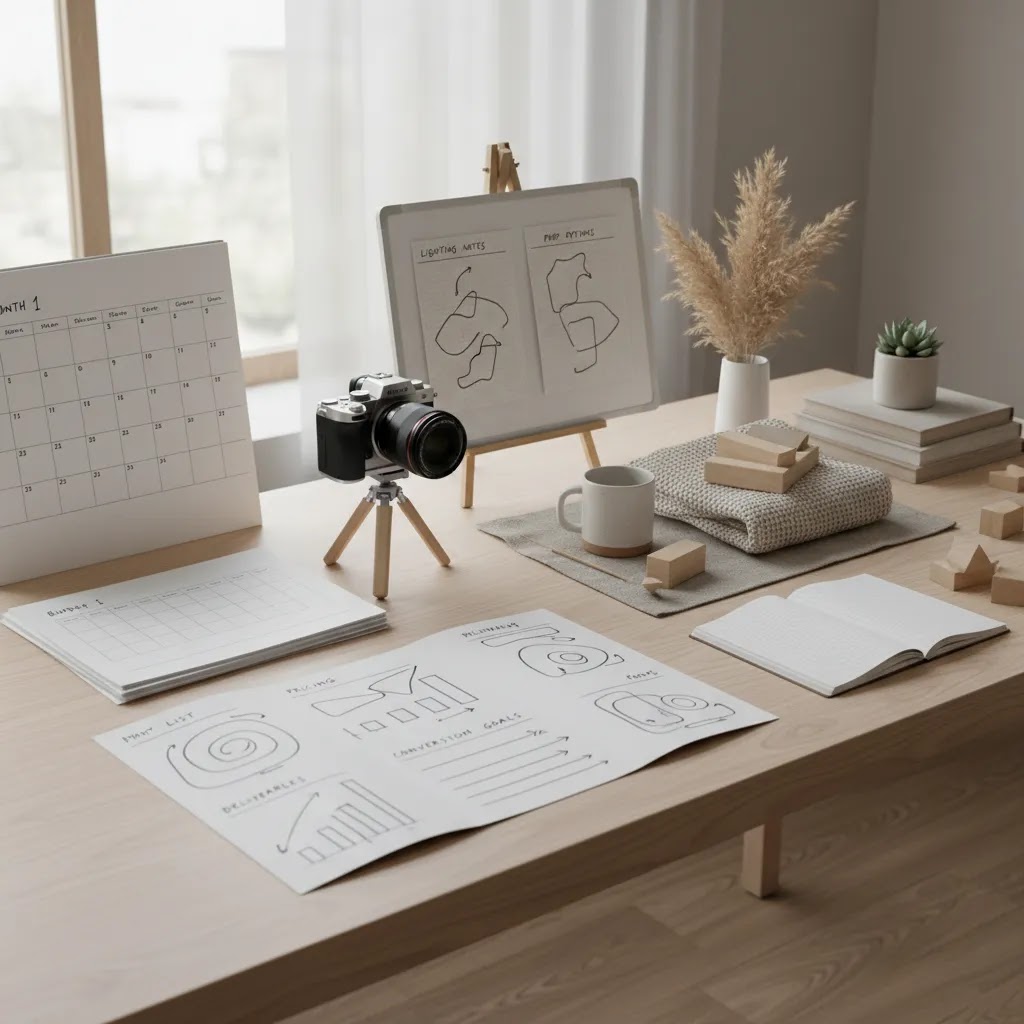
Most lifestyle shoots go wrong in planning, not production. You end up with gorgeous images, but not the images your product page, ads, and listings actually need. A conversion-focused shot list fixes that, because it forces you to define what the image has to communicate.
A practical shot mix that tends to cover most ecommerce use cases includes:
- Hero-in-context. The product is clearly visible in a believable scene. This is often the first lifestyle image on a Shopify product page because it sets the tone fast.
- Scale reference. Show size with hands, a person, or an everyday object. This is especially important for home goods, beauty, and accessories where dimensions are hard to visualize.
- Hands-in-use. A simple interaction shot can communicate function without needing a long paragraph of copy.
- Detail and texture. Close-ups that show materials, finish, and quality cues. Shoppers use these to evaluate value.
- Packaging and unboxing. Useful for giftable products and subscriptions. It can reduce uncertainty about what arrives.
- Benefit-focused moments. A scene that demonstrates the outcome, like before and after context, organization, comfort, or convenience. Keep it believable and product-led.
Now, when it comes to channel fit, plan your shots around where the image will live:
- Shopify PDPs and collection grids. You typically want one or two lifestyle images that crop well for mobile and do not hide key product details. Consistent framing helps your collection pages look cohesive.
- Meta ads. You often need clearer focal points, stronger product visibility, and enough negative space for different placements. Creative that works in a square feed may not work in a vertical placement, so plan for safe crops.
- Amazon secondary images. Lifestyle shots can work well, but they still need to be clear and compliant. Avoid building a shot list that relies on text overlays or anything that may conflict with current marketplace rules.
What many store owners overlook is consistency across SKUs. If you are shooting multiple products, treat it like a system:
- Repeatable sets. Use the same core surface, background, or location style so your collection page does not look like it was sourced from five different brands.
- Repeatable lighting. Consistent light direction and color temperature can matter as much as props, especially when products share a collection grid.
- Repeatable angles. Decide in advance which angles are mandatory for every SKU, then add a few unique shots where the product needs it.
- Repeatable props. Limit the number of prop styles so the product stays the hero and your brand look stays recognizable.
The way this works in practice is simple: build your shot list in rows per SKU, with columns for required angles, crops, and channels. Then your photographer can tell you what is realistic within a half-day or full-day schedule, and you avoid the common problem of getting ten great images of one product and two rushed images of the rest.
Pros and Cons
Strengths
- Lifestyle photographers can make products feel more tangible and useful, which may improve shopper understanding on Shopify product pages.
- Good lifestyle imagery gives you multi-channel assets for social ads, email, landing pages, and marketplace content.
- Contextual scenes can communicate scale, fit, and use cases better than plain packshots alone.
- Skilled photographers often help shape the creative brief, not just execute it, which is valuable for lean ecommerce teams.
- Professional lifestyle product photography with models can strengthen brand perception in categories where trust and aspiration matter.
Considerations
- Costs can rise quickly once you add props, sets, models, stylists, and commercial licensing.
- Some photographers are highly creative but do not understand ecommerce requirements like mobile crops, variant consistency, or Amazon image constraints.
- Turnaround times are often slower than standard studio product photography because more planning and post-production are involved.
- Without a clear brief, lifestyle images can look attractive but fail to highlight the product well enough to support conversion.
Frequently Asked Questions
What is lifestyle product photography?
Lifestyle product photography shows a product in a real or styled context instead of isolating it on a plain background. The goal is to help shoppers picture ownership or use. For ecommerce brands, it often supports product pages, ads, and social content rather than replacing technical studio shots.
How do I find lifestyle photographers for my product category?
Start with category-specific portfolio reviews, not general photography directories alone. Look for experience with products similar to yours, such as apparel, beauty, food, home, or outdoor gear. Then ask how they approach shot lists, props, retouching, and asset delivery for ecommerce channels.
How do I find lifestyle photographers near me?
Start with local search and local business listings, then cross-check with Instagram or a portfolio site to confirm they shoot commercial product work, not only portraits or events. If possible, filter by signs they can handle ecommerce deliverables, like consistent series work across multiple SKUs, clear product visibility, and images that crop well for mobile. If you plan to ship products to a remote photographer, confirm how they handle receiving, storage, and returns before you pay a deposit.
What should I look for in a lifestyle photographer’s portfolio?
Look for category relevance, consistency across a full set, and proof they can make the product the hero inside a scene. A strong portfolio will usually show repeatable lighting and composition, not only one-off hero shots. For ecommerce, it also helps if you see images that clearly support product pages, like scale references, hands-in-use, and details that show texture or build quality.
How far in advance should I book a lifestyle photoshoot?
In many cases, you will want to book a few weeks ahead, and longer if the shoot needs models, location permits, or custom prop sourcing. Timelines also depend on how fast you can lock the brief and ship products. If you have a seasonal launch, work backward from your go-live date and leave time for editing, feedback, and exporting crops for different channels.
Do I need a model release for lifestyle product photography?
Yes, if a model or any identifiable person appears in the photos, you typically need a model release that matches your intended usage, like Shopify product pages, paid ads, email, and marketplaces. Confirm who is responsible for collecting releases, what rights the release grants, and that you will receive a copy for your records before you publish the images.
Should I hire a freelance photographer or a studio?
A freelancer can be a strong fit for smaller brands that need flexibility and a more direct working relationship. A studio may suit larger productions that need built-in styling, retouching, talent coordination, or higher asset volume. The right choice depends on complexity, not just company size.
What should be included in a photographer brief?
Your brief should cover products, target customer, brand references, required shot types, intended channels, image dimensions, prop preferences, model requirements, deadlines, and approval process. The clearer the brief, the easier it is to compare proposals and avoid expensive creative misunderstandings.
Can lifestyle images be used on Amazon?
Yes, in many cases they can be used in secondary image slots, depending on Amazon’s current category requirements. They are especially useful for showing product use, scale, or context. Your main image rules are stricter, so always confirm marketplace compliance before publishing.
How much does lifestyle product photography usually cost?
Pricing depends on the number of products, final images, styling complexity, talent, location, and licensing. A simple tabletop shoot will cost less than a model-based campaign with custom sets. Ask for line-item pricing so you can compare quotes based on deliverables, not headline numbers alone.
Can AI replace lifestyle photographers?
AI can help with concepting, scene testing, and some image generation workflows, but it does not fully replace a skilled photographer for every brand. Physical products, custom props, model direction, and high-trust categories often still benefit from real photography. Many brands now use AI to support, not replace, production.
Key Takeaways
- The right lifestyle photographers combine creative skill with ecommerce awareness, especially for Shopify, Amazon, and paid social use cases.
- Always brief before you source, because clear deliverables make portfolio reviews and quote comparisons far more reliable.
- Pricing should be assessed against total production scope, including styling, props, retouching, and licensing.
- Lifestyle imagery works best alongside clear studio product shots, not as a total replacement for them.
- If you are comparing options, explore AcquireConvert’s Lifestyle Product Photography and Hiring & Services resources for more practical guidance.
Conclusion
Hiring lifestyle photographers is a commercial decision as much as a creative one. The strongest choice for most ecommerce brands is someone who can translate product benefits into images that fit your storefront, ads, and marketplaces, not just deliver an attractive portfolio. If you sell on Shopify, think about collection grids, mobile crops, product page clarity, and how each image supports the path to purchase. If you sell on Amazon, add compliance and listing structure to the evaluation. Start with a tight brief, ask sharper questions than “What is your rate?”, and compare proposals based on deliverables and usage rights. That process usually leads to better imagery and fewer revisions. Your next step is simple: define your shot list, shortlist three photographers, and request comparable quotes this week.
AcquireConvert may receive affiliate compensation from some links or tools mentioned across the site. This article is provided for educational purposes and reflects practical ecommerce considerations, not guaranteed results. Outcomes from lifestyle photography may vary based on your niche, product quality, traffic, creative direction, and implementation across your store and marketing channels.
Hi, I'm Giles Thomas.
Founder of AcquireConvert, the place where ecommerce entrepreneurs & marketers go to learn growth. I'm also the founder of Shopify agency Whole Design Studios.