Lifestyle Photos for Ecommerce Brands (2026)

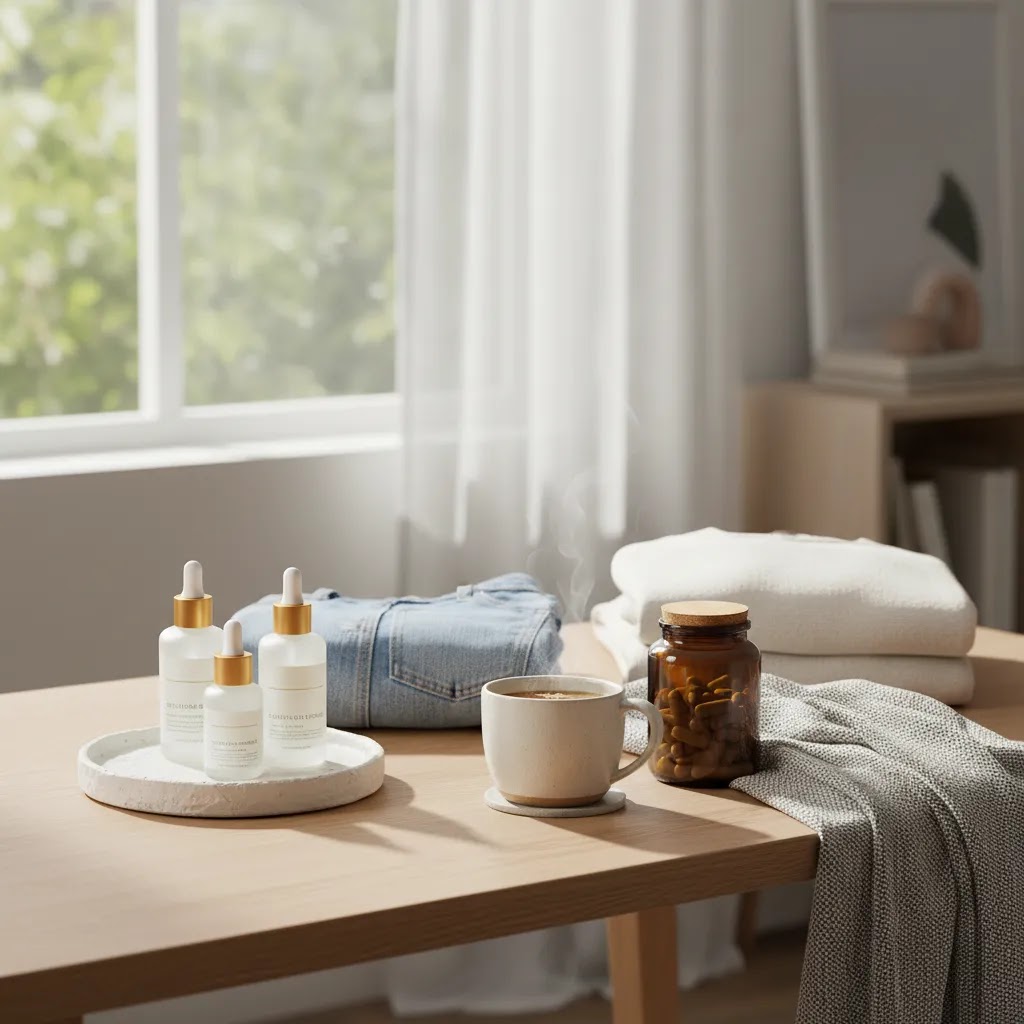
Lifestyle photos help ecommerce brands show products in a believable, aspirational setting instead of on a plain background alone. For most Shopify store owners, they work best as a conversion-supporting image type, not a replacement for standard catalog shots. If you sell apparel, beauty, home goods, supplements, gifts, or products with a clear use case, lifestyle imagery can make product pages feel more persuasive and more informative. The key is getting the balance right between brand storytelling and product clarity. As part of AcquireConvert's Shopify-focused content approach, Giles Thomas evaluates visual merchandising decisions through their likely impact on conversion rate optimization, average order value, and customer trust. If you are deciding whether to invest in a lifestyle photoshoot, this guide will help you judge fit, cost, and the most practical next step for your store.
Contents
- What lifestyle photos actually do
- What counts as a lifestyle photo (with examples)
- Best uses, formats, and shoot ideas
- Lifestyle photoshoot planning: wardrobe, props, and styling that do not distract from the product
- Pricing and production costs
- Trust and credibility considerations
- Pros and Cons
- Who lifestyle photos are best for
- Category-specific lifestyle photo ideas (food, real estate, and everyday use products)
- How to get started
- Frequently Asked Questions
What Lifestyle Photos Actually Do
What are lifestyle photos in an ecommerce context? They are product images designed to show the item being used, worn, held, styled, or placed in a realistic environment. That environment might be a kitchen, desk, gym bag, bathroom shelf, bedroom, studio set, or outdoor location, depending on the product.
For ecommerce brands, lifestyle product photos usually sit alongside plain-background images, close-ups, and detail shots. They are not a substitute for core product photography. They are there to answer buyer questions visually: size, context, intended use, style, audience fit, and emotional tone.
If you are still building your visual strategy, start with a broader understanding of lifestyle photography as a category. From there, you can decide whether your store needs model-led scenes, prop-led compositions, or simpler environmental setups.
Lifestyle imagery tends to matter more when the product benefits from imagination. Fashion, skincare, home decor, accessories, and gifting products often perform better with imagery that helps shoppers picture the product in their own lives. This overlaps closely with branding photography, especially when your store is trying to build a premium or distinctive visual identity rather than compete on price alone.
What Counts as a Lifestyle Photo (With Examples)
Here is the thing, a lot of store owners say “lifestyle” when they really mean “anything that is not a white background.” In ecommerce, lifestyle photos have a specific job: show the product in a real-world context that helps someone buy.
A true lifestyle photo typically has three ingredients: the product is clearly visible, the environment makes sense for the way a customer would use it, and the scene answers at least one practical buyer question (size, how it is held, how it looks in a room, how it fits into a routine).
It helps to separate lifestyle photos from two close cousins:
- Lifestyle product photos: the product is the hero, and the context supports purchase clarity.
- Styled product photos: the product is present, but the styling is doing more of the talking. These can still work on product pages, but they can drift toward “pretty” instead of “useful” if you are not careful.
- Editorial brand imagery: mood-first images where the product may be secondary, partially hidden, or not the main subject. These are often better for campaigns, lookbooks, or brand pages than a Shopify PDP image gallery.
Concrete ecommerce examples that usually count as lifestyle:
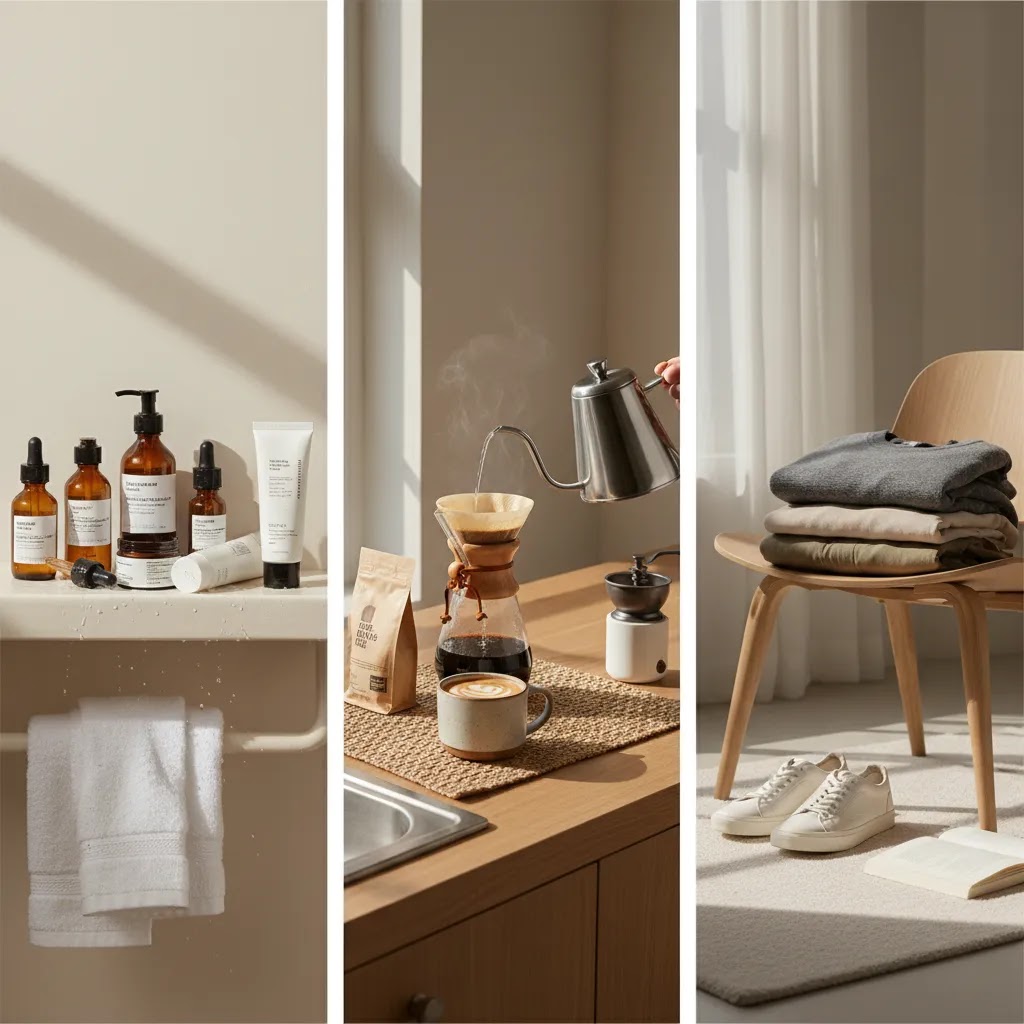
- In-use: a hand applying a skincare product, coffee being poured into a mug, a pet wearing a collar, a pan on a stovetop with food inside it.
- Held or worn: a backpack on someone’s shoulder, jewelry on an ear or wrist, a water bottle being carried, a phone case on a real phone in someone’s hand.
- Contextual environment: a diffuser on a nightstand, storage bins in a closet, a throw blanket on a sofa, a keyboard on a desk setup.
- Routine moment: supplements next to a glass of water on a kitchen counter, sunscreen in a beach bag, a planner next to a laptop and coffee.
Non-examples that often cause problems on product pages:
- Too abstract: the product is technically in the frame, but the viewer cannot identify it quickly.
- Product not visible enough: the model pose or prop placement hides key features shoppers care about.
- Misleading scale: extreme close-ups without an anchor, or scenes that make the product appear bigger than it is.
- Color distortion: heavy filters or lighting that makes a shade look different from the true product color.
From a practical standpoint, the “minimum product clarity” standard is simple: a shopper should be able to understand what the product is within a second or two, and the image should not create false expectations about what is included. On Shopify product pages, that usually means at least one lifestyle image where the full item is visible, plus at least one that shows it being used in a way that reveals scale. Your clean packshots still carry the accuracy burden, but your lifestyle images should not fight them.
Best Uses, Formats, and Shoot Ideas
The most useful lifestyle product photos do one of four jobs.
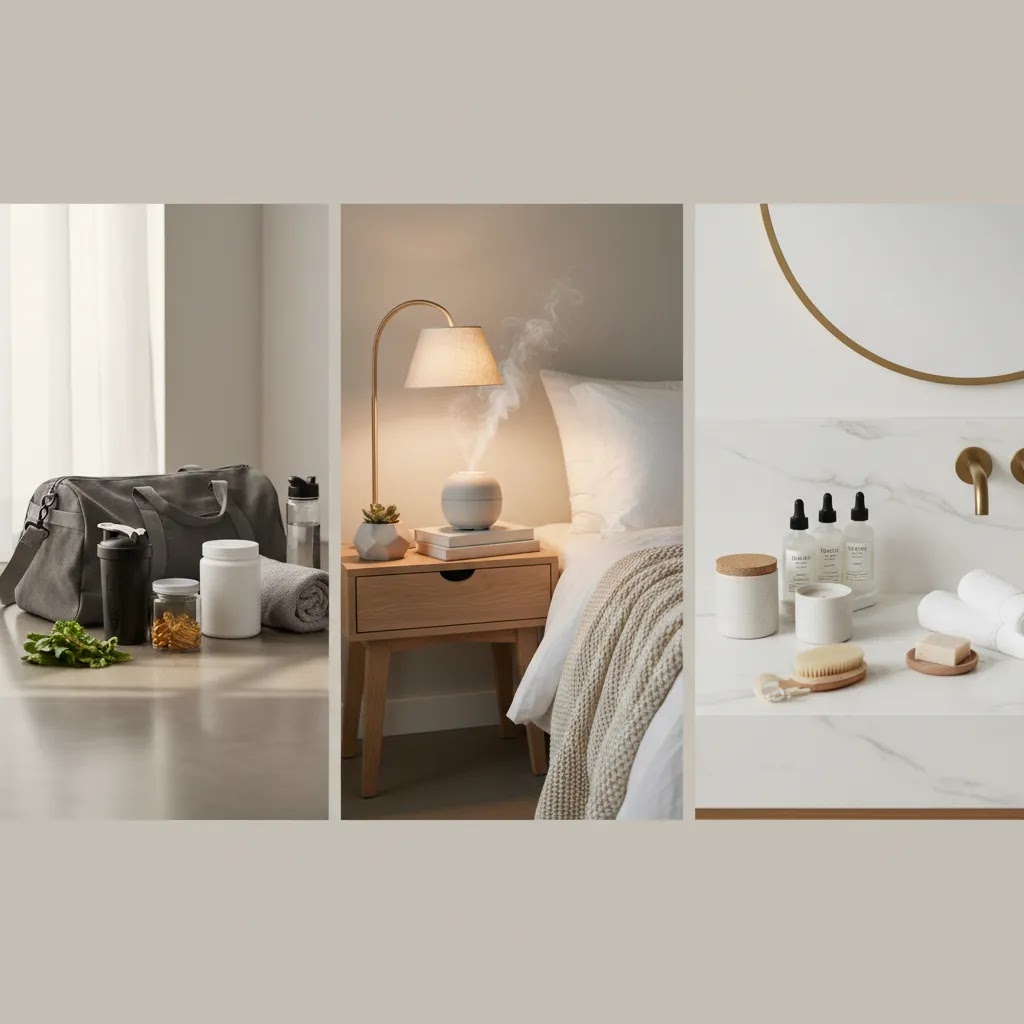
First, they add context. A water bottle in a gym bag, a candle on a bedside table, or a serum beside a bathroom mirror gives shoppers an immediate sense of place and use.
Second, they show scale and interaction. This is especially useful for supplements, beauty products, kitchenware, and handheld items. If you are planning lifestyle product photography with models, make sure the model interaction supports the product rather than distracting from it.
Third, they reinforce brand style. A minimal product can feel clinical or premium depending on lighting, props, wardrobe, and the chosen scene background. This matters on Shopify collection pages, landing pages, and paid social creatives where visual consistency influences click-through and trust.
Fourth, they create more merchandising assets. A single lifestyle photoshoot can feed product pages, homepage banners, email campaigns, social posts, and marketplace listings. For brands selling on Amazon, amazon product lifestyle photography can support gallery images, provided the images still meet marketplace rules for each placement.
Common formats include model shots, in-use close-ups, room scenes, tabletop setups, and flat lay lifestyle photos. Flat lays often work well for beauty, stationery, and wellness products because they are simpler to produce while still feeling styled. If you are testing concepts before a full shoot, an ai scene generator may help you validate composition ideas or campaign directions before committing to production.
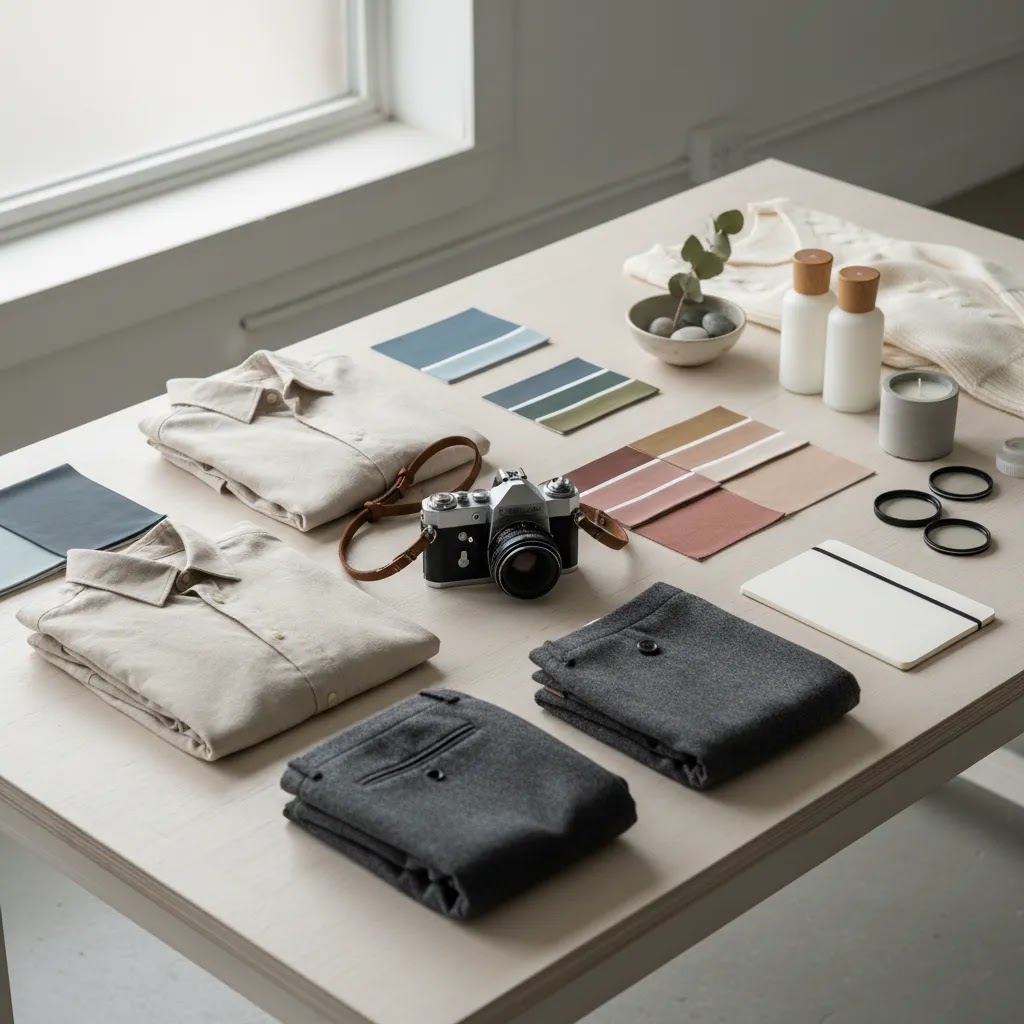
Lifestyle Photoshoot Planning: Wardrobe, Props, and Styling That Do Not Distract From the Product
What many store owners overlook is that lifestyle photography can fail long before the camera comes out. Most “we need to reshoot this” problems come down to wardrobe that steals attention, props that confuse the story, or a scene that feels like a photoshoot instead of real life.
What to wear for lifestyle photos (so the product stays the hero)
If you are using models, wardrobe is part of your conversion strategy. The goal is not fashion styling for its own sake. It is keeping attention on the product while still matching your buyer’s identity.
- Stick to simple, brand-aligned colors. Neutral palettes and solid tones usually keep the scene focused.
- Avoid logos, loud patterns, and high-contrast stripes. They can create visual noise and can cause problems if you later want to reuse images in ads.
- Match the customer, not the team. If you sell premium skincare, the wardrobe and grooming should reflect the kind of customer you want to attract.
- Think about skin tones and color cast. A bright green top near a white product can reflect color onto packaging and make it look off on a Shopify PDP.
Props and set styling that look believable by product type
Consider this, your props should explain the product, not decorate it. The most effective scenes tend to use a few relevant items that anchor the use case.
- Beauty and skincare: keep countertops clean, use a small number of bathroom or vanity cues, and avoid clutter that competes with packaging. If the product is a hero SKU, give it breathing room in the frame.
- Home goods and decor: show placement and scale first, then style. A pillow on a sofa is helpful because it shows size and texture. Too many competing patterns in the room can make the product harder to evaluate.
- Apparel and accessories: choose wardrobe pieces that support the item, not overshadow it. For jewelry, clean necklines and simple hair choices often make the product read faster.
- Supplements and wellness: scenes should feel routine and grounded, like a kitchen counter or gym bag. Be careful with implied claims in props or situations, and keep packaging readable.
Shot planning that reduces reshoots and creates usable assets
The way this works in practice is a simple shot list, then discipline on set. If you are building assets for Shopify, you typically want variations that fit different placements.
- Capture safe shots first: product clearly visible, simple composition, and clean lighting. Then push into more creative concepts.
- Get both horizontal and vertical crops. Vertical is often more useful for paid social and stories, horizontal can suit hero banners and some email layouts.
- Keep lighting consistent across the set. Consistency makes your product pages feel more professional, especially when customers swipe through a gallery.
- Take a quick mobile check during the shoot. If the product name or key feature becomes unreadable on a phone screen, adjust framing before you move on.
Pricing and Production Costs
Lifestyle product photography pricing varies widely because the cost is driven by production choices rather than one standard rate card. The Products tool data available for this article includes AI image and editing tools, but it does not provide live pricing for full-service lifestyle photography services. That means the safest advice is to evaluate pricing by production components, not assumed package tiers.
Typical cost drivers include photographer day rate, studio rental, location fees, models, hair and makeup, props, set styling, retouching, shot count, licensing terms, and whether video is included. A simple tabletop shoot with props may be far less expensive than a multi-model campaign with custom sets.
For a lean Shopify brand, the smartest question is not just “what will a lifestyle photoshoot cost?” It is “how many usable assets will this session produce?” If one shoot gives you hero images, social ad creatives, email graphics, and product page images, the effective cost per asset may be reasonable.
If your catalog still lacks clean standard product shots, fix that first. A strong product photography studio workflow usually comes before lifestyle expansion. You can also explore AcquireConvert's Catalog Photography and Lifestyle Product Photography categories to compare visual approaches before hiring or producing your next shoot.
Trust and Credibility Considerations
Lifestyle imagery can improve perceived quality, but it can also hurt trust if it misrepresents the product. That is where many ecommerce brands get this wrong. Over-styled images may look polished while making size, finish, texture, or included components less clear.
From a conversion rate optimization perspective, shoppers usually respond best when lifestyle product photos complement factual product images. Your gallery should still show exact color, packaging, dimensions, and important details. This is especially important for supplements, cosmetics, and products with regulated or expectation-sensitive claims.
AcquireConvert's editorial perspective is shaped by Giles Thomas's work as a Shopify Partner and Google Expert. That matters here because product imagery does not just affect product pages. It also affects paid traffic efficiency, landing page message match, and how consistently your brand presents itself across channels.
Credibility increases when your images help shoppers understand the product faster, not just admire the art direction. The best lifestyle photos still feel commercial in the right way. They sell through clarity as much as aspiration.
Pros and Cons
Strengths
- Lifestyle photos help shoppers picture how a product fits into daily life, which may improve confidence before purchase.
- They support stronger visual branding across Shopify product pages, email marketing, paid social, and landing pages.
- They are useful for products where context matters, such as apparel, beauty, supplements, home goods, and gifting.
- A single well-planned shoot can produce many reusable assets across multiple channels.
- They can communicate scale, use case, audience fit, and mood more effectively than plain catalog shots alone.
Considerations
- Lifestyle shoots can become expensive quickly once you add models, props, locations, and retouching.
- If the creative direction is too abstract, shoppers may not understand the product clearly enough to buy.
- Brands with very large catalogs may struggle to maintain consistency across many SKUs.
- Lifestyle images are not a replacement for white background, detail, or packaging shots on core product pages.
- Some product categories need careful compliance review so imagery does not create misleading expectations.
Who Lifestyle Photos Are Best For
Lifestyle photos are usually a strong fit for visually led Shopify brands with products that benefit from context. That includes fashion, skincare, home decor, wellness, gift, and accessory stores. They also make sense for brands with active paid social campaigns, because the same image set may be repurposed across ads and landing pages.
They are less urgent for very early-stage stores that still need consistent basics, such as clean packshots, accurate color representation, and straightforward collection merchandising. If margins are tight, start with a small shoot around your best sellers rather than the whole catalog. Test where imagery can move the needle first, then expand.
Category-Specific Lifestyle Photo Ideas (Food, Real Estate, and Everyday Use Products)
Now, when it comes to lifestyle photos, “show it in use” means different things depending on what you sell. A beauty brand can rely on hands and countertops. A food brand needs to handle portion and serving context honestly. Home-related products need scale. The goal is the same, reduce buyer uncertainty.
Food lifestyle photos: serving context, ingredient cues, and honest scale
Food is a category where lifestyle imagery can do a lot of work fast, but it is also where brands can accidentally create misleading expectations. Keep your scenes appetizing, but commercially accurate.
- Serving context: show the product served the way a customer would actually use it, like a bar next to a gym bottle, tea in a mug, sauce on a meal.
- Ingredient cues: include a small number of recognizable ingredients as supporting props so shoppers can connect the flavor or use case at a glance.
- Portion scale: include hands, plates, bowls, or packaging in the frame so size is obvious.
- Moment of use: breakfast counter, lunch prep, post-workout, or a social setting, as long as the product remains clear.
Think of it this way, if a shopper could reasonably misinterpret portion size, quantity, or what is included, recompose the shot. Your standard product photos and on-page details should still carry the factual information, but lifestyle imagery should not contradict them.
Real estate and home-staged scenes: placement and realism over drama
If you sell home goods, furniture, lighting, or anything that is effectively “real-estate adjacent,” shoppers need to understand how the product sits in a space. Lifestyle scenes should answer placement questions clearly.
- Show placement: position the product where it would realistically live, and keep the product unobstructed.
- Show scale: include adjacent objects people recognize, like a sofa arm, bed frame, standard dining chair, or countertop edge.
- Use realistic lighting: overly dramatic shadows can look premium, but they can also hide texture and true color.
- Avoid extreme wide-angle distortion: wide lenses can make rooms feel larger and objects feel stretched. That may look nice, but it can create trust issues when the product arrives.
Everyday use products: the “lifestyle background image” effect
For everyday products, the background you choose quietly signals price point and trust. A simple, clean environment can read as modern and premium. A cluttered environment can read as lower-end or confusing, even if the product is great.
For most Shopify store owners, a good rule is: if the product requires explanation, simplify the scene. If the product is already obvious, you have more freedom to add mood and brand texture.
Here is a practical check: if you remove the product from the image and the scene still looks “busy,” it is probably too styled for a PDP. Save the more editorial compositions for banners, ads, and brand storytelling placements where you are not relying on the image to carry product clarity.
How to Get Started
Start by choosing 3 to 5 products that already have demand or strategic importance. These are usually your best sellers, highest-margin items, or products used in acquisition campaigns.
Next, define the purpose of the shoot. Do you need homepage hero images, better product and lifestyle photography for PDPs, or a library of social ad creatives? That answer shapes your shot list.
Then, build a simple brief covering audience, setting, props, model requirements, orientation, and must-capture details. Keep it commercially grounded. Each image should answer a buyer question or support a brand message.
If you are not ready for a full production, use test images, small tabletop scenes, or AI concept mockups to validate direction first. Review the results inside your Shopify theme on mobile and desktop before scaling the approach.
After publishing, track engagement signals such as click behavior, add-to-cart rate, and performance differences between products with and without lifestyle imagery. Results will vary by product type, traffic quality, and how clearly the images support the purchase decision.
Frequently Asked Questions
What is lifestyle product photography?
Lifestyle product photography shows a product in use or in a realistic setting rather than isolated on a plain background. The goal is to help shoppers understand context, audience fit, and brand tone. For ecommerce, it works best when paired with standard product images that show the item clearly and accurately.
How is lifestyle photography different from standard product photography?
Standard product photography focuses on accuracy, consistency, and product detail, often using clean backgrounds and controlled lighting. Lifestyle photography adds story, environment, props, and sometimes models. Most Shopify stores need both. Standard images handle clarity, while lifestyle images help support desirability and real-world context.
Do lifestyle photos help conversion rates?
They may help, especially for products where shoppers need context to understand value, fit, or use. That said, they are not guaranteed to improve performance on every store. Results usually depend on traffic quality, image clarity, product category, and whether the images answer practical shopper questions instead of just looking attractive.
What products benefit most from lifestyle photos?
Apparel, beauty, supplements, home goods, kitchen products, gifts, and accessories often benefit most because they are easier to understand in context. Commodity products or technical replacement parts may benefit less, unless the use case itself is confusing and imagery helps explain installation, handling, or scale.
Can I use lifestyle photos on Amazon listings?
Often yes, for secondary gallery images, though marketplace requirements vary by image slot and category. Your main image usually has stricter standards. If you sell on both Shopify and Amazon, plan the shoot so you have both compliant plain-background images and supporting lifestyle images that can be repurposed across channels.
Should I hire a photographer or create images in-house?
That depends on catalog size, brand positioning, and available time. In-house can work for simple tabletop or flat lay lifestyle photos if you have a clear brief and decent lighting. Hiring a specialist usually makes more sense for premium brands, model shoots, or campaigns where visual consistency and asset volume matter.
How many lifestyle images should a product page have?
There is no fixed number, but most stores do well with a balanced mix. A practical approach is to include several factual product images first, then add one to three lifestyle images where they genuinely help with context, scale, or aspiration. Too many can crowd the gallery without adding buying confidence.
What is an example of a lifestyle photoshoot?
An example is a small Shopify brand photographing its best-selling candle in a real bedroom setting: one shot on a nightstand with a book and lamp for context, one close-up showing the label and flame for detail, and one hand lighting it to show interaction and scale. The product stays clearly visible, and each image answers a buyer question rather than just creating mood.
What is considered a lifestyle photo?
In ecommerce, a lifestyle photo is an image where the product is shown in use, worn, held, or placed in a realistic environment that helps a shopper understand scale, context, and fit. It should still be clear what the product is, and it should not misrepresent color, size, or what is included.
What to wear for lifestyle photos?
Wear simple, brand-aligned clothing that does not compete with the product. Solid colors and neutral tones typically work well. Avoid visible logos, busy patterns, and anything that pulls attention away from what you are selling. If you are using models, align wardrobe with your target customer so the images feel believable on your Shopify product pages and ads.
What are family lifestyle photos?
Family lifestyle photos are a broader photography category where families are photographed doing everyday activities in natural settings, often at home or outdoors. For ecommerce, the takeaway is the same principle: natural interaction tends to feel more believable than stiff posing. If you sell products used by families, like kids items or home essentials, you can borrow that approach by showing real routines while keeping the product clearly visible.
Key Takeaways
- Lifestyle photos work best as a complement to standard product photography, not a replacement for it.
- The strongest lifestyle imagery helps shoppers understand use, scale, and brand fit faster.
- Production cost depends more on shoot complexity than on any universal pricing standard.
- Start with best sellers or campaign products before expanding lifestyle photography across your whole catalog.
- Measure impact inside your Shopify store rather than assuming better-looking images will automatically convert better.
Conclusion
Lifestyle photos are worth considering if your products benefit from context, aspiration, or demonstration. For many ecommerce brands, they can strengthen product pages, support paid campaigns, and make merchandising more persuasive across channels. They are most effective when they still preserve product clarity and sit alongside strong catalog photography. If your store is early-stage, begin with a focused test on a few important SKUs. If your visuals are already consistent, lifestyle imagery may be the next logical step in improving how shoppers experience your brand. The practical next move is simple: review your top product pages, identify where customers need more context, and build a small lifestyle shot list around those gaps before investing in a larger production.
Disclosure: AcquireConvert may receive affiliate compensation from some third-party tools or services mentioned across the site. This article is intended for educational purposes and reflects an independent editorial assessment. Any impact on conversion rate, revenue, or campaign performance will vary based on your store, product category, traffic quality, and implementation.
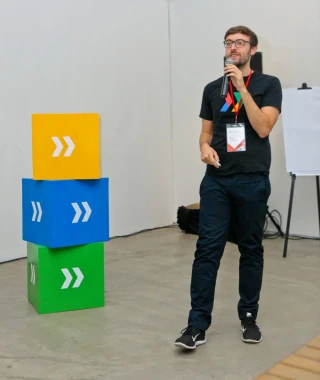
Hi, I'm Giles Thomas.
Founder of AcquireConvert, the place where ecommerce entrepreneurs & marketers go to learn growth. I'm also the founder of Shopify agency Whole Design Studios.