Advertising Photographers for Products (2026 Guide)

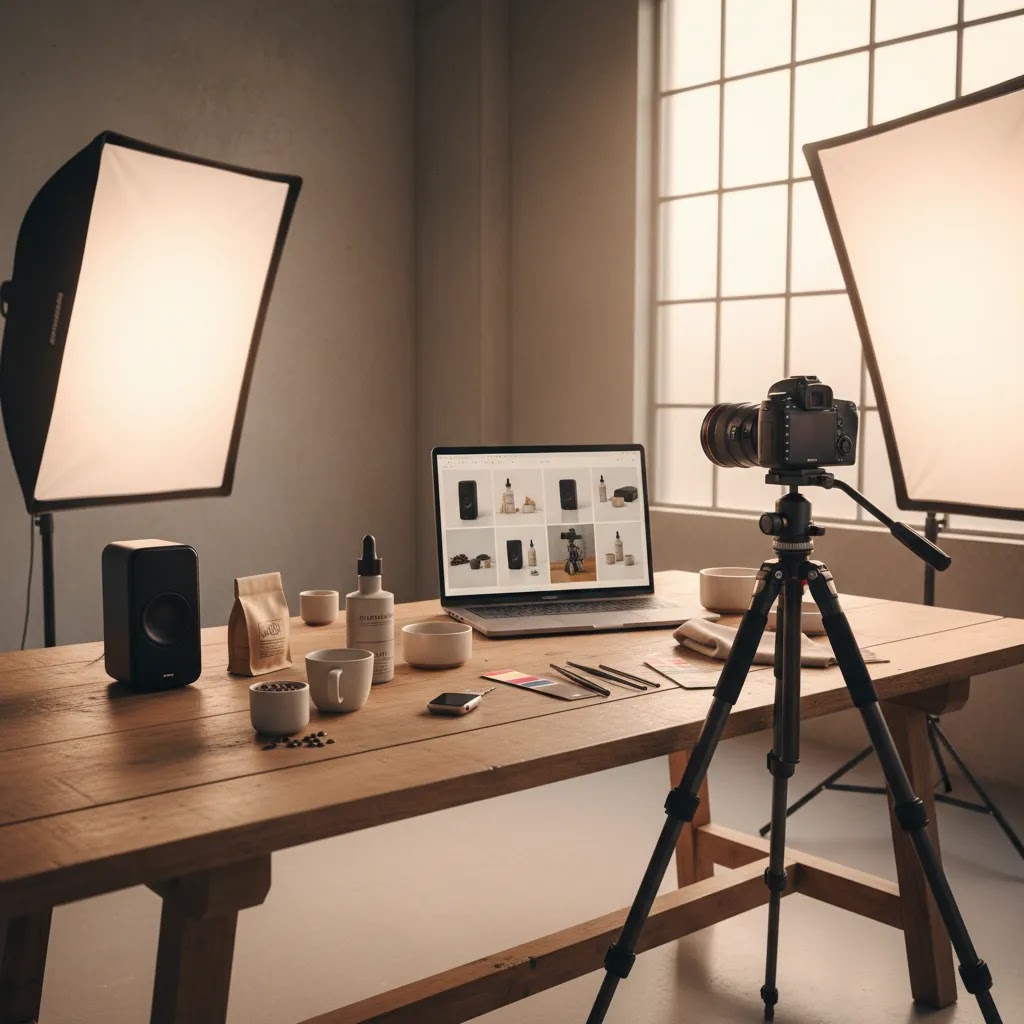
If you sell online, the right images do more than make your products look polished. They help shape click-through rates, trust, perceived value, and how consistently your brand shows up across Shopify product pages, paid ads, marketplaces, and social campaigns. That is why hiring advertising photographers is a different decision from hiring someone to simply document a product on a plain background. You need a photographer who understands conversion goals, creative direction, and the demands of ecommerce production. If you are still mapping out your options, it also helps to review broader service choices like product photography austin providers to see how local and specialist offers differ. This guide will help you evaluate photographers, write a stronger brief, and avoid expensive mismatches.
Contents
- What advertising photographers actually do
- 10 famous advertising photographers (and what ecommerce brands can learn from them)
- Commercial photography vs advertising photography
- What to look for before you hire
- Advertising photographer vs retoucher vs studio, who does what in a real ecommerce production
- How to brief a photographer for ecommerce use
- Pros and Cons
- What advertising photographers cost (and what actually drives the price)
- Who this hiring approach is best for
- AcquireConvert recommendation
- How to choose the right photographer
- Frequently Asked Questions
- Key Takeaways
What advertising photographers actually do
Advertising photographers create images designed to persuade, not just describe. For ecommerce brands, that usually means campaign visuals, hero images, lifestyle scenes, paid social assets, homepage banners, and launch creative that gives a product a stronger narrative.
A standard catalog shoot may focus on accuracy, consistency, and clean documentation. Advertising product photography is more strategic. The goal is often to position the item in a use case, trigger an emotional response, or communicate a premium brand feel that supports higher conversion intent.
This matters because most stores need both asset types. You may need clean SKU-level images for product detail pages and marketplace compliance, plus more expressive campaign visuals for ads, email, and landing pages. If you are comparing setup styles, reviewing a dedicated photo studio option can help you understand what controlled production offers versus a more location-based creative shoot.
For Shopify merchants, the practical question is not “Do I need better photos?” It is “Which images will help me sell in each part of the funnel?” Advertising photographers are usually strongest when your store has already validated demand and now needs stronger brand presentation, more compelling ad creative, or a more consistent visual identity across channels.
10 famous advertising photographers (and what ecommerce brands can learn from them)
If you are hiring advertising photographers, it helps to have a few reference points. Not because you want to copy anyone, but because style is often the biggest hidden variable in whether a shoot works for your Shopify store and ad creative.
Here are ten well-known advertising photographers you will see referenced often, plus the practical lesson to borrow for ecommerce.
- Tim Tadder: punchy, high-impact commercial portraits and dynamic concepts, a reminder that bold, clean lighting can make even simple products feel bigger.
- Annie Leibovitz: cinematic, story-driven celebrity work, a reminder that narrative and environment can do a lot of the persuasion that copy cannot.
- David LaChapelle: surreal, colorful, high-concept scenes, a reminder that exaggerated color and set design can create instant scroll-stopping differentiation.
- Nick Knight: fashion-forward, experimental visuals, a reminder that creative restraint on product pages can still coexist with more experimental campaign assets.
- Steven Klein: dramatic, cinematic, often edgy styling, a reminder that mood can be a brand asset if your category supports it.
- Mario Testino: polished, aspirational fashion and beauty, a reminder that simple compositions and confident styling often read as premium.
- Peter Lindbergh: timeless, minimal portrait style, a reminder that less retouching and more honest texture can build trust when your brand leans authentic.
- Irving Penn: clean, graphic, studio precision, a reminder that controlled studio work can be visually iconic if your shapes, shadows, and spacing are deliberate.
- Richard Avedon: strong portrait direction and crisp presentation, a reminder that “energy” is often a direction problem, not a camera problem, especially with models.
- Herb Ritts: sculptural light and classic composition, a reminder that strong light design can create a premium feel even without complex sets.
Now, when it comes to choosing a style for ecommerce, you do not need a full brand campaign to apply these lessons. You can pull one or two elements into your own asset system:
- Lighting mood: bright and high-key for clarity and freshness, or more directional light for drama and texture.
- Humor and surprise: a single unexpected prop, pose, or composition can increase attention in paid social, without changing the product itself.
- Motion cues: splash, fabric movement, hair movement, or hands in-frame can make static products feel alive.
- Product-in-use storytelling: show the moment of use, not just the result, especially when customers need help visualizing how it works.
- Premium minimalism: fewer props, cleaner backgrounds, tighter color palettes, and more negative space can make your Shopify storefront feel more expensive.
What many store owners overlook is how to translate inspiration into a brief that a photographer can actually execute. A helpful structure is:
- Reference boards: 10 to 20 images that reflect lighting, color, framing, and styling, not just “vibes.”
- Composition notes: call out angles, distance, and what must be readable, like packaging text, product texture, or scale cues.
- Prop and background choices: specify what is allowed, what is banned, and what must match your brand palette.
- On-brand guardrails: confirm how far the photographer can push contrast, saturation, grain, and retouching, so the images still match your Shopify PDPs and email templates.
- Shot examples by channel: one reference for Shopify product pages, one for Meta ads, and one for website hero use, because those crops and focal points are different.
Think of it this way: your goal is not to “pick a famous look.” It is to pick a repeatable visual recipe your team can use across SKUs, launches, and ad tests without reinventing the wheel every time.
Commercial photography vs advertising photography
Store owners often ask for someone to explain the difference between commercial photography and advertising. A simple way to think about it is this:
- Commercial photography is a broad category of photography used to support business activity and sell a product or service.
- Advertising photography is a narrower application of commercial photography created specifically to persuade an audience through campaigns, promotions, or branded messaging.
So if you are filling out the blank in the phrase “__________ is an application of commercial photography used to sell a service or product,” the answer is often advertising photography. In fashion contexts, image-making may also communicate trends, identity, or aspiration, which is why editorial-style work can overlap creatively while serving a different business purpose.
For ecommerce, the distinction affects who you hire. A photographer who is excellent at technical packshots may not be the best fit for campaign-oriented product advertising. On the other hand, a highly creative advertising specialist may not be ideal if your main need is high-volume, highly standardized photography products output for hundreds of SKUs.
What to look for before you hire
The best product photographers for advertising work usually show more than visual talent. They show business awareness. Here are the main things to review before signing off on a shoot.
1. A portfolio that matches your channel mix
Do not just ask whether the work looks good. Ask whether it resembles the assets you need. A photographer may be great for billboards or fashion editorials but less experienced in ecommerce landing pages, mobile cropping, PDP image hierarchies, or paid social variations.
2. Experience with physical products like yours
Cosmetics, jewelry, apparel, supplements, homeware, and tech all create different production challenges. Reflective surfaces, small packaging text, texture, color accuracy, and scale all matter. If your brand depends on tactile appeal, ask for examples that show the photographer can handle those details.
3. Ability to plan usage rights and deliverables clearly
Usage terms are a common source of confusion. Clarify whether the fee includes ecommerce use, paid ads, print, social, Amazon listing images, retailer distribution, and international campaigns. Ask how many finals, crops, and aspect ratios are included.
4. Production process and shot efficiency
Professional product photographers should be able to talk through pre-production, prop sourcing, styling, shot lists, retouching, approvals, and timelines. Strong process usually matters as much as artistic quality, especially if you are coordinating launches across Shopify, email, and ads.
5. Whether they can support both plain-background and lifestyle assets
Many brands need a mix. If your photographer only handles one style, you may need to split work across vendors. Reviewing related resources on product photography studio setups and lifestyle product photography can help you decide whether one partner can cover the full asset set or if a specialist mix makes more sense.
Advertising photographer vs retoucher vs studio, who does what in a real ecommerce production
A lot of hiring problems come from unclear expectations. Store owners think they are hiring one person, then discover they are also hiring a workflow, and sometimes a small team.
From a practical standpoint, here is how responsibilities are usually split in ecommerce production. These titles can overlap, but the handoffs matter.
The photographer
The photographer is responsible for capture quality and creative execution. That includes lighting, lens choice, composition, directing models or hands, and making sure the product is presented the way your brief requires. On ecommerce shoots, a good photographer also thinks about how images will crop on mobile, where negative space needs to be for text overlays, and how consistent the set needs to stay across multiple SKUs.
The stylist or prop stylist
Stylists handle how the product and scene are physically arranged. For apparel, that can include wardrobe styling and pinning for fit. For product, it can include steam, lint removal, shaping, prop sourcing, and set dressing. If your brand relies on premium presentation, styling is often where the “expensive” look really comes from.
The producer or project manager
Producers keep the shoot moving and keep the budget from drifting. They handle schedules, call sheets, talent booking, locations, releases, shot lists, and approvals. Smaller Shopify brands often skip a formal producer, but someone still has to do this work. If nobody owns it, it typically becomes a bottleneck.
The retoucher
Retouching is where your images become ecommerce-ready, especially at scale. Typical tasks include dust cleanup, background consistency, straightening labels, color matching across a set, and preparing different crops. Retouchers are also where problems can happen if boundaries are not set, like over-smoothing textures, shifting brand colors, or making packaging look different from reality.
The studio (as a production environment)
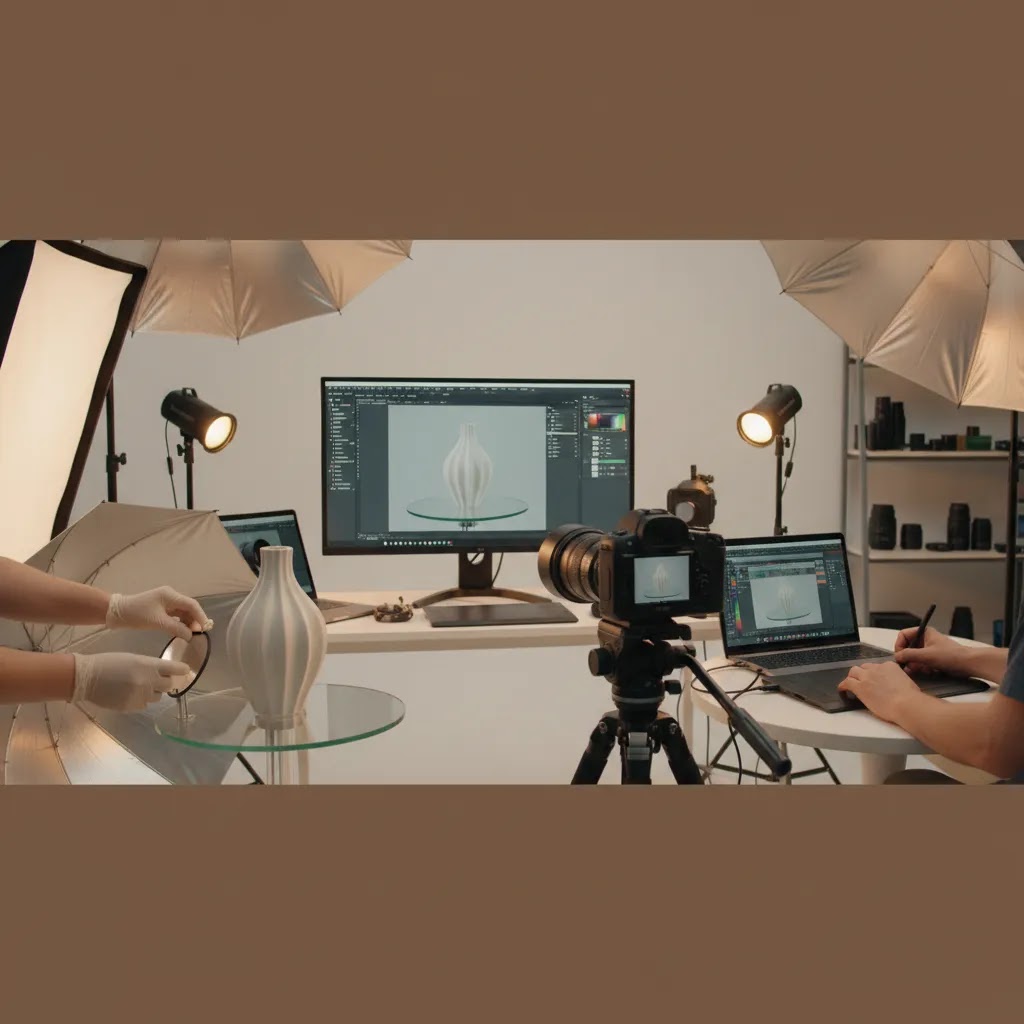
A studio is not a role, but it changes what is possible. A good studio setup helps with consistency across SKUs, repeatable lighting, and controlling reflections. That matters if you are creating a visual system for your Shopify store, not just one hero image.
What should come from the photographer vs post-production
Here is the thing: ecommerce brands often expect editing to fix issues that should have been solved on set. You will usually get better results when capture quality is high and retouching is used for polish and consistency.
- Photographer should own: focus, exposure, product angles, reflections management where possible, clean styling, and lighting that matches the intended mood.
- Post-production typically owns: dust cleanup, minor scuffs, background cleanup, consistent white balance across a series, cropping for formats, and preparing web-ready exports.
- Shared responsibility: color accuracy. A photographer can shoot with proper color management and references, but retouching often finalizes consistency across all images, especially if you have many SKUs shot over multiple days.
Who to hire first, based on your actual problem
If your current images are inconsistent across SKUs, the fastest fix is often a retouching and standardization workflow, not a new shoot. If your images are consistent but bland and not converting in ads, you may need an advertising photographer with stronger concept and art direction. If your images are good but you keep missing launch deadlines, you may need production help and a more reliable studio process.
Think of it as three separate gaps: creative concept, execution quality, and consistency at scale. Your first hire should target the gap that is costing you the most right now.

How to brief a photographer for ecommerce use
A vague brief usually produces expensive revisions. If you want images that work across acquisition and conversion channels, give your photographer specific business context.
- State the sales objective: new product launch, seasonal campaign, paid social testing, marketplace listing improvement, or homepage refresh.
- List the channels: Shopify PDPs, collection pages, Meta ads, Google Shopping landing pages, email headers, Amazon, wholesale decks.
- Define required outputs: white background, transparent cutouts, banner crops, square social assets, vertical story formats, close-ups, texture shots.
- Share your brand rules: colors, lighting references, mood, props, model direction, competitor exclusions, and retouching boundaries.
- Provide conversion context: best sellers, highest-margin items, common customer objections, and whether shoppers need scale, ingredient, or usage clarity.
This is where ecommerce operators often get better results than general brand teams. You already know where customers hesitate. Use that knowledge. If buyers often ask about size, fit, finish, or how a product looks in use, those details should drive the creative brief.
For brands using AI-assisted workflows, some image tasks may be handled after the shoot. Tools like AI Background Generator, Free White Background Generator, and Increase Image Resolution may help expand asset variations or prep ecommerce-ready edits. They can be useful for production support, but they do not replace a strong photographer, art direction, or a clear brief.
Pros and Cons
Strengths
- Advertising photographers can create brand-led images that support paid acquisition, landing pages, email, and product launches, not just SKU documentation.
- They often bring stronger creative direction around composition, mood, props, and narrative, which can help your products feel more premium.
- Good photographers understand how to translate product benefits into visuals, such as scale, texture, use context, and aspiration.
- For growth-stage stores, strong advertising product photography may improve consistency across Shopify, Meta, and retailer channels.
- Experienced professionals usually bring a repeatable production process, which helps reduce reshoots and last-minute launch issues.
Considerations
- Advertising-focused shoots usually cost more than basic catalog sessions because they involve concept development, styling, set building, and retouching.
- A visually impressive portfolio does not always mean the photographer understands ecommerce conversion needs or marketplace requirements.
- Usage rights, revision limits, and deliverables can vary widely, so vague contracts can create budget surprises.
- If you only need plain-background compliance images, a specialized advertising photographer may be more than you need.
What advertising photographers cost (and what actually drives the price)
Most ecommerce brands want a simple answer on cost. The reality is that advertising photography pricing is usually built from a few moving parts, and the details matter more than the headline number.
The main cost drivers to understand before you request a quote
Pricing can vary widely based on scope, not just talent level. These are the variables that typically change the quote the most:
- Usage and licensing scope: where the images will be used, for how long, and in which regions. Ecommerce-only use is often scoped differently than paid ads, print, or broad campaign usage.
- Crew size and complexity: assistants, digital tech, stylist, hair and makeup, set builder, producer, and more. The bigger the concept, the more roles may be involved.
- Styling, props, and set build: sourcing, purchasing, fabrication, and time to assemble and reset between shots.
- Location vs studio: locations can add permits, travel, rentals, and unpredictable light. Studios can be more controlled and efficient for repeatability.
- Models and talent: booking, usage, and releases. Even “hands only” talent can change scope if you need multiple looks or skin tone matching across campaigns.
- Retouching time: product cleanup, packaging perfection, skin retouching, compositing, and how strict your brand standards are.
- Number of SKUs and shot count: a quote for five hero images is different from a shot list that includes ten angles across twenty SKUs plus variations for ads.
- Timeline and rush work: tight launch dates can increase costs because they compress pre-production, shooting days, and post-production.
How to request quotes that are actually comparable
If you send different photographers different briefs, you will get numbers that cannot be compared. The way this works in practice is to send the same scope to everyone so you are comparing like-for-like:
- Use the same shot list: define how many products, how many setups, and how many finals per setup.
- Define usage in plain language: Shopify, paid social, Google Ads landing pages, email, marketplaces, and whether you need international rights.
- List required formats: file types, resolution, and the crops you need for PDP, social, and banners.
- Set revision and feedback rounds: specify how many rounds are included and what counts as a change versus a new request.
- Clarify who supplies what: props, products, steaming, prepping, and whether you are shipping inventory to the studio.
Once you do this, a “higher” quote often becomes easier to understand. It may include things you would otherwise have to add later, like extra crops, more retouching time, or clearer usage rights.
Budget reality checks for Shopify brands
For most Shopify store owners, not every image deserves the same production level. Consider this approach:
- Spend more on hero assets: your homepage hero, collection hero, best-seller PDP first image, and your core ad creative often deserve the most attention because they influence click and first impressions.
- Keep the rest efficient: secondary PDP angles, color variants, and long-tail SKUs often do well with a clean studio system and consistent editing, not a new concept every time.
- Build a repeatable template: one or two lighting setups, a defined retouching look, and a consistent prop kit can reduce costs over time because your team is not re-deciding everything for every drop.
If you are combining photography with AI-assisted edits for variations, keep human review in the loop. AI tools can be helpful for background changes and resizing, but ecommerce brands still need accurate colors, believable shadows, and product truthfulness, especially when refunds and chargebacks are on the line.
Who this hiring approach is best for
Hiring advertising photographers makes the most sense if your store is already selling and you now need stronger creative to support growth. That includes Shopify brands refreshing their homepage visuals, launching new collections, running paid social campaigns, or improving creative consistency across channels.
It is also a good fit for brands with higher AOV products, visually differentiated products, or categories where presentation strongly affects perceived value. Apparel, beauty, home decor, food, and premium accessories often fall into this group.
If you are still validating your first few SKUs, local product photographers or a simpler studio setup may be enough. But once your brand needs images that persuade, not just document, an advertising specialist becomes much more relevant.
AcquireConvert recommendation
At AcquireConvert, the practical advice is to choose photographers based on channel fit, not just aesthetics. Giles Thomas approaches ecommerce content from the perspective of a Shopify Partner and Google Expert, which matters because product imagery affects both conversion and acquisition. The images that look strongest in a portfolio are not always the ones that perform best on a product page or paid landing page.
If you are comparing service models, start with the broader Product Photography Services category to map your options. Then review more specific pathways like product photography austin if you want a local provider, or look at controlled production environments through the photo studio route if consistency matters more than campaign styling.
The smartest next step is usually to build a short list of photographers, request three relevant examples, and send the same brief to each one. That makes price, process, and creative differences much easier to compare fairly.
How to choose the right photographer
Here is a practical framework you can use before hiring.
1. Match the photographer to the business objective
If your goal is marketplace compliance, you need precision and repeatability. If your goal is product advertising, you need someone who can build visual persuasion. Many brands confuse these two needs and overpay for the wrong type of shoot.
2. Ask for ecommerce-specific examples
Request examples used on product pages, collection pages, email banners, and ads. Ask what was delivered, how many selects the client received, and whether the work included multiple crops or aspect ratios. This quickly shows whether the photographer understands online selling, not just image-making.
3. Evaluate production reliability
Ask who handles styling, props, shot lists, retouching, pickups, and approvals. If you have seasonal drops or ad launch deadlines, reliability is critical. Many store owners underestimate how much project management affects the final result.
4. Clarify rights and revision terms
Always confirm usage scope. This matters if the same assets will appear in Meta ads, retailer sell-in decks, Amazon listings, OOH placements, or international campaigns. Also ask how many rounds of feedback are included and how reshoots are priced.
5. Balance local access with specialization
Searches like “product photographers near me,” “local product photographers,” or “product photographers los angeles” are useful if you want in-person collaboration or quick logistics. But local convenience should not outweigh fit. A remote specialist with better ecommerce process may still be the stronger choice, especially if products can be shipped safely.
6. Decide where AI editing fits
Some brands can reduce production costs by combining a professional shoot with AI-assisted post-production for simple variations, background changes, or cleanup work. Tools such as Remove Text From Images or Background Swap Editor may help in limited cases. Use them to extend useful assets, not to cover for weak originals.
Frequently Asked Questions
What is the difference between product photographers and advertising photographers?
Product photographers often focus on clear, accurate representation for ecommerce listings, catalogs, or marketplaces. Advertising photographers usually create more persuasive, campaign-style imagery with stronger mood, composition, and storytelling. Many professionals can do both, but you should confirm which type of work they do best before hiring.
Do ecommerce brands need both commercial and advertising photography?
In many cases, yes. Most stores benefit from plain-background images for PDPs and marketplace compliance, plus stronger brand or lifestyle visuals for homepages, ads, and email. The right mix depends on your SKU count, traffic channels, and how much visual persuasion influences purchase decisions in your category.
How do I know if a photographer understands Shopify ecommerce needs?
Ask whether they have produced assets for product pages, collection pages, homepage banners, mobile crops, and paid social formats. A photographer who understands ecommerce should ask about aspect ratios, image sequencing, file size considerations, and how customers use visuals to evaluate size, texture, or product benefits.
Should I hire local product photographers or ship products to a specialist?
Local can be helpful if you want to attend the shoot, move quickly, or collaborate closely on set. Shipping to a specialist can still be the better choice if they have stronger category experience, better studio systems, or a clearer ecommerce production process. Fit usually matters more than geography.
What should be included in a photography brief?
A good brief should cover the objective, target audience, channels, required outputs, product priorities, brand references, technical requirements, styling direction, and usage rights. It should also note any conversion concerns, such as the need to show scale, ingredients, texture, or product-in-use context for online shoppers.
Are lifestyle photos better than white-background photos for sales?
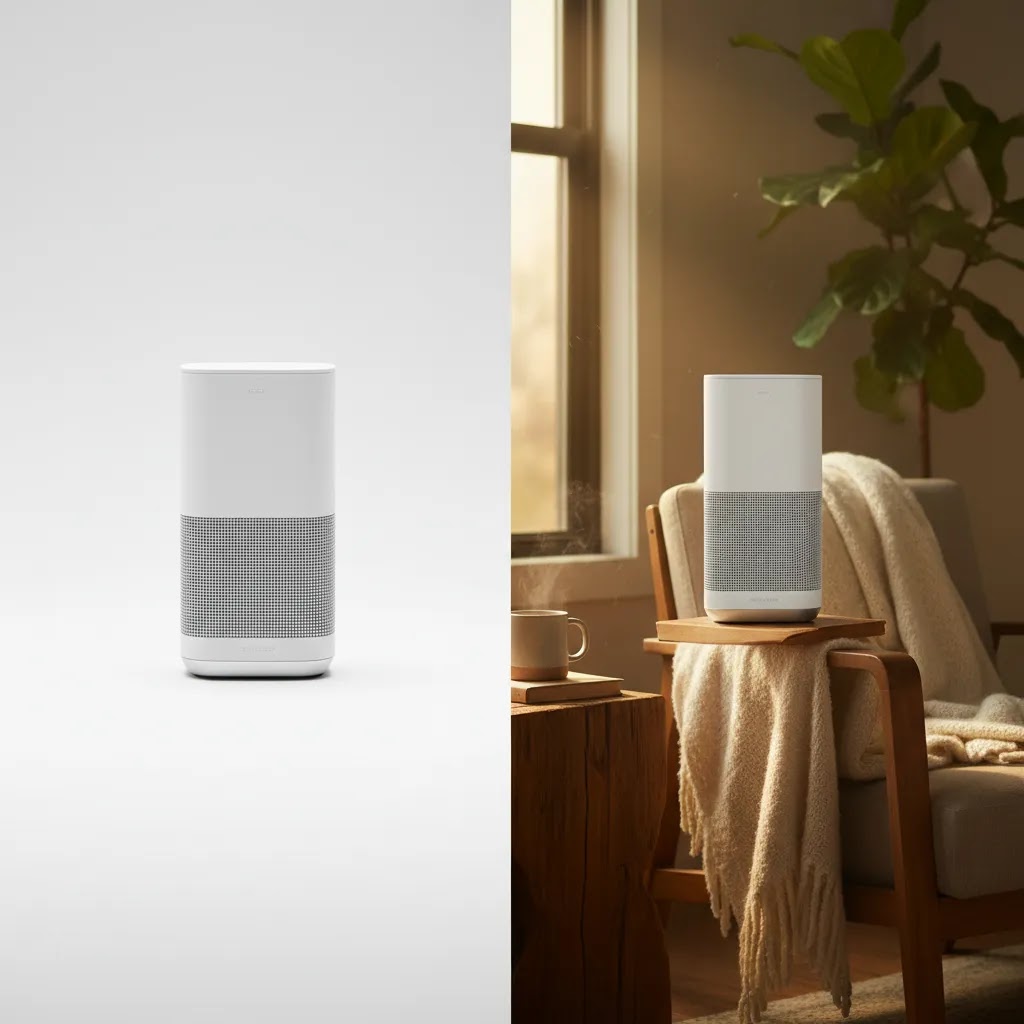
Not always. White-background images are often essential for clarity, consistency, and marketplace use. Lifestyle images can help communicate use context and brand identity. Most ecommerce brands need both. The better question is which image type belongs at each stage of the customer journey and on each channel.
Can AI tools replace professional product photographers?
Usually not for serious brand-building work. AI tools may help with post-production tasks, alternate backgrounds, cleanup, or simple creative variations. They are most useful when built on top of strong original photography. For launches, hero assets, or premium brand campaigns, professional photography still does the heavy lifting.
How many final images should I ask for?
That depends on the number of products, channels, and campaign goals. Instead of asking only for a total number, specify the asset types you need, such as hero shots, detail crops, model usage, social squares, and banner formats. That gives you a more useful quote and a more realistic production plan.
What if I sell on Amazon as well as Shopify?
Then your brief should account for both. Amazon often needs stricter compliance for main images, while Shopify gives you more flexibility for creative merchandising. If you also use Amazon product advertising API workflows or ad creatives tied to marketplace activity, clarify that in advance so assets are prepared for both environments.
Who are some famous advertising photographers?
Well-known names you will often see referenced include Tim Tadder, Annie Leibovitz, David LaChapelle, Nick Knight, Steven Klein, Mario Testino, Peter Lindbergh, Irving Penn, Richard Avedon, and Herb Ritts. For ecommerce brands, the goal is not to copy their work, it is to understand style options, then borrow specific elements like lighting mood, composition, and storytelling to fit your products and channels.
How much do advertising photographers make (or charge)?
It varies widely based on usage rights, deliverables, creative complexity, and production scale. A small Shopify shoot with a tight shot list and ecommerce-only usage is usually priced very differently from a campaign with talent, set builds, extensive retouching, and broad licensing. If you want comparable quotes, send each photographer the same shot list, usage scope, formats, and revision expectations.
What makes a good advertising photographer?
A good advertising photographer can translate a business objective into visuals that persuade. For ecommerce, that usually means reliable production, consistent styling, a clear process for deliverables and usage rights, and an understanding of how assets crop and perform across Shopify pages, paid social, and landing pages. Portfolio quality matters, but process and channel fit usually decide whether the shoot is a success.
What is surrealist photography (and how is it used in advertising)?
Surrealist photography uses unrealistic or exaggerated scenes to create a strong emotional or conceptual hook. In advertising, it is often used to stop the scroll and make an idea instantly memorable, like impossible product scenarios, unexpected scale, or highly stylized color. For Shopify brands, surreal concepts can work well for top-of-funnel ads, but you typically still need clear, accurate product images on PDPs so shoppers can evaluate what they are actually buying.
Key Takeaways
- Advertising photographers are best for persuasive, campaign-oriented product imagery, not just technical documentation.
- Choose based on channel fit, deliverables, and ecommerce process, not portfolio style alone.
- Most online stores need a mix of clean catalog assets and stronger advertising lifestyle product photography.
- A detailed brief reduces revision costs and helps photographers create assets that fit Shopify, ads, email, and marketplace use.
- AI editing tools may support post-production, but they work best when paired with strong original photography.
Conclusion
Finding the right advertising photographer for products is really about matching creative skill to business use. The strongest choice is not always the most artistic portfolio or the nearest local option. It is the photographer who understands your product, your channels, your deliverables, and the buying behavior behind the images. For ecommerce brands, that means thinking beyond a one-off shoot and building a repeatable visual system that supports both acquisition and conversion. If you want more practical guidance, explore AcquireConvert’s product photography service content and category resources. Giles Thomas’s Shopify and Google expertise helps keep the advice grounded in how online stores actually sell, not just how images look on a mood board.
This article is editorial content for educational purposes and is not a paid endorsement unless explicitly stated otherwise. Pricing, service terms, deliverables, and usage rights vary by provider and are subject to change. Always confirm current details directly with the photographer or platform before purchasing. Any performance outcomes discussed are not guaranteed and depend on your product, market, creative execution, and traffic sources.
Hi, I'm Giles Thomas.
Founder of AcquireConvert, the place where ecommerce entrepreneurs & marketers go to learn growth. I'm also the founder of Shopify agency Whole Design Studios.