Hiring Freelance Photographers (2026 Guide)

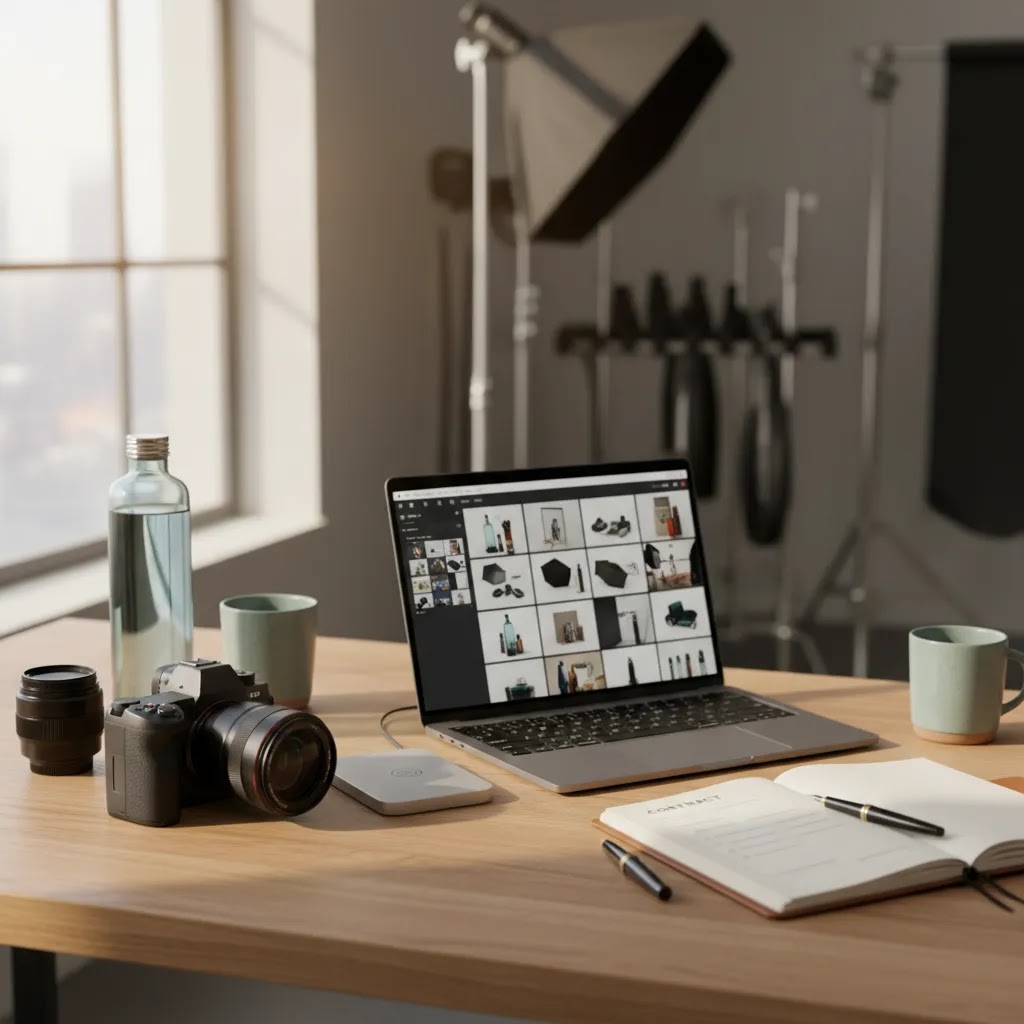
If you run an ecommerce brand, product photos are not just a creative asset. They affect click-through rate, on-page trust, return rates, and how confidently shoppers move from product page to checkout. Hiring freelance photographers can be a smart move when you need better images without committing to a full-time hire or large studio retainer. The challenge is finding someone who understands product detail, conversion-focused image requirements, and the realities of selling online. If you are weighing freelance help against a local studio or a more structured service option, it helps to compare that decision with broader product photography austin market options first. This guide walks you through what freelance product photographers do well, where they can fall short, what they typically charge, and how to hire with fewer expensive mistakes.
Contents
- What hiring freelance photographers means for ecommerce
- Key features to look for in a freelance product photographer
- What to include in your freelancer contract (rights, licensing, and production terms)
- Pros and Cons
- How to find and vet freelance photographers (beyond Instagram)
- Who freelance photographers are best for
- AcquireConvert recommendation
- How to choose the right freelance photographer
- Freelance photographer pricing benchmarks (hourly, day rate, per image)
- Frequently Asked Questions
- Key Takeaways
- Conclusion
What hiring freelance photographers means for ecommerce
Freelance photographers sit between the DIY route and a full-service commercial studio. For many Shopify merchants, that middle ground makes sense. You get specialized visual work without paying for a full agency process, and you can usually hire per shoot, per product line, or per campaign.
The right freelancer can handle clean white-background images, lifestyle setups, close-up detail shots, and marketplace-ready assets. The wrong one may deliver attractive images that still miss ecommerce essentials such as consistent framing, true-to-product color, variant coverage, or file formatting for your storefront and ad channels.
This matters because product photography is not judged only by how artistic it looks. It has to support merchandising. A strong freelancer understands that your image set may need to work across Shopify product pages, collection pages, paid social ads, email campaigns, Google Shopping assets, and marketplaces.
If you are comparing regional options, local availability may shape cost and turnaround. For example, brands evaluating product photography los angeles providers may find a deeper creative talent pool, while those exploring product photography houston options may prioritize logistics, shipping costs, or studio access differently.
Key features to look for in a freelance product photographer
Not every freelance photography portfolio translates into better ecommerce performance. Before you hire, look past the homepage gallery and assess whether the photographer can support how online stores actually sell.
- Consistent product presentation: Your catalog should feel unified. Ask whether they can match angles, crop ratios, lighting style, and file specs across multiple SKUs and future shoots.
- Experience with ecommerce image sets: You want more than one hero shot. A useful deliverable often includes front, side, detail, scale, packaging, and lifestyle images.
- Retouching and background editing: Many freelancers shoot well but outsource editing. Clarify whether cleanup, shadow work, clipping paths, and export formatting are included.
- Understanding of platform requirements: Shopify merchants need image assets optimized for speed, zoom clarity, and mobile-first browsing. Marketplace sellers may need white background compliance too.
- Process reliability: Ask about briefing, shot lists, sample approval, revision rounds, product handling, insurance, and turnaround times. Reliability matters as much as style.
For some brands, a freelancer is enough. For others, a structured product photography studio setup may be better if you need recurring shoots, larger-volume consistency, or multi-person production support.
If your needs include post-production help, image cleanup, or shoot prep, it is also worth reviewing AcquireConvert resources on product photography services and broader catalog photography workflows. Those categories are useful if you are trying to decide whether to hire one freelancer, several specialists, or a more packaged service.
What to include in your freelancer contract (rights, licensing, and production terms)
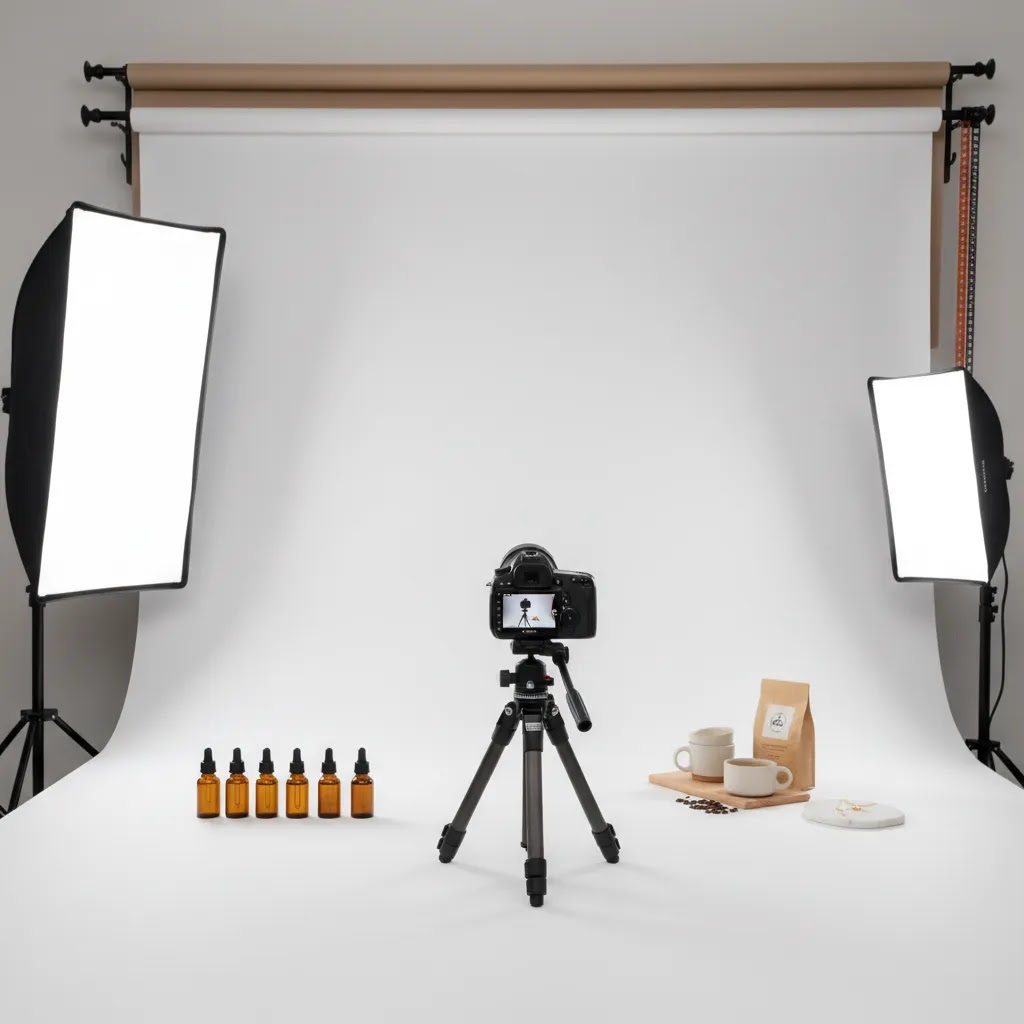
Most hiring mistakes happen because the scope is vague, not because the photographer is “bad.” From a practical standpoint, ecommerce brands need contracts that cover how images will be used, what happens if something goes wrong, and exactly what gets delivered at the end.
If your product photos will show up on your Shopify product pages, in paid social, in Google Ads, in email, and on marketplaces, rights and licensing are not a detail. They can become a real business risk if you assume you have unlimited usage and find out later you do not.
Rights and licensing: make sure your usage matches your marketing reality
Here’s the thing: some photographers price the shoot separately from the license to use the images commercially. That is normal in many markets. What matters is that you clarify it up front.
At minimum, clarify:
- Commercial usage rights for ecommerce, including your Shopify store, email, and organic social
- Paid ads usage rights, since some contracts treat advertising as a separate usage category
- Duration and territory, which may be limited (for example, a 12-month license or specific regions)
- Exclusivity, if you care whether the photographer can reuse similar compositions or concepts for competitors
- Whether RAW or source files are included, since many photographers do not provide them unless negotiated
If you are a growing brand, you typically want broad, ongoing commercial usage across channels. If the photographer proposes a limited license, that can still work, but you need to account for the renewal cost and make sure it aligns with how long you plan to run ads and keep products live.
Production terms that prevent expensive surprises
Photography is a production process. Products get shipped, handled, and sometimes damaged. Timelines shift. People get sick. A basic set of terms can save you from unclear “he said, she said” situations.
Consider this for your agreement:
- Payment schedule and deposit terms, including when the final balance is due and whether finals are released after payment
- Reshoot and revision terms, including what counts as a reshoot versus a revision, and what is included in the quoted rounds
- Kill fees or cancellation terms, especially if you cancel after prep work or the shoot day is booked
- Product loss or damage policy, including how responsibility is handled for high-value inventory
- Insurance confirmation, which matters more if you are shipping expensive products or doing on-location work
- Shipping and returns responsibility, including who pays inbound shipping, return shipping, and how quickly products are sent back
The reality is that clear operational terms protect both sides. They also help you compare photographers more fairly because you are not just comparing a number, you are comparing a scope.
Deliverable specs that matter for ecommerce
Many store owners overlook this part: if you do not define file and export specs, you may end up with images that look good but are a pain to implement across your storefront and ad creative.
Make sure the contract or scope of work specifies:
- Naming conventions tied to SKU and variant, so your team can upload and manage files without guesswork
- Aspect ratios and crops, especially if you want consistent collection page thumbnails and PDP galleries
- Color profile expectations, since you want consistent color behavior across devices and platforms
- Final export formats and delivery method, such as high-resolution files for ads plus web-ready versions for Shopify
- Background requirements, including pure white for marketplaces if you sell there
If you want consistent results across your catalog, deliverable specs are not overkill. They are how you turn “nice photos” into repeatable ecommerce assets.
Pros and Cons
Strengths
- Freelance photographers can be more flexible than larger studios, especially for small batches, seasonal launches, or one-off product tests.
- You can often choose a specialist based on your niche, such as beauty, apparel, food, home goods, or technical product detail.
- Costs may be easier to control because many freelancers price by shoot, day rate, image count, or deliverable bundle.
- Communication is often more direct. You are usually working with the shooter rather than an account manager, which can speed up feedback.
- Local freelance product photographers can reduce shipping complexity and make in-person art direction easier.
- Freelancers may be a strong fit for founder-led brands that need collaborative creative input without a long procurement process.
Considerations
- Quality can vary widely. A polished Instagram portfolio does not always mean strong ecommerce execution or repeatable catalog consistency.
- One person may not cover styling, retouching, set design, and production management equally well, which can create gaps.
- Turnaround and capacity can become an issue during peak periods if your freelancer is juggling multiple clients.
- Revision terms are not always standardized, so unclear agreements can lead to scope creep or unexpected costs.
- Some freelancers are strong creatively but less experienced with Shopify image requirements, marketplace specs, or conversion-focused product page needs.
How to find and vet freelance photographers (beyond Instagram)
Instagram is useful for discovery, but it is a weak hiring filter. It rewards highlight reels, not consistent deliverables. For most Shopify store owners, the goal is not to find the “most aesthetic” photographer. It is to find someone who can produce repeatable product image sets you can scale.
Where to find candidates that are more likely to be ecommerce-ready
Think of it this way: you want photographers who already work with products and brands, not only portraits or weddings. A few practical sourcing angles that often work better than scrolling social feeds:
- Referrals from other ecommerce founders in your niche, since they can tell you whether the process was smooth, not just whether the images looked good
- Local creative networks, studios, and assistants, because many strong product photographers freelance through studio ecosystems
- Portfolio platforms and directories where photographers tend to show full projects rather than single posts
- Shopify community circles and partner networks, where you may find photographers who already understand store workflows and launch deadlines
Local is not required, but local can reduce shipping risk and make it easier to do a quick sample review or in-person art direction if your products are fragile or high-value.
A simple shortlist method that saves time
When you are reviewing portfolios, do not judge based on one hero image. Look for consistency across a set. Specifically, check:
- Whether multiple products were shot with consistent angles and crops
- Whether color is believable across different items, not only one perfectly lit sample
- Whether the portfolio includes ecommerce-style sets, not just styled lifestyle hero shots
- Whether there are examples similar to your product type, such as reflective packaging, fabric, food texture, or small detail-heavy items
If you cannot find a multi-image set in the portfolio, ask for one. Ecommerce is about sets, not singles.
A vetting workflow that works for ecommerce
The way this works in practice is you want to validate the process, not just the final image. Before committing to a full catalog shoot, request proof that they can execute an ecommerce workflow end-to-end.
- Ask for a relevant mini-set, such as 1 product with a hero image, 2 angle shots, and 1 detail shot, priced as a paid test
- Ask to see a full product set example from a past job, not only the best single image from a campaign
- Confirm who does retouching and exports, and whether that person is the photographer or a separate editor
- Ask how they handle shot lists and approvals, including whether you get proofs before finals
A photographer who is comfortable with ecommerce usually has a clear answer for each of those points.
Red flags to take seriously
Some warning signs show up again and again:
- An “Instagram-only” portfolio with no full sets, no file delivery details, and no mention of process
- Inconsistent catalog examples, where every image looks like a different brand style with no repeatable approach
- Unclear editing ownership, where the photographer cannot explain what is included versus what is outsourced
- Vague answers about revisions, turnaround, or product handling, which often signals scope problems later
If you are planning to use images across Shopify, ads, and email, you need more than creativity. You need operational clarity.

Who freelance photographers are best for
Freelance photographers are often the best fit for small to mid-sized ecommerce brands that need a clear quality step up from DIY images but are not ready for a larger agency or studio engagement. If you are launching a new collection, testing paid traffic with fresh creatives, refreshing underperforming product pages, or building a more credible Shopify storefront, freelance product photography can be a practical choice.
This route is especially useful if you already know your shot list and brand style. It is less ideal if you need heavy creative direction, prop sourcing, casting, location management, or high-volume production across hundreds of SKUs on a tight deadline.
AcquireConvert recommendation
Our view is simple: hire a freelance photographer only after you define the business job the images need to do. That means knowing whether the shoot is for conversion-focused PDP images, marketplace compliance, paid ad creative, or brand storytelling. Giles Thomas, the expert behind AcquireConvert, brings the perspective of a Shopify Partner and Google Expert, so the advice here is grounded in how visuals actually support store performance rather than just aesthetics.
If you are still comparing options, use AcquireConvert as a specialist resource to weigh freelance hires against studio services, local providers, and AI-assisted image workflows. Read through related regional guides, compare service models side by side, and use the category resources above to narrow your brief before contacting photographers. That prep usually leads to better proposals, cleaner scopes, and fewer costly revisions.
How to choose the right freelance photographer
Here are the five criteria that matter most when you are evaluating freelance photographers for products.
1. Match their portfolio to your product type
A beautiful beverage portfolio does not automatically translate to jewelry, supplements, or apparel. Look for products similar in size, reflectivity, texture, and merchandising complexity to your own. If you sell products with important material details, ask for close-up samples that show texture and color accuracy.
2. Ask how they structure deliverables
Do not ask only for a quote. Ask what is included. You want to know the number of final images, aspect ratios, background options, editing scope, revision rounds, and whether source files are available. Ecommerce brands often need image sets that work across multiple placements, not a single hero image.
3. Clarify pricing before products are shipped
How much do freelance photographers charge? It varies widely by market, experience, setup complexity, styling needs, and post-production depth. Some charge hourly or day rates. Others charge per image or per SKU. Lifestyle shoots usually cost more than white-background catalog work. Freight, props, rush delivery, hand model fees, and advanced retouching may all be separate. Get the pricing model in writing before anything is sent.
Freelance photographer pricing benchmarks (hourly, day rate, per image)
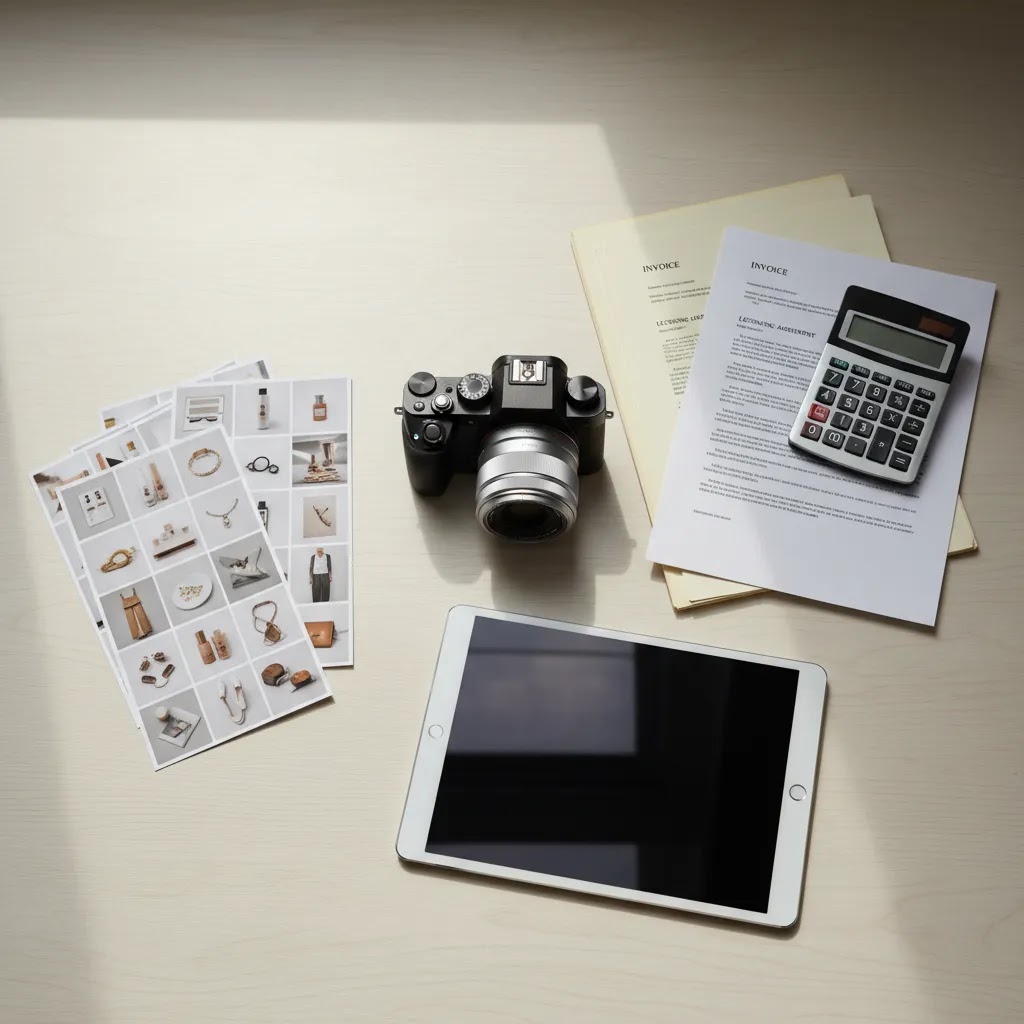
If you have never hired product photographers before, pricing can feel all over the place. That is because it is. A quote depends on what you are actually buying: time, images, usage rights, styling, and post-production. Still, it helps to have benchmarks so you can sanity-check proposals before you ship inventory.
The ranges below are not “correct” for every market. They are common ballparks you may see in the US for freelance product photography, before add-ons like models, advanced retouching, and rush timelines.
Common rate structures you will run into
Freelancers typically price in one of these ways:
- Hourly rate, often used for small shoots, consulting, or on-location work with variable scope
- Day rate or half-day rate, common for studio time where setup and shoot flow matters more than image count
- Per image pricing, where you pay per final delivered file, usually retouched
- Per SKU or bundle pricing, where you pay for a defined set per product, such as “6 images per SKU”
From a practical standpoint, per-SKU bundles are often the easiest for ecommerce because they map to how you merchandise products on Shopify. They also reduce the risk of paying “per image” and accidentally incentivizing fewer useful angles.
Typical benchmark ranges (use as a reality check)
Here are ranges you may see quoted:
- Hourly: commonly around $75 to $250+ per hour depending on market and specialization
- Day rate: commonly around $600 to $2,500+ per day, sometimes higher for experienced commercial shooters with a full kit and crew
- Per image (simple catalog work): commonly around $25 to $150+ per final image, depending on retouching depth and volume
- Per SKU bundles: commonly around $150 to $800+ per SKU for a defined set, depending on how many angles, how much styling, and whether lifestyle is included
What pushes pricing up is rarely “the camera.” It is usually production complexity: styling, props, models or hands, advanced lighting, location costs, heavy retouching, or a fast turnaround window.
What typically makes a quote higher or lower
Pricing moves up or down based on factors like:
- Styling complexity and prop sourcing, especially for lifestyle sets
- Models or hands, plus coordination and usage terms
- Advanced retouching, such as skin work, label cleanup, compositing, or color matching across variants
- Product difficulty, including reflective packaging, glass, jewelry, glossy surfaces, or liquids
- Consistency requirements across many SKUs, where the setup has to be repeatable and tightly controlled
- Rush timelines and weekend work, which may trigger premium rates
- Usage rights scope, especially if you want broad paid ads usage or long-term licensing
Lower quotes tend to show up when the scope is genuinely simple: white background, minimal styling, fewer angles, lighter retouching, and flexible deadlines.
How to compare quotes apples-to-apples
Two quotes can look similar and still be totally different deals. When you compare proposals, make sure you are comparing:
- Number of final images and what counts as a “final”
- Retouching level included, and whether background removal, shadows, and color correction are included
- Revisions included, and what happens after you use them
- Usage rights, including whether paid ads and marketplaces are covered
- File specs, including formats, crops, and whether web-ready exports are included for Shopify uploads
- Shipping and returns, including who pays and who is responsible for coordinating returns
If a quote is cheaper because it excludes editing or limits licensing, it may still be a good deal. You just want to know that before you commit.
Two quick ecommerce scope examples (to help you budget)
Most Shopify stores fall into one of these early scopes:
- Simple SKU set: one product on white background, with 5 to 8 images that cover the hero, key angles, and 1 to 2 detail shots, with consistent crop and light retouching
- Lifestyle set: one product with 3 to 6 styled scenes plus supporting close-ups, which often includes props, a surface or set build, more complex lighting, and deeper retouching
The simple SKU set is usually the best starting point for stores fixing conversion basics on product pages. Lifestyle sets can be powerful for ads and brand storytelling, but they are also where budgets can expand quickly if the scope is not controlled.
4. Test with a small paid project first
A pilot shoot is usually the safest first step. Start with 1 to 3 products and a simple brief. This helps you assess communication, product handling, consistency, and how well they follow your merchandising priorities. If the first batch goes well, you can expand with more confidence.
5. Evaluate operational fit, not just creative fit
The best product photographers are not always the most artistic. They are the ones who can work within your production rhythm. Can they receive inventory cleanly, hit launch dates, document shot progress, and maintain consistency over time? If your store adds products every month, repeatability matters more than a single standout shoot.
Practical hiring checklist:
- Request 3 to 5 relevant ecommerce samples
- Share a written shot list and brand references
- Confirm pricing model and revision policy
- Ask who handles retouching and file exports
- Set deadlines for proofs and finals
- Document product return and damage terms
Frequently Asked Questions
How much do freelance photographers charge for product photography?
Rates vary by experience, city, shoot complexity, and deliverables. Some freelance photographers charge hourly or by day, while others charge per final image or per product. Simple white-background work may cost less than styled lifestyle photography. Always ask what is included, because editing, props, models, and rush delivery may be billed separately.
Are freelance photographers better than a studio for ecommerce brands?
Not always. Freelancers can be more flexible and cost-effective for small to mid-sized shoots. A studio may be the better fit for large catalogs, recurring production, or campaigns that need multiple specialists. The right choice depends on your SKU count, desired style, timeline, and how much project management you want to handle internally.
Should I hire local product photographers near me?
Hiring local product photographers can make logistics easier, especially if you want to review samples in person or avoid shipping inventory. It can also help when products are fragile, high-value, or need live art direction. That said, the best fit may be outside your city if portfolio quality and ecommerce experience are stronger.
What should I include in a product photography brief?
Your brief should cover product details, target customer, shot list, intended use, brand references, image dimensions, background preferences, deadlines, and revision expectations. If you sell on Shopify, include whether the images are for product pages, collection pages, email, or paid ads. The clearer your brief, the more accurate the quote and final output will usually be.
How do I know if a photographer understands ecommerce?
Ask how they plan image sets for product pages, what they do to keep angles consistent, and how they approach color accuracy and file exports. A photographer with ecommerce experience will talk about merchandising needs, not just creative style. They should understand why shoppers need clear visual proof before buying.
Can freelance photographers handle editing and background removal too?
Many can, but not all of them do it in-house. Some photographers shoot and then outsource retouching. That is not necessarily a problem, but you should ask upfront. Clarify whether background cleanup, color correction, shadow work, resizing, and export formatting are included in the quoted scope.
Is freelance product photography worth it for a small Shopify store?
It can be, especially if your current images are holding back trust or making products look inconsistent. Better photography may improve how professional your storefront feels and could help shoppers evaluate products more confidently. For smaller stores, the best path is often a limited test shoot on a few priority products before scaling up.
What rights should I get to the final product photos?
You should confirm usage rights in writing. Most ecommerce brands want broad rights to use images on their website, email, ads, social channels, and marketplaces. Some photographers may limit certain commercial uses or charge extra for full ownership. Do not assume rights are unlimited just because you paid for the shoot.
How many photos do I need per product?
That depends on product complexity, price point, and sales channel. Many ecommerce stores need at least one hero image, several angle shots, a close-up detail image, and one contextual or lifestyle image. Products with fit, scale, texture, or packaging questions often need more to reduce buyer uncertainty.
How much should I pay a freelance photographer?
Pay should match the scope. For ecommerce, the cleanest approach is to budget around a defined deliverable set per product or per shoot day, then add costs for styling, models, and advanced retouching if needed. Many stores start with a small paid pilot on 1 to 3 products, review the results on real Shopify product pages, then scale spend once the photographer proves they can deliver consistent sets. If you are comparing quotes, make sure you are comparing the same deliverables, revision rounds, and usage rights, not just the headline price.
What is considered a freelance photographer?
A freelance photographer is an independent professional who works project-to-project rather than as a full-time employee of one company. In ecommerce, that often means you hire them for a specific shoot, a seasonal launch, a catalog refresh, or ongoing monthly batches. Some freelancers work solo, others bring in stylists, assistants, or retouchers as needed, so it is worth clarifying who is actually involved in production and post-production.
What is the 20 60 20 rule in photography?
The 20 60 20 rule is usually used as a simple way to think about results distribution in creative work: roughly 20% of shots are strong, 60% are usable, and 20% miss the mark. The exact percentages are not a formal standard, but the idea is useful for ecommerce planning. If you need consistent image sets for a Shopify catalog, you should not rely on “we will shoot a lot and pick the best.” Your brief, shot list, and approval process should be designed to produce repeatable outcomes across all products, not just a few standout images.
How much money does a freelance photographer make?
It varies widely based on specialization, market, and how steady their client pipeline is. Many freelancers have inconsistent months, and their revenue is not the same as take-home pay because they typically cover their own equipment, software, insurance, and time spent on editing, admin, and client communication. For ecommerce brands, the more useful takeaway is this: photographers who are reliable, ecommerce-experienced, and strong at repeatable catalog work often price higher because they are selling a proven process, not just time with a camera.
Key Takeaways
- Freelance photographers can be a strong middle-ground option between DIY shooting and hiring a full studio.
- Portfolio quality matters, but ecommerce-specific execution matters more.
- Always define deliverables, revision limits, usage rights, and pricing structure before shipping products.
- A small pilot shoot can help you test quality and process without overcommitting.
- For growing Shopify brands, repeatability and operational fit are just as important as creative style.
Conclusion
Hiring freelance photographers for products can be a very good decision if you approach it like an ecommerce operator, not just a creative buyer. The goal is not simply nicer photos. It is image assets that help shoppers understand the product, trust what they see, and move closer to purchase. That means choosing a photographer who can deliver consistency, clarity, and a process you can rely on as your catalog grows. If you want help comparing service models and planning your next shoot more strategically, explore AcquireConvert’s specialist resources on product photography services and related location-based guides. Giles Thomas’s Shopify Partner and Google Expert perspective keeps the focus where it belongs: practical decisions that support store performance.
This article is editorial content published by AcquireConvert. It is not a paid endorsement unless explicitly stated otherwise. Pricing, rates, service terms, and availability for freelance photographers or related providers are subject to change and should be verified directly with each provider. Any performance outcomes discussed are illustrative only and are not guaranteed.
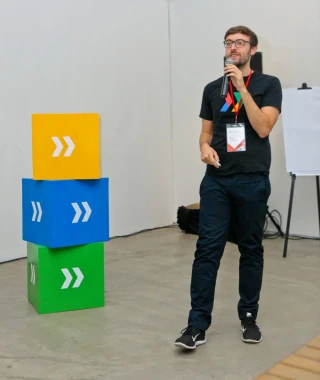
Hi, I'm Giles Thomas.
Founder of AcquireConvert, the place where ecommerce entrepreneurs & marketers go to learn growth. I'm also the founder of Shopify agency Whole Design Studios.