LA Product Photographer, Studios in Los Angeles (2026)

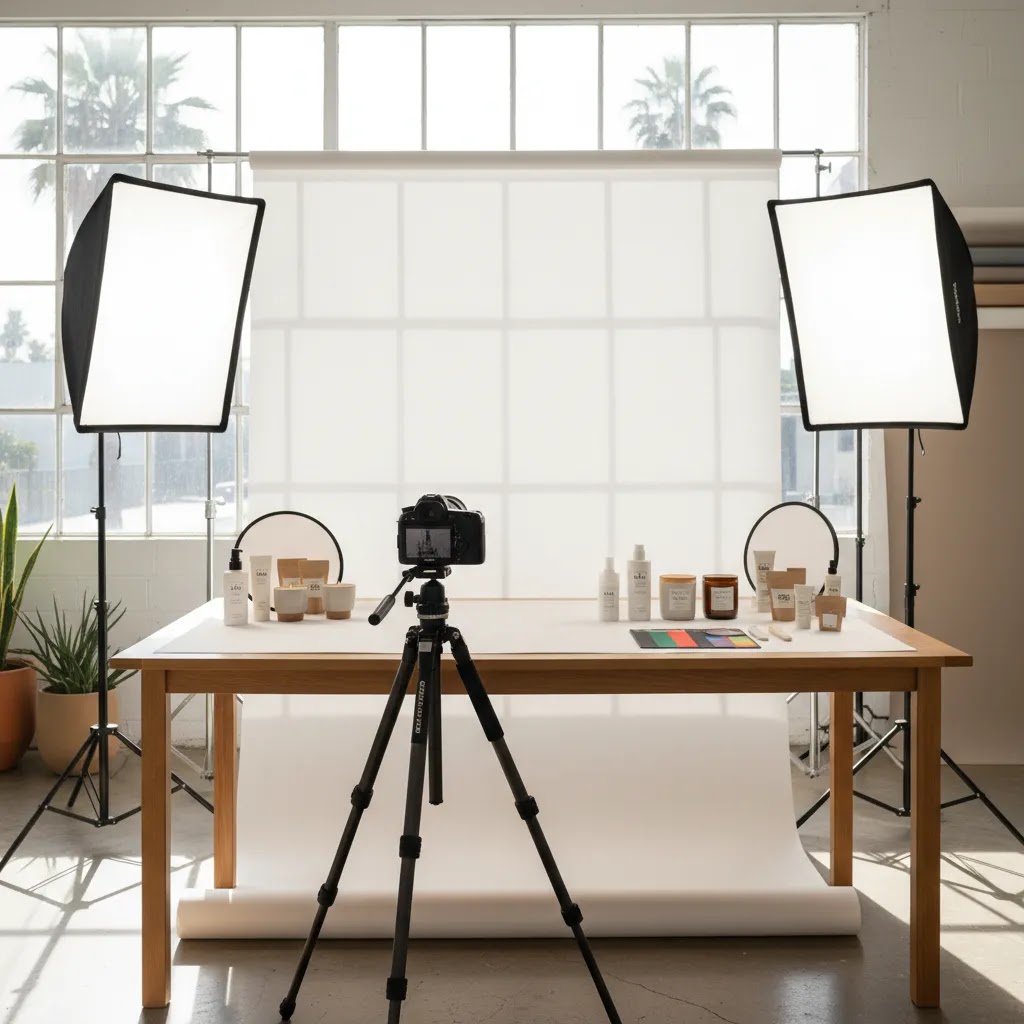
If you are looking for an la product photographer, the real question is not just who can take attractive images. It is who can produce conversion-focused visuals that fit your ecommerce workflow, your product category, and your budget. Los Angeles gives brands plenty of choice, from tabletop studios and skincare specialists to larger commercial teams that handle lifestyle, video, and 360 product photographer work. For Shopify merchants, Amazon sellers, and growing DTC brands, that choice can be useful but also a little overwhelming. This guide is designed to help you shortlist studios in Los Angeles, understand what affects product photographer cost, and avoid hiring mismatches. At AcquireConvert, we assess ecommerce decisions through the lens of practical store growth, drawing on Giles Thomas's experience as a Shopify Partner and Google Expert.
Contents
- Overview
- Types of LA Product Photography Studios
- Specialty Shoots LA Studios Commonly Offer
- Pricing and Costs
- Trust and Credibility
- How to Review an LA Product Photographer Portfolio
- What to Look For
- Pros and Cons
- Who This Market Is Best For
- How to Get Started
- “LA Product Photographer Near Me”, Reviews, and How to Vet Quickly
- Frequently Asked Questions
Overview
Los Angeles is a strong market for ecommerce photography because it combines creative talent, access to stylists and production crews, and deep experience across beauty, apparel, wellness, home goods, and consumer products. That means a product photography austin search may surface a smaller pool, while LA often gives you more specialization. If you sell cosmetics, supplements, fashion accessories, candles, or premium packaged goods, a los angeles product photographer is more likely to understand the style standards expected by modern DTC brands.
Still, not every photographer is equally suited to ecommerce. Some are strong at editorial campaigns but weaker on clean catalog consistency. Others produce excellent hero shots but do not have a repeatable process for large SKU counts. If your immediate need is a clean white background set, lifestyle scenes, or marketplace-ready image packs, it helps to compare studio process, turnaround, retouching standards, and file delivery formats before you hire.
For merchants building or refreshing a Shopify catalog, it can also help to review broader Product Photography Services and examples of E Commerce Product Photography so you know whether you need simple cutout assets, branded content, or both.
Types of LA Product Photography Studios
Most LA studios fall into a few clear groups.
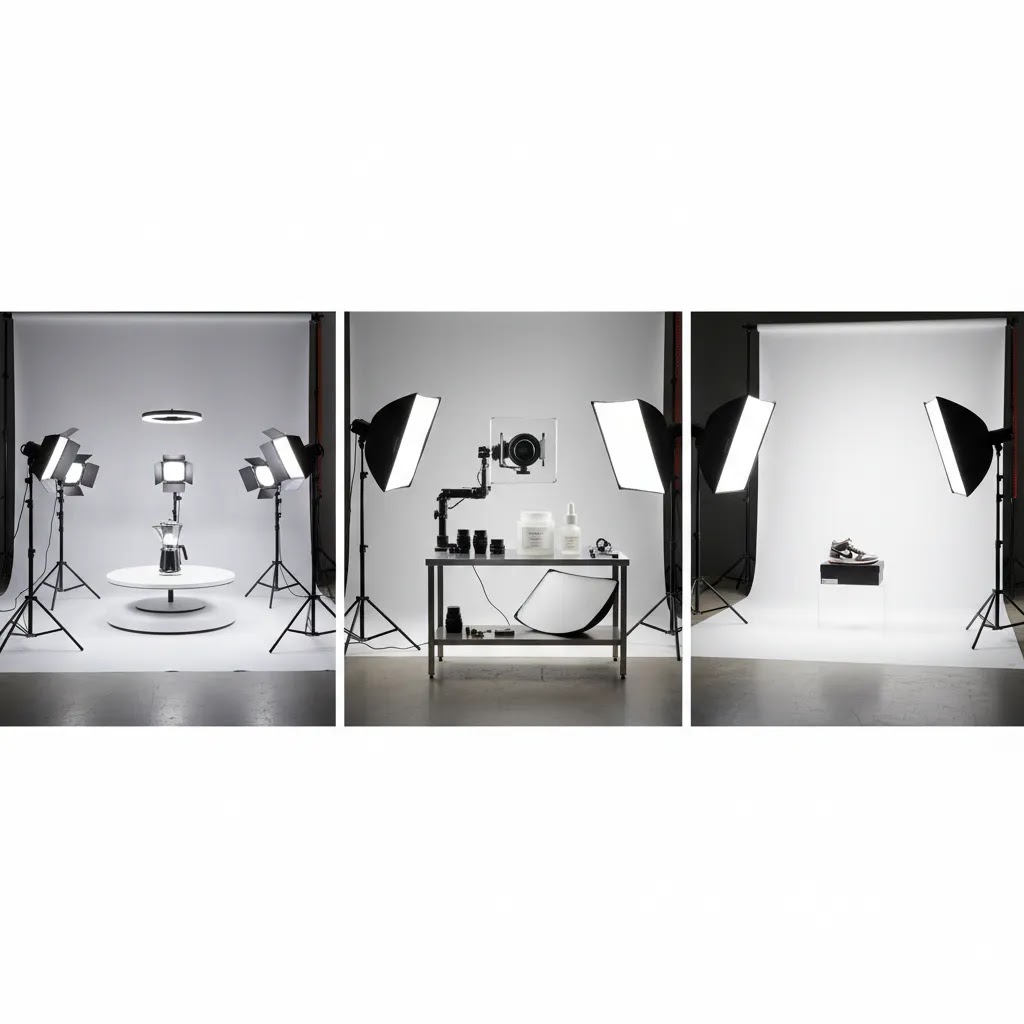
Catalog and white background studios are built for efficiency. They are useful for brands with larger inventories, regular product launches, or retailer submission requirements. These teams focus on lighting consistency, repeatable angles, and predictable post-production.
Creative commercial studios are a better fit if your product needs more brand storytelling. That may include lifestyle sets, props, textured backdrops, model hands, and ad creative variations for Meta, Google Shopping, and landing pages.
Beauty and skincare specialists are especially common in Los Angeles. If you sell serums, cosmetics, haircare, or wellness products, a skincare product photographer may be worth the premium because reflective packaging, translucent liquids, and luxury textures are harder to shoot well than standard packaging.
Hybrid ecommerce studios sit somewhere in the middle. They usually offer a mix of product-on-white, creative still life, short-form video, and sometimes marketplace formatting. For many DTC brands, this is the most practical option because one team can cover PDP images, collection banners, and paid social assets.
If you are still deciding between production environments, comparing a dedicated photo studio setup with a more flexible product photography studio model can help clarify whether you need scale, specialization, or creative direction.
Specialty Shoots LA Studios Commonly Offer
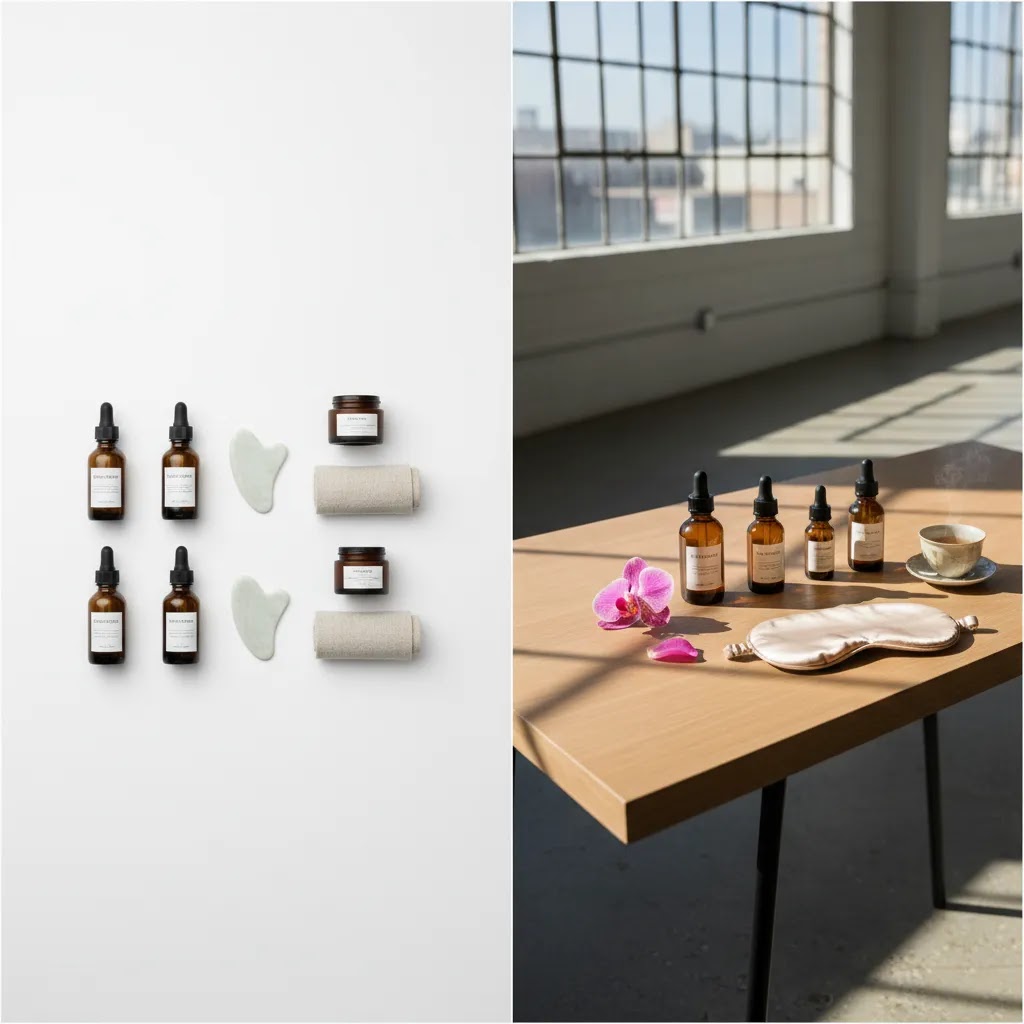
Here is the thing, many LA studios do more than just clean product-on-white. If you know the specialty you need, it becomes much easier to choose the right partner and avoid paying for the wrong kind of production.
Beauty product photography
Beauty is one of the most common LA specialties, and it is also one of the easiest categories to get wrong. Reflective caps, glossy labels, translucent bottles, and pumped product textures all demand controlled lighting and careful retouching.
This is usually worth paying for when your PDP needs close-ups that prove texture and finish, or when you need clean, accurate color that matches what customers receive. On Shopify, that accuracy matters for returns and reviews. From a practical standpoint, ask how they handle color matching, label cleanup, and reflective surfaces, and request a before-and-after retouching example for a similar product type.
Lifestyle product photography
Lifestyle is about context. Instead of only showing the product, you are showing it in use or in a scene that sells the vibe and the benefit. For many Shopify stores, lifestyle is most useful for ads, landing pages, and your first two to three images in the PDP gallery, as long as you still include clear product detail shots.
Consider this when you scope it: lifestyle typically requires more pre-production, including props, surfaces, set builds, and sometimes talent. If your budget is tight, you can often get more mileage by planning a small number of lifestyle setups that can be reused across multiple SKUs, rather than building a new scene for every product.
Ghost mannequin photography for apparel
Ghost mannequin is a specialized apparel workflow that makes garments look like they are being worn, without the distraction of a model. It can present fit and structure more clearly than flat lays, especially for jackets, dresses, and items with collars, linings, or internal construction details.
It is usually worth it when you need consistent, scalable PDP galleries across many SKUs, or when your shoppers need help understanding shape and drape. The reality is that ghost mannequin often involves more post-production than it appears, so ask how the studio handles neck joins, sleeve shaping, and fabric wrinkle cleanup, and make sure your shot list includes front, back, and key detail angles.
Oversized and hard-to-handle products
Oversized items like furniture, large home goods, bulky equipment, or big boxed products change the production math. You are paying for space, handling, and sometimes specialized lighting or rigging. Even if the images look simple, the logistics may not be.
If you sell oversized products online, confirm the studio can physically handle the size and weight, and ask how they approach scale cues. On Shopify collection pages, oversized items often benefit from consistent framing so products do not look randomly sized next to each other. That consistency is usually planned during the shoot, not fixed afterward.
For all specialty shoots, the easiest way to avoid reshoots is to build your shot list around the ecommerce outcome. Map each image to where it will be used, like PDP gallery, collection grid, paid social, Amazon image pack, or a retail line sheet. Then you can price production based on what you actually need.
Pricing and Costs
There is no single fixed product photographer price in Los Angeles. Rates vary based on complexity, not just image count. In most cases, photographers price around some combination of shoot day rate, per-image retouching, set styling, prop sourcing, model usage, and usage rights.
For straightforward ecommerce catalog work, pricing is usually more accessible than full commercial campaign production. A simple tabletop session with clean lighting and basic retouching will typically cost less than a creative lifestyle shoot involving multiple setups, art direction, or motion content. Beauty, jewelry, glass, and reflective packaging often cost more because they take longer to light and retouch well.
If you are comparing quotes, ask for detail on:
- Number of final edited images included
- Retouching depth, including dust cleanup, label correction, and color work
- Whether on-white and lifestyle shots are priced separately
- Rush fees and reshoot policies
- Video, GIF, or 360 product photographer add-ons
- Prop, stylist, and model costs
For growing brands, the smartest approach is often to price photography by business use case. Your best-selling SKUs may justify premium creative work, while the rest of the catalog may only need clean, conversion-focused assets. If you want a better feel for the image types that matter most, our guide to photography products is a useful next step.
Trust and Credibility
Hiring a photographer is partly about image quality and partly about operational reliability. A polished portfolio matters, but ecommerce brands should also assess how the studio handles production logistics. Ask whether they provide shot lists, intake forms, SKU labeling guidance, color reference workflows, and file naming standards. Those details save time once you move from test shoot to repeat production.
It also helps to look for evidence that the studio understands ecommerce requirements rather than only advertising aesthetics. A strong studio should be able to explain how they approach hero images, alternate angles, dimension consistency, transparent background needs, and marketplace compliance. If you are using Shopify, the right image partner should think beyond the photos themselves and consider collection pages, PDP layout, zoom quality, and mobile presentation.
At AcquireConvert, we recommend evaluating photographers the same way we evaluate tools: by practical fit. Giles Thomas's work as a Shopify Partner means the benchmark is not just creative appeal. It is whether the assets are likely to support better merchandising, stronger trust on product pages, and more efficient content production over time.
How to Review an LA Product Photographer Portfolio
What many store owners overlook is that portfolios are often built to impress, not to prove repeatable ecommerce outcomes. You are not only judging whether images look good. You are judging whether you can run them across a Shopify PDP gallery, collection grid, email, and ads without constant fixes.
Check portfolio relevance by category and deliverable type
Start with similarity. If you sell skincare, look for reflective packaging, liquid texture, and label legibility. If you sell jewelry, look for controlled highlights, clean metal reflections, and sharp stones without weird edge halos. If you sell apparel, look for consistent fit presentation, flat lay or ghost mannequin execution, and fabric texture that reads at PDP zoom.
Then match the deliverable type to your needs. On-white sets, lifestyle scenes, ghost mannequin, 360, and video are different workflows. A studio can be excellent at one and average at another. If you need a specific pack, make sure the portfolio actually shows that type of work across multiple SKUs, not just one hero example.
What “good” looks like for ecommerce
For most Shopify store owners, strong ecommerce photography has a few consistent traits: angles and crops match across the catalog, color looks believable on mobile, edges are clean without looking cut out, labels are readable, and texture detail looks real. That includes materials like brushed metal, glossy plastic, fabric weave, and paper stock.
Pay attention to white backgrounds in particular. Whites should be consistent from image to image. If every product has a different “white,” your collection pages can look messy fast, even if each individual image looks fine on its own.
Red flags that can fail on Shopify and Amazon PDPs
Some portfolio work is technically impressive but risky for ecommerce. Over-retouched surfaces can make packaging look unreal, and shoppers may feel the difference when the product arrives. Inconsistent crops make grids and carousels look chaotic. Mismatched whites and heavy mood lighting can hide product details that shoppers need to buy with confidence.
Also check aspect ratios. If a studio delivers mixed orientations, you may end up with awkward Shopify crops, inconsistent image heights, and extra design work to make the PDP feel clean. Ask what aspect ratio they recommend for your theme, and whether they deliver a consistent export set for web use alongside high-resolution originals.
What to Look For in a Los Angeles Product Photographer
The best fit depends on your catalog, margin profile, and growth stage, but a few capabilities matter for almost every ecommerce brand.
Consistency across SKUs is one of the most overlooked factors. One great hero image is not enough if the rest of the catalog looks uneven. Ask to see multi-product examples, not just a highlight reel.
Category-specific experience can save a lot of trial and error. A skincare product photographer understands reflective bottles and translucent textures. A fashion-focused studio may be better at fabric detail, flat lays, and on-model work. A food or supplement specialist usually knows how to make packaging and ingredient visuals feel credible without looking overstyled.
Clear delivery standards matter too. You want final files sized appropriately for Shopify, advertising, and marketplaces. That includes high-resolution originals where needed, web-ready exports, and a process for keeping aspect ratios consistent.
Creative range is another advantage in Los Angeles. Many studios can produce both sales-focused catalog images and brand-building campaign content. That can be useful if you want to test whether the same shoot can support PDPs, landing pages, email creative, and ad campaigns.
Scalability becomes important as your product range grows. A solo photographer may be perfect for a small launch, but a team with producers, assistants, stylists, and retouchers may be more dependable for seasonal shoots or larger rebrands.
Pros and Cons
Strengths
- Los Angeles offers deep specialization, especially for beauty, wellness, apparel, and premium consumer brands.
- You can find studios that handle both ecommerce basics and higher-end creative work under one roof.
- Large local talent pools make it easier to source stylists, props, models, and set design when needed.
- Many LA photographers are familiar with fast-moving DTC brand needs, including Shopify product page assets and paid social creative.
- The market gives you enough choice to compare production style, pricing structure, and turnaround before committing.
Considerations
- Pricing can rise quickly once you add retouching, styling, props, video, or model usage.
- Some commercial photographers have beautiful portfolios but limited experience with high-volume ecommerce workflows.
- Studios may specialize narrowly, so a strong beauty team may not be ideal for apparel, hard goods, or Etsy product photography.
- Turnaround times vary widely, especially during peak production periods.
- Remote brands may need tighter shipping, labeling, and approval processes to avoid costly reshoots.
Who This Market Is Best For
Hiring an LA studio makes the most sense for brands that need polished visual presentation and want access to photographers with real category depth. It is especially useful for beauty, skincare, wellness, apparel, accessories, and premium home goods brands where visual quality can strongly influence perceived value. If you run a Shopify store with a growing catalog and need repeatable shoots, Los Angeles is often a better market than searching only for a generic professional product photographer near me.
Smaller sellers with simple products and thin margins may still prefer local solo photographers or AI-assisted image workflows for basic catalog assets. For higher-AOV brands, though, LA's studio depth can justify the extra cost if the work supports stronger merchandising and a more credible storefront.
How to Get Started
Start by listing exactly what you need, not just that you need "product photos." Separate your requirements into white background images, lifestyle shots, ad creative, video, and marketplace assets. Then decide which SKUs deserve premium treatment and which only need clean catalog coverage.
Next, build a shortlist of three to five Los Angeles studios and request quotes using the same brief. Include product count, image count, reference styles, deadlines, shipping details, and intended usage. This makes pricing easier to compare.
Ask each studio for a sample workflow. You want to know how they handle approvals, shot lists, retouching rounds, and file delivery. If you are planning broader content production, compare whether a single studio can cover both ecommerce and campaign needs or whether you need separate partners.
Finally, consider starting with a paid test shoot. That gives you a low-risk way to assess communication, image consistency, and whether the assets actually work on your product pages before committing to a larger engagement. If you are comparing markets beyond LA, our product photography austin guide can help frame the differences.
“LA Product Photographer Near Me”, Reviews, and How to Vet Quickly
A “near me” search can be useful, but it can also hide a few traps. Some teams market as Los Angeles-based while subcontracting production elsewhere, or they may only have a small setup that cannot realistically handle ecommerce volume. If proximity matters because you want to drop off products, attend the shoot, or move fast, verify the actual studio location and whether the work is done in-house.
Now, when it comes to reviews, look beyond star ratings. You are trying to predict what production will feel like when you have deadlines, packaging variations, and change requests. Strong signals include consistent communication, clear timelines, and evidence they handled issues calmly when something went wrong. A studio that owns mistakes and fixes them is usually a safer partner than one that looks perfect on paper but goes quiet mid-project.
If you need to shortlist quickly, use a simple checklist in your first call or email. Ask whether they recommend starting with a paid test shoot, whether they can show retouching samples for your category, and what is included versus billed as an add-on. Confirm how many retouching rounds are included, what their process is for shot list approval, and how they handle file delivery for Shopify, ads, and marketplaces.
For higher-SKU shoots, also ask how they manage volume. Do they have an intake process for labeling and variants, can they keep angles consistent across dozens of products, and do they offer predictable turnaround for product launches. You do not need a massive commercial crew for every brand, but you do need a workflow that matches your catalog reality.
Frequently Asked Questions
How much does a product photographer in Los Angeles usually cost?
Costs vary widely based on product complexity, image count, and production requirements. A simple ecommerce catalog shoot is usually priced very differently from a styled campaign shoot. Ask for line items covering retouching, props, models, and usage rights so you can compare quotes accurately rather than choosing on headline price alone.
Is a Los Angeles product photographer worth it for a small Shopify store?
It may be worth it if your products rely heavily on visual appeal or if poor imagery is holding back trust on your product pages. For simpler catalogs, a smaller local setup or staged rollout can be more sensible. Many stores start by professionally shooting top sellers first, then expand once those assets prove useful.
What should I ask before I hire a product photographer?
Ask about category experience, turnaround times, retouching standards, number of included revisions, file formats, and whether they have handled ecommerce catalogs before. You should also ask how they organize product intake and approvals. Good operational process is often as important as creative quality for online stores.
Do Los Angeles studios also shoot 360 product photography and video?
Some do, especially larger commercial or hybrid ecommerce studios. Others focus only on stills. If you need spin assets, stop motion, or short-form video for PDPs and ads, confirm that early. Those services usually involve extra equipment, post-production time, and pricing that sits outside standard still photography packages.
How do I know if a photographer understands ecommerce, not just branding?
Review how they talk about consistency, file delivery, white background standards, mobile-friendly crops, and product page use. A photographer who only shows dramatic hero shots may not be ideal for large catalogs. An ecommerce-aware partner should understand how images support merchandising, click-through, and shopper trust.
Can I ship products to an LA studio if my business is in another city?
Yes, many ecommerce brands work with remote studios. The key is having a clear shipping and intake process, labeled SKUs, and a written shot list. Remote work can go very smoothly if the studio is organized, but unclear briefs often lead to delays or reshoots, so planning matters more than location.
What kinds of brands benefit most from LA photography studios?
Beauty, skincare, fashion, accessories, wellness, and premium packaged goods often benefit the most because these categories depend heavily on visual trust and brand presentation. If your product has reflective materials, textures, or luxury cues, a specialized Los Angeles studio may offer stronger results than a general local photographer.
How do I find an LA product photographer near me who can handle ecommerce volume?
Verify they have a repeatable catalog workflow, not just a nice portfolio. Ask how they handle intake and labeling for multiple SKUs, whether they can maintain consistent angles and crops across a full collection, and what a realistic turnaround looks like for your image count. If your launch calendar is tight, ask whether they can support ongoing volume, not only a one-time shoot, and consider starting with a paid test shoot to validate consistency before scaling up.
What should I look for in LA product photographer reviews before booking a shoot?
Look for comments about communication, timeline reliability, and how the studio handled revisions or unexpected issues. Ecommerce shoots often involve small changes, like label updates, variant swaps, or crop adjustments, so reviews that mention a clear approval process and responsive project management are strong positive signals. Treat vague praise as less meaningful than specific notes about process and follow-through.
What is lifestyle product photography, and when is it worth it for a Shopify store?
Lifestyle product photography shows the product in context, either being used or placed in a scene that supports the brand story. It is often worth it when you need stronger ad creative, higher-impact landing pages, or a more premium feel on your PDPs, especially for hero images. Many Shopify stores do best with a mix, a few lifestyle shots for persuasion, plus clean on-white and detail images for clarity and conversion confidence.
What is ghost mannequin photography, and is it better than flat lays for apparel?
Ghost mannequin photography is an apparel technique that makes a garment look worn without showing a model. It can be better than flat lays when you want shoppers to understand shape, structure, and fit, especially for items with collars, linings, or tailored details. Flat lays can still work well for simpler items or certain brand aesthetics, but if your PDPs need consistent fit presentation across many SKUs, ghost mannequin is often a more scalable ecommerce approach.
Key Takeaways
- Los Angeles is one of the stronger markets for specialized ecommerce photography, especially for beauty, fashion, and premium consumer products.
- Do not compare studios on price alone. Compare process, category experience, retouching quality, and delivery standards.
- For Shopify brands, consistency across product pages often matters more than a few standout portfolio shots.
- A test shoot is usually the most practical way to validate fit before committing to a larger contract.
- The right photographer should improve your visual merchandising workflow, not just give you attractive images.
Conclusion
A strong LA product photographer can be a smart investment if your store depends on polished visuals to communicate quality, differentiate from competitors, and support conversions. The advantage of Los Angeles is range. You can find efficient catalog specialists, high-end creative studios, and niche teams for skincare, apparel, and lifestyle products. The tradeoff is that you need to vet carefully, because not every impressive portfolio translates into dependable ecommerce execution. If you are hiring soon, start with a clear brief, compare a few studios on process as well as price, and consider a small test project first. That approach usually gives store owners the clearest path to better product imagery without overcommitting too early.
Disclosure: AcquireConvert may receive affiliate compensation from some third-party links, where applicable. This article is for informational purposes and reflects practical ecommerce evaluation, not a guarantee of results. Photography outcomes, conversion impact, and return on investment will vary based on your product category, store traffic, merchandising quality, and how the final assets are implemented.
Hi, I'm Giles Thomas.
Founder of AcquireConvert, the place where ecommerce entrepreneurs & marketers go to learn growth. I'm also the founder of Shopify agency Whole Design Studios.