Product Photography Miami Studios & Pricing (2026)

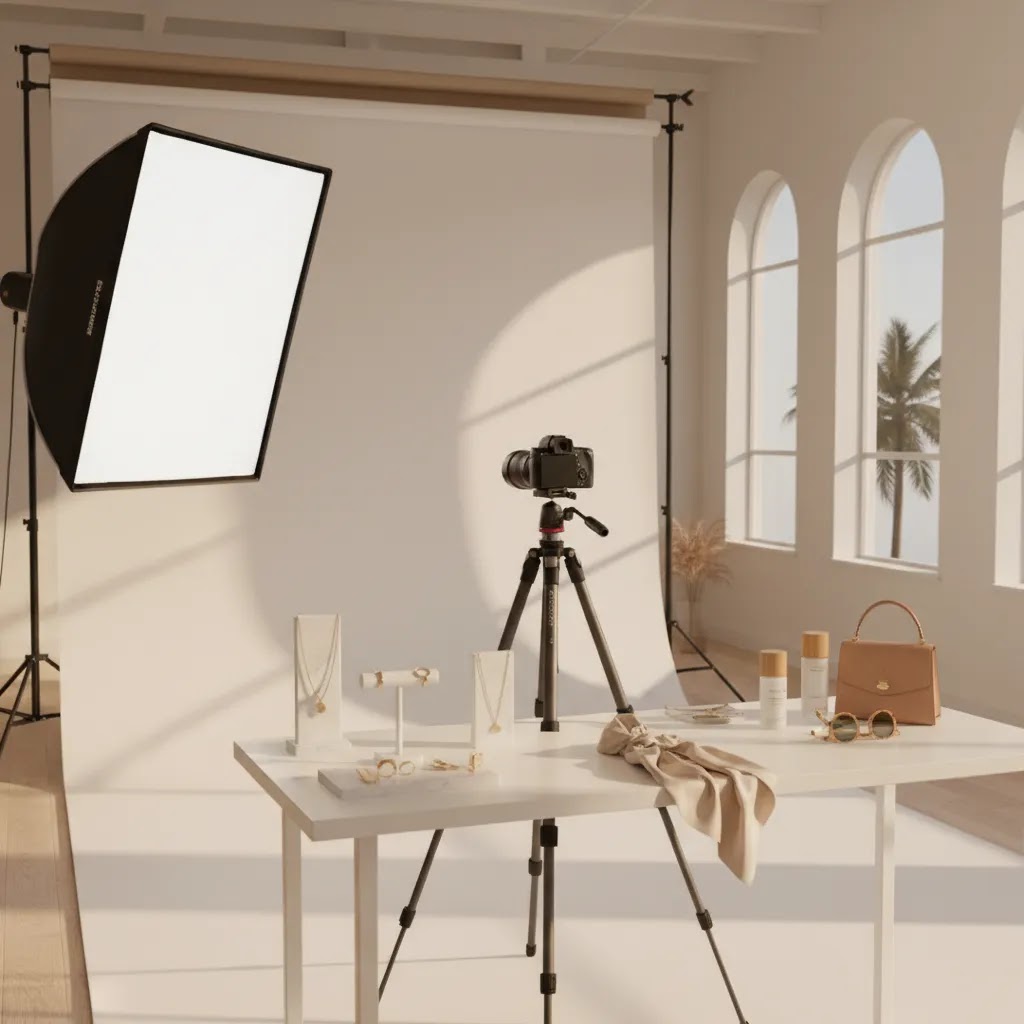
If you are searching for product photography miami options, you are probably close to making a buying decision. You need clean images, predictable pricing, and a setup that fits your ecommerce workflow. For most Shopify merchants, the right choice depends less on finding the flashiest studio and more on matching image style, SKU volume, and turnaround time to your margins. Miami is a strong market for fashion, beauty, lifestyle, and Amazon-focused product shoots, but pricing can vary sharply based on whether you need simple white-background catalog shots, styled content, 360 spins, or 3D production. This guide covers what Miami studios typically offer, what you should expect to pay, where AI image tools can reduce costs, and when a traditional studio is still the smarter move. If you want a broader benchmark first, see our product photography austin guide.
Contents
- Overview
- Pricing and Costs
- Pricing Benchmarks and Package Examples
- Trust and Credibility
- Turnaround Time and Production Workflow
- What Miami Studios and AI Tools Offer
- Pros and Cons
- Alternatives to Local Miami Studios
- Who This Is Best For
- How to Get Started
- Frequently Asked Questions
- Key Takeaways
- Conclusion
Overview
Miami is a practical city to source product photography if your brand sells fashion, swimwear, cosmetics, supplements, jewelry, home goods, or marketplace inventory. The market is especially useful for brands that want both catalog-ready product shots and more editorial, lifestyle-driven creative. That matters because many ecommerce stores need both. Your PDPs may need clean, consistent imagery, while ads, landing pages, and email campaigns need something less uniform.
For Shopify merchants, the key decision is usually not just which product photography studio miami option looks best on Instagram. It is whether the provider can handle your actual operating model. If you launch new SKUs every month, batch efficiency matters. If you sell on Amazon, image compliance matters. If you are trying to improve conversion rate optimization, consistency in angle, crop, lighting, and variant presentation often matters more than artistic flair.
There is also a growing middle ground between full-service local studios and DIY shooting. AI-supported tools now help with background generation, white background cleanup, resolution enhancement, and edited lifestyle compositions. AcquireConvert evaluates these options through the lens of real ecommerce performance, and Giles Thomas brings a Shopify Partner perspective to the decision. For stores comparing geography-specific providers, our product photography los angeles breakdown is another useful benchmark.
Pricing and Costs
Miami product photography pricing usually depends on five things: shot type, quantity, styling complexity, retouching needs, usage requirements, and whether models or location work are involved. A simple per-image catalog shoot on white may be priced very differently from a styled set with props, reflective surfaces, or cosmetics texture detail.
For ecommerce planning purposes, many merchants will encounter pricing models such as per-photo, per-SKU, half-day or day rate, and monthly content retainers. White-background catalog photography is often the most cost-efficient format for high-SKU stores. Styled photography, product table photography, turntable product photography, and Amazon hero image production usually sit at a higher rate because they require more setup and more retouching.
3D and 360 work typically adds another layer of cost. If you are researching 3d product photography pricing, ask whether the quote includes asset prep, spin capture, rendering, post-production, and output formatting for your storefront or marketplace. Those line items are not always bundled.
AI tools can offset some of these costs, especially after the core product image has been captured once. Based on the live product data available, ProductAI offers several relevant tools, including AI Background Generator, Free White Background Generator, Increase Image Resolution, Background Swap Editor, and Magic Photo Editor. The data provided does not include current pricing tiers or app ratings, so you should expect to confirm those directly before budgeting. These tools are most useful for reducing repeat editing work, extending existing image sets, and producing more campaign variations without booking another full studio day.
Pricing Benchmarks and Package Examples
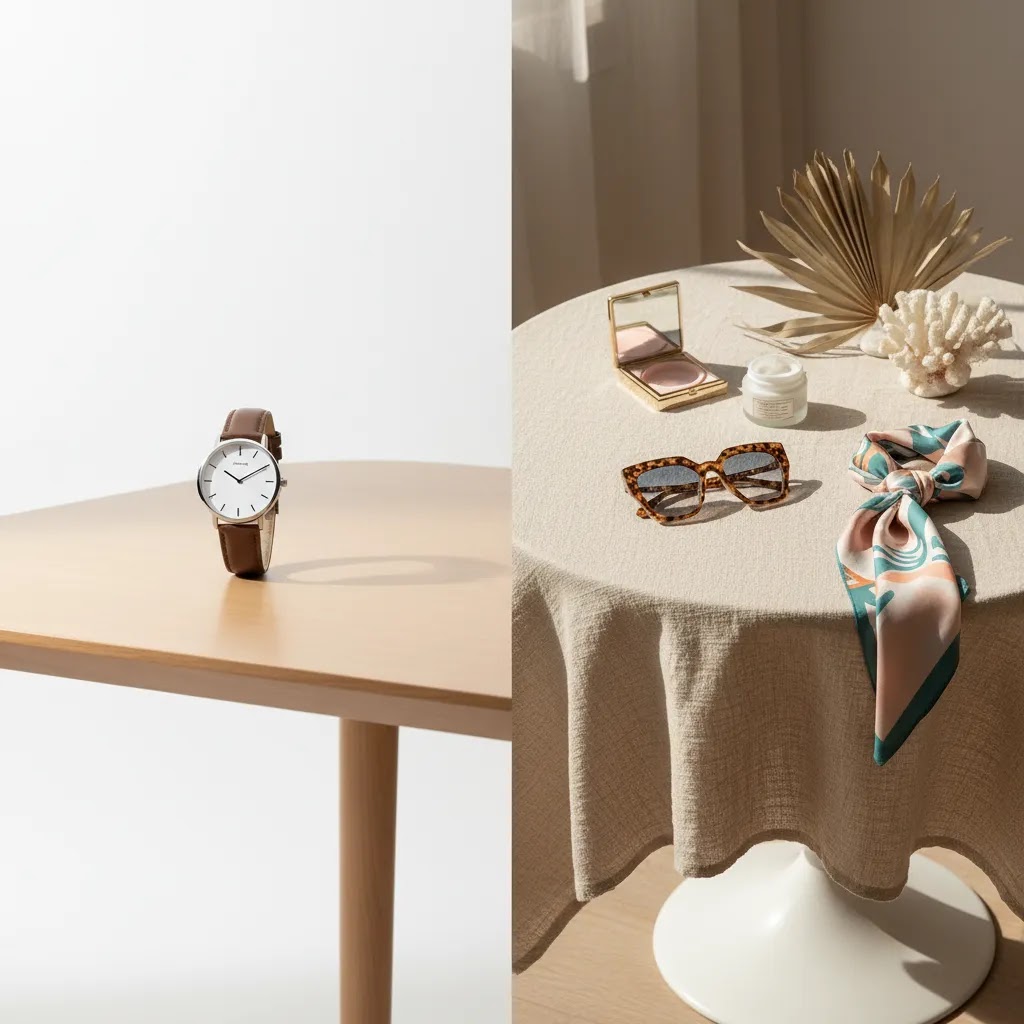
Here is the thing with Miami pricing. Many studios can give you a quote, but not every quote makes it obvious what you are actually buying. From a practical standpoint, most Shopify merchants will see three common ways pricing gets presented: per photo, per SKU, or a half-day or day rate with a deliverables cap.
For entry-level white background catalog work, it is common to see per-image pricing that starts around $35 to $75 per final image for straightforward products, with pricing moving up as soon as you add reflective materials, complex labels, liquids, or anything that needs detailed color work. For lifestyle or styled tabletop, it is common to see per-image pricing start closer to $75 to $200+ per final image, because you are paying for setup, art direction, and more retouching. Model, location, and higher-production sets can push that further.
Day rates and half-day rates are also normal in Miami, especially when you have a batch of SKUs to move through. A studio may quote a half-day or day rate that includes a defined number of setups, a defined shot list per SKU, and a standard retouching level. This can be a good fit for stores that launch in drops and want predictable batch output. The quote is not really about time alone, it is about how many products can realistically be captured and delivered to your spec in that block.
What many store owners overlook is the difference between what is included versus what becomes an add-on that changes the real cost. In Miami, the items below are common places where quotes can diverge even if the headline number looks similar.
- Retouching rounds and revision policy: one included pass versus multiple rounds of tweaks.
- Clipping paths and masking: especially for products with hair-like edges, translucent plastic, or glass.
- Color matching and variant consistency: critical for apparel, cosmetics, and packaging-heavy brands.
- Prop styling and set builds: sometimes included at a basic level, often scoped separately for anything custom.
- Model fees, hair and makeup, and talent usage: separate from photography in many cases.
- Location fees and permits: relevant for lifestyle shoots that are not in-studio.
- Rush delivery: often offered, but usually with scope limits or a higher retouching tier.
- File naming and organization: a big deal when you have dozens of SKUs and variants.
- Usage rights: some providers include broad commercial use, others price usage depending on channel and duration.
If you want to compare quotes without getting lost, normalize them. Ask each studio to confirm the same set of basics: number of final images delivered, number of angles per SKU, retouching level, revision rounds, delivery file type and dimensions, background color requirements, and whether the studio is following your Shopify-first cropping rules. If two quotes are not describing the same deliverable, they are not actually comparable.
Trust and Credibility
When choosing a Miami studio, trust is less about polished branding and more about process. Ask for recent ecommerce samples, not just creative portfolio highlights. A capable studio should be able to show clean consistency across multiple SKUs, variants, reflective materials, and packaging formats. If you sell on Amazon or other marketplaces, ask whether they understand platform-specific image constraints.
You should also look for workflow clarity. Good studios will explain intake, shot lists, sample approval, retouching rounds, file naming, and delivery specs up front. That prevents avoidable delays once inventory has already been shipped to them.
On the AI side, trust comes from using tools for the tasks they actually handle well. ProductAI appears focused on ecommerce image editing and generation workflows rather than vague AI claims. Available tools include white background generation, background swapping, product-in-hands mockups, and editing inside Creator Studio. That makes these tools potentially useful for lean teams that need more image variation without hiring in-house creatives. For a broader view of the category, you can browse AcquireConvert's Product Photography Services resources and our Catalog Photography content.
Turnaround Time and Production Workflow
Turnaround is one of the biggest decision drivers for Shopify merchants, because creative delays turn into delayed launches. The reality is that turnaround times vary a lot by shoot type and by how clean your prep is before the first frame is shot.
For simple white-background catalog work, many studios can deliver in roughly 3 to 10 business days after they receive product and your shot list is approved. For styled tabletop and lifestyle, 7 to 15 business days is a more common range, because there is more planning, setup, and retouching. For turntable, 360, and 3D-related work, timelines can stretch further depending on capture volume, rendering, post-production, and how outputs need to be formatted for your storefront.
Delays usually come from predictable places: products arriving late, shot lists changing mid-stream, unclear examples of the look you want, and revision cycles that turn into open-ended art direction. Consider this. One sample SKU approval upfront can prevent a week of rework across a 40-SKU batch.
Fast-turn options do exist, sometimes as quick as 24 to 72 hours for a small set of simple catalog images. Now, when it comes to rush delivery, it typically works by narrowing scope. You may be limited to fewer angles, fewer SKUs, or a capped retouching level. You may also pay a rush fee. If a studio promises speed, ask what is being traded off to make that possible.
The way this works in practice is simple. Set up approvals and delivery specs before the shoot starts:
- Do a one-SKU test: approve lighting, crop, angle rules, and color approach before the full batch.
- Define a file naming convention tied to your Shopify SKUs and variant names, so uploads and replacements are fast.
- Confirm delivery formats for each channel, including Shopify PDP images and any marketplace requirements you have.
- Agree on revision limits and what qualifies as a reshoot versus a retouch, especially for color-sensitive products.
If you do this well, your photographer can move faster, you get fewer surprises, and your internal team spends less time sorting files and chasing clarifications.
What Miami Studios and AI Tools Offer
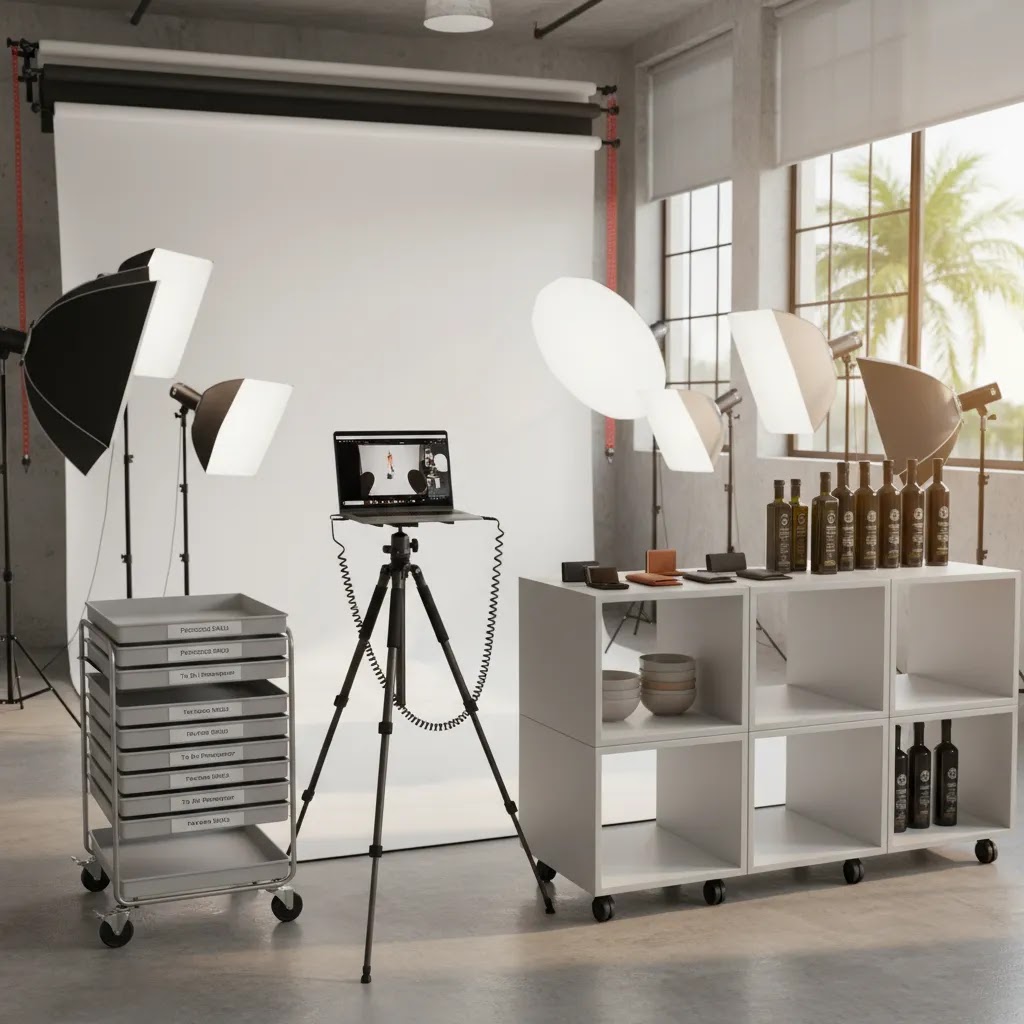
The strongest Miami providers usually offer a mix of catalog, lifestyle, and marketplace-ready production. For ecommerce brands, the most important capabilities tend to be:
White-background and catalog photography. This is still the foundation for most product detail pages. It supports consistency across collections and makes merchandising cleaner. If you are comparing agencies against solo freelance photographers, ask who is doing the retouching and quality control after the shoot, not just who is pressing the shutter.
Styled tabletop and product table photography. This is useful for beauty, food, gifting, and home goods brands that need ad creative and social content. It can improve perceived brand quality, but only if the visual direction matches your store design and customer expectations.
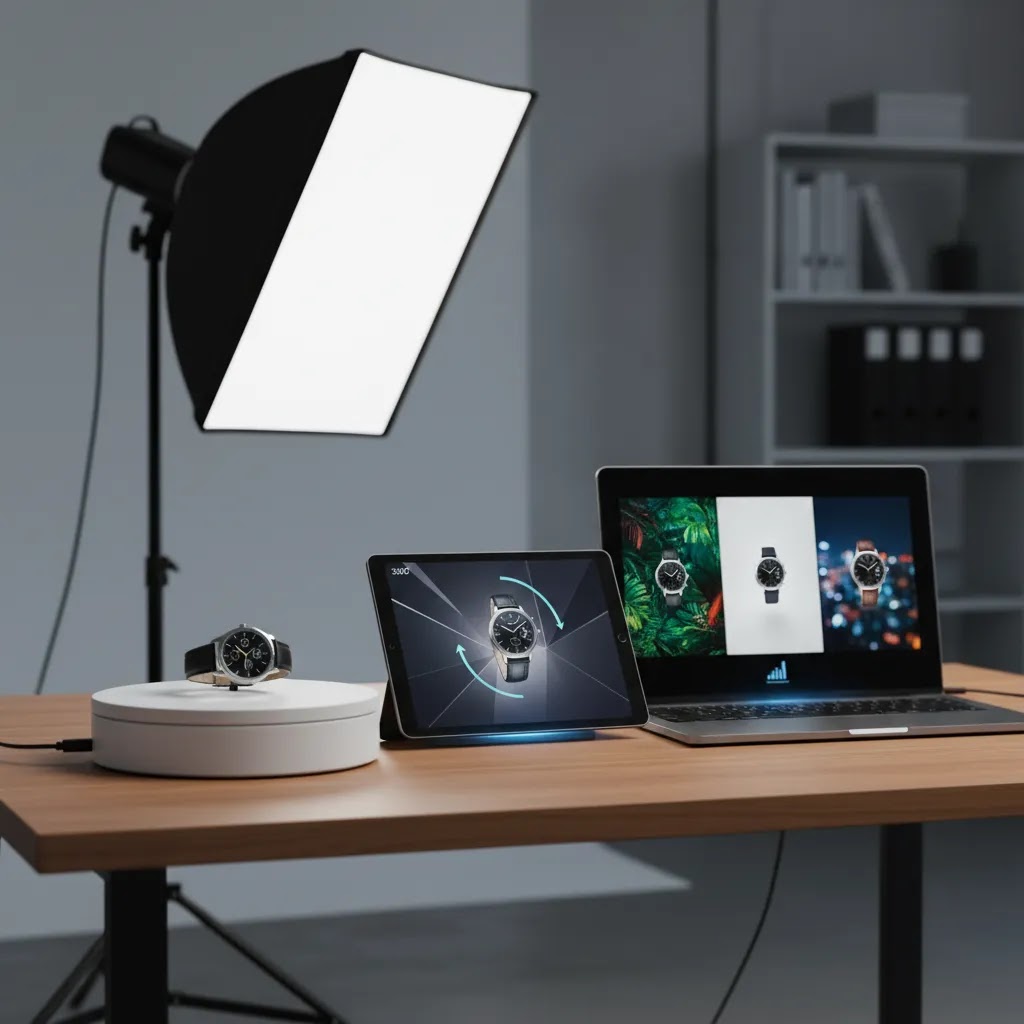
Turntable and 360 formats. If shoppers need to inspect shape, texture, closures, or packaging detail, turntable product photography may help reduce hesitation. It is especially relevant for premium goods, accessories, and products with tactile features. If you are exploring 360 product photography ai workflows, ask whether you truly need interactive spins or if additional static angles will do the job at lower cost.
3D production. Some brands benefit from 3D product visuals for configurators, animations, or AR experiences. But 3D product photography equipment and post-production skill add complexity. This is not usually the first investment a smaller Shopify store should make unless the visual payoff is central to the sale.
AI post-production and asset expansion. The live tool dataset shows ProductAI can support several common ecommerce image tasks. AI Background Generator and Free White Background Generator are relevant for replacing or cleaning backgrounds after initial photography. Increase Image Resolution may help prepare assets for larger placements. Background Swap Editor and Magic Photo Editor can support campaign variations, while Place in Hands may be useful for quick contextual mockups. Creator Studio appears to act as the main editing workspace. For merchants comparing a local product photography studio with an ai product photography app, this hybrid route is often the most practical.
Pros and Cons
Strengths
- Miami has strong coverage for fashion, beauty, lifestyle, and Amazon product photography needs.
- Local studios can handle physical product nuances that AI still struggles with, such as texture accuracy, reflective packaging, and complex materials.
- Brands can combine one professional studio shoot with AI editing tools to create more variants for ads, email, and landing pages.
- Catalog, tabletop, lifestyle, and turntable formats are all accessible in the same regional market.
- Miami is a sensible option for brands that also need bilingual creative teams or talent aligned with lifestyle-oriented brand positioning.
Considerations
- Pricing can become expensive quickly if you need props, models, heavy retouching, or frequent reshoots.
- Not every studio is optimized for ecommerce volume. Some are better suited to editorial work than repeatable SKU production.
- AI tools can reduce editing costs, but they do not replace accurate base photography for every product category.
- 3D, 360, and turntable work may sound appealing, but many stores will not see enough commercial benefit to justify the added production cost.
- Tool pricing and ratings were not available in the provided live product data, so merchants should verify total software costs before committing.
Alternatives to Local Miami Studios
For most Shopify store owners, there are really three routes to get product photos done: hire a local Miami studio, use a remote studio where you ship product to them, or build an in-house DIY setup. There is also a hybrid version where you combine any of the above with AI editing and variation tools.
Local Miami studio. This tends to make the most sense when you need hands-on collaboration, consistent creative direction, or higher-touch production. If you need models, hair and makeup, location work, or a specific lifestyle feel, local can be more controllable. It can also be a good fit if you want to do a live test shoot, approve on-set, and avoid back-and-forth on retouching.
Remote product photography studio (ship-to). This can make sense when your priority is standardized, repeatable catalog output and you do not need to be on set. Some remote operations are built for volume, which can be useful if you are onboarding lots of SKUs and need a predictable system. The tradeoff is that shipping and intake become part of your timeline, and you need tighter written direction because you cannot course-correct in person.
DIY in-house. This is often the cheapest on paper if you already have time and someone on your team who can learn lighting and consistency. It can also help when you need speed for frequent launches. The downside is that consistency is hard to maintain across seasons and staff changes, and setup time can quietly eat into your week. DIY works best for simple products and clean catalog requirements, not for reflective surfaces, liquids, or color-critical categories where returns and complaints can follow.
Hybrid with AI support. This is where a lot of independent brands land. You capture a clean base set once, either locally or via a remote studio, then use AI tools for background cleanup, alternate scenes, and campaign variations. That can reduce how often you need to reshoot, as long as you keep a human quality check on outputs before they go live.
If you do use multiple vendors, consistency becomes the main risk. Brand style drift can show up as slightly different whites, shadows, crop rules, or color temperature across batches, and that makes a Shopify catalog look messy. To manage this, create a simple style guide with angle rules, crop examples, shadow style, background color targets, and naming conventions. Also consider practical shipping risks with remote work: insurance coverage, how products are labeled on arrival, and what happens if inventory is damaged in transit.
Who It's Best For
Product photography miami is best suited for ecommerce brands that need stronger visual merchandising and are ready to pay for consistency. It is a good fit for Shopify stores selling apparel, cosmetics, accessories, wellness products, and premium packaged goods. It also suits Amazon sellers that need compliant hero images plus supporting lifestyle assets.
A local Miami shoot makes the most sense if your products are tactile, reflective, color-sensitive, or difficult to fake convincingly with AI alone. Smaller stores with tighter margins may do better with a leaner workflow, meaning a basic studio capture followed by AI-based editing and variation creation. If you are still comparing service markets by shipping, cost, and creative style, city guides such as product photography cincinnati, product photography seattle, and product photography phoenix az can help benchmark your options.
How to Get Started
Start with a shot list before you contact any studio. Include SKU count, required angles, variant rules, file dimensions, marketplace requirements, and where each image will be used. This immediately improves quote accuracy.
Next, ask each provider for three things: relevant ecommerce samples, turnaround time, and revision terms. If you sell on Shopify and Amazon, mention both. The right partner should understand the difference between merchandising images and compliance-driven marketplace images such as amazon product photography miami requests.
Then decide what should be photographed and what can be AI-assisted afterward. A practical workflow is to capture high-quality hero and detail shots in-studio, then use tools such as AI Background Generator, Free White Background Generator, or Magic Photo Editor to create alternate backgrounds and campaign formats later.
Finally, test image performance in a limited rollout. Update a handful of high-traffic PDPs first, measure engagement and add-to-cart behavior, and only then expand across the catalog. That measured approach is usually better than reworking every product image at once.
Frequently Asked Questions
How much does product photography in Miami usually cost?
Pricing varies by SKU count, image type, styling needs, retouching, and production format. White-background catalog images are usually the most affordable option, while lifestyle, model, turntable, and 3D projects cost more. Always ask whether quotes include editing, file prep, and reshoots so you can compare providers accurately.
Is a Miami studio better than using an AI product photography app?
For many brands, the best answer is a mix of both. A studio is usually stronger for original capture, texture accuracy, and premium presentation. An AI product photography app can then help you extend those assets into more formats. This approach may reduce repeat shooting costs while preserving image quality where it matters most.
What should Amazon sellers ask a Miami product photographer?
Ask whether they understand marketplace image requirements, especially hero image standards, pure background expectations, crop consistency, and variation handling. You should also ask about file naming and delivery specs. Amazon sellers often need accuracy and consistency more than visual experimentation, so process matters as much as creative ability.
Are 360 and turntable product photos worth paying for?
They can be, but only for certain categories. Products with important shape, opening mechanisms, texture, or premium details may benefit. For many stores, more static angles and stronger close-ups can achieve most of the same clarity at a lower cost. Test on a few hero products before rolling out sitewide.
Can AI handle t shirt product photography ai or apparel edits well?
AI can help with background cleanup, mockups, and alternate scene creation, but apparel fit, drape, fabric texture, and true color still benefit from strong original photography. If conversion depends on material feel or fit confidence, use AI as support rather than replacement. Results will vary based on garment type and the quality of the source image.
Do Shopify stores need a full studio retainer?
Not always. If your catalog changes frequently, a retainer may make sense. If launches are less frequent, project-based shooting paired with AI editing tools can be more efficient. The right model depends on SKU velocity, merchandising needs, and how many channels you support, including your site, email, ads, and marketplaces.
What questions should I ask before hiring a Miami studio?
Ask about per-image or per-day pricing, retouching policy, turnaround time, sample approval, file specs, prop styling, and insurance for shipped inventory. You should also confirm whether they can follow brand guidelines and whether they have worked with ecommerce brands at your scale, not just larger editorial clients.
How much do product photographers charge per photo in Miami?
For simple white-background catalog images, it is common to see pricing start around $35 to $75 per final image for straightforward products, with higher pricing for complex items that need more setup or retouching. Styled tabletop and lifestyle images often start higher, often around $75 to $200+ per final image, depending on the creative direction, props, and retouching needs. Always confirm what counts as a “final image,” how many revision rounds are included, and whether file prep is included.
What is the average cost of a product photography shoot (typical total spend)?
Total spend depends on SKU volume and whether you are doing catalog-only or lifestyle production. Many ecommerce shoots land in the low four figures for a small batch when you include shooting and retouching, and can move higher quickly once you add models, location, prop styling, or a larger SKU count. The best way to estimate is to start from your shot list, then ask studios to quote the same deliverables so you can compare properly.
How fast can I get product photos back (turnaround time)?
White-background catalog work is often delivered in roughly 3 to 10 business days after product intake and shot list approval. Styled and lifestyle work typically takes longer, often 7 to 15 business days, because planning and retouching are heavier. Some studios offer rush delivery, sometimes within 24 to 72 hours for small, simple batches, but it may come with a rush fee or tighter limits on angles and retouching.
Are remote product photography studios cheaper than hiring a local Miami studio?
They can be for some stores, especially when the goal is standardized catalog output at volume. Remote studios may have streamlined processes that reduce per-SKU costs. The tradeoffs are shipping time, shipping risk, and less hands-on creative control. If you choose remote, you will usually get better results by tightening your style guide, doing a one-SKU approval first, and being very specific about crop rules and file naming for Shopify.
Key Takeaways
- Miami is a strong market for fashion, beauty, lifestyle, and Amazon-focused product photography.
- The right provider is the one that matches your SKU volume, channel mix, and visual standards, not just the nicest portfolio.
- White-background catalog photography remains the most practical base layer for most Shopify stores.
- AI tools such as background generators and image editors can help extend studio assets and lower repeat production needs.
- 3D, 360, and turntable production should usually be tested on selected products before a broader rollout.
Conclusion
For most ecommerce brands, product photography miami is worth considering if you need professional-grade imagery that supports both conversion and brand presentation. The strongest use case is a hybrid one: capture your core assets properly, then use AI tools to create more output from the same source images. That is often the smartest balance between quality and efficiency. If your products depend on texture, color fidelity, or premium presentation, a real studio is still difficult to replace. If your main challenge is scaling image variants across campaigns, AI may carry more of the load after the shoot. The practical next step is simple: build your shot list, request two or three quotes, and decide which images need a studio versus which can be produced or edited later with AI support.
Disclosure: AcquireConvert may receive affiliate compensation from some third-party links or tools mentioned, where applicable. We aim to keep reviews and service guides independent and practical. Product and service fit, pricing, and results will vary based on your niche, traffic, source image quality, implementation choices, and the provider you hire. Always confirm current pricing, deliverables, and compatibility directly before making a purchasing decision.
Hi, I'm Giles Thomas.
Founder of AcquireConvert, the place where ecommerce entrepreneurs & marketers go to learn growth. I'm also the founder of Shopify agency Whole Design Studios.