Product Photography Tampa: Local Options (2026)

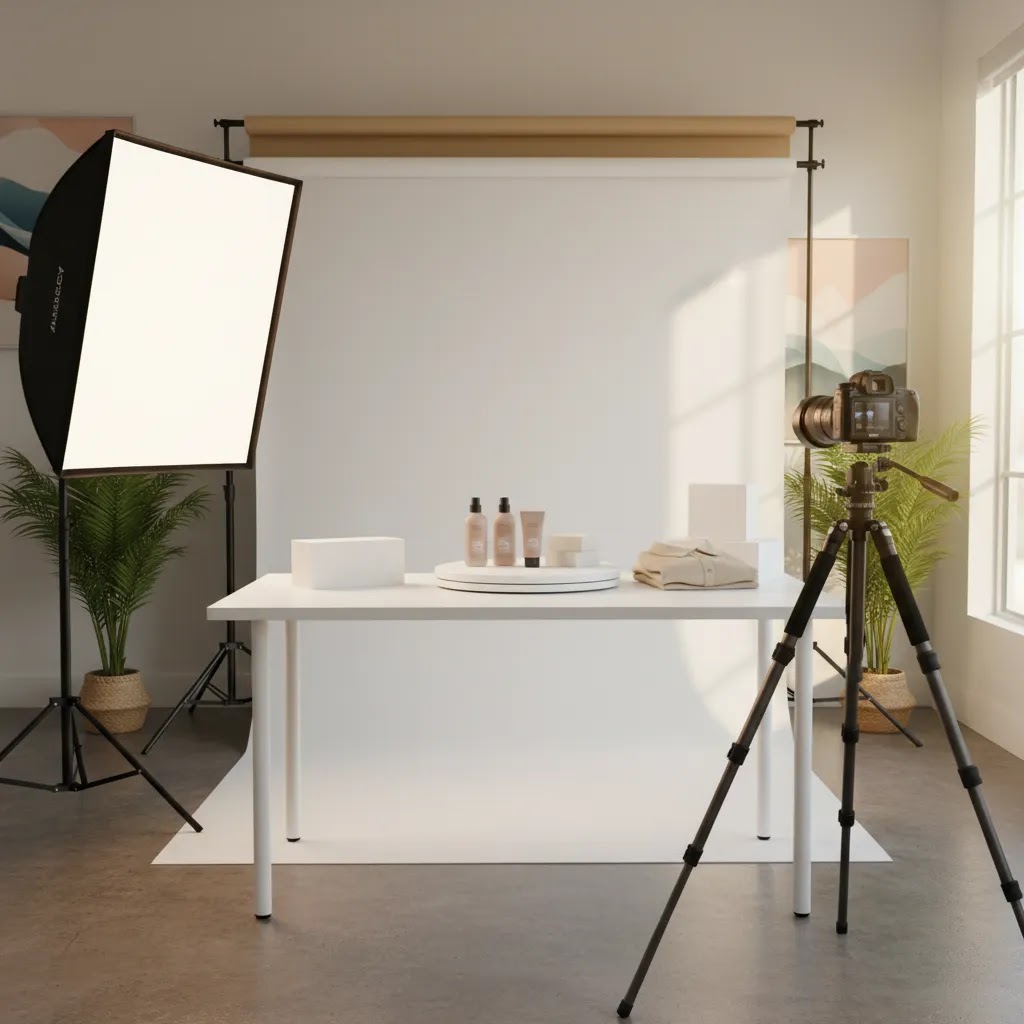
If you are searching for product photography tampa, the real decision is not just which local photographer to hire. It is whether your store needs a traditional Tampa studio, a freelance specialist, or a faster AI-assisted workflow for ongoing product images. For Shopify merchants, Amazon sellers, and direct-to-consumer brands, the right choice depends on catalog size, image consistency, turnaround time, and how often you launch new products. Tampa has local options for studio shoots, clothing, cosmetics, and macro work, but many ecommerce teams now combine local photography with editing and AI image tools to control costs and speed. At AcquireConvert, Giles Thomas evaluates ecommerce tools and workflows through a Shopify growth lens, helping store owners choose what is practical, not just what sounds good on paper.
Contents
- Overview
- Tampa Provider Types and What to Ask For
- Pricing and Costs
- Trust and Credibility
- Key Features
- Portfolio and Shot Types to Request
- Pros and Cons
- Who It's Best For
- How to Get Started
- Frequently Asked Questions
Overview
Product photography in Tampa covers a wide range of needs, from Amazon listing images and polished white-background shots to lifestyle scenes, clothing photography, cosmetics product photography, and highly detailed macro product photography. For ecommerce brands, image quality affects trust, click-through rate, and conversion rate, especially on collection pages, product detail pages, marketplaces, and paid social ads.
The challenge is that local services vary widely in what they actually include. Some Tampa photographers focus on one-time studio sessions. Others work more like ongoing content partners. Many ecommerce teams also need editing after the shoot, including retouching, background cleanup, resizing, and alternate formats for Shopify, Amazon, and email campaigns.
That is where a hybrid approach can make sense. You may use a local shoot for original source images, then handle image variations with tools such as ProductAI Photo. Available options in the current product data include AI Background Generator, Free White Background Generator, Increase Image Resolution, Magic Photo Editor, and Creator Studio. If you are comparing local markets, our guide to product photography austin gives a useful benchmark for how service models differ by city.
Tampa Provider Types and What to Ask For
Here is the thing. Most Tampa options fall into three buckets, and each bucket tends to include different deliverables. If you know what you are buying, it gets much easier to compare quotes and avoid surprises.
1) Studio product photography (catalog-first)
This is typically the best fit when you care about repeatability across many SKUs. A studio setup usually covers consistent lighting, white background packshots, and a process built around batches. It may or may not include styling, steaming for apparel, or advanced retouching. Some studios are happy to shoot your full catalog but will keep lifestyle to a minimum unless you add it.
2) Freelance product photography (specialist or project-based)
Freelancers can be a great fit when you need a specific look or you are doing a smaller release. Some freelancers are excellent at macro details for jewelry and cosmetics, others are stronger at lifestyle scenes and social-first content. The tradeoff is that processes and turnaround can vary, so you want clarity on consistency, file outputs, and what happens if you add SKUs midstream.
3) Full-service commercial teams (advertising-style production)
These providers often pitch more like a creative production partner. You may get creative direction, set design, prop sourcing, models, hair and makeup, and heavier retouching. That can be worth it for hero campaigns and premium positioning, but it is often more than you need for day-to-day Shopify product pages.
A quote request checklist that works for ecommerce
When you request a quote, you will usually get a faster and more accurate answer if you send the details that impact production time. For most Shopify store owners, that means: how many SKUs, how many final images per SKU, whether you need white background, transparent background, or lifestyle scenes, whether you want models or hands in frame, your turnaround deadline, how many revision rounds are included, the final deliverables (file type and pixel dimensions), and whether you will receive or own the raw files.
Consider this. The fastest way to validate fit is to scan a portfolio the same way you would audit your own Shopify product detail pages. Look for ecommerce packshots that show consistent angles and lighting across different products, not just one standout hero image. If you sell on Amazon, look for examples that feel marketplace compliant. If you run paid social, look for lifestyle and advertising-style product shots that have space for cropping, overlays, and multiple aspect ratios without losing the product.
Pricing and Costs
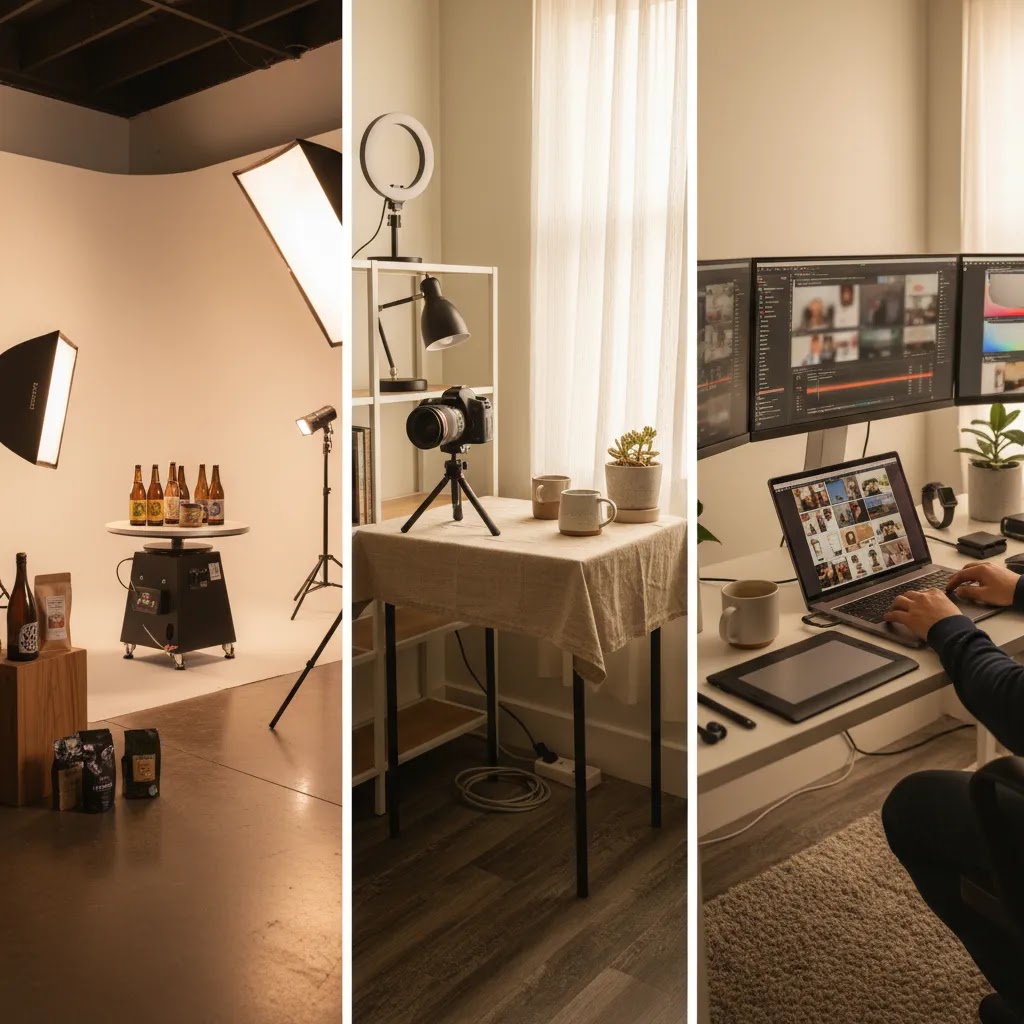
Current product data provided for the AI image tools above does not include public pricing, so it would be inaccurate to quote rates here. If you are evaluating Tampa providers, that matters because photography pricing usually depends on scope rather than a simple flat fee. Most ecommerce shoots are priced around factors such as number of SKUs, number of final images per SKU, styling complexity, model usage, retouching depth, and whether you need Amazon-compliant or Shopify-ready exports.
For Tampa brands, the practical cost question is this: do you need a one-off shoot, or do you need a repeatable content system? A single catalog shoot may be reasonable for a small launch. Ongoing stores with frequent SKU updates often find that reshoots, retouching, and request rounds increase the real cost quickly.
If you want affordable product photography without sacrificing consistency, consider separating capture from post-production. A local photographer can create the base images, then tools like a white background generator or background editor can help produce additional variants for campaigns, collections, and marketplaces. That approach may be especially useful for stores also comparing options like product photography los angeles, where pricing often trends higher for comparable deliverables.
How to compare Tampa product photography prices and quotes without getting burned
What many store owners overlook is that most providers want you to request a quote because the real price depends on how you define a “final image.” One quote might assume light cleanup only. Another might include heavier retouching, color matching, label reconstruction, and multiple exports per marketplace. If you do not normalize quotes, you can end up comparing numbers that are not describing the same work.
From a practical standpoint, compare quotes using a few consistent units: cost per final delivered image, any minimums (per SKU, per day, or per project), and what retouching tier is included. Then list likely add-ons that commonly move the total: models, hands, props, location setup, glossy or reflective packaging that requires more control, and complex products that need careful styling or assembly.
Also check the parts of the quote that can create extra cost later. Ask how many revision rounds are included, what counts as a revision versus a reshoot, whether usage or licensing is restricted, and whether rush fees apply. If you sell on Amazon, confirm whether Amazon-compliant exports are included in the deliverables, or if you are expected to handle extra formatting after delivery.
Think of it this way. Premium lifestyle is often worth it when your brand story is a major part of the purchase decision and you will reuse the same hero assets across ads, homepage, and email. Clean, consistent catalog images are often worth more when you have many SKUs, lots of variants, and you rely on collection page merchandising to drive add-to-carts. In many cases, the best setup is a small set of premium hero shots plus a repeatable, lower-friction system for the rest of the catalog.
Trust and Credibility
When evaluating a Tampa photographer or studio, trust comes from process clarity more than a polished portfolio alone. Ask whether they have real ecommerce experience, not just general commercial photography work. A good service partner should understand file naming, consistent angles across variants, cropping for collection grids, and image requirements for Shopify and Amazon.
AcquireConvert approaches this from the operator side. Giles Thomas is a Shopify Partner and Google Expert, so the recommendation framework is tied to how visuals support conversion, merchandising, and paid acquisition, not just aesthetics. That matters because a beautiful image set can still underperform if it is inconsistent across your catalog or not optimized for actual storefront use.
If you need a broader service comparison before narrowing your local shortlist, it is worth reviewing our Product Photography Services hub and our guide to freelance photographers. For brands that may not need a fully local team, these pages help clarify whether studio, freelance, or hybrid production is the smarter route.
Key Features
For ecommerce brands comparing Tampa product photography options, the useful features are less about creative buzzwords and more about whether the service fits your workflow.
White background compliance matters if you sell on Amazon or want clean PDP imagery on Shopify. Local photographers should be able to produce standard product shots photography with consistent lighting and framing. If they cannot, you may need to rely on editing tools later.
Retouching and cleanup is another important feature. Product photography retouching can include dust removal, color correction, label cleanup, shadow balancing, and output formatting. That is particularly relevant for cosmetics product photography and cannabis product photography, where packaging details and fine print are often critical.
High-detail capture matters for macro product photography. If you sell jewelry, supplements, skincare, electronics accessories, or textured materials, ask about lens setup and whether the photographer has experience with a dedicated product photography lens for close-up work.
Content variation is where AI-assisted workflows can help. ProductAI Photo tools in the current data set support common ecommerce editing tasks. AI Background Generator and Background Swap Editor can help create alternate scene styles. Free White Background Generator supports clean marketplace-style outputs. Increase Image Resolution may help recover usability for certain assets. Place in Hands can simulate handheld presentation shots, which may help with social creatives. Creator Studio and Magic Photo Editor appear aimed at broader editing and asset creation workflows.
For brands building a fuller visual system, our Catalog Photography category and guide to a product photography studio can help you decide whether you need a dedicated production setup instead of project-based local shoots.
Portfolio and Shot Types to Request
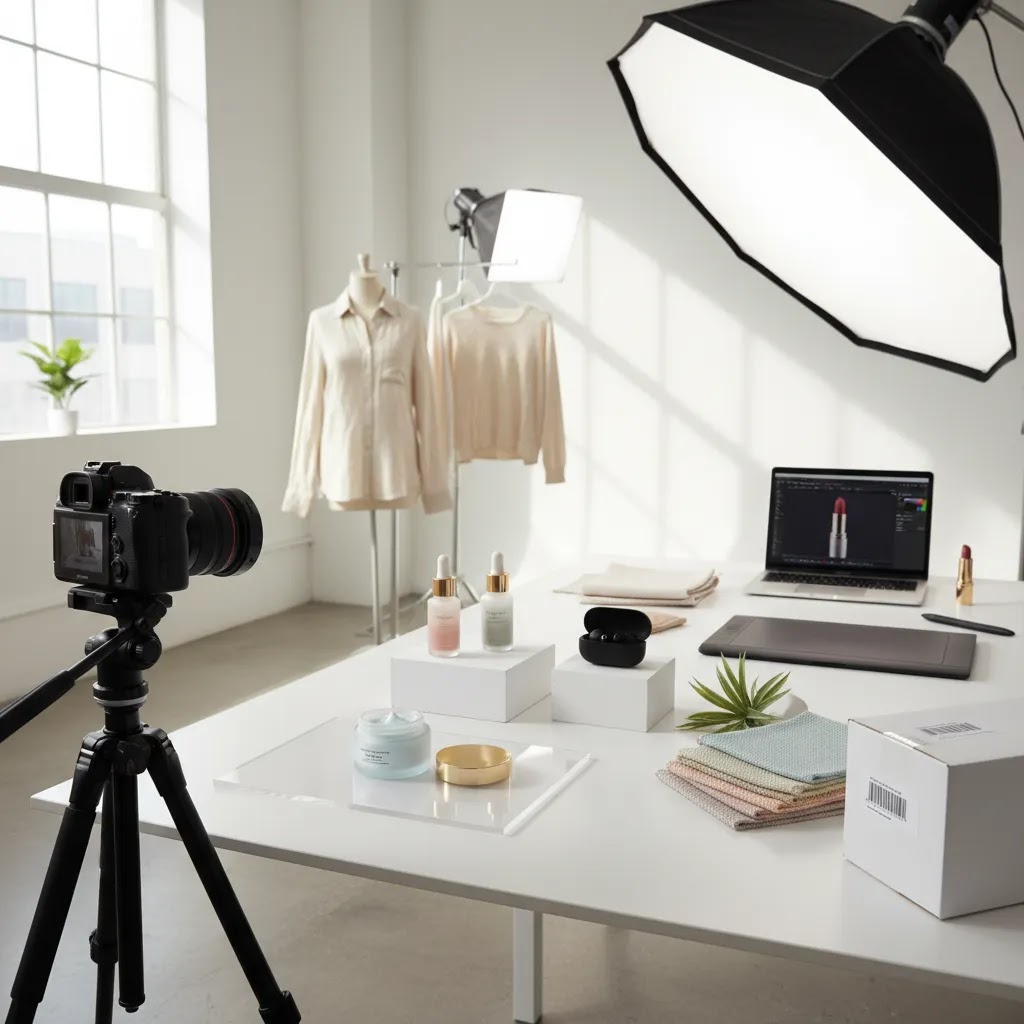
If you only ask for “a few product photos,” you will typically get a mixed set that looks fine individually but does not work as a system on Shopify. Your goal is to request a shot list that supports conversion on the product detail page and consistency across the collection grid.
The core shot categories most ecommerce brands need
White background packshots are your baseline. They support fast scanning on Shopify collection pages and are often essential for marketplace listings.
Group shots help when you sell sets, bundles, or collections with multiple variants. These images can reduce confusion and make it easier to merchandise on landing pages.
Detail macros are for proof. Think textures, labels, ingredients, clasps, stitching, and finishes. They are especially valuable in cosmetics product photography, jewelry, supplements, and any category where the customer is looking for small cues to trust quality.
Scale and context shots answer sizing questions quickly. This can be as simple as the product in hand, next to a common object, or shown in use.
Lifestyle scenes are where advertising and brand positioning show up. These images tend to do more work in paid social and email, but they can also be effective as a Shopify hero image if they still clearly show the product.
How to build a shot list that stays consistent across your catalog
The reality is that consistency is what makes product pages feel trustworthy. For a catalog shoot, decide in advance on a small set of repeatable angles and stick to them. That means consistent camera height, framing, shadows, and reflections. Then layer in a limited number of hero images for your highest-margin products or your primary acquisition ads.
For most Shopify store owners, a practical mix is a consistent set of packshots for every SKU, plus a smaller number of lifestyle images used across ads, homepage modules, and top product pages. The way this works in practice is that your catalog stays clean for merchandising, while your marketing still has enough creative variety to test.
Examples by category so you can request the right mix
For cosmetics, request label-readable front shots, cap and applicator details, and texture swatches where relevant. For clothing, request front, back, and detail shots, plus either a model or a consistent flat lay approach so your collection pages do not look chaotic. For jewelry, prioritize macro clarity, accurate color, and controlled reflections. For packaged goods, request clean fronts for scanning, plus angled shots that show depth and how the product reads on a shelf.
Pros and Cons
Strengths
- Tampa offers access to local studios and freelancers for in-person product handling, which is useful for fragile, regulated, or high-detail items.
- Local shoots can produce original brand-specific imagery that feels more credible than overused stock visuals.
- A hybrid workflow using local capture plus AI editing can support faster rollout of image variants for Shopify, Amazon, and ads.
- Product categories such as clothing, cosmetics, and packaged goods often benefit from professional lighting and retouching that phone product photography may not match consistently.
- For brands with recurring launches, a local partner can help standardize angles, styling, and file output across the catalog.
Considerations
- Public pricing is often unclear until you request a quote, making direct Tampa comparisons harder than most store owners expect.
- Some local photographers are strong creatively but weak on ecommerce requirements like SKU consistency, export specs, and marketplace compliance.
- AI tools can help with backgrounds and variations, but they do not replace strong original photography for every product type.
- Smaller stores with limited traffic may not see enough return from premium local photography if their product pages or offer positioning are still weak.
Who It's Best For
Product photography Tampa services are best for Shopify merchants, Amazon sellers, and local ecommerce brands that need original visual assets rather than generic mockups. A Tampa studio or freelance product photography setup usually makes the most sense if you sell physical products with texture, packaging detail, or premium positioning.
If you run a smaller store, a practical option is to use a local shoot for hero images, then create supporting variations with editing tools. If your catalog is large and changes often, prioritize repeatability over artistic flair. In most cases, stores with lean teams should choose providers who understand ecommerce production, not just photography as a creative service.

How to Get Started
Start by listing exactly what your store needs. Count your SKUs, image angles, variant requirements, and where the images will appear, such as Shopify PDPs, collection pages, Amazon listings, paid ads, and email.
Next, shortlist Tampa providers and ask for ecommerce-specific examples. Request sample outputs for white background images, lifestyle shots, and any category-specific needs like clothing flat lays, cosmetics close-ups, or macro detail work.
Then confirm the workflow. Ask who handles retouching, what file sizes you receive, how revisions work, and whether the photographer understands marketplace compliance. If you want ongoing speed, ask whether they can support a repeatable shot list template.
Finally, test a small batch before committing to a full catalog. Once you receive the originals, decide which assets belong in your store as-is and which could be extended using tools like white background, resolution, or scene-editing workflows. That gives you a more controlled path than outsourcing every visual request from scratch.
Frequently Asked Questions
What should I look for in a Tampa product photographer for ecommerce?
Look beyond portfolio style. Ask whether they understand Shopify image sizing, Amazon standards, variant consistency, retouching, and batch workflows. A photographer who knows ecommerce production will usually save you more time than one who only offers attractive one-off images.
Is phone product photography good enough for a Shopify store?
It can be good enough for some early-stage stores, especially with strong lighting and careful editing. Still, phone product photography often becomes limiting when you need consistent angles, macro detail, clean reflections, or marketplace-compliant white background images at scale.
Do I need a local Tampa studio, or can I hire freelance photographers?
That depends on product complexity and workflow. A local studio is often better for ongoing catalog consistency and controlled lighting. Freelancers can work well for smaller projects or niche aesthetics. This is why comparing local studios with freelance photographers is a smart first step.
Can AI tools replace local product photography?
Not completely in most cases. AI tools are useful for editing, background changes, simple variations, and some marketing creative tasks. They work best when built on decent original product photos. For premium products, complex surfaces, or regulated categories, original photography still matters.
What types of products benefit most from professional photography?
Clothing, skincare, supplements, jewelry, electronics accessories, home goods, and premium packaged products typically benefit most. These categories rely on texture, finish, fit, or packaging detail. Better imagery may improve trust and click quality, though results vary by store and offer strength.
How does product photography affect Amazon and Shopify performance?
Strong photography may help shoppers understand the product faster and trust the listing more. On Shopify, it supports merchandising and conversion. On Amazon, it can influence click-through and compliance. Performance still depends on pricing, reviews, copy, and traffic quality, not images alone.
How much does product photography cost in Tampa?
It depends on scope. Tampa pricing is usually influenced by how many SKUs you are shooting, how many final images you need per SKU, whether you need lifestyle scenes or models, and how much retouching is included. Because quotes can be structured per image, per SKU, per hour, or per day, you will typically get the clearest answer by sending a shot list and deliverable specs when you request pricing.
How do I choose the best product photographer in Tampa for my brand?
Start with fit, not hype. Choose a provider whose portfolio clearly matches the type of images you need, such as consistent ecommerce packshots for Shopify and Amazon, or higher-end lifestyle advertising work for campaigns. Then validate process: confirm they can follow a shot list, keep angles consistent across SKUs, deliver the file formats you need, and explain revisions and turnaround in plain terms.
What is included in a typical product photography quote (retouching, licensing, revisions)?
Many quotes include capture plus a defined level of retouching, along with a set number of final images. The details vary, so ask what retouching level is included, how many revision rounds you get, whether reshoots are handled differently than edits, and whether usage rights are limited. Also ask about deliverables, including file type, pixel dimensions, and whether you receive any exports tailored for Shopify and Amazon.
Do Tampa product photographers offer lifestyle and advertising product shots as well as white background images?
Many do, but they are often different service tiers. White background catalog photography is usually more standardized and repeatable. Lifestyle and advertising-style production can involve props, sets, models, and heavier retouching. If you need both, ask the provider to separate pricing for catalog shots versus campaign lifestyle so you can decide what to invest in first.
Key Takeaways
- Product photography Tampa options are best evaluated by workflow fit, not portfolio style alone.
- Ask local providers about ecommerce-specific deliverables, including retouching, export formats, and consistency across SKUs.
- A hybrid model using local source photography plus AI editing tools can be a practical choice for growing Shopify stores.
- Smaller brands should test a limited batch first before committing to full-catalog production.
- If your store updates products often, repeatability and speed usually matter more than highly custom one-off creative direction.
Conclusion
If you need product photography in Tampa, local options can work very well for ecommerce, especially when your products need real handling, detailed lighting, or category-specific presentation. The strongest choice is usually not the most artistic photographer. It is the one who can deliver consistent, ecommerce-ready assets you can actually use across Shopify, Amazon, ads, and email. For many stores, the smartest setup is a blend of local photography and post-production tools that help extend each shoot further. If you are still comparing service models, review our product photography service guides and studio resources, then test one small project before scaling. That gives you enough proof to make a confident decision without overcommitting upfront.
Disclosure: AcquireConvert may receive affiliate compensation from some third-party links referenced in this article. We only recommend tools and resources that appear relevant to ecommerce operators based on available data. Any results from product photography, editing tools, or related workflows will vary based on your niche, traffic, product quality, offer strength, and implementation.
Hi, I'm Giles Thomas.
Founder of AcquireConvert, the place where ecommerce entrepreneurs & marketers go to learn growth. I'm also the founder of Shopify agency Whole Design Studios.