Product Shot Photographer: How to Choose (2026)

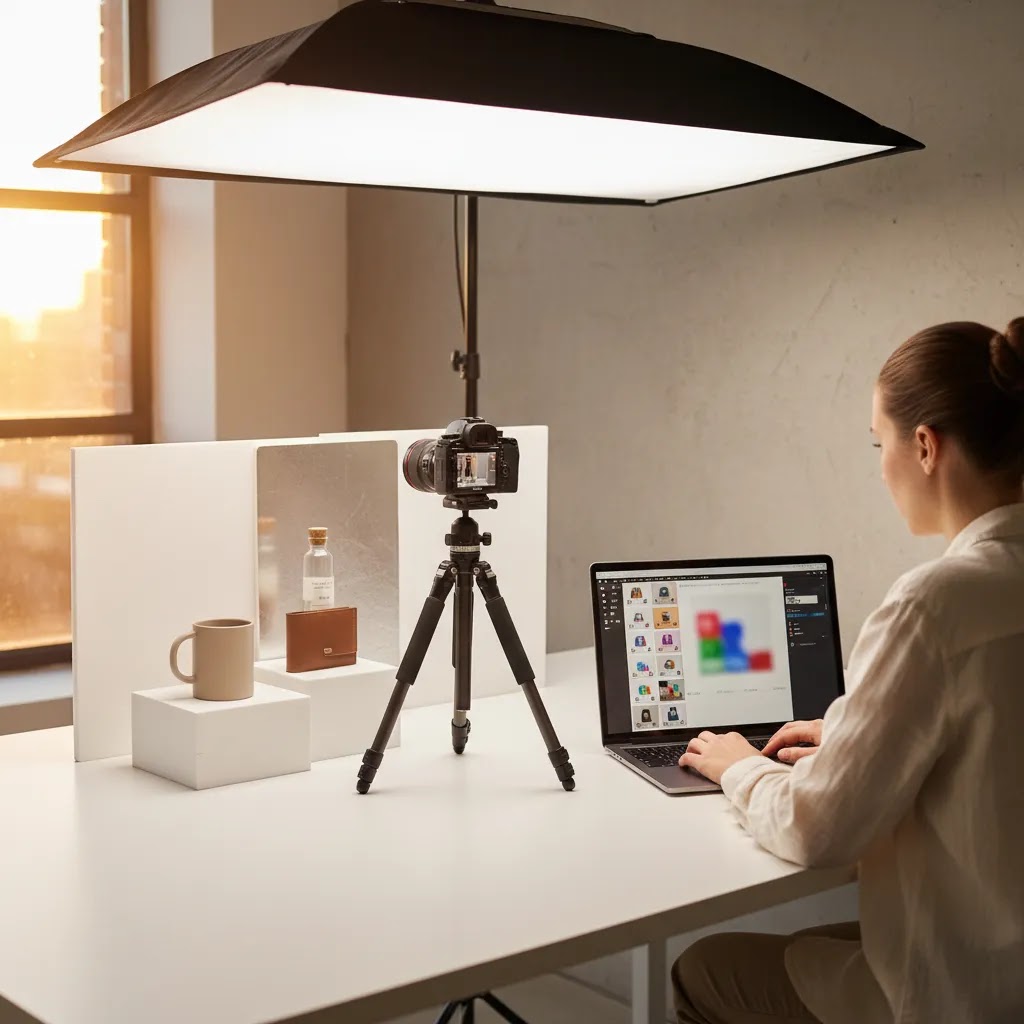
If you sell online, your product images are doing a lot of the conversion work before a shopper reads a word of copy. That makes choosing the right product shot photographer less about finding someone with a camera and more about finding a partner who understands ecommerce image requirements, brand consistency, and the difference between a clean catalog image and a conversion-focused lifestyle shot. If you are comparing options now, start by getting clear on the type of assets you actually need. A store that needs crisp white-background packshots will hire differently from a brand that needs social-ready scenes and homepage banners. If you want a broader view of service options first, this product photography austin guide is a useful place to benchmark what professional services usually include.
Contents
- What a product shot photographer actually does
- What to review before you hire
- Typical product photography pricing ranges and what drives the quote
- Pros and Cons
- Remote studio workflow: shipping, handling, and approvals
- Who this hiring approach is best for
- AcquireConvert recommendation
- How to choose the right photographer
- Building a scalable shot list and image system for growing catalogs
- Frequently Asked Questions
- Key Takeaways
What a product shot photographer actually does
A product shot photographer creates images designed to help products sell online. In practical terms, that usually includes clean product-only shots, angle variations, close-up detail photos, scale references, and sometimes styled or in-use images. For ecommerce merchants, the job is not just visual. It is operational. The photographer needs to understand image consistency across a collection, marketplace requirements, cropping standards, retouching boundaries, and file delivery that works with your store setup.
A strong commercial product photographer should be able to explain their process for prep, lighting, shot lists, post-production, and output formats. If they mainly shoot portraits or weddings, that is not automatically a deal-breaker, but it does mean you should look much harder at portfolio relevance. A beauty product photographer, for example, usually needs stronger control over reflections, labels, packaging texture, and color accuracy than a generalist photographer.
For many Shopify merchants, the real question is whether you need a specialist in simple catalog work, a more creative photo studio setup, or a hybrid partner who can supply both product pages and campaign assets. That answer affects cost, workflow, and the eventual conversion impact of the images you publish.
What to review before you hire
Before you compare product photographer rates, look at fit. Price matters, but a lower quote can become expensive if you need reshoots, extra retouching, or missing aspect ratios for Shopify, Amazon, or paid social placements.
Start with the portfolio. Look for products similar to yours in size, finish, and complexity. A photographer product portfolio full of matte cardboard boxes tells you very little about how they handle reflective skincare jars, glass bottles, jewelry, or apparel textures. If you sell on Amazon, an amazon product photographer should show marketplace-compliant work, especially white-background hero images and tight consistency across variants.
Next, ask about process. You want to know:
- How they build and approve a shot list
- Whether styling, props, and set design are included
- How many revisions are covered
- What file formats and crop ratios you receive
- How long editing and delivery usually take
Usage is another big one. Some photographers price by day rate, some by image, and some by project scope plus licensing. Clarify whether your quote covers web, email, paid ads, marketplace use, print, and organic social. This is especially important if you plan to reuse assets across PDPs, landing pages, and retention campaigns.
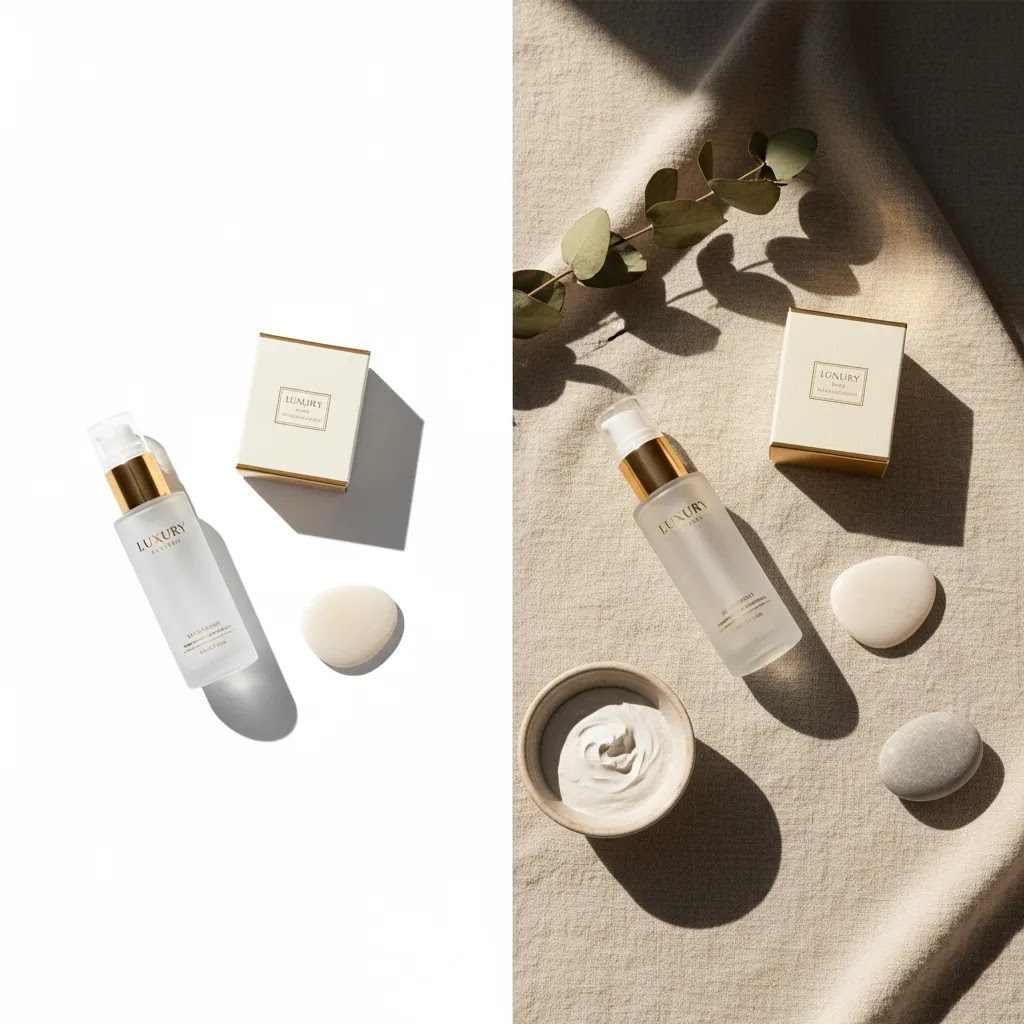
You should also assess whether they understand the difference between photography products for catalog consistency and creative images meant to lift perceived value. A store with a large SKU count often needs repeatable systems more than artistic experimentation. A premium brand launching a hero product may need the opposite.
Typical product photography pricing ranges and what drives the quote
Most pricing confusion comes from the fact that two quotes can both say “product photography,” while describing very different deliverables. From a practical standpoint, you want a fast way to sanity-check estimates, then a way to compare two bids apples-to-apples.
Here are the most common pricing models you will run into:
- Per image: common for packshots and simple deliverables, but make sure you define what counts as an “image” (one angle, one retouched final, one crop, or all exports).
- Per SKU: often used for catalog production where each product gets a standard set of angles and details.
- Half-day or day rate: common when styling and set builds are involved, or when the shoot needs live art direction. Editing is often separate.
- Project pricing: a fixed scope for a set number of products and deliverables, usually the easiest structure for Shopify brands that want predictable outcomes.
As a broad range, many stores see simple ecommerce packshot work priced at roughly $25 to $150 per final image, or $75 to $400 per SKU depending on how many angles are included. For lifestyle or model-based work, you are often into day rates and production costs, and totals can run from a few hundred dollars for a small, simple shoot to several thousand dollars for a campaign-level production. Pricing varies by region and by who is included in the team.
Now, when it comes to what actually drives cost up, it is rarely just the photographer’s time with the camera. Common drivers include styling, prop sourcing, set builds, complex retouching, reflective products (glass, chrome, glossy packaging), precise color matching, model talent, and tighter turnaround timelines. Usage and licensing scope can also change the quote if you need broad rights across paid ads, marketplaces, and print, versus web-only use.
What many store owners overlook is the “hidden line items” that appear in real-world estimates. These are not necessarily bad, but you want to see them up front:
- Prep time, product cleaning, steaming, and de-linting (especially apparel and soft goods).
- Prop sourcing and returns, plus any rentals.
- Advanced clipping paths or hair masking (common with fuzzy products, plants, and complex silhouettes).
- Color correction and label reconstruction when packaging is scuffed or reflective.
- Extra aspect ratios and exports (square for marketplaces, 4:5 for social, wide banners for homepage or email headers).
- Reshoots, late product adds, or changes to the approved shot list.
- File storage, archiving, and re-export fees if you request alternate crops months later.
To compare two bids fairly, ask both photographers to quote the same deliverables: number of SKUs, number of final selects per SKU, backgrounds, styling requirements, revision rounds, file specs, and usage rights. If one quote includes consistent crops and naming for Shopify, plus a clear revision policy and reliable delivery timeline, it may be better value than a lower number that leaves you with missing formats and extra rounds later.
Pros and Cons
Strengths
- A skilled professional product photographer can create cleaner, more consistent imagery than most in-house DIY setups.
- Experienced ecommerce photographers often understand product page needs such as angle coverage, zoom detail, and collection-level consistency.
- Specialists can save time on retouching, color correction, and lighting problems that usually slow internal teams down.
- Good product shot photography can support stronger merchandising across Shopify stores, marketplaces, email, and paid ads.
- Photographers with niche experience, such as beauty, fashion, or lifestyle, may produce assets that better match your category expectations.
Considerations
- Product photographer rates vary widely, and quotes can rise once styling, props, usage rights, and retouching are added.
- A great artistic portfolio does not always mean the photographer understands ecommerce requirements or SKU-heavy workflows.
- Shipping products to a remote studio adds coordination, risk, and timeline complexity, especially for fragile or high-value items.
- Some photographers are strong on hero images but less effective at repeatable catalog production for large product ranges.
Remote studio workflow: shipping, handling, and approvals
Remote product photography is normal now, and for many Shopify brands it is the most practical option because you can work with a specialist even if they are not local. Here’s the thing, remote shoots tend to go well when the photographer runs a repeatable process and you treat shipping and approvals like an operational workflow, not an afterthought.
A typical remote workflow often looks like this:
- Intake and scope: you confirm the product list, shot list, backgrounds, and file specs, plus any styling needs.
- Shipping in: you send inventory to the studio, often with a clear packing list and SKU labeling.
- Shot list approval: you approve angles, crops, and any props before the camera comes out.
- Test frames: the photographer sends a few sample shots so you can confirm lighting and crop standards.
- Shoot day communication: you agree on how feedback is handled, usually email or a shared proofing gallery.
- First selects: you review a first pass of images and select finals for retouching.
- Retouching rounds: you give consolidated feedback, then the photographer delivers final retouched files.
- Final delivery: you receive files in agreed formats, often with naming conventions for upload.
- Product return: inventory is shipped back, or held for future shoots if you plan ongoing work.
If you are shipping inventory, add safeguards that match the value of the products. Use tracked shipping and consider insurance for higher-value items. Pack products like they are going through two extra handling steps, because they usually are. Double-box fragile items, protect corners, and use internal padding so items do not slide. Include a packing list in the box, and label SKUs and variants clearly so the studio can match your shot list without guesswork.
Also clarify what happens if the packaging arrives damaged. For some products, the packaging is the product, so crushed boxes or scuffed labels can create retouching work or force a reship. If packaging condition matters, send two units per SKU when you can, one for shooting and one backup. For high-value products, ask how the studio stores inventory between shoot and return, and who is responsible if something goes missing.
Turnaround is where remote shoots can slip. Delays usually come from missing information, not the camera work. To avoid back-and-forth, pre-approve backgrounds, crops, and any “must match” reference images from your Shopify store. Decide in advance how many revision cycles you will run, and who on your side is the final approver. One clear decision-maker and consolidated feedback typically keeps the project moving.

Who this hiring approach is best for
This approach is best for ecommerce brands that are past the earliest validation stage and need product images that look consistent, trustworthy, and usable across multiple channels. If your current store photos are mixed in lighting, background, or crop style, hiring a specialist usually makes sense before you spend more on traffic.
It is especially relevant for Shopify merchants improving product detail pages, brands preparing for Amazon or retail outreach, and stores that need a clear split between standard packshots and product photography studio creative work. If you only need a few temporary images for a test product, a full commercial engagement may be more than you need right now.
AcquireConvert recommendation
At AcquireConvert, we look at photography decisions the same way we look at Shopify optimization decisions: through the lens of conversion, workflow, and long-term usability. Giles Thomas brings the perspective of a Shopify Partner and Google Expert, which matters because product images do not sit in isolation. They affect product page trust, ad click quality, Shopping performance, and how confidently a customer moves through your funnel.
If you are still narrowing your options, browse the wider Product Photography Services area to compare service types, or review Catalog Photography content if your challenge is more about consistent SKU coverage than campaign creativity. A practical next step is to shortlist two to three photographers, request sample scopes with identical deliverables, and compare not just price but revision policy, turnaround, and ecommerce readiness.
How to choose the right photographer
1. Match the photographer to the job type
Not every product shot needs the same skill set. If your priority is white-background images for collection pages, marketplaces, and clean PDP galleries, prioritize consistency and process. If your homepage, paid ads, or launch campaigns need more emotional appeal, you may need a lifestyle product photographer who understands props, composition, and brand mood.
2. Ask for a category-relevant portfolio
Look for comparable materials and packaging. Cosmetics, food, jewelry, apparel, and home goods all create different technical challenges. A beauty product photographer should be comfortable with reflective surfaces, transparent containers, and precise label rendering. If you are searching for a product photographer near me, local access can help with live art direction, but category fit still matters more than geography.
3. Get clear on pricing structure
There is no single standard for product photographer rates. Some charge per image. Others charge per SKU, per half day, or per project. Make sure you ask what is included. Clarify prep, steaming, cleaning, styling, assistant time, retouching, and extra exports. A quote that looks lower upfront may exclude cropping for Shopify thumbnails, square marketplace versions, or alternate ad formats.
4. Review workflow and communication
The best product photographer for a growth-stage store is often the one with the clearest workflow. Ask how they handle briefs, approvals, sample frames, reshoots, and returns. If you plan to shoot repeatedly over time, consistency in file naming, lighting approach, and edit style is often more valuable than one standout creative image.
5. Think beyond the photo itself
A strong image library should work across your whole ecommerce stack. That means product pages, collection pages, email, retargeting, paid social, and sometimes Google Shopping support assets. While photographers are not responsible for your conversion rate on their own, experienced store owners know visuals can improve perceived product quality and reduce hesitation. That is why many merchants treat photography as a merchandising investment, not just a creative line item.
If you are comparing local specialists such as a product photographer atlanta, nyc product photographer, miami product photographer, or product photographer tampa, ask the same baseline questions each time so you can compare quotes fairly. Local convenience matters, but process discipline, usable deliverables, and commercial relevance should still decide the shortlist.
For stores with a larger catalog, it can also help to separate standard image production from campaign work. One partner may handle repeatable catalog shoots while another manages hero launches. That split is common and often more efficient than expecting one provider to excel equally at both volume production and brand storytelling.
Building a scalable shot list and image system for growing catalogs
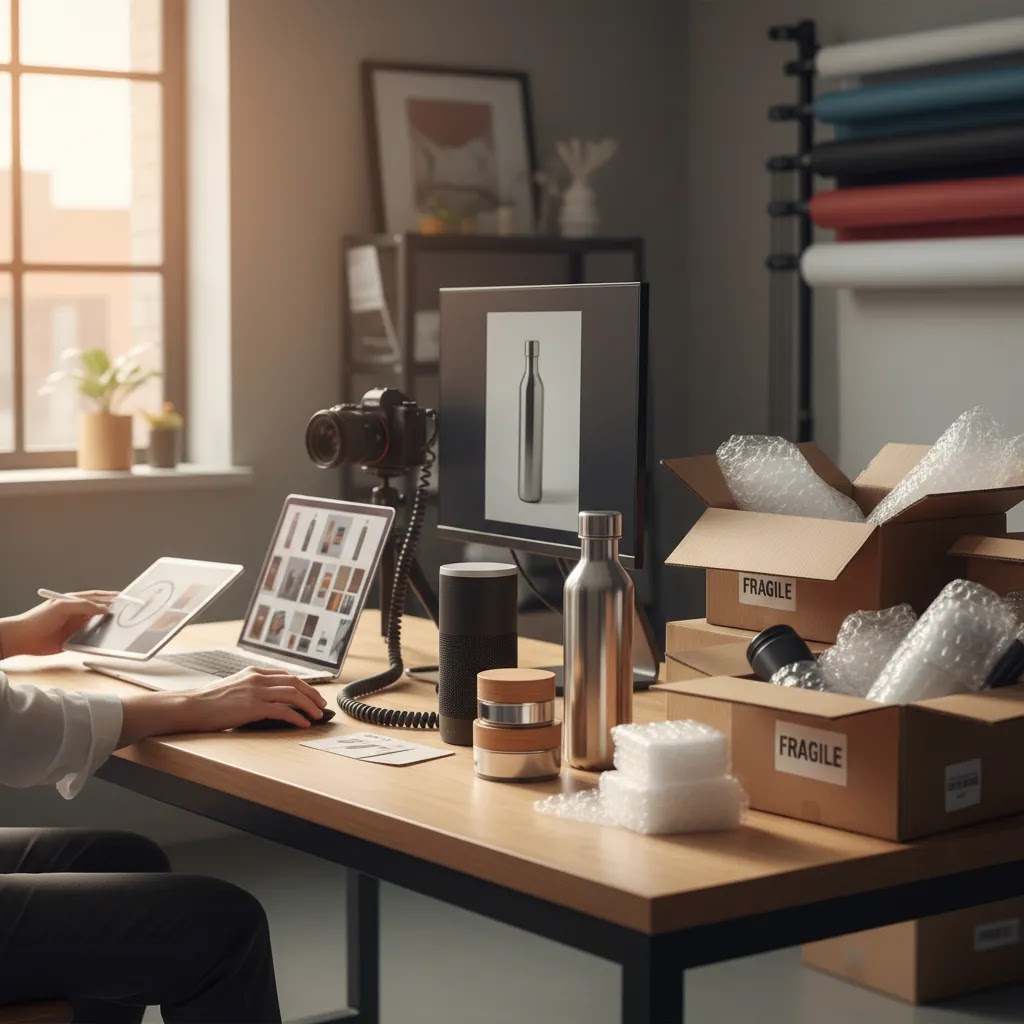
When your catalog is small, it is tempting to treat photography as one-off projects. As you add SKUs, that approach usually breaks. The reality is that consistency becomes a conversion asset. It also makes your team faster because you stop reinventing decisions every time a new variant launches.
Start by turning “we need better photos” into a shot list that can be reused by product type. A practical baseline for many Shopify product pages includes a hero image, two to four angles, one or two detail close-ups, and one scale or contextual image when it answers a common question. Then you adjust by category:
- Apparel: front, back, detail shots (fabric, seams), and a consistent fit or scale reference.
- Beauty: hero with label readable, texture or applicator detail, packaging open and closed, and any key claims shown without heavy retouching.
- Jewelry: multiple angles, clasp or backing details, and careful reflection control.
- Home goods: scale reference and material texture detail, plus a styled in-room image if it helps shoppers visualize size.
What matters most is standardizing across variants so collections look consistent. If you have 10 colors of the same product, decide the exact angle order and crop once, then apply it to every variant. That makes collection pages easier to browse and reduces visual noise on Shopify category grids.
It also helps to create a simple “image system” that your photographer can follow and your team can upload without friction:
- Naming conventions tied to SKU, variant, and angle (so you can find and replace images later).
- Angle order that matches how customers shop (hero first, then angles, then details, then context).
- Consistent crops and safe margins so product thumbnails and zoom behave predictably.
From a workflow standpoint, separate catalog production from campaign and lifestyle creative once you have enough SKUs. Catalog production is about repeatability and speed. Campaign work is about storytelling and persuasion. You can brief both providers with the same brand guidelines, color targets, and “must match” references, while letting each team focus on what they do best. That split is often how growing brands keep quality high without slowing down launches.
Frequently Asked Questions
How much do product photographer rates usually cost?
Rates vary by region, experience, complexity, and licensing. Some photographers charge per image, others by day or project. The main thing is to compare like for like. Ask whether retouching, styling, props, and multiple crop formats are included. A higher quote may still be better value if it reduces reshoots and gives you web-ready assets.
Should I hire a local product photographer near me?
A local photographer can be helpful if you want to attend the shoot, review styling in person, or avoid shipping delicate products. That said, local is not always better. For ecommerce brands, category experience and process reliability often matter more than distance. If the photographer is remote, ask how they manage approvals, sample frames, and product returns.
What is the difference between a commercial product photographer and a general photographer?
A commercial product photographer is usually more focused on selling use cases. They tend to think in terms of PDP image order, consistency across SKUs, usage rights, and channel requirements. A general photographer may still be talented, but you should verify they understand ecommerce deliverables, especially if you need marketplace-ready or high-volume image production.
Do Shopify stores need both catalog and lifestyle images?
In many cases, yes. Clean catalog images help with clarity and comparison, while lifestyle shots can help customers imagine fit, scale, or use. The right balance depends on product type. Technical or commodity products may need more clarity-first images, while beauty, apparel, and home goods often benefit from stronger contextual visuals.
What should I send in a brief to a professional product photographer?
Your brief should include product list, shot priorities, examples of image style, required angles, background preferences, dimensions, channel needs, and any non-negotiables on color or branding. If you sell on Shopify and Amazon, say that clearly. The more specific the brief, the easier it is to avoid extra rounds of editing later.
How many product shots do I need per SKU?
That depends on product complexity. Many stores start with a hero shot, two to four alternate angles, a detail shot, and one contextual or scale image where useful. Apparel, beauty, and high-consideration items often need more. The goal is to answer the customer’s visual questions before they hesitate or leave the page.
Can one photographer handle Amazon and branded ecommerce images?
Sometimes, but not always. Amazon images have tighter compliance expectations, especially around main images. Brand ecommerce visuals may allow more styling freedom. Some photographers are strong at both. Others are better in one area. Ask to see examples of each so you do not assume a creative portfolio automatically translates to marketplace-ready output.
What should I look for in a beauty product photographer?
Look for control over reflections, clean rendering of labels, accurate color, and careful handling of packaging surfaces. Beauty images often need a polished finish without making the product look unrealistic. Check close-ups carefully. If jars, tubes, or glass look muddy or distorted in the portfolio, that is usually a warning sign.
Is a photo studio better than an in-house setup?
It depends on volume, quality expectations, and team capacity. An in-house setup can work for frequent updates or lower-stakes assets. A studio is often better when you need sharper consistency, more advanced lighting, or launch-quality creative. Many growing stores use both: internal for speed, external for flagship products and campaigns.
How much should I pay a photographer for a product shoot?
It depends on whether you need simple packshots, a repeatable catalog system, or lifestyle creative with production support. Many stores see basic ecommerce product images priced somewhere around $25 to $150 per final image, while per-SKU packages can be higher depending on how many angles and detail shots you need. Lifestyle shoots can cost more because styling, talent, and set time often become the main cost drivers. The best way to decide what you should pay is to define deliverables first, then compare quotes that include the same usage rights, revision policy, and export formats.
How much does a product photo shoot cost?
Total project cost is usually a function of SKU count, complexity, and timeline. A small shoot for a handful of products may be a few hundred dollars, while a larger catalog refresh or a campaign-level lifestyle shoot can run into several thousand dollars. Quotes often change based on retouching expectations, reflective packaging, extra crops for different channels, and whether props or models are involved.
How much money does a product photographer make?
Earnings vary widely based on location, experience, and whether the photographer runs a studio with ongoing ecommerce clients. Some photographers price per image or per SKU and rely on volume. Others focus on higher-end commercial work and price by day rate plus licensing. If you are hiring, the more useful question is what you are paying for: a repeatable workflow, reliable turnaround, and consistent outputs that reduce your internal workload.
Who is Josh Caudwell?
Josh Caudwell is a name that sometimes comes up in product photography searches and recommendations. If you are evaluating any individual photographer, treat it like any other hire: review their portfolio for your category, confirm deliverables and usage rights in writing, and make sure their workflow matches how you run your Shopify store. The goal is not the name recognition. It is reliable, channel-ready assets that match your brand standards.
Key Takeaways
- Choose a product shot photographer based on ecommerce fit, not just artistic taste or location.
- Compare quotes only after matching scope, retouching, usage rights, and delivery formats.
- Review portfolios for category relevance, especially if you sell beauty, apparel, or reflective products.
- Separate catalog needs from lifestyle or campaign needs if your store requires both.
- A clear brief and approval workflow usually matter as much as the photographer’s headline rate.
Conclusion
Finding the right product shot photographer comes down to matching the photographer’s strengths with your selling channel, product type, and growth stage. For most ecommerce brands, the best choice is not the most artistic option or the nearest studio. It is the one that can reliably produce conversion-friendly images, communicate clearly, and support the way your store actually merchandises products. If you want a practical next step, use this article as a shortlist checklist and compare two or three providers against the same brief. For more grounded guidance, explore AcquireConvert’s product photography resources and service guides, shaped by Giles Thomas’s experience as a Shopify Partner and Google Expert helping ecommerce brands make smarter growth decisions.
This content is editorial and provided for informational purposes only. It is not a paid endorsement unless explicitly stated otherwise. Pricing, photographer availability, service scope, and usage terms vary by provider and are subject to change. Any performance outcomes from improved product imagery may vary by store, niche, traffic quality, and merchandising execution.
Hi, I'm Giles Thomas.
Founder of AcquireConvert, the place where ecommerce entrepreneurs & marketers go to learn growth. I'm also the founder of Shopify agency Whole Design Studios.